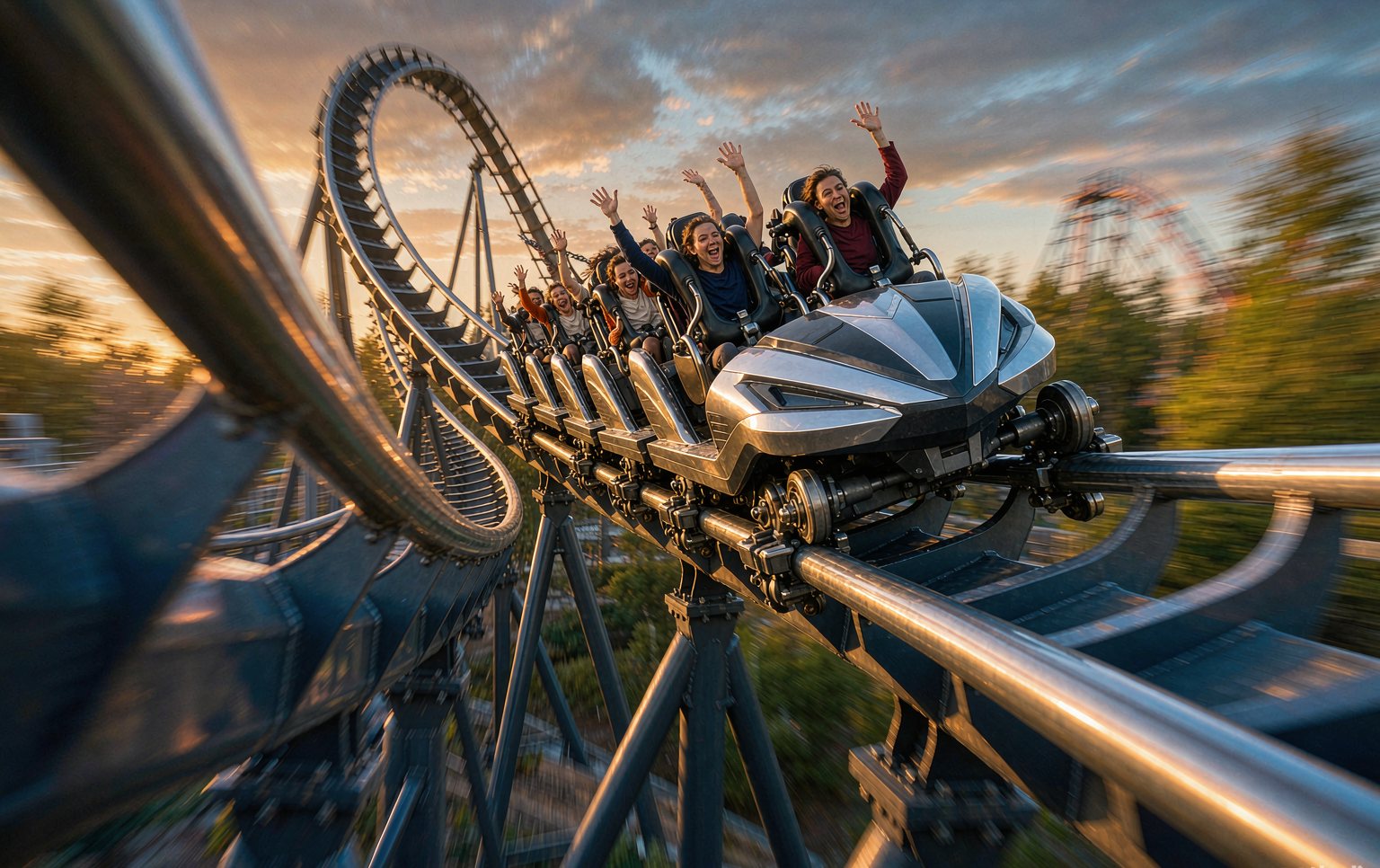
Roller coasters are the signature attractions that define theme parks around the world. Behind every towering steel structure, every heart-pounding drop, and every perfectly timed inversion stands a specialized engineering firm. Roller coaster manufacturers combine advanced mathematics, structural engineering, computer simulation, and creative design to build attractions that thrill millions of guests each year.
For park operators, investors, and industry professionals, understanding the landscape of roller coaster manufacturers is essential for making informed decisions about new attractions. The choice of manufacturer influences ride experience, construction timeline, maintenance requirements, guest capacity, and long-term operational costs. In this article, we will explore the major players in the industry, the engineering principles that guide their work, and the trends shaping the future of roller coaster design.
The Global Landscape of Roller Coaster Manufacturers
The roller coaster industry is served by a diverse group of manufacturers, each with distinct design philosophies, engineering specialties, and market positions. While many companies produce rides, a smaller group dominates the global market for major theme park attractions.
European Manufacturers
European companies have played a foundational role in roller coaster innovation. Swiss, German, Dutch, and Italian firms have produced some of the most influential designs in the industry. These manufacturers are known for precision engineering, smooth ride dynamics, and pioneering technologies such as launched coasters, wing coasters, and multi-launch systems.
North American Manufacturers
North American manufacturers have made significant contributions to the industry, particularly in the areas of wooden coasters, hybrid designs, and large-scale steel attractions. These companies often emphasize intense ride experiences, innovative track configurations, and cost-effective solutions for parks of various sizes.
Asian Manufacturers
Manufacturers based in Asia have grown rapidly in recent decades, serving both domestic markets and international clients. These companies offer competitive pricing, modern engineering capabilities, and increasingly sophisticated ride designs that appeal to parks seeking value and innovation.
Specialty and Boutique Manufacturers
Smaller manufacturers often focus on niche markets, such as family coasters, compact attractions for urban entertainment centers, or highly customized designs for specific themed environments. These firms provide flexibility and personalized service that larger companies may not offer.
Engineering Principles Behind Roller Coaster Design
The work of roller coaster manufacturers is grounded in rigorous engineering principles. Every element of a coaster’s design must balance thrill, safety, comfort, and operational efficiency.
Track Geometry
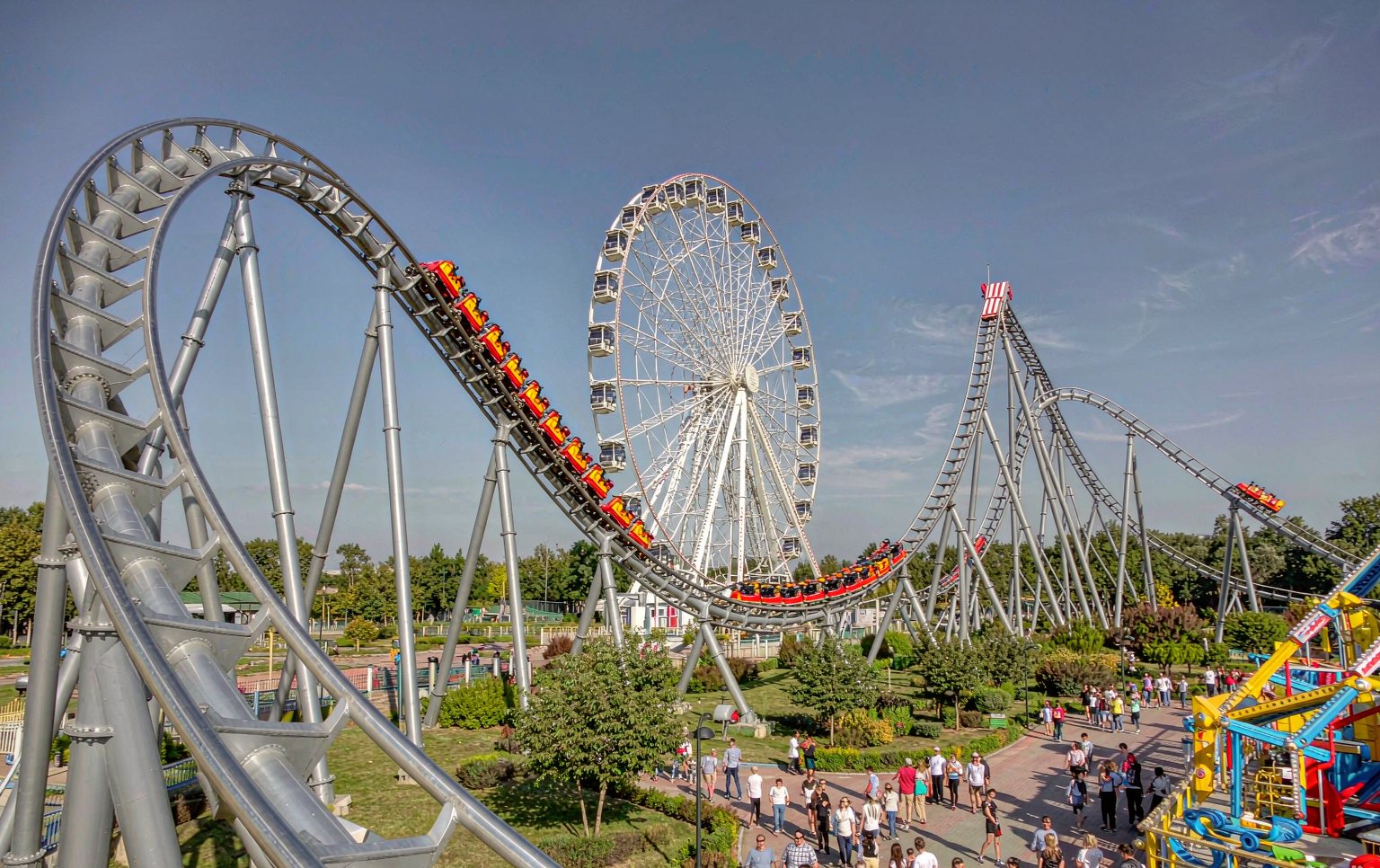
Track geometry determines the forces experienced by riders. Engineers carefully calculate the curvature of turns, the steepness of drops, and the transitions between elements to create smooth, exhilarating experiences. Poorly designed transitions can cause uncomfortable lateral forces, while well-designed elements create the sensation of weightlessness or intense positive G-forces.
Structural Engineering
Roller coasters are large structures that must withstand dynamic loads, wind forces, seismic activity, and decades of repeated use. Structural engineers design support systems that distribute loads efficiently while minimizing material usage and visual impact.
Train Design
The ride vehicle, or train, is the interface between the attraction and the guest. Roller coaster manufacturers invest heavily in train design, developing seating configurations, restraint systems, and suspension mechanisms that maximize comfort and safety while enhancing the ride experience.
Propulsion Systems
Modern coasters use a variety of propulsion methods. Traditional chain lifts remain common, but linear induction motors, linear synchronous motors, hydraulic launches, and pneumatic systems enable faster acceleration and more dynamic ride profiles.
Braking Systems
Precise braking is essential for safety and operational efficiency. Magnetic braking systems, friction brakes, and trim brakes allow operators to control train speeds with accuracy. Advanced braking systems can adjust stopping distances based on train weight and weather conditions.
How Roller Coaster Manufacturers Develop New Attractions
The process of creating a new roller coaster involves multiple phases, from initial concept to final installation.
Concept Development
The development process begins with understanding the client’s needs. Park operators define their target audience, available space, budget parameters, and desired ride experience. Roller coaster manufacturers translate these requirements into preliminary concepts that balance ambition with feasibility.
Computer Simulation
Before any physical construction begins, engineers use sophisticated software to simulate ride dynamics. These simulations model train speed, G-forces, structural loads, and braking performance. Iterative refinement ensures that the final design meets safety standards and delivers the intended experience.
Prototyping and Testing
Critical components undergo rigorous testing. Restraint systems are tested under extreme conditions. Track sections are fabricated and inspected for dimensional accuracy. Control systems are validated through extensive software testing.
Manufacturing and Fabrication
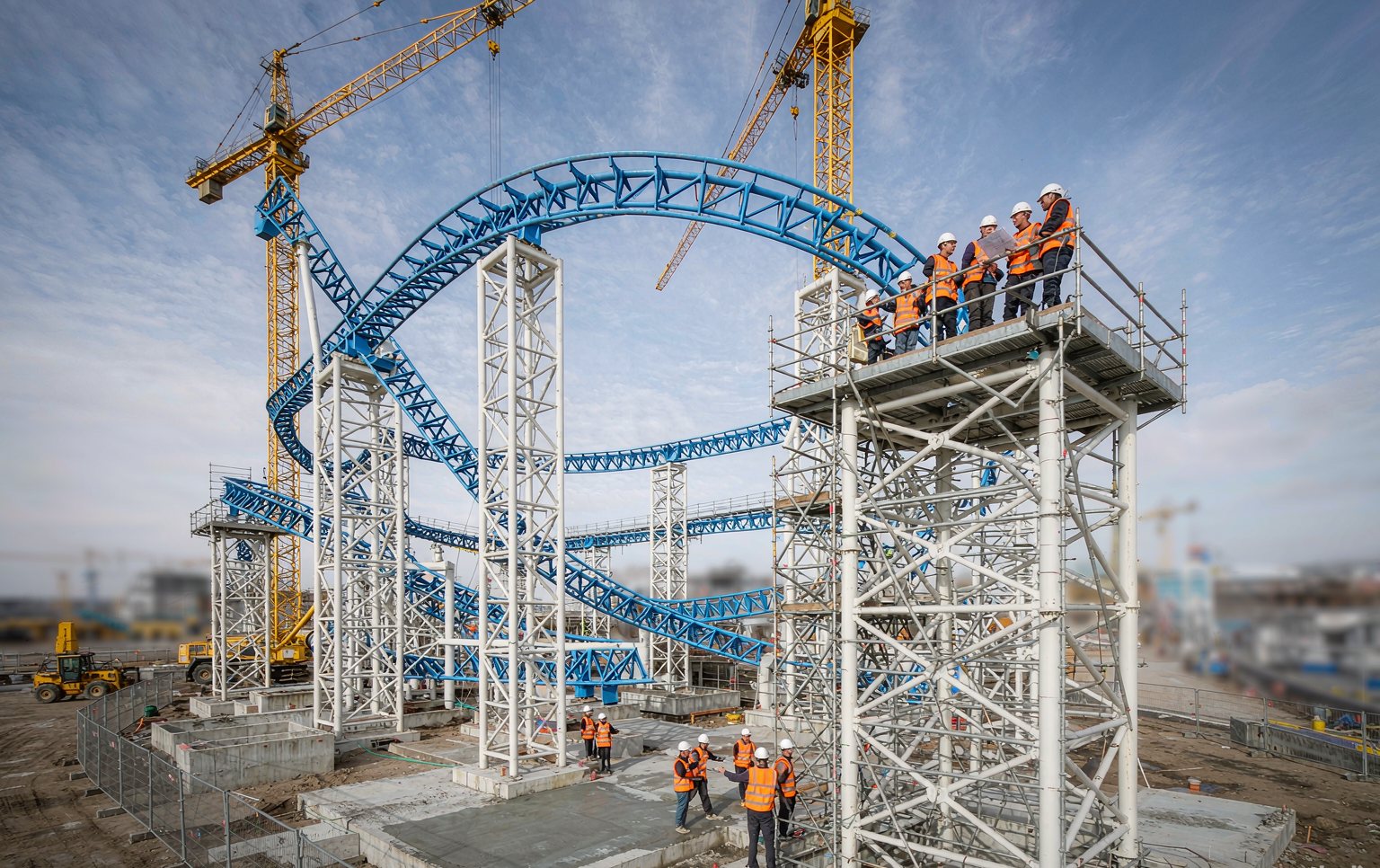
Once the design is finalized, manufacturing begins. Track sections are fabricated from steel using precision welding and machining. Support structures are cut, shaped, and prepared for shipment. Roller coaster manufacturers maintain strict quality control throughout the fabrication process.
Installation and Commissioning
Installation requires specialized crews with expertise in structural assembly, track alignment, and systems integration. After construction is complete, extensive testing validates that every aspect of the attraction performs as designed.
Factors Parks Consider When Choosing a Manufacturer
Selecting the right roller coaster manufacturers is a strategic decision that affects a park’s competitiveness for years to come.
Ride Experience
The quality of the ride experience is paramount. Smooth transitions, well-paced elements, and comfortable restraints create positive guest impressions. Parks evaluate manufacturer portfolios to assess the quality of their existing installations.
Reliability and Uptime
An attraction that is frequently down for maintenance generates guest dissatisfaction and lost revenue. Parks prefer manufacturers with proven track records of reliability and responsive technical support.
Maintenance Requirements
Different designs have different maintenance profiles. Some coasters require frequent inspection of complex mechanical systems, while others are designed for ease of maintenance. Roller coaster manufacturers that prioritize maintainability help operators reduce long-term costs.
Capacity and Throughput
Ride capacity directly impacts guest satisfaction. Manufacturers design trains and dispatch systems to achieve specific hourly throughput targets. Parks with high attendance need high-capacity attractions.
Cost and Value
Budget constraints are always a consideration. However, the lowest initial cost does not always represent the best value. Parks evaluate total cost of ownership, including installation, maintenance, spare parts, and operational staffing requirements.
Emerging Trends Among Roller Coaster Manufacturers
The industry continues to evolve, driven by technological innovation and changing guest expectations.
Hybrid Coasters
Manufacturers are combining traditional wooden support structures with modern steel track systems. These hybrid coasters deliver the classic visual appeal of wooden coasters with the smoothness, intensity, and design flexibility of steel track.
Multi-Launch Systems
Instead of a single lift hill, some modern coasters feature multiple launches throughout the ride. This approach creates dynamic pacing and allows for more creative track layouts.
Interactive Elements
Some manufacturers are incorporating interactive features into coaster experiences. On-ride scoring, augmented reality overlays, and synchronized multimedia effects add layers of engagement beyond physical forces.
Compact and Modular Designs
Urban entertainment venues and smaller parks are driving demand for compact coasters that deliver big experiences in limited footprints. Modular designs allow parks to expand or reconfigure attractions as needs change.
Sustainability Initiatives
Energy-efficient drive systems, regenerative braking, LED lighting, and sustainable manufacturing practices are becoming more common among roller coaster manufacturers. These initiatives reduce environmental impact while lowering operating costs.
Final Thoughts
Roller coaster manufacturers play a vital role in the themed entertainment industry. Their engineering expertise, creative vision, and commitment to safety enable parks around the world to deliver unforgettable experiences to millions of guests.
For park operators, understanding the capabilities, reputations, and design philosophies of different manufacturers is essential for making smart investment decisions. As technology continues to advance and guest expectations continue to evolve, the industry’s leading manufacturers will remain at the forefront of innovation, pushing the boundaries of what is possible in roller coaster design.