Water parks have grown from simple swimming pools with slides into sophisticated aquatic entertainment destinations. At the heart of every successful water park lies carefully selected water park equipment that balances thrill, safety, capacity, and guest appeal. From towering multi-lane racing slides to gentle lazy rivers and interactive children’s play structures, the right combination of attractions determines whether guests return year after year.
For operators, developers, and investors, understanding the landscape of water park equipment is essential for building compelling aquatic destinations. The selection process involves evaluating ride types, safety standards, water treatment systems, capacity requirements, and long-term maintenance considerations. In this article, we will explore the major categories of water park equipment, the factors that influence purchasing decisions, and best practices for creating successful water park environments.
Types of Water Park Equipment
The variety of water park equipment available today spans a wide range of experiences designed for different age groups, thrill levels, and operational needs.
Water Slides
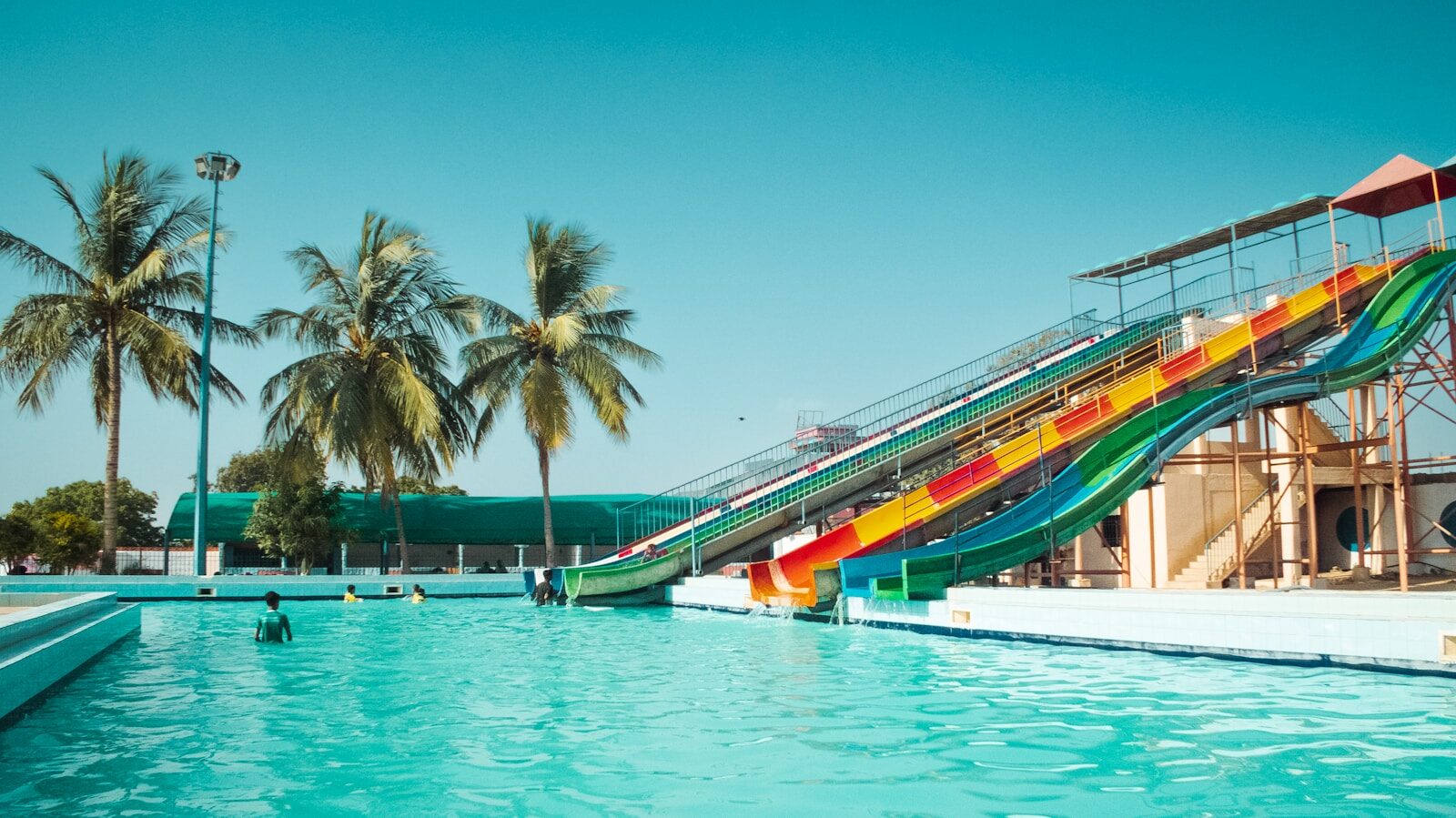
Water slides are the signature attractions of most water parks. They range from gentle family slides to extreme body slides with near-vertical drops. Modern slide manufacturers offer enclosed tubes, open flumes, multi-lane racing configurations, and aqua coasters that combine water flow with mechanical propulsion.
Wave Pools
Wave pools simulate ocean waves in a controlled environment. They range from small recreational pools to massive installations that generate waves exceeding six feet in height. Wave pools serve as central gathering areas and provide entertainment for large numbers of guests simultaneously.
Lazy Rivers
Lazy rivers offer a relaxing floating experience that appeals to guests of all ages. Modern lazy rivers incorporate themed environments, gentle currents, wave sections, and interactive elements that add variety to the experience.
Children’s Play Structures
Dedicated children’s areas feature age-appropriate water park equipment designed for safety and developmental engagement. Multi-level play structures, small slides, water cannons, tipping buckets, and splash pads create safe environments where young guests can explore and play.
Interactive Water Features
Interactive attractions allow guests to influence their experience. Water cannons, spray features, motion-activated fountains, and gamified elements encourage participation and extend dwell time.
Flow Rides
Flow rides simulate the experience of surfing or bodyboarding on a continuous sheet of flowing water. These attractions appeal to adventure-seeking guests and add a unique dimension to the water park experience.
Safety Standards and Compliance
Safety is the foundation of every water park operation. Water park equipment must meet rigorous standards to protect guests from injury.
Design Standards
Equipment manufacturers design attractions according to recognized engineering standards that address structural integrity, water flow rates, fall heights, and impact zones. Proper design minimizes the risk of injury during normal operation.
Water Quality Management
Water treatment systems maintain safe chemical balance and clarity throughout the park. Filtration, circulation, disinfection, and monitoring systems work together to prevent waterborne illness and ensure guest comfort.
Lifeguard Coverage
Every water attraction requires appropriate lifeguard coverage. Water park equipment design should provide clear sightlines that enable lifeguards to monitor guest activity effectively.
Signage and Guest Communication
Clear signage communicates height requirements, health restrictions, proper riding positions, and behavioral expectations. Well-designed guest communication reduces confusion and prevents unsafe behavior.
Emergency Procedures
Parks must establish emergency response protocols for every attraction. Staff training, rescue equipment, first-aid stations, and communication systems ensure that incidents are handled promptly and professionally.
Design Considerations for Water Park Equipment
Selecting the right water park equipment involves balancing multiple design considerations that affect both guest experience and operational performance.
Guest Demographics
The target audience should drive equipment selection. Family-oriented parks prioritize gentle attractions, children’s play areas, and multi-generational experiences. Parks targeting young adults may emphasize extreme slides, flow rides, and high-thrill attractions.
Capacity and Throughput
Water attractions vary significantly in their hourly capacity. Multi-lane slides can process large numbers of guests, while complex attractions may have lower throughput. Operators must balance attraction selection with expected attendance to minimize wait times.
Footprint and Space Planning
Water parks require careful space planning. Water park equipment must be arranged to optimize guest flow, provide adequate shade, accommodate queue areas, and maintain safe separation between attractions.
Climate Considerations
Climate affects water park operations. Parks in warm climates can operate year-round with minimal heating. Parks in cooler regions may need heated pools, covered attractions, or seasonal operating schedules.
Budget and Total Cost of Ownership
The purchase price of water park equipment represents only part of the total investment. Installation, water treatment infrastructure, ongoing maintenance, chemical costs, staffing, and insurance all contribute to long-term operating expenses.
Water Treatment and Circulation Systems
Behind every water attraction lies a sophisticated system of pumps, filters, and treatment equipment that keeps water clean and safe.
Filtration Systems
Filtration removes particulate matter from recirculated water. Sand filters, diatomaceous earth filters, and cartridge filters each offer different performance characteristics. Proper filtration maintains water clarity and reduces chemical demand.
Disinfection Systems
Chlorine, bromine, UV treatment, and ozone systems work together to eliminate harmful microorganisms. Modern water park equipment installations often combine multiple disinfection methods to achieve optimal water quality.
Circulation and Flow Management
Pumps and piping systems maintain consistent water flow throughout the park. Proper circulation prevents stagnation, ensures even chemical distribution, and supports the operational requirements of slides, wave pools, and lazy rivers.
Water Conservation
Water parks consume significant volumes of water. Evaporation, splash-out, and backwash discharge all contribute to water loss. Water-efficient designs, splash recovery systems, and responsible operational practices help minimize consumption.
Emerging Trends in Water Park Equipment
The water park industry continues to evolve, driven by guest expectations and technological innovation.
Aqua Coasters
Aqua coasters combine traditional water slide experiences with mechanical propulsion systems. These attractions can propel rafts uphill, creating dynamic ride profiles that go beyond gravity-fed designs.
Immersive Theming
Water parks are increasingly incorporating themed environments that create narrative-driven experiences. Themed queue areas, immersive lighting, audio systems, and scenic elements elevate the guest experience beyond simple slides and pools.
Interactive Technology
Gamified experiences, on-ride scoring, interactive projections, and mobile app integration add layers of engagement. Guests can compete for high scores, unlock achievements, and share their experiences on social media.
Sustainable Design
Energy-efficient pumps, solar heating systems, water recycling, and sustainable construction materials are becoming standard features in modern water park design. These practices reduce environmental impact while lowering operating costs.
Hybrid Attractions
Some parks are combining water attractions with other entertainment elements. Slides that pass through dark ride environments, wave pools with synchronized multimedia shows, and lazy rivers with themed scenes represent the convergence of water park and theme park design.
Final Thoughts
Selecting the right water park equipment is a strategic decision that shapes every aspect of a water park’s success. From guest satisfaction and safety compliance to operational efficiency and long-term profitability, the choices operators make during the planning process have lasting consequences.
By understanding the available options, evaluating total cost of ownership, prioritizing safety, and staying informed about industry trends, water park operators can create aquatic destinations that delight guests, generate strong returns, and build lasting competitive advantages in an increasingly competitive market.