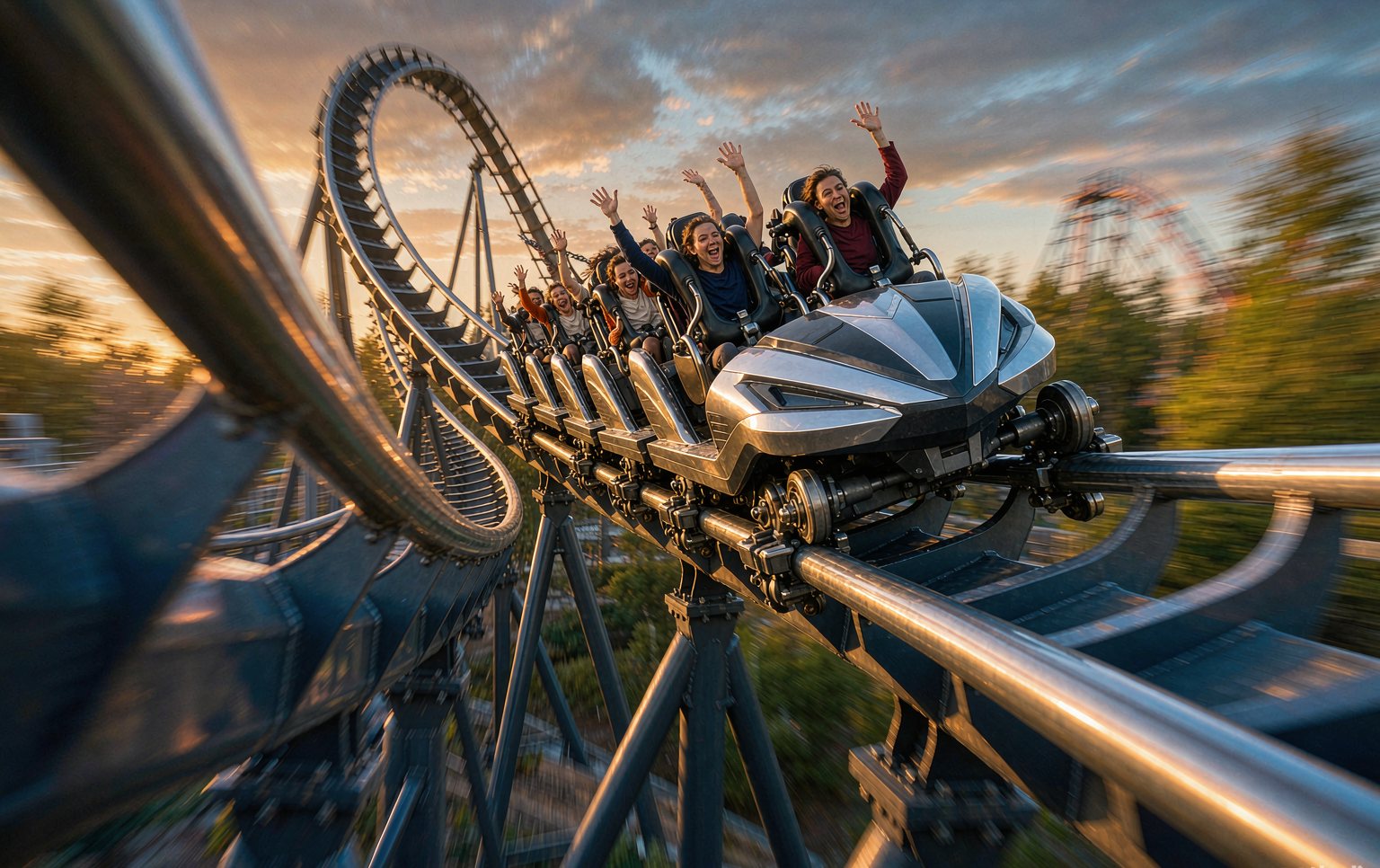

Great amusement park design is where imagination meets engineering. It is the discipline of creating environments that captivate guests, generate emotional connections, and deliver seamless operational performance. From the moment a visitor enters the gate to the final farewell as they leave, every detail of the experience is shaped by intentional design decisions.
Amusement park design encompasses far more than selecting rides and placing them on a map. It involves spatial planning, narrative storytelling, guest psychology, landscape architecture, technology integration, and operational strategy. In this article, we will explore the principles that guide effective amusement park design and the elements that separate memorable parks from forgettable ones.
The Role of Storytelling in Amusement Park Design
The most successful parks in the world share a common trait: they tell stories. Amusement park design uses narrative as a structural framework, organizing the guest experience around themes, characters, and emotional arcs.
A well-designed park does not simply place a roller coaster next to a Ferris wheel. It creates a world. A pirate-themed land might feature a harbor entrance, weathered wooden buildings, hidden treasure maps, ambient soundscapes, and a water-based dark ride that carries guests through a swashbuckling adventure. Every element reinforces the story.
Storytelling in amusement park design operates on multiple levels. Visual theming creates immediate atmosphere. Audio design adds emotional depth. Interactive elements invite participation. And operational details, from staff costumes to menu offerings, maintain the illusion.
Master Planning and Spatial Layout
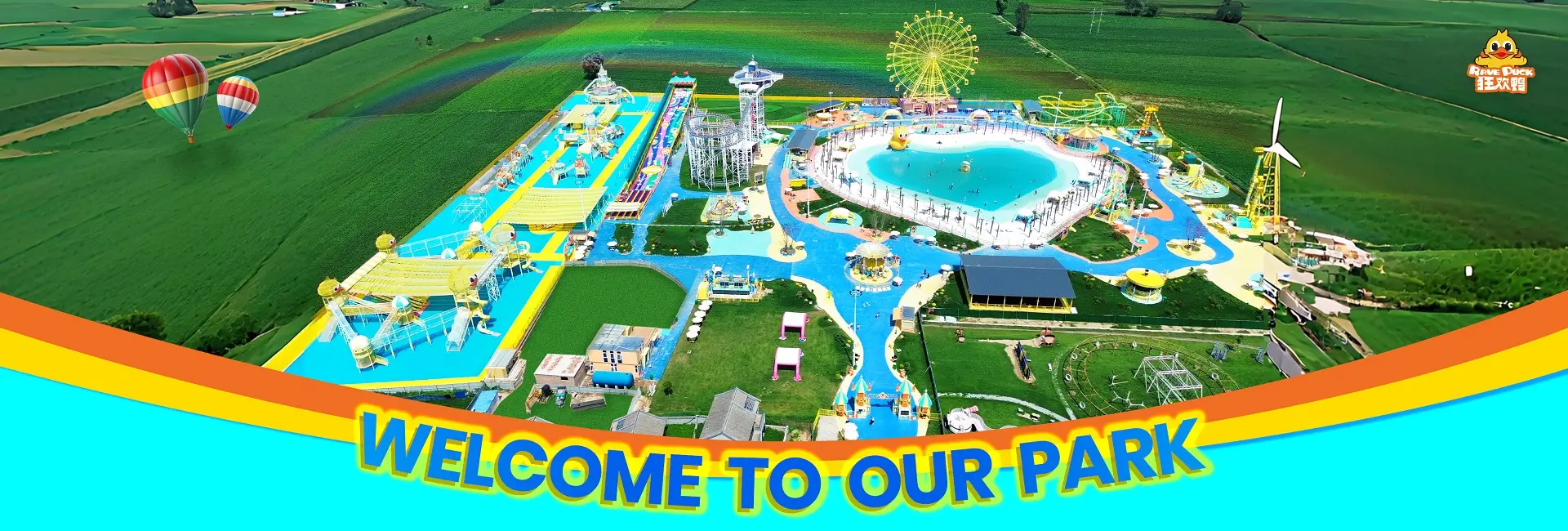
The foundation of effective amusement park design is a well-considered master plan. This document establishes the physical organization of the park and guides every subsequent design decision.
Guest Flow
Understanding how guests move through a park is essential. Well-designed pathways create natural circulation patterns that distribute crowds evenly, reduce congestion, and guide visitors toward underutilized areas. Strategic placement of anchor attractions draws guests deeper into the park.
Sightlines
Visual sightlines create anticipation and curiosity. A towering roller coaster visible from the entrance generates excitement. A mysterious castle in the distance invites exploration. Thoughtful amusement park design uses sightlines as a psychological tool to shape guest behavior.
Themed Land Organization
Themed lands should feel distinct yet connected. Transitions between areas should be gradual and intentional, using architectural elements, landscaping, and audio cues to signal changes in atmosphere. Abrupt transitions break immersion and diminish the guest experience.
Back-of-House Integration
Guests should never see the backstage infrastructure that supports park operations. Amusement park design conceals maintenance facilities, loading docks, employee areas, and utility systems behind themed facades, berms, and landscaping.
Ride Selection and Placement
The ride lineup is the heart of any park, and amusement park design determines how attractions are organized for maximum impact.
Anchor Attractions
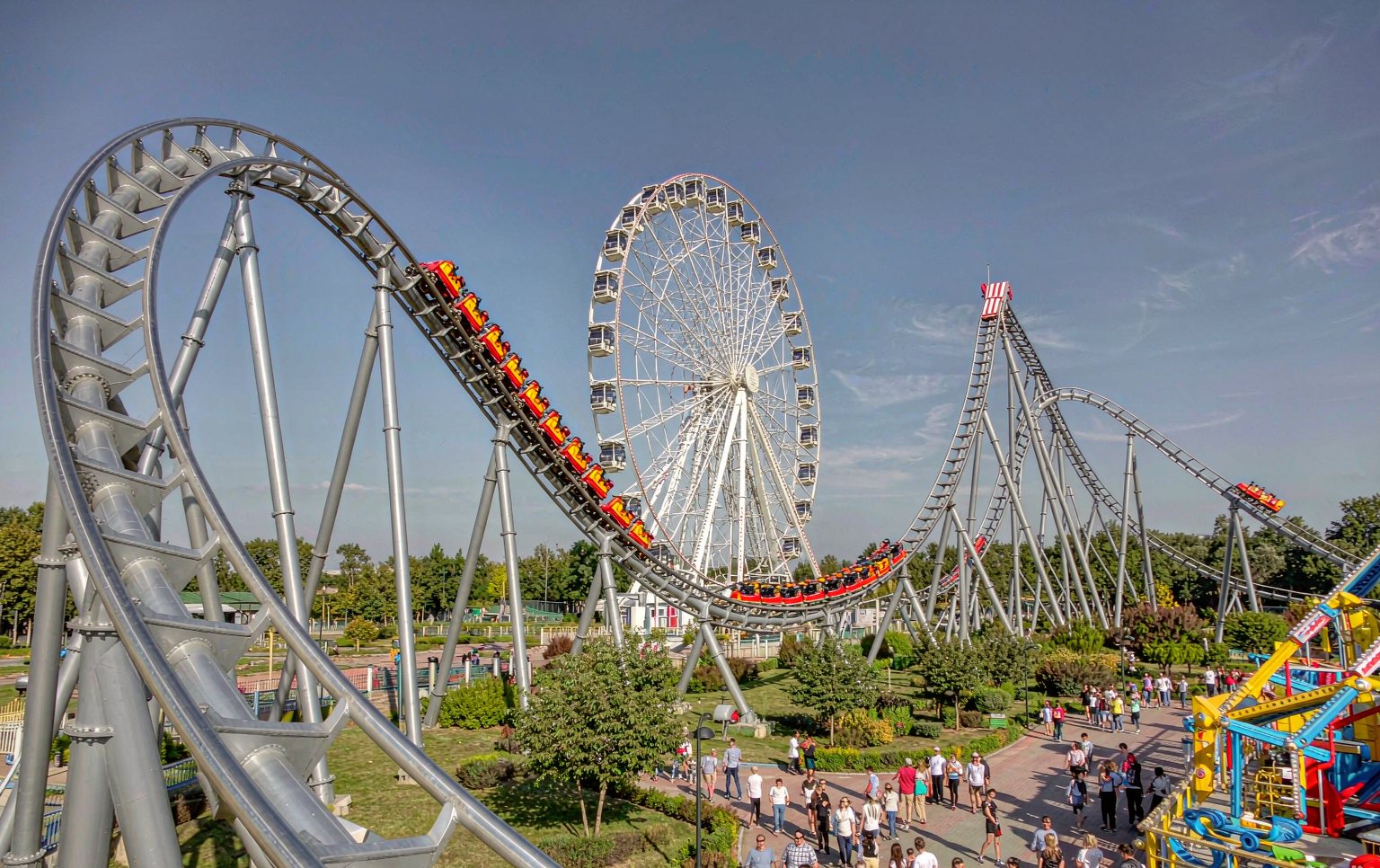
Every park needs headline attractions that generate excitement and drive attendance. These rides serve as visual landmarks and marketing focal points. Their placement within the park influences guest flow and exploration patterns.
Ride Diversity
A balanced mix of thrill levels ensures broad appeal. High-intensity coasters attract enthusiasts, while family rides, dark rides, and gentle attractions serve younger guests and casual visitors. Amusement park design teams carefully curate the lineup to avoid redundancy and ensure variety.
Capacity Planning
Ride capacity directly affects guest satisfaction. Attractions with high hourly throughput reduce wait times and improve the overall experience. Designers must balance ride selection with expected attendance to ensure adequate capacity throughout the park.
Queue Design
Waiting is inevitable, but well-designed queues minimize frustration. Themed queue environments, interactive elements, shade structures, and entertainment keep guests engaged while they wait. Queue design is an integral part of amusement park design that should never be treated as an afterthought.
Landscape Architecture and Environmental Design
The physical environment of a park shapes the guest experience in profound ways. Amusement park design leverages landscape architecture to create beauty, comfort, and immersion.
Shade and Comfort
Guests spend entire days walking through parks. Shade structures, covered walkways, misting stations, and strategically placed trees provide relief from sun and heat. Comfortable guests stay longer and spend more.
Water Features
Fountains, reflecting pools, waterfalls, and interactive splash areas add visual interest and cooling effects. Water features also create ambient soundscapes that enhance the immersive quality of themed environments.
Plantings and Greenery
Thoughtful plant selection reinforces themed environments while providing natural beauty. Tropical plants create lush jungle atmospheres. Native species connect parks to their regional identity. Seasonal plantings add visual variety throughout the year.
Lighting Design
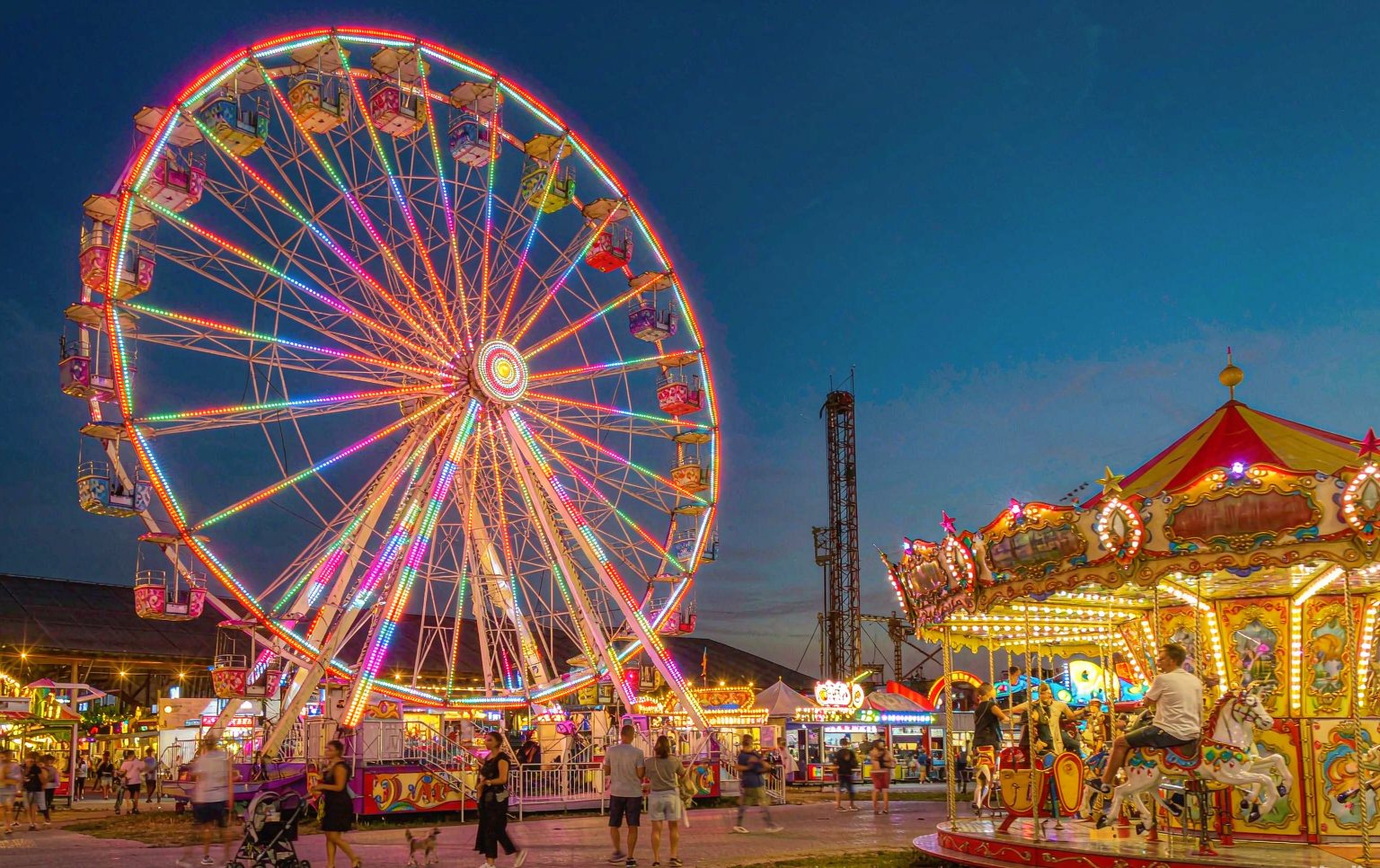
Lighting transforms a park after dark. Pathway lighting ensures safety and wayfinding. Architectural lighting highlights themed structures. Atmospheric lighting creates mood and drama. Amusement park design uses lighting as a powerful storytelling tool.
Technology Integration
Modern amusement park design relies heavily on technology to enhance both the guest experience and operational efficiency.
Immersive Media
Projection mapping, augmented reality, and interactive screens create dynamic environments that respond to guest presence. These technologies add layers of storytelling that physical theming alone cannot achieve.
Mobile Integration
Park apps provide real-time wait times, interactive maps, mobile ordering, and virtual queue access. These tools empower guests to plan their visits efficiently while generating valuable operational data.
Sensory Design
Sound, scent, temperature, and tactile elements all contribute to immersion. Amusement park design teams coordinate multiple sensory channels to create environments that feel alive and authentic.
Operational Considerations in Design
Beautiful design means nothing if it does not function well operationally. Amusement park design must balance aesthetics with practical performance.
Maintenance Access
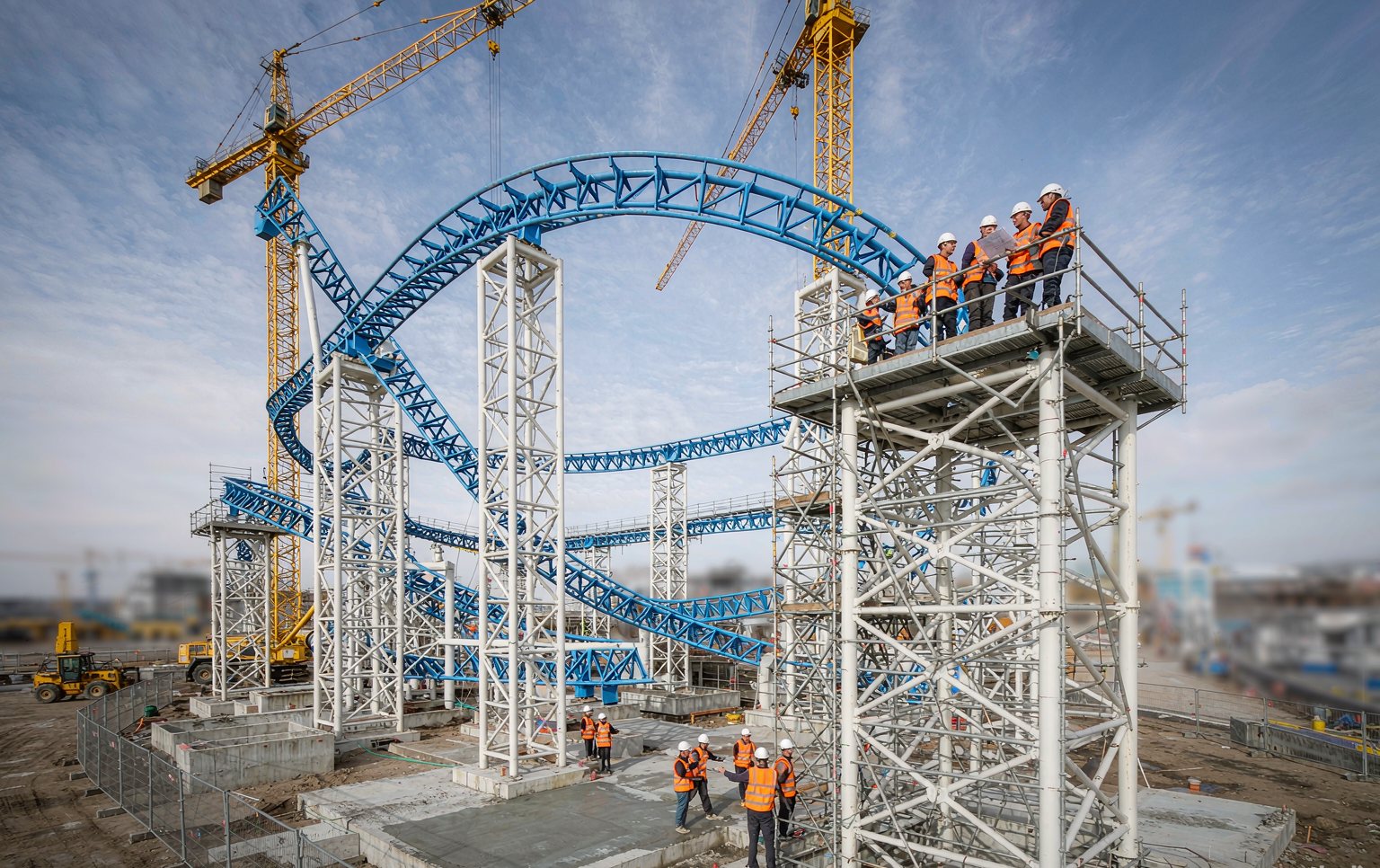
Every attraction and themed element requires ongoing maintenance. Designers must provide adequate access for inspection, repair, and replacement without compromising the guest experience.
Staff Efficiency
Ride operators, food service workers, custodial staff, and security personnel all need functional workspaces. Well-designed back-of-house areas improve staff performance and job satisfaction.
Emergency Preparedness
Evacuation routes, emergency access points, first-aid stations, and crowd management infrastructure must be integrated into the design from the earliest planning stages.
Scalability
Parks evolve over time. Effective amusement park design anticipates future expansion, allowing new attractions, lands, and infrastructure to be added without disrupting existing operations.
Final Thoughts
Amusement park design is a discipline that demands equal parts creativity and technical expertise. It requires the ability to imagine extraordinary worlds while engineering them to function flawlessly at scale.
The most successful parks are those where every element, from the grandest roller coaster to the smallest landscape detail, serves the larger story. When design, engineering, and operations work in harmony, the result is an experience that guests remember for a lifetime.