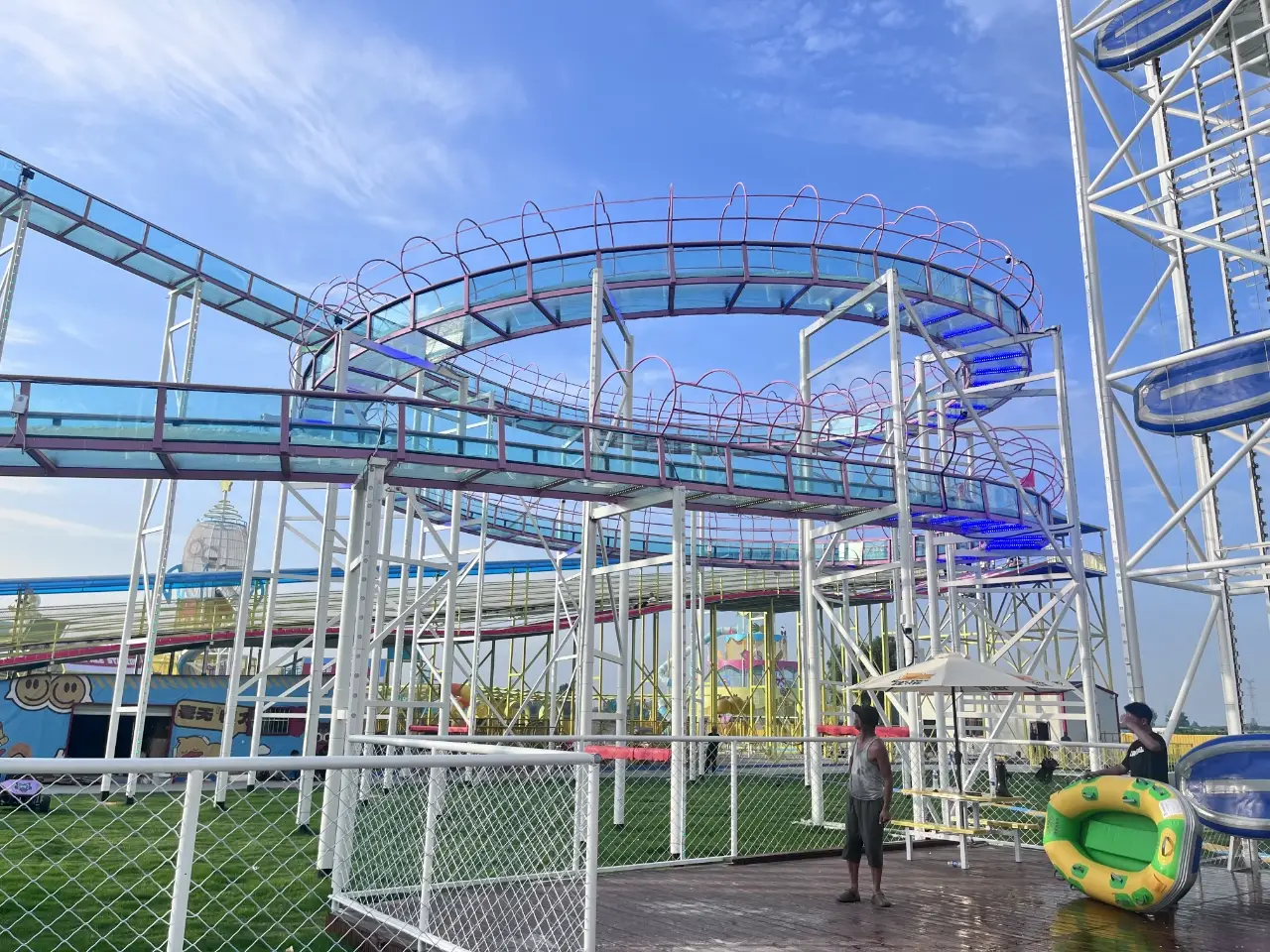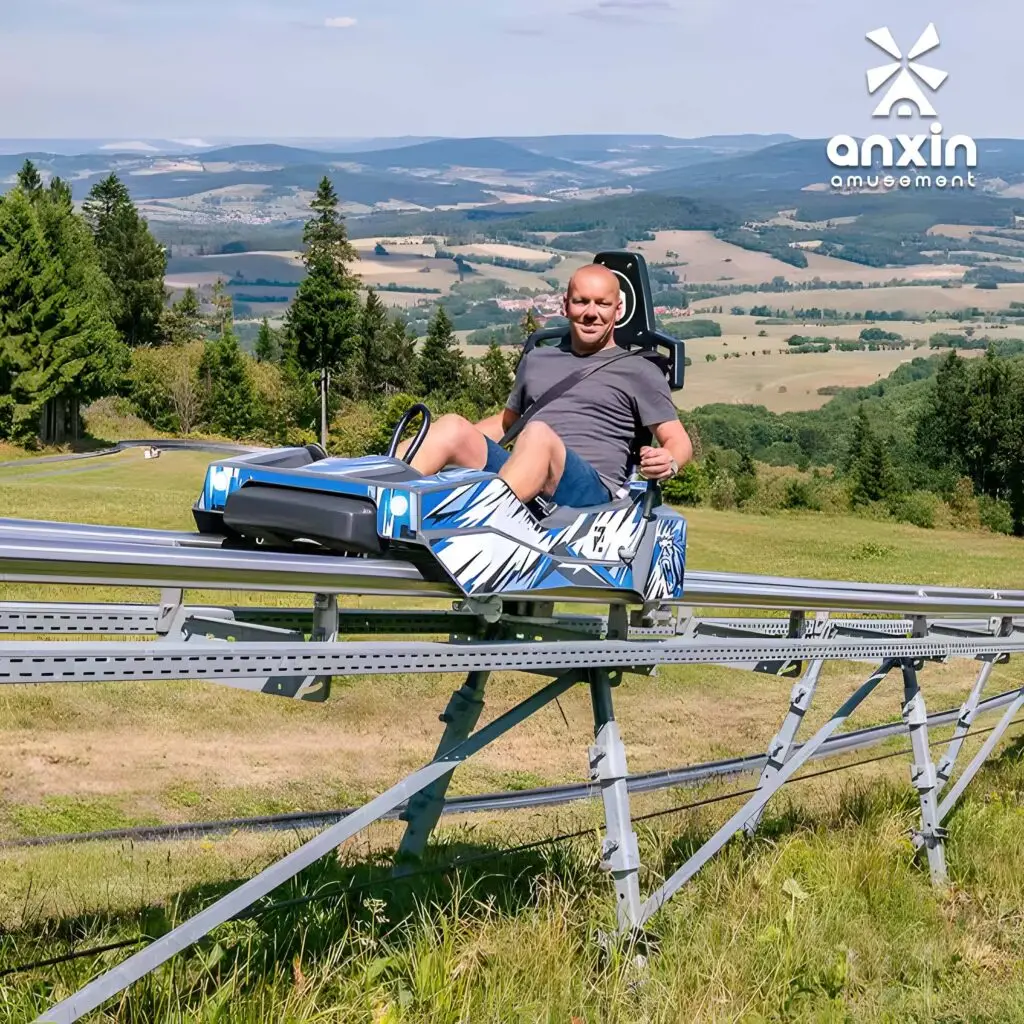
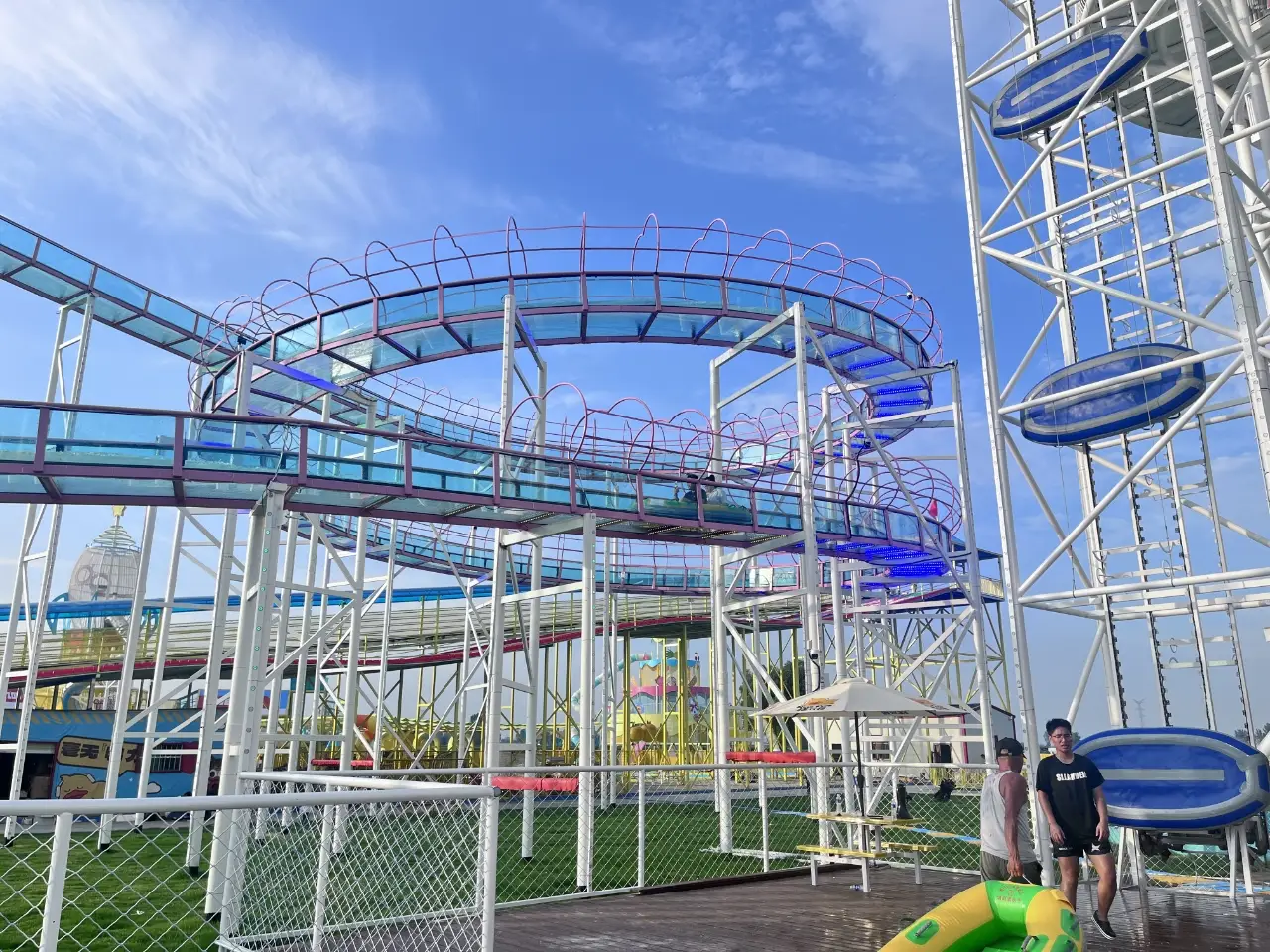
Ultimate Thrill Glass Observation Tower With Slide | High-Altitude Transparent Sky Slide & Panoramic Viewing Platform
Redefine the boundaries of adventure tourism with our Ultimate Thrill Glass Observation Tower With Slide. Designed specifically for adrenaline junkies and thrill-seekers, this architectural marvel combines the serene beauty of a panoramic observation deck with the heart-pounding excitement of a high-altitude transparent slide. As visitors ascend to the top of the tower, they are greeted with unobstructed, 360-degree views of the surrounding landscape. The true spectacle, however, begins on the...
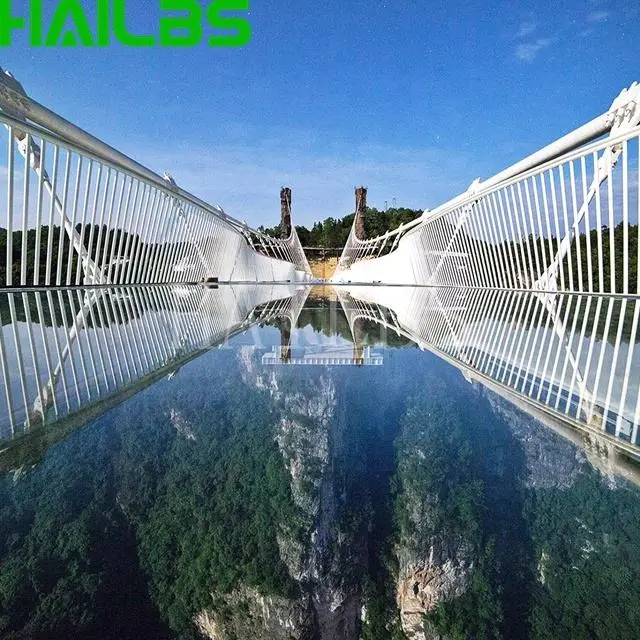
Luxury Resort Glass Skywalk | Premium Transparent Observation Bridge & Exclusive Crossing
Redefine luxury hospitality with our Exclusive Glass Observation Bridge. Designed for high-end resorts, boutique hotels, and premium commercial venues, this transparent crossing transforms ordinary pathways into extraordinary, photogenic destinations. Offering a perfect blend of exclusivity, breathtaking views, and premium aesthetics.
Scenic Nature Immersion Glass Bridge | Eco-Friendly Canyon Skywalk & Viewing Bridge
Immerse your visitors in the raw beauty of nature with our Scenic Nature Immersion Glass Bridge. Specifically engineered for challenging outdoor environments like deep canyons and lush forests, this transparent crossing removes visual barriers, offering a seamless, breathtaking connection to the natural world below.
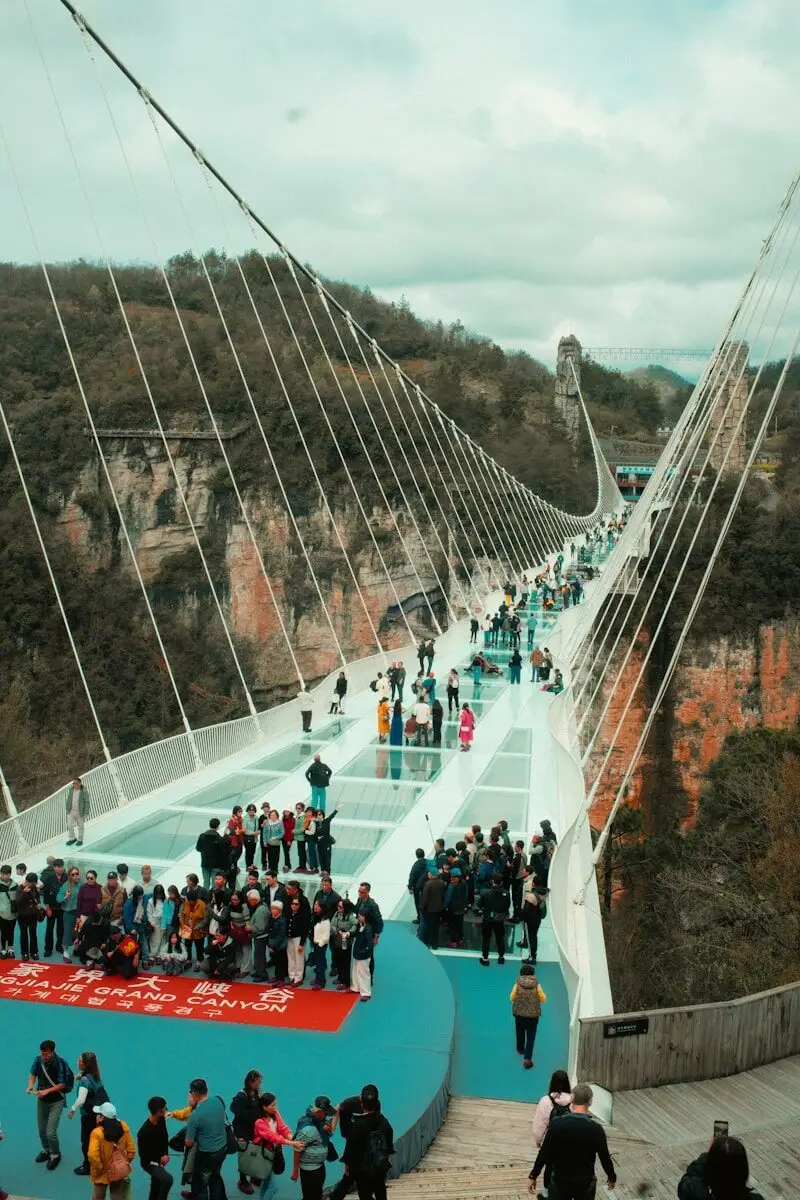
Architectural Landmark & Engineering (B2B Municipal/Commercial)
Redefine urban connectivity with our Iconic Architectural Glass Bridge. More than just a crossing, this structural glazing landmark serves as a modern civic masterpiece. Blending visionary aesthetics with rigorous engineering, our transparent skywalks seamlessly integrate into cityscapes, creating iconic destinations that celebrate modern architectural design.
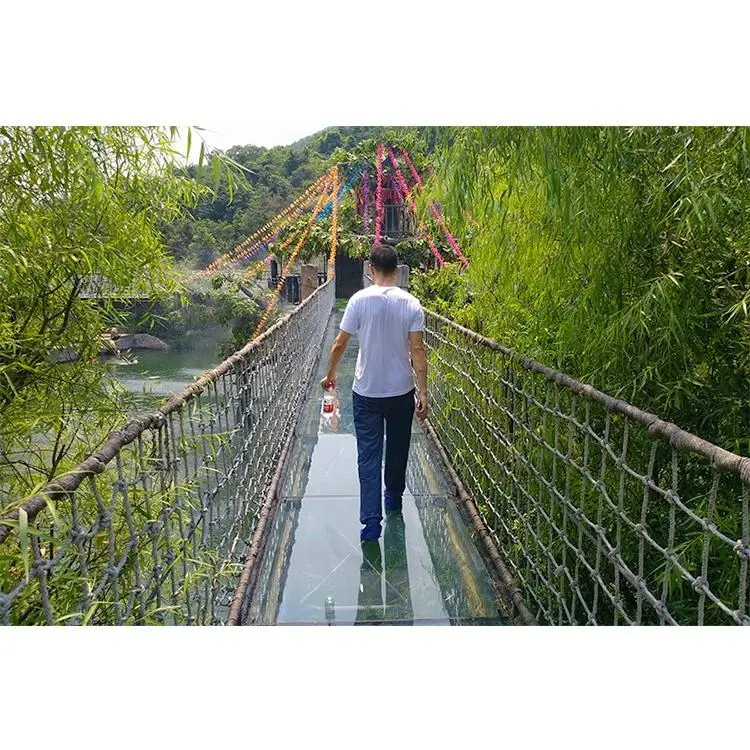
Ultimate Thrill Glass Bridge | Suspended Skywalk & Transparent Suspension Walkway
Step into the void and conquer your fears with our Thrilling Glass Bridge. Designed for adventure seekers and thrill-seekers, this transparent suspension walkway offers an unparalleled adrenaline rush as you walk on air high above stunning landscapes. Engineered for maximum excitement and uncompromising safety, it is the ultimate attraction for adrenaline junkies.
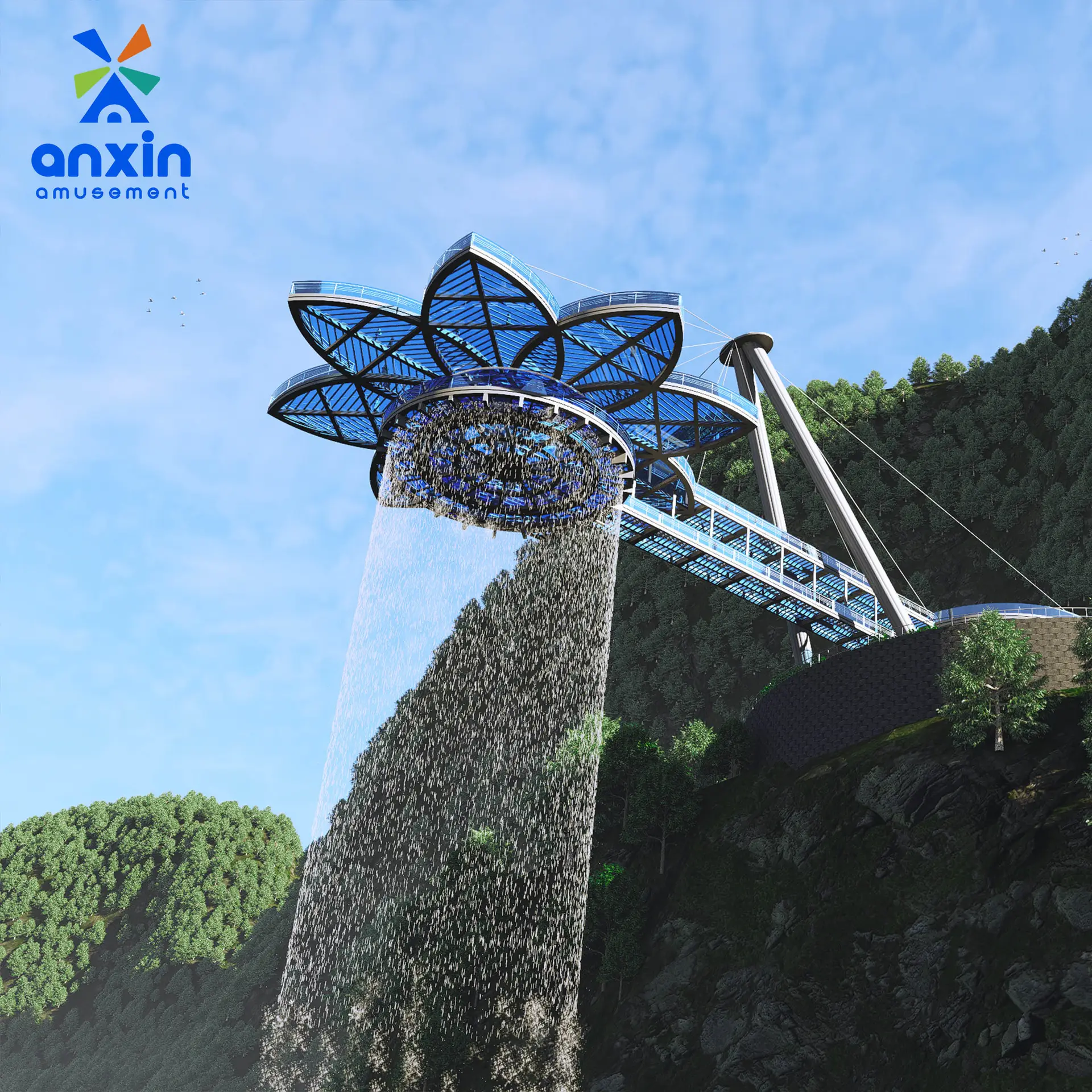
Luxury Glass Terrace & Resort Sky Deck | Premium Transparent Viewing Solutions for Hotels & Commercial Venues
Redefine luxury hospitality and premium retail with our exclusive Glass Terraces. Designed for high-end resorts, boutique hotels, and commercial rooftops, these transparent platforms transform underutilized spaces into high-value, photogenic destinations. Offering a perfect blend of exclusivity, breathtaking views, and premium aesthetics, our glass decks are proven to elevate guest experiences and drive significant commercial foot traffic.
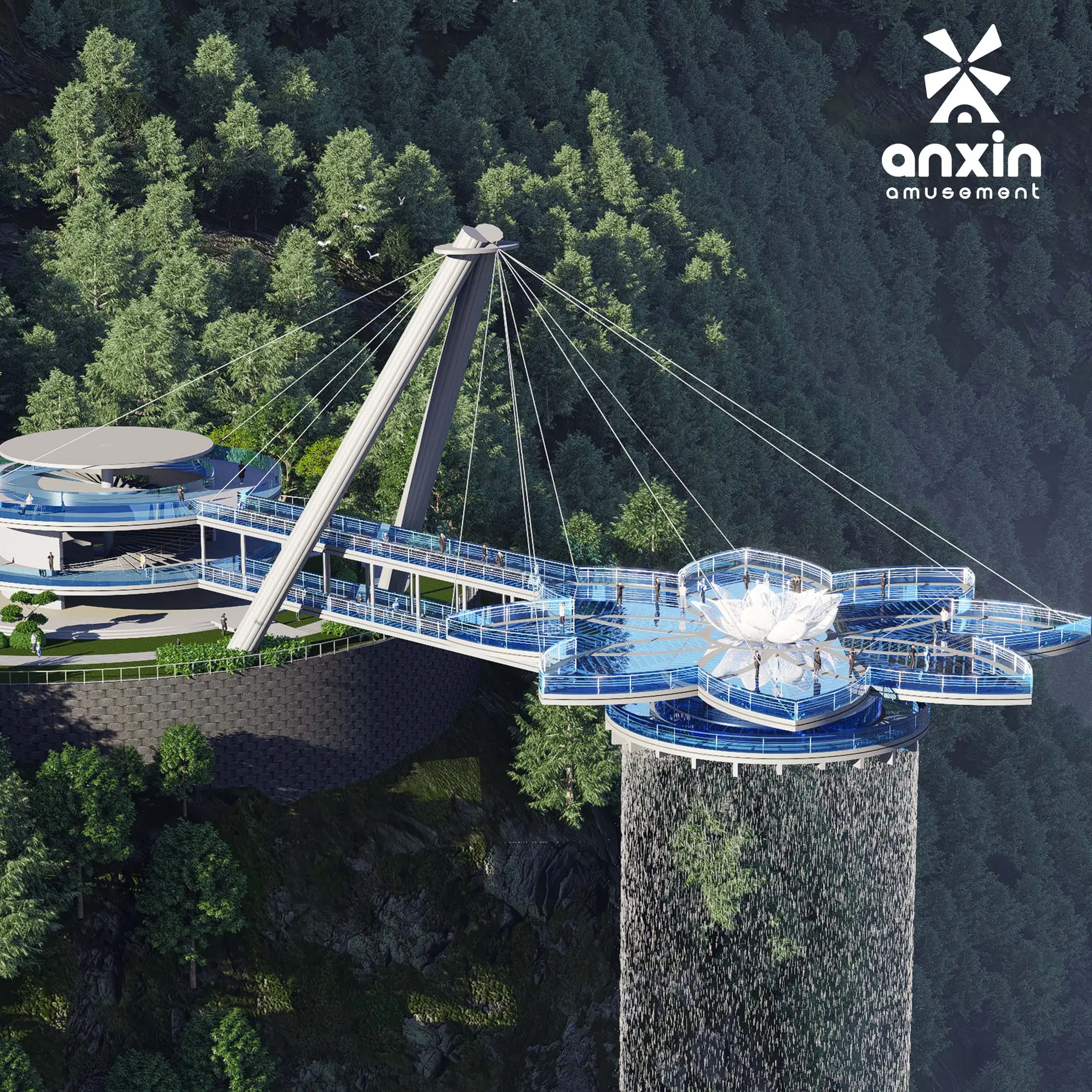
Scenic Glass Skywalk & Nature Observation Deck | Outdoor Panoramic Viewing Platform for Mountains & Canyons
Immerse your visitors in the raw beauty of nature with our Scenic Glass Skywalks. Specifically engineered for challenging outdoor environments like mountain peaks, deep canyons, and national parks, these transparent platforms offer a thrilling, unobstructed connection to the natural world. Combining adventure-driven design with extreme-weather durability, our decks turn scenic spots into unforgettable, adrenaline-fueled destinations.
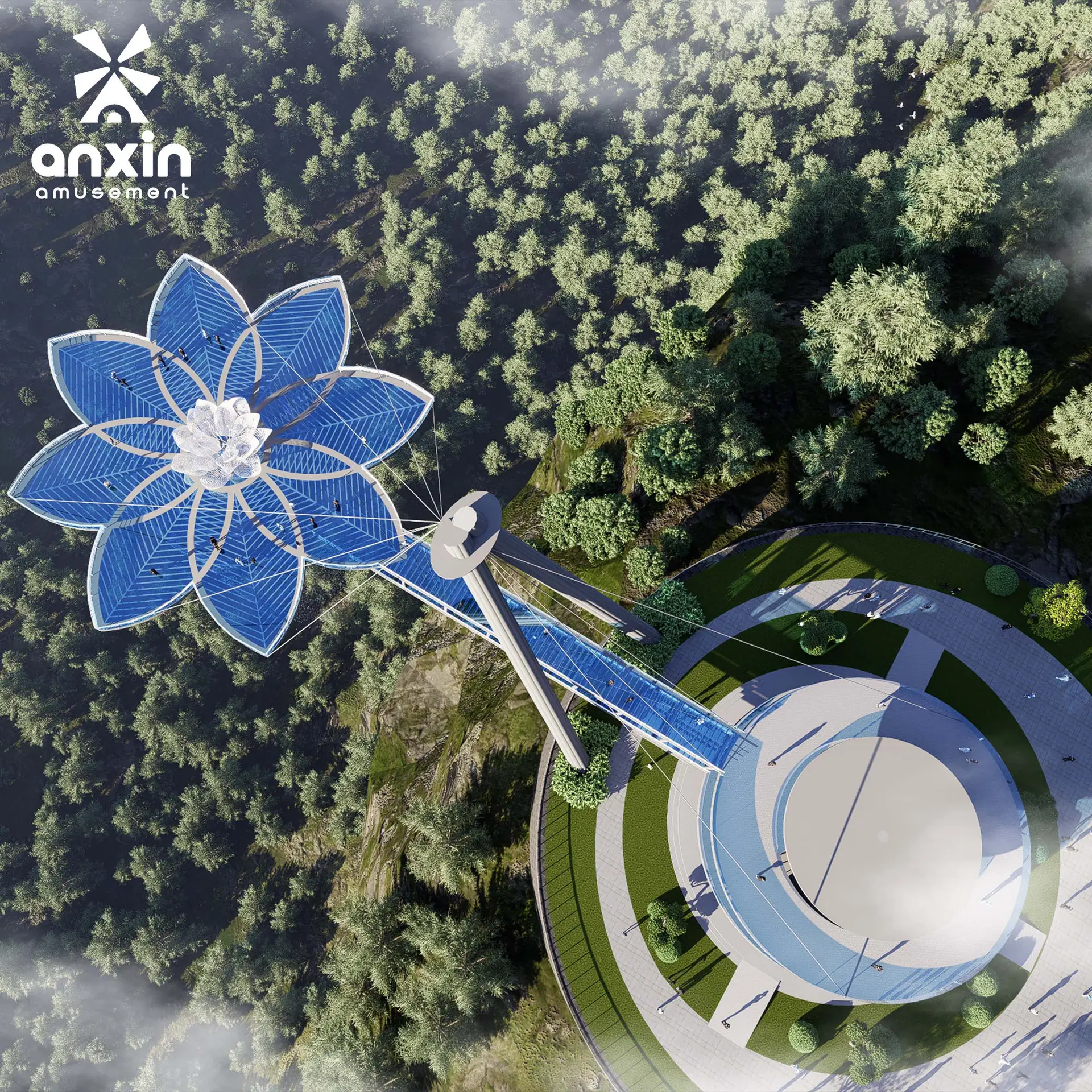
Architectural Structural Glass Observation Deck | Custom Urban Landmark & Transparent Viewing Terrace Solutions
Elevate your urban development with our Architectural Structural Glass Observation Decks. Designed as modern civic landmarks, these transparent platforms seamlessly integrate into high-rise buildings, commercial plazas, and cultural centers. By merging visionary structural glazing with uncompromising safety standards, we create breathtaking architectural statements that maximize natural light and redefine modern cityscapes.