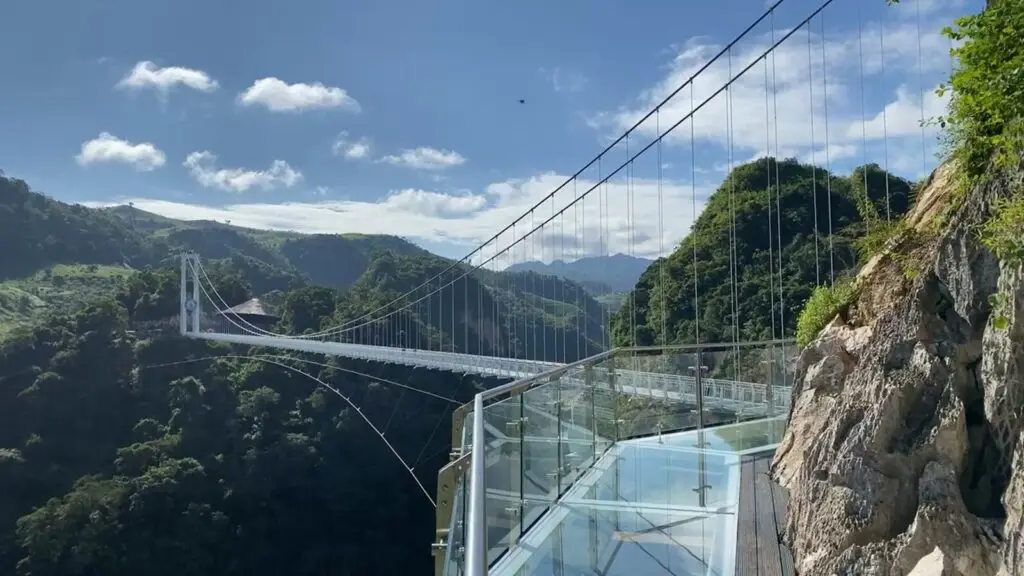
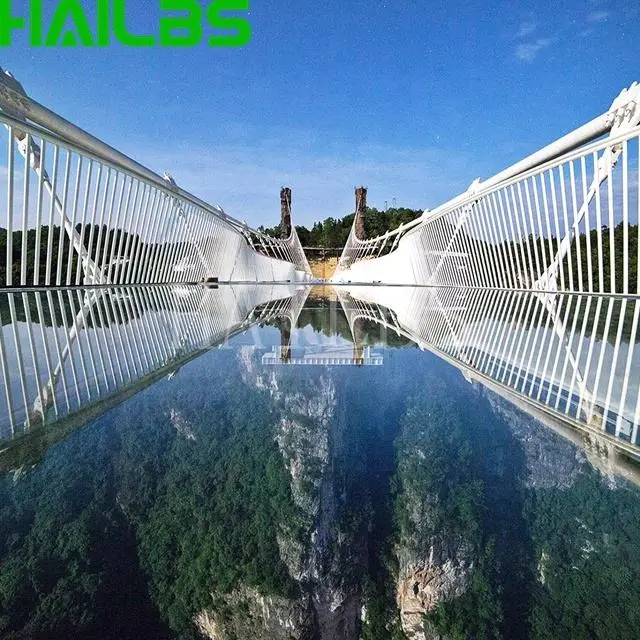
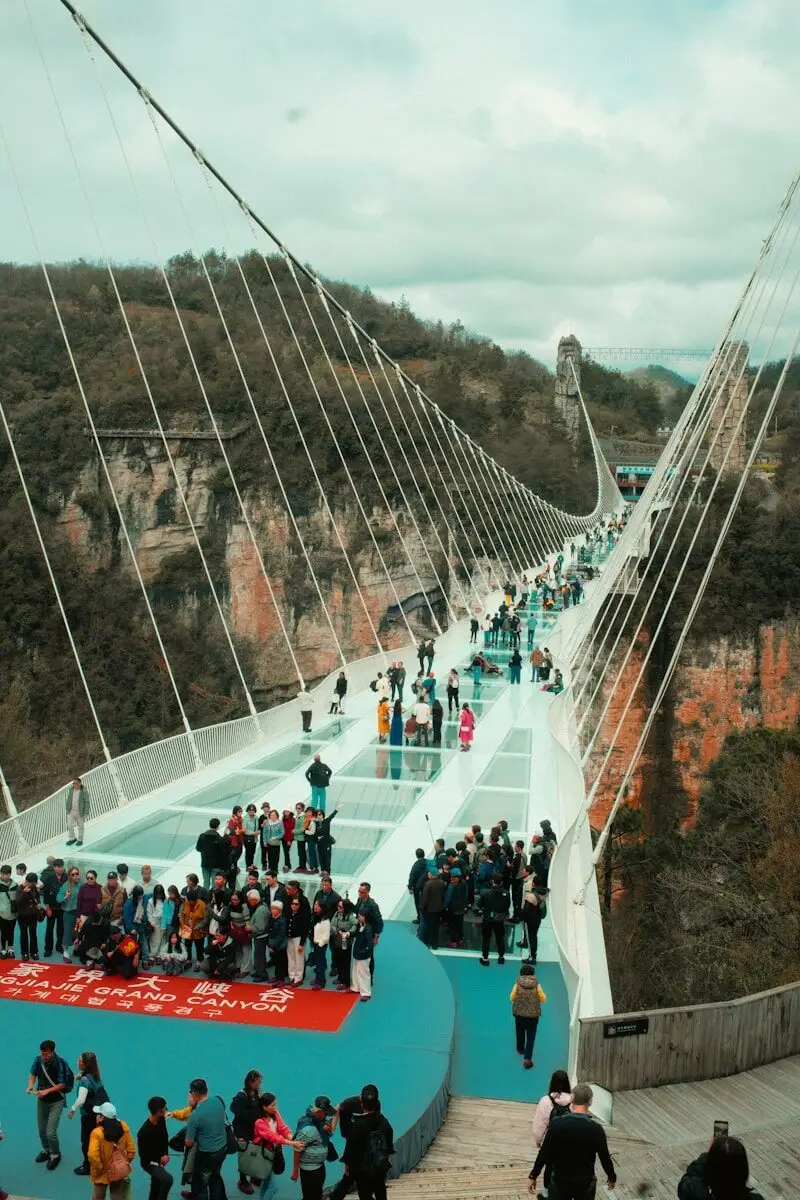
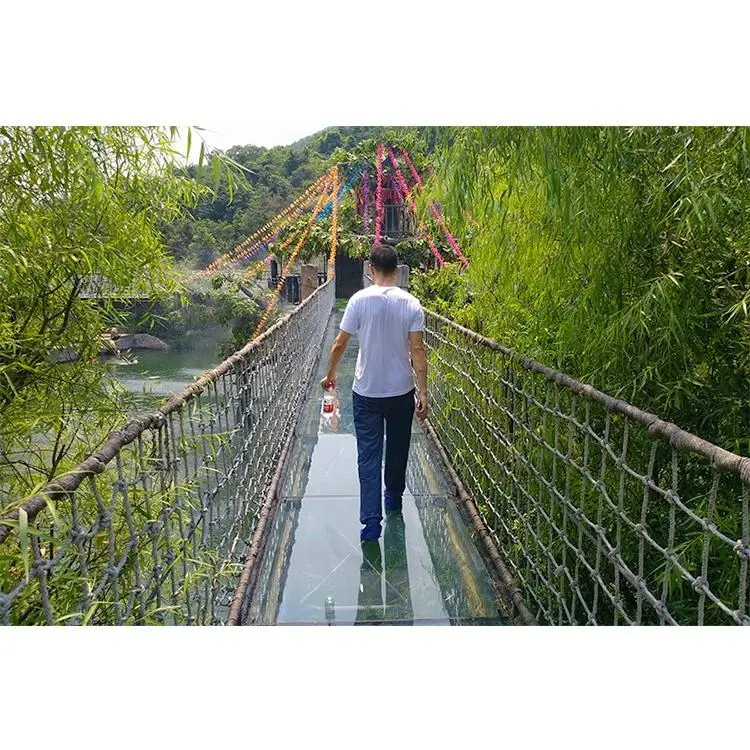
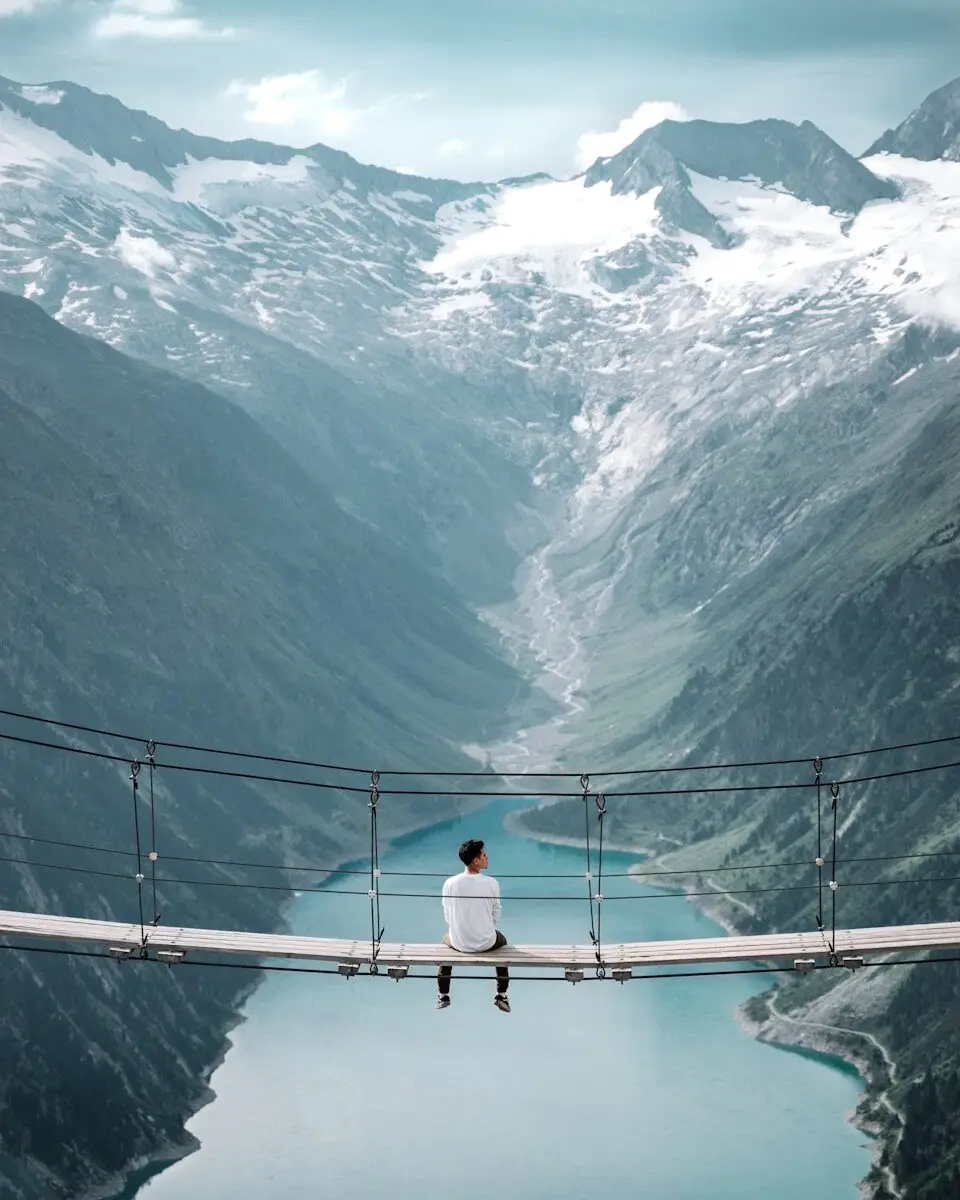
There is a moment — about 10 seconds after a guest steps onto a Glass Suspension Bridge — when their breathing changes. You can hear it. The confident chatter stops. The phone comes out. And then, somewhere down the line, a laugh breaks through — half terror, half exhilaration.
That moment is what you’re selling. Not a bridge. Not glass. You’re selling the split second between “I can’t do this” and “I just did.”
The Adrenaline Economy — And Why Your Venue Needs It
Theme parks and scenic areas have a segmentation problem. Thrill-seekers are easy — they’re lining up for the roller coaster. Families with young children are easy — they’re on the carousel. But the massive middle group — teenagers, young adults, active seniors, couples on dates — they fall somewhere in between. They want excitement, but not extreme. They want a rush, but not a risk.
The Glass Suspension Bridge is the perfect bridge between those worlds. It’s thrilling without being dangerous. It’s intense without requiring physical fitness. A 70-year-old retired teacher and a 22-year-old backpacker can walk the same bridge side by side, each experiencing it at their own comfort level. That inclusivity is rare in the thrill category.
Engineering a Bridge That Doesn’t Make People Regret Their Life Choices
A suspension bridge has a reputation for swaying. A glass one amplifies that reputation. The engineering challenge isn’t just structural — it’s psychological. The bridge must feel alive (that’s the thrill) but never unsafe (that’s the requirement). Here’s how we achieve that balance:
- Cable tension is calibrated so the bridge sways naturally with wind and foot traffic — but the amplitude is limited to 150–200mm maximum. That’s enough to feel, not enough to frighten.
- The glass walking surface uses triple-laminated safety glass (minimum 56mm total thickness) with an interlayer that provides both impact resistance and optical clarity. Step on it and it feels solid. Look through it and you see the ground 50 meters below.
- Lateral stability is provided by a combination of main suspension cables and vertical hangers, with optional central guide cables to limit side-to-side motion.
- Wind sensors at each tower feed data to a central monitoring system. If wind speeds exceed safe thresholds, the bridge can be closed remotely — no staff needed on the bridge itself.
Design Variables That Define the Experience
Every Glass Suspension Bridge we design is site-specific. The key variables that shape the guest experience:
- Span length: 30–300 meters. Shorter spans (30–80m) work well for valley crossings and garden settings. Longer spans (100–300m) are for dramatic cliff-to-cliff crossings where the distance itself is the attraction.
- Height above ground: 10–120 meters. Higher means more intensity, but also more engineering. We’ll recommend the optimal height based on your terrain — sometimes a lower bridge over a wider gap creates a better experience than a high bridge over a narrow one.
- Width: 1.5–3.0 meters. Narrower bridges feel more thrilling (you can see the drop on both sides). Wider bridges accommodate higher traffic and are more comfortable for groups walking side by side.
- Surface options: Full glass panel (maximum view), glass panels with solid walkway sections (for guests who prefer a “safe zone”), or a hybrid with removable glass sections that operators can swap for solid flooring during high-wind periods.
The Revenue Multiplier Effect
A Glass Suspension Bridge is rarely a standalone attraction. It’s a destination anchor. The most successful installations we’ve seen share a common pattern:
The bridge connects two points — say, a parking area to a temple, or a trailhead to a waterfall. But the real magic happens in the spaces around it. A photo platform at the midpoint. A “bridge museum” or interpretation center at one end. A cafe with a view at the far terminus. A gift shop selling “I crossed the bridge” merchandise at the exit.
The bridge itself might process 500–1,500 guests per hour (depending on length and width). But the ecosystem it creates — additional F&B sales, extended dwell time, social media amplification — can multiply that revenue by 3–5x. One operator in China reported that their Glass Suspension Bridge directly contributed to a 40% increase in total park attendance within the first season of operation.
Getting Started: From Site Photo to Signed Contract
The process is simpler than most operators expect:
- Step 1: Send us your site photos and GPS coordinates. We’ll do a preliminary feasibility assessment within 5 business days — no cost, no obligation.
- Step 2: If viable, we produce a concept design with 3D renderings showing the bridge in its actual environment. You review, we iterate.
- Step 3: Detailed engineering, permitting support, and manufacturing. Typical timeline: 8–16 weeks from design approval to installation start.
- Step 4: Installation by our crew (or guidance for your local team). Commissioning, testing, and operator training included.
The question isn’t whether your site can support a Glass Suspension Bridge. It’s whether you can afford not to find out. Send us your site details, and let’s see what’s possible.
Get your free site assessment now.