
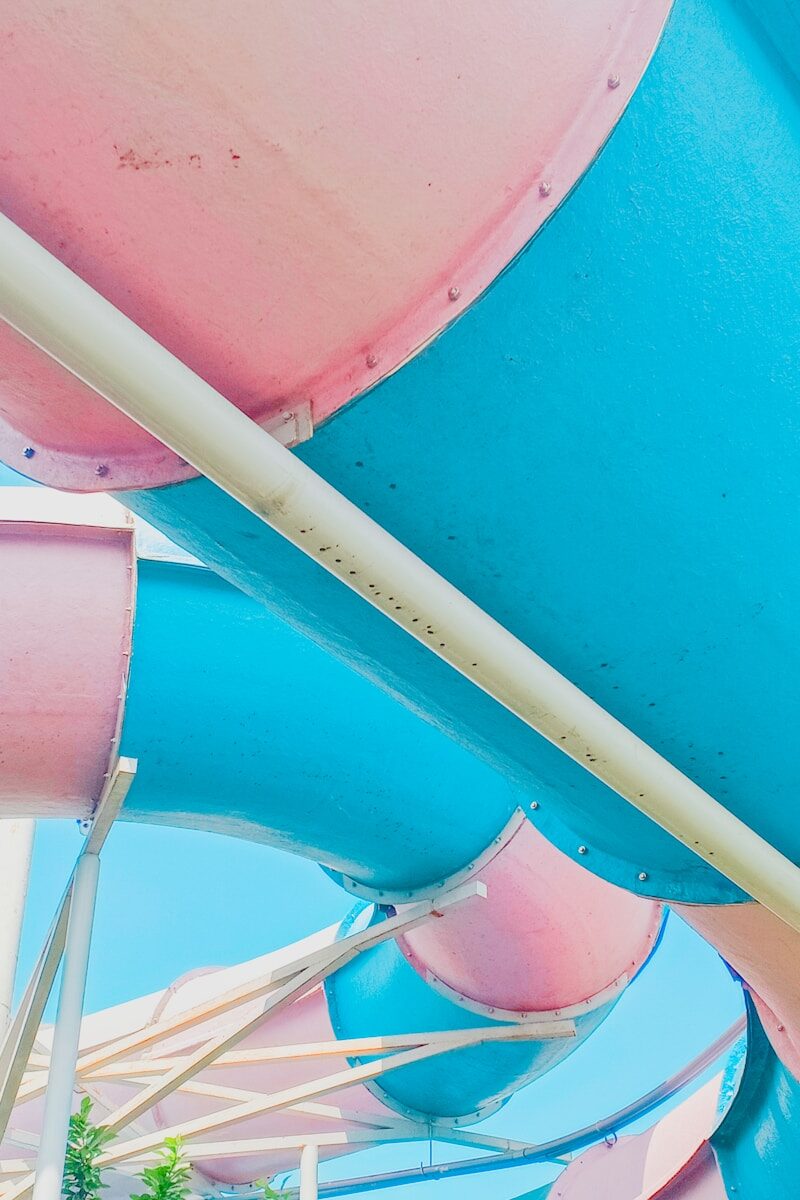
A successful entertainment destination is never the result of random ride placement or isolated architectural choices. It is the product of careful planning, creative storytelling, operational thinking, and a deep understanding of guest behavior. That is where theme park design becomes one of the most important disciplines in the leisure and attractions industry. Whether a project involves a small family fun park, a regional amusement destination, or a large-scale immersive resort, the quality of theme park design determines how visitors feel, move, spend time, and remember their experience.
Theme park design is not only about aesthetics. It is about creating a sequence of moments that guide guests from arrival to departure in a way that feels natural, exciting, comfortable, and emotionally engaging. Every pathway, queue area, ride building, food outlet, restroom location, shade structure, and sightline should support the overall concept. When theme park design is done well, visitors do not just enjoy individual rides; they feel immersed in a complete environment.
Why Theme Park Design Shapes Visitor Perception
Visitors often judge a park within the first few minutes of arrival. The entrance experience, the first visual reveal, the clarity of signage, the energy of the atmosphere, and the ease of navigation all contribute to that first impression. A poorly planned entrance can create confusion, congestion, and frustration. A well-designed arrival sequence can create anticipation, excitement, and a strong sense of place.
This is why theme park design should begin with the guest journey. Designers must ask what visitors see first, what they hear, where they naturally want to go, and how they interpret the environment. A strong entrance does not simply sell tickets; it introduces the story. It tells guests that they are entering a different world, one that has been carefully created for their enjoyment.
The emotional impact of theme park design is especially important for family audiences. Parents want to feel that the environment is safe, clean, and easy to navigate. Children want to feel wonder, discovery, and playfulness. Teenagers and adults may look for excitement, novelty, and shareable moments. A thoughtful theme park design can balance all of these needs without making the park feel overcrowded, chaotic, or visually confusing.
Storytelling as the Foundation of Strong Theme Park Design
One of the most powerful tools in theme park design is storytelling. A theme is not simply a decorative style. It is a unifying idea that connects rides, buildings, landscapes, music, lighting, characters, food concepts, retail experiences, and guest interactions. When storytelling is integrated into theme park design, the park feels more cohesive and more memorable.
For example, a pirate-themed area should not only include a ship-shaped ride building. It should also consider weathered textures, nautical colors, sound effects, queue entertainment, themed staff uniforms, food naming, and small environmental details that reinforce the concept. The same principle applies to adventure zones, fantasy lands, science fiction areas, historical settings, or nature-inspired parks.
Storytelling also helps operators differentiate their parks. Many destinations offer roller coasters, carousels, Ferris wheels, dark rides, and children’s play areas. What makes one park feel distinct is often the way those attractions are presented. Strong theme park design turns ordinary rides into chapters of a larger experience.
However, storytelling should never interfere with operations. A themed queue may look impressive, but if it creates bottlenecks, blocks emergency access, or makes loading inefficient, it becomes a design problem. The best theme park design balances creativity with practicality, ensuring that every themed element supports both imagination and smooth daily operations.
Guest Flow and Circulation Planning
Guest flow is one of the most technical and important aspects of theme park design. If visitors cannot move comfortably through a park, even the best rides can feel disappointing. Long waits, narrow walkways, confusing intersections, and poorly placed attractions can reduce satisfaction and limit spending.
Effective circulation planning starts with understanding peak attendance patterns. Designers must consider how guests enter the park, where they gather after arrival, which attractions create the longest queues, and where congestion is most likely to occur. Wide main arteries help move large crowds, while smaller secondary paths can create a sense of discovery and intimacy.
Theme park design should also create natural decision points. Visitors should be able to see major attractions, understand their options, and choose their next experience without feeling lost. Clear sightlines, landmarks, themed icons, and intuitive signage all contribute to better navigation. A park that feels easy to explore often feels more enjoyable, even when it is busy.
Rest areas, shade, seating, water stations, restrooms, and food outlets should also be considered part of circulation planning. Guests need places to pause, especially in hot climates or large parks. If rest areas are too far from attractions, visitors may leave earlier than planned. If food outlets are poorly located, queues can spill into main walkways and disrupt guest flow.
Ride Selection and Attraction Balance
Theme park design must also consider the balance between different types of attractions. A park that offers only thrill rides may excite enthusiasts but alienate families with young children. A park that focuses only on gentle attractions may feel too quiet for teenagers and adults. The most successful parks usually create a layered experience with something for multiple audience groups.
Thrill attractions can serve as headline draws. They generate marketing appeal, social media interest, and strong emotional reactions. Family rides help extend visit duration by giving parents and children shared experiences. Children’s attractions are essential for attracting family visitors, while interactive and immersive experiences can create modern appeal and repeat-visit motivation.
The placement of rides matters as much as their selection. A loud thrill ride should not be positioned directly next to a quiet storytelling area unless the design intentionally uses that contrast. High-capacity attractions should be located where they can absorb large crowds without blocking main pathways. Iconic rides often benefit from strong visual positioning, where they can be seen from a distance and become symbolic landmarks of the park.
Theme park design should also consider future expansion. A well-planned park leaves room for new attractions, seasonal events, retail growth, and operational improvements. Designing with long-term flexibility helps operators respond to changing visitor expectations without needing to rebuild the entire layout.
Theming, Architecture, and Environmental Detail
Theming gives a park its visual identity. It includes architecture, landscaping, color palettes, materials, lighting, signage, music, costumes, ride vehicles, and environmental props. When these elements are coordinated, the park feels intentional and immersive.
In theme park design, architecture should do more than look attractive. It should communicate function. A restaurant building should feel inviting and clearly identifiable. A ride entrance should communicate excitement or mystery. A children’s area should feel playful and safe. A service building should blend into the environment without drawing unnecessary attention.
Landscaping is another essential part of theme park design. Trees, plants, water features, rockwork, and shaded areas can soften large structures, reduce heat exposure, and create natural transitions between themed zones. Landscaping also helps hide back-of-house areas, service roads, and utility infrastructure that guests should not see.
Lighting plays a major role in evening experiences. Good lighting can make a park feel magical after dark, improve safety, and guide guests through pathways. Poor lighting can create shadows, confusion, and unwelcoming spaces. Theme park design should treat lighting as an active design element, not just an operational necessity.
Safety, Accessibility, and Operational Practicality
Creativity in theme park design must always be supported by safety. Every attraction, walkway, queue, building, and service area must meet relevant safety standards and operational requirements. Designers must consider emergency access, evacuation routes, fire safety, structural integrity, ride clearance zones, crowd density, and staff visibility.
Accessibility is equally important. A park that welcomes families should make reasonable provision for guests with mobility needs, sensory sensitivities, and young children. Accessible routes, clear signage, quiet areas, family restrooms, and inclusive queue options can make a significant difference in guest satisfaction.
Operational practicality is often overlooked in early design stages, but it has a major impact on long-term performance. Staff need efficient access to ride controls, maintenance areas, storage rooms, loading zones, and emergency equipment. Food outlets need proper service flow. Retail areas need restocking access. Waste management, cleaning routes, and utility connections should be planned from the beginning.
A park that looks impressive but is difficult to operate will face ongoing challenges. Strong theme park design considers both the guest experience and the staff experience, because both directly affect service quality.
Budget, Phasing, and Long-Term Investment
Theme park design must also be financially realistic. Operators often want to include many attractions, immersive environments, and premium finishes, but every design decision has a cost. The most effective projects balance ambition with budget, phasing development where necessary.
Phasing allows operators to open a park with a strong core experience and add new areas over time. This approach can reduce initial capital pressure while creating opportunities for future marketing campaigns. A new themed zone, ride, or seasonal area can give returning visitors a reason to come back.
When planning budgets, operators should consider more than construction costs. Theme park design also affects maintenance expenses, energy use, staffing needs, insurance, spare parts, landscaping upkeep, and technology systems. A design that looks inexpensive at first may become costly if materials degrade quickly, rides are difficult to service, or guest flow creates operational inefficiencies.
Investing in durable materials, efficient layouts, and flexible infrastructure often provides better long-term value. Theme park design should be treated as a long-term investment, not just a one-time creative project.
Creating Emotional Moments and Shareable Experiences
Modern visitors often look for experiences they can remember and share. Photo opportunities, interactive moments, themed surprises, character encounters, nighttime shows, and unique ride scenes can all create emotional highlights. These moments are especially valuable when they feel natural within the theme park design rather than forced or disconnected.
A well-designed photo point should not block guest flow. An interactive element should be durable enough for heavy use. A nighttime experience should consider sound levels, lighting safety, and crowd management. When these details are planned carefully, they enhance the park without creating operational problems.
Social media has also changed guest expectations. Visitors may share short videos, photos, and reviews during or immediately after their visit. This means theme park design should include visually distinctive moments that communicate the park’s identity clearly. However, design should not chase trends at the expense of timeless quality. The most successful parks combine shareable moments with strong fundamentals.
Final Thoughts on Theme Park Design
Theme park design is where creativity, engineering, operations, safety, storytelling, and guest psychology come together. It determines whether a park feels confusing or intuitive, ordinary or immersive, forgettable or unforgettable. The best theme park design does not simply place rides on a map; it creates a journey that guides visitors through emotion, discovery, comfort, and excitement.
For operators, investors, designers, and entertainment developers, the lesson is clear: theme park design should never be treated as an afterthought. It is one of the most important foundations of a successful park. When it is approached with care, research, creativity, and operational awareness, it can turn a collection of attractions into a destination that guests remember, recommend, and return to again and again.




