
The carnival and traveling amusement industry depends heavily on equipment that is safe, reliable, transportable, and visually appealing. For operators planning to buy new or used attractions, choosing the right supplier is one of the most important decisions in the entire purchasing process. Carnival ride manufacturers play a central role in determining not only the appearance and performance of a ride, but also its safety compliance, durability, maintenance requirements, transport efficiency, and long-term operating cost.
A carnival ride is not simply a piece of entertainment equipment. It is a mobile or semi-permanent asset that must perform consistently in different locations, weather conditions, and operational environments. That makes the selection of carnival ride manufacturers far more complex than choosing a product based on price or visual appeal. Operators must evaluate engineering quality, documentation, manufacturing standards, installation support, spare parts availability, and the supplier’s ability to respond when problems arise.
Why Supplier Selection Matters More Than Price
It can be tempting to choose a supplier based only on the lowest purchase price. However, in the amusement ride industry, price is only one part of the equation. A lower-cost ride may appear attractive at first, but it can become expensive if it requires frequent repairs, has limited spare parts availability, lacks proper documentation, or fails to meet local safety requirements.
Reliable carnival ride manufacturers understand that operators need more than a finished product. They need confidence that the ride can be transported, assembled, operated, inspected, maintained, and repaired safely. They also need assurance that the manufacturer will remain accessible after the sale. A strong relationship with responsible carnival ride manufacturers can reduce downtime, improve safety management, and protect the operator’s reputation.
Operators should also consider the revenue impact of reliability. A ride that is frequently out of service cannot generate income. A ride that creates safety concerns can damage customer trust. A ride that is difficult to transport may increase setup costs and reduce scheduling flexibility. These factors often matter more than small differences in initial purchase price.
Safety Certifications and Technical Documentation
Safety should be the first criterion when evaluating carnival ride manufacturers. Every ride must comply with the safety standards and regulations that apply in the country or region where it will be operated. Operators should request clear information about design standards, load calculations, material specifications, electrical systems, braking systems, restraint systems, and inspection requirements.
Reputable carnival ride manufacturers should be willing to provide technical documentation. This may include general arrangement drawings, electrical diagrams, maintenance manuals, spare parts lists, safety instructions, and assembly guidelines. The availability of clear documentation is a strong indicator of professional manufacturing standards.
Operators should also verify whether the manufacturer has experience supplying rides to markets with strict regulatory environments. A supplier that understands certification requirements, third-party inspections, and operational compliance is usually better prepared to support international buyers. However, documentation alone is not enough. It must be accurate, complete, and relevant to the specific ride being purchased.
Build Quality and Material Durability
Carnival rides are exposed to frequent assembly and disassembly, road transport, weather exposure, and high guest turnover. This means build quality is extremely important. Carnival ride manufacturers should use materials and finishes that can withstand repeated use without excessive wear, corrosion, or structural fatigue.
Steel structures should be properly treated against rust and corrosion, especially for rides that will operate outdoors or in humid climates. Electrical components should be protected from moisture and dust. Mechanical connections should be accessible for inspection. Paint finishes should be durable enough to resist fading, chipping, and weather damage.
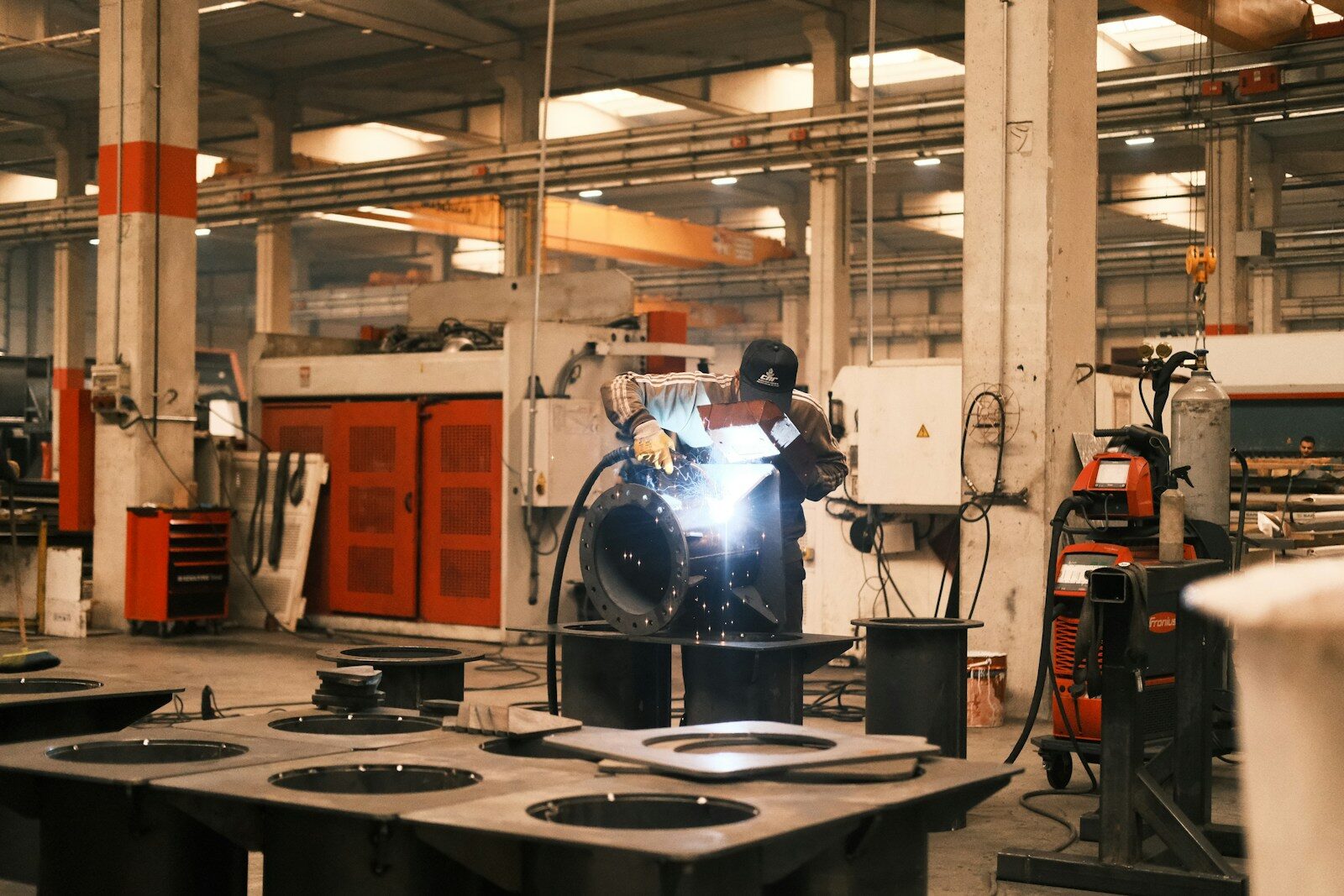
Operators should also pay attention to welding quality, bolted connections, moving parts, bearings, motors, and control systems. Small details often reveal the overall standard of manufacturing. A ride that looks attractive from a distance may still have weaknesses in components that are critical to daily operation.
Where possible, operators should visit the factory, inspect similar rides, or request video evidence of production and testing. If a factory visit is not practical, detailed photographs, third-party inspection reports, and references from existing customers can help provide additional confidence.
Transport, Setup, and Operational Efficiency
One of the defining features of carnival rides is their ability to move between locations. This makes transport efficiency a major consideration. Carnival ride manufacturers should design rides with realistic transport requirements, including container loading, road dimensions, weight limits, assembly time, and crew requirements.
A ride that is difficult to transport can increase logistics costs and reduce operational flexibility. Operators who run seasonal events, traveling fairs, or short-term amusement sites need equipment that can be moved, installed, tested, and opened efficiently. If setup takes too long or requires excessive labor, the ride becomes less profitable during short operating windows.
Operators should ask clear questions about transport dimensions, disassembly procedures, foundation requirements, power supply needs, and setup time. Carnival ride manufacturers should be able to explain how their rides are packed, secured, shipped, and reassembled. They should also provide guidance on the tools, crew size, and technical skills needed for safe installation.
Efficient transport design also affects storage. Operators with limited warehouse space need rides that can be stored compactly without damaging components. Clear labeling of parts, organized connection systems, and logical assembly sequences can make a significant difference in real-world operation.
After-Sales Support and Spare Parts Availability
The relationship with a supplier does not end when the ride is delivered. After-sales support is one of the most important factors in long-term ride ownership. Operators need access to spare parts, technical advice, troubleshooting support, and maintenance guidance throughout the life of the ride.
When evaluating carnival ride manufacturers, ask how quickly spare parts can be supplied. Ask whether critical components are standardized or custom-made. Ask whether the manufacturer keeps spare parts in stock and whether replacement components are clearly identified in the parts manual. A ride with highly specialized or unavailable parts can become a serious operational risk.
After-sales support also includes responsiveness. If a technical issue arises during setup or operation, operators need a supplier who can provide clear guidance. Delayed communication can lead to extended downtime, missed events, and lost revenue. Reliable carnival ride manufacturers should treat after-sales service as part of their core responsibility, not as an optional extra.
Operators should also consider training. A well-trained operations and maintenance team can prevent many problems before they occur. Manufacturers who provide operating manuals, maintenance schedules, safety briefings, and technical training help operators run rides more safely and efficiently.
Customization, Theming, and Visual Appeal
Visual appeal is important in the carnival and amusement industry. Visitors are attracted to bright colors, interesting shapes, lighting effects, music, and recognizable ride forms. Carnival ride manufacturers often offer different levels of customization, including color schemes, themed panels, LED lighting, sound systems, and decorative elements.
Customization can help operators create a more distinctive attraction. A standard ride can become more memorable when it fits the theme of an event, festival, family fair, or entertainment venue. However, customization should not compromise safety, maintenance access, or structural integrity. Decorative elements should be securely fixed, fire-resistant where required, and designed so they do not interfere with moving parts or inspection points.
Operators should also consider how theming affects transport and maintenance. Large decorative structures may look impressive but can increase transport size or create additional inspection requirements. The best customization balances visual impact with practical operation.
Choosing Between New and Used Carnival Rides
Some operators consider used rides as a way to reduce capital costs. Used equipment can offer value, but it also requires careful evaluation. The age of the ride, maintenance history, previous operating conditions, structural condition, and available documentation all matter.
When buying used rides, operators should still check whether the original carnival ride manufacturers can provide support. Some older models may have limited spare parts availability or outdated control systems. In other cases, a well-maintained used ride from a reputable manufacturer may remain a strong option.
Operators should avoid purchasing used rides without proper inspection. A visual check is not enough. Structural components, electrical systems, braking systems, restraints, bearings, motors, and safety devices should all be reviewed by qualified technicians. Documentation should be verified before purchase, not after delivery.
Avoiding Common Purchasing Mistakes
Several common mistakes can create serious problems for operators. One mistake is focusing only on appearance. A ride may look exciting in photos but may not suit the operator’s space, transport capacity, or target audience.
Another mistake is underestimating installation and infrastructure costs. Foundation work, electrical supply, safety fencing, queue management, staffing areas, and inspection requirements can all affect the total project cost.
A third mistake is failing to confirm compliance. Operators should verify that the ride meets the safety and regulatory requirements of the location where it will operate. Relying only on the supplier’s general statements is not enough. Documentation should be reviewed carefully.
A fourth mistake is ignoring long-term maintenance. Every ride requires ongoing care. Operators should understand the maintenance schedule before purchase and ensure that their team has the skills, tools, and spare parts needed to keep the ride running safely.
Building a Long-Term Relationship with Trusted Suppliers
The best purchasing decisions are often supported by long-term supplier relationships. Operators who work with trusted carnival ride manufacturers can benefit from better communication, faster spare parts supply, improved technical support, and greater confidence in future purchases.
Before committing to a large order, operators can start by requesting detailed specifications, references, maintenance information, and compliance documents. They can also ask about warranty terms, installation supervision, training options, and service response times. These conversations help reveal whether a supplier is truly prepared to support the ride throughout its operational life.
For new operators, it can be useful to start with simpler, well-supported attractions before moving to more complex rides. For experienced operators, diversifying suppliers may reduce risk, but it should not come at the cost of quality or safety.
Final Thoughts on Choosing Carnival Ride Manufacturers
Selecting the right supplier is one of the most important decisions in the carnival and amusement ride business. Carnival ride manufacturers influence safety, reliability, transport efficiency, guest experience, maintenance costs, and long-term profitability. A low purchase price may seem attractive, but it should never replace proper evaluation of quality, compliance, documentation, and after-sales support.
Operators who take time to research suppliers, inspect equipment, verify certifications, review spare parts availability, and plan for ongoing maintenance are more likely to make successful purchases. In an industry where safety, reliability, and guest satisfaction are essential, choosing responsible carnival ride manufacturers is not just a purchasing decision. It is a foundation for long-term operational success.




