
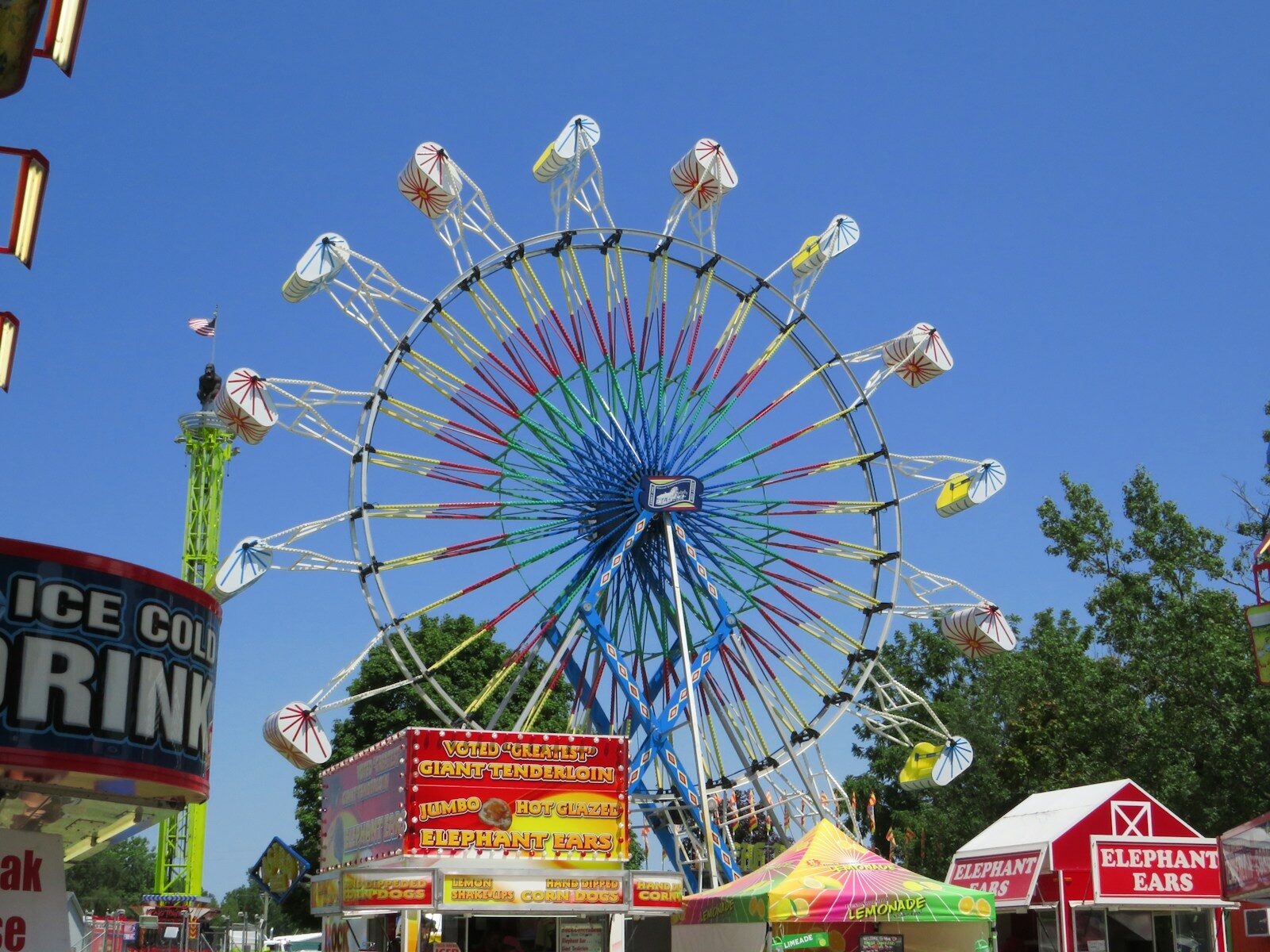
The amusement and entertainment industry has experienced remarkable growth over the past two decades. From small family-owned fun parks to large-scale theme destinations, operators around the world are constantly looking for ways to attract visitors, increase dwell time, and maximize return on investment. At the heart of every successful entertainment venue lies one critical element: the quality and variety of amusement equipment it offers. Whether you are planning to open a new park, renovate an existing facility, or simply add fresh attractions to your lineup, understanding how to select the right amusement equipment is essential for long-term success.
Why Amusement Equipment Matters More Than Ever
Modern visitors have higher expectations than ever before. They want thrilling experiences, immersive environments, and attractions that are both safe and well-maintained. The amusement equipment you install directly shapes the visitor experience, influences your park’s reputation, and determines whether guests will return season after season. Poorly chosen rides or outdated attractions can lead to declining attendance, negative reviews, and costly downtime. On the other hand, well-planned amusement equipment selections can transform an ordinary venue into a destination that draws visitors from across the region and beyond.
When evaluating amusement equipment options, operators must consider a wide range of factors. These include the target audience, available space, budget constraints, local regulations, maintenance requirements, and the overall theme of the park. Each of these elements plays a role in determining which types of amusement equipment will deliver the best results for your specific situation.
Understanding the Different Categories of Amusement Equipment
Amusement equipment comes in many forms, and understanding the different categories available is the first step toward making informed purchasing decisions. Broadly speaking, amusement equipment can be divided into several major groups, each serving a different purpose and appealing to different demographics.
Thrill Rides are designed for adrenaline seekers and typically include roller coasters, drop towers, spinning rides, and inverted coasters. These attractions tend to draw younger visitors and enthusiasts who actively seek out parks based on their ride offerings. Thrill-oriented amusement equipment often requires larger footprints, stronger foundations, and more rigorous safety protocols.
Family Rides occupy a middle ground, offering excitement that is accessible to a wide age range. Carousels, Ferris wheels, gentle dark rides, and bumper cars are classic examples. Family-oriented amusement equipment is particularly valuable because it encourages multi-generational visits, meaning grandparents, parents, and children can all enjoy the experience together.
Children’s Rides are specifically designed for younger guests. These include small carousels, mini trains, play structures, and interactive rides. While children’s amusement equipment may not generate the same headline appeal as a massive roller coaster, it plays a vital role in attracting families and extending visit duration.
Interactive and Immersive Attractions represent a growing segment of the amusement equipment market. These include virtual reality experiences, interactive dark rides, motion simulators, and augmented reality installations. As technology continues to advance, operators are finding that immersive amusement equipment can differentiate their parks from competitors and create memorable experiences that visitors want to share on social media.
Safety Standards and Certifications
No discussion of amusement equipment would be complete without addressing safety. The amusement ride industry is heavily regulated in most countries, and for good reason. Every piece of amusement equipment must meet strict safety standards before it can be operated commercially. When sourcing amusement equipment, always verify that the manufacturer holds relevant certifications and that the equipment complies with the safety regulations in your jurisdiction.
International standards such as those published by ASTM International and the European EN standards provide frameworks for the design, manufacture, installation, and operation of amusement rides. Reputable amusement equipment manufacturers will provide comprehensive documentation, including engineering calculations, material specifications, load testing reports, and maintenance schedules. Never compromise on safety documentation — it protects your guests, your staff, and your business.
Regular inspections, preventive maintenance, and staff training are equally important. Even the highest-quality amusement equipment requires ongoing care to remain safe and operational. Establishing a robust maintenance program from day one will help you avoid unexpected breakdowns, extend the lifespan of your rides, and demonstrate your commitment to guest safety.
Space Planning and Layout Considerations
Before purchasing any amusement equipment, it is crucial to conduct a thorough assessment of your available space. The physical footprint of each ride is only part of the equation. You must also account for queue lines, loading and unloading areas, emergency access routes, maintenance zones, and buffer spaces between attractions.
A well-designed park layout ensures smooth guest flow, minimizes congestion, and creates natural sightlines that encourage exploration. When planning your amusement equipment placement, consider how each ride complements its neighbors. A high-energy thrill ride might pair well with a quieter family area nearby, giving guests a chance to decompress between intense experiences. Thoughtful spatial planning also affects operational efficiency — rides that are positioned too close together can create noise interference, while poorly placed attractions may be difficult to access for maintenance vehicles.
Working with experienced amusement park designers or consultants during the planning phase can help you optimize your layout and ensure that every square meter of your property is used effectively.
Budgeting for Amusement Equipment
The cost of amusement equipment varies enormously depending on the type, size, complexity, and manufacturer. A small children’s ride may cost tens of thousands of dollars, while a large roller coaster can represent a multi-million-dollar investment. When budgeting for amusement equipment, it is important to look beyond the initial purchase price and consider the total cost of ownership.
Total cost of ownership includes the purchase price, shipping and import costs, installation expenses, foundation and infrastructure work, insurance premiums, ongoing maintenance, spare parts, energy consumption, and staffing requirements. Some amusement equipment may have a lower upfront cost but higher operating expenses, while others may require a larger initial investment but prove more economical over time.
Financing options are available through many manufacturers and third-party lenders. Some operators choose to lease amusement equipment rather than purchase it outright, which can help manage cash flow during the early stages of a park’s development. Regardless of your financing approach, always conduct a thorough financial analysis to ensure that the amusement equipment you select will generate sufficient revenue to justify the investment.
Choosing the Right Manufacturer
The manufacturer you choose will have a lasting impact on the quality, reliability, and longevity of your amusement equipment. When evaluating potential suppliers, look for companies with a proven track record, strong references from existing clients, and a commitment to research and development. Visit their factory if possible, inspect their production processes, and speak with other operators who have purchased similar equipment.
Communication is another critical factor. A reliable manufacturer will provide clear timelines, transparent pricing, and responsive after-sales support. They should be willing to assist with installation, offer training for your operations team, and supply spare parts promptly when needed. Building a strong relationship with your amusement equipment manufacturer can lead to better service, priority support, and potential discounts on future purchases.
Keeping Your Amusement Equipment Fresh and Relevant
The entertainment industry moves quickly, and visitor preferences evolve over time. What was exciting five years ago may feel dated today. Successful park operators understand the importance of refreshing their amusement equipment lineup regularly to maintain guest interest and drive repeat visits.
This does not necessarily mean replacing entire rides every few years. Sometimes, adding new themes, updating ride vehicles, incorporating new technology, or rebranding existing attractions can breathe new life into older amusement equipment. Seasonal events, limited-time experiences, and special promotions can also help keep your park feeling fresh without requiring major capital expenditures.
Monitoring industry trends, attending trade shows, and staying connected with other professionals in the amusement equipment sector will help you identify emerging opportunities and make strategic decisions about when and how to update your offerings.
The Role of Amusement Equipment in Revenue Generation
Amusement equipment is not just about entertainment — it is a revenue-generating asset. The right mix of rides and attractions can drive ticket sales, increase per-capita spending, and create additional revenue streams through merchandise, food and beverage sales, and premium experiences such as fast passes or behind-the-scenes tours.
When selecting amusement equipment, consider how each attraction contributes to your overall revenue strategy. High-capacity rides can move large numbers of guests efficiently, reducing wait times and increasing overall park throughput. Unique or signature attractions can serve as marketing anchors, giving potential visitors a compelling reason to choose your park over competitors. Interactive experiences often generate strong social media engagement, providing free promotional exposure that can attract new guests.
Final Thoughts on Selecting Amusement Equipment
Choosing the right amusement equipment is one of the most important decisions any park operator will make. It requires careful research, strategic planning, and a clear understanding of your target market, budget, and long-term goals. By prioritizing safety, quality, guest experience, and financial viability, you can build an attraction lineup that delights visitors and supports sustainable business growth.
Whether you are launching a brand-new park or enhancing an established venue, investing time and resources into selecting the best amusement equipment will pay dividends for years to come. The rides and attractions you choose today will define your park’s identity, shape your guests’ memories, and set the foundation for your success in the competitive world of amusement and entertainment.




