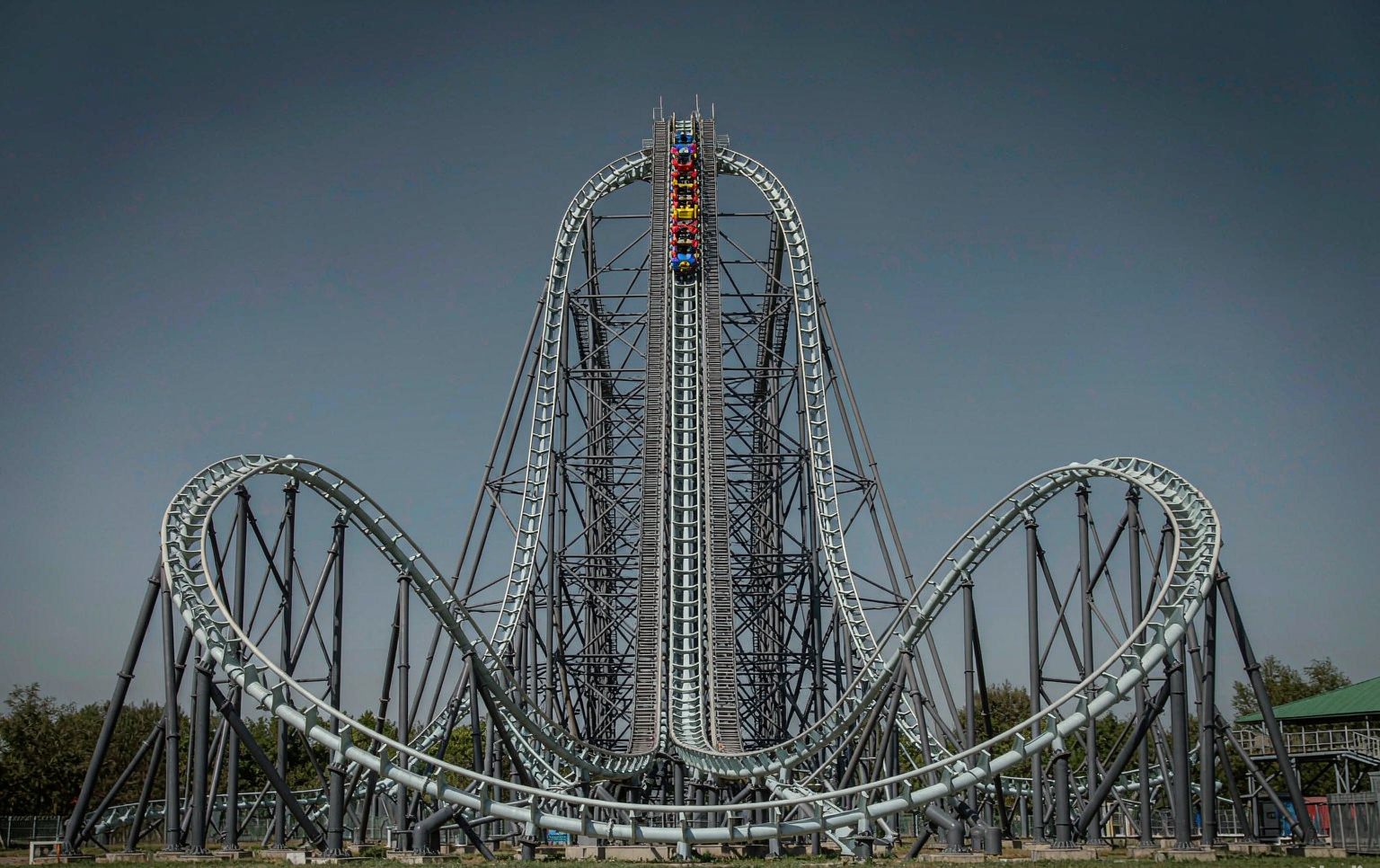
Buying a roller coaster for sale is one of the largest capital commitments a park, family entertainment center or resort operator will ever make, and one of the few that can reset attendance for a decade. Unlike a carousel or a drop tower, a coaster connects structural engineering, civil works, electrical infrastructure, staff training, insurance and maintenance planning in a single purchase order. This guide explains what a coaster package actually contains, what the main types cost at an indicative level, and how site surveys, certification, shipping and commissioning shape both your budget and your opening date.
What a Roller Coaster for Sale Package Actually Includes
A coaster is not a product you pull off a shelf. When you compare a roller coaster for sale from two or three manufacturers, the first thing to align is the scope of supply, because a lower headline price usually excludes the items that quietly dominate the final budget. A complete factory package typically covers:
- Steel track, support columns, footplates and connection hardware, hot-dip galvanized and powder-coated
- Vehicles or trains, including chassis, wheels, restraints and secondary safety devices
- Control cabinet, PLC logic, sensors, brake units and station gates
- Drive system — chain lift, friction wheel, tire drive, or linear synchronous motor on launch models
- Anchor bolt templates, shim packs and grout specification for the foundation contractor
- Operations manual, maintenance schedule, spare parts list and as-built drawings
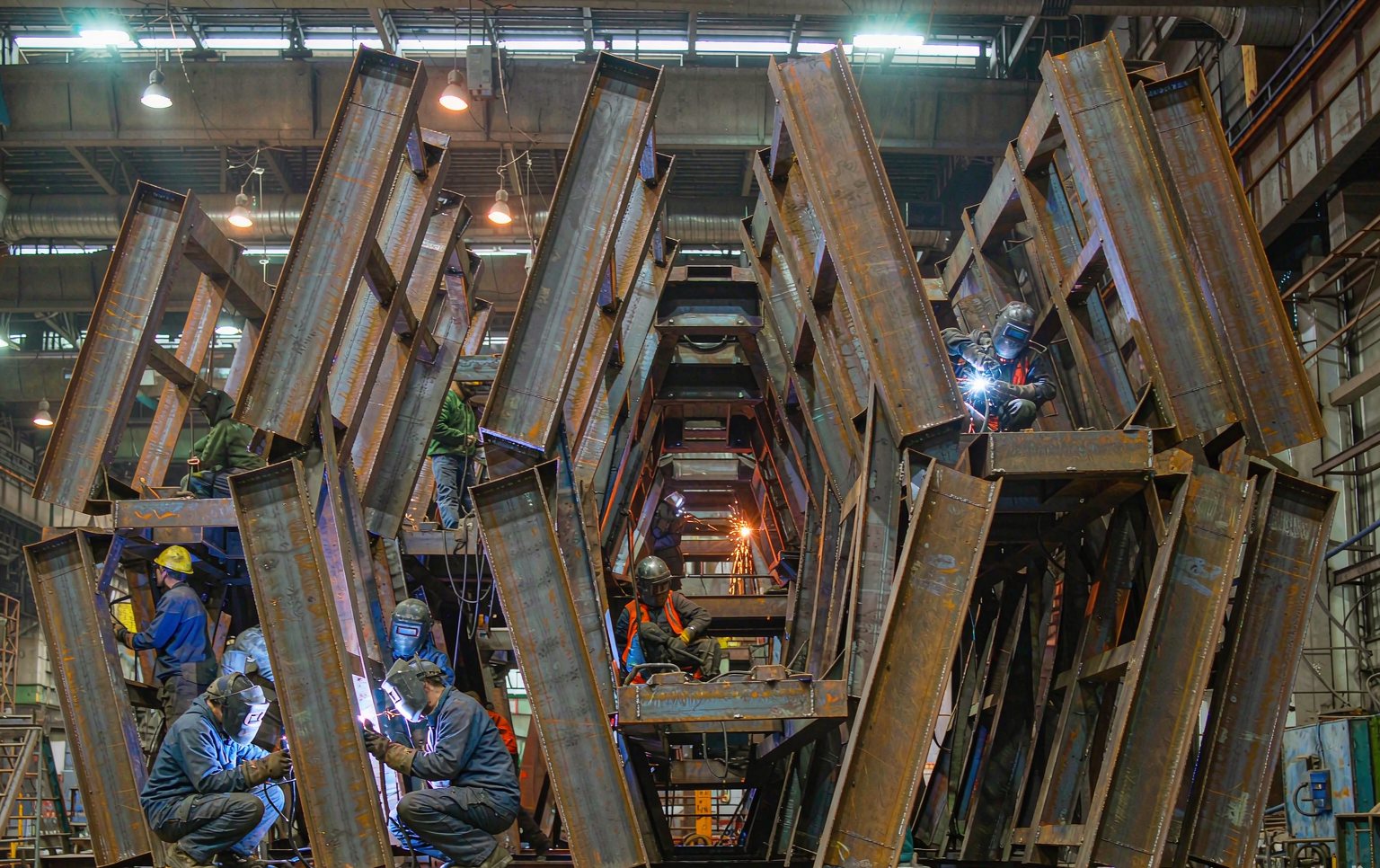
- Factory pre-assembly and load testing before shipment, with photographic and video records
What normally sits outside that package is just as important: excavation and concrete, station building and queue line theming, incoming power supply and transformer, fencing, lighting, CCTV, landscaping and local permits. Ask every supplier to list exclusions in writing so quotations are genuinely comparable. A roller coaster for sale at USD 400,000 that lands without a control system is not cheaper than one at USD 520,000 that lands complete and ready to commission.
Coaster Types and Indicative Price Bands
Four families dominate procurement for small and mid-size parks: family coasters, spinning coasters, inverted coasters and launch coasters. Each carries a different cost profile, and not only because of track length — vehicle complexity, control system sophistication and the civil works a layout demands all move the number. The table below gives indicative bands to help you size a budget before you approach suppliers.
| Type | Typical track length | Footprint | Indicative price (USD, ex-works) | Lead time |
|---|---|---|---|---|
| Family coaster | 180–350 m | 40 × 25 m | 180,000 – 450,000 | 35–50 days |
| Spinning coaster | 250–450 m | 55 × 30 m | 320,000 – 700,000 | 40–60 days |
| Inverted coaster | 300–600 m | 70 × 35 m | 850,000 – 2,000,000 | 45–60 days |
| Launch coaster | 400–800 m | 90 × 40 m | 1,500,000 – 4,500,000 | 45–60 days |
All figures are indicative and ex-works. Final pricing depends on layout, theme level, vehicle count, control redundancy, seismic and wind requirements, and the documentation package your insurer requires.
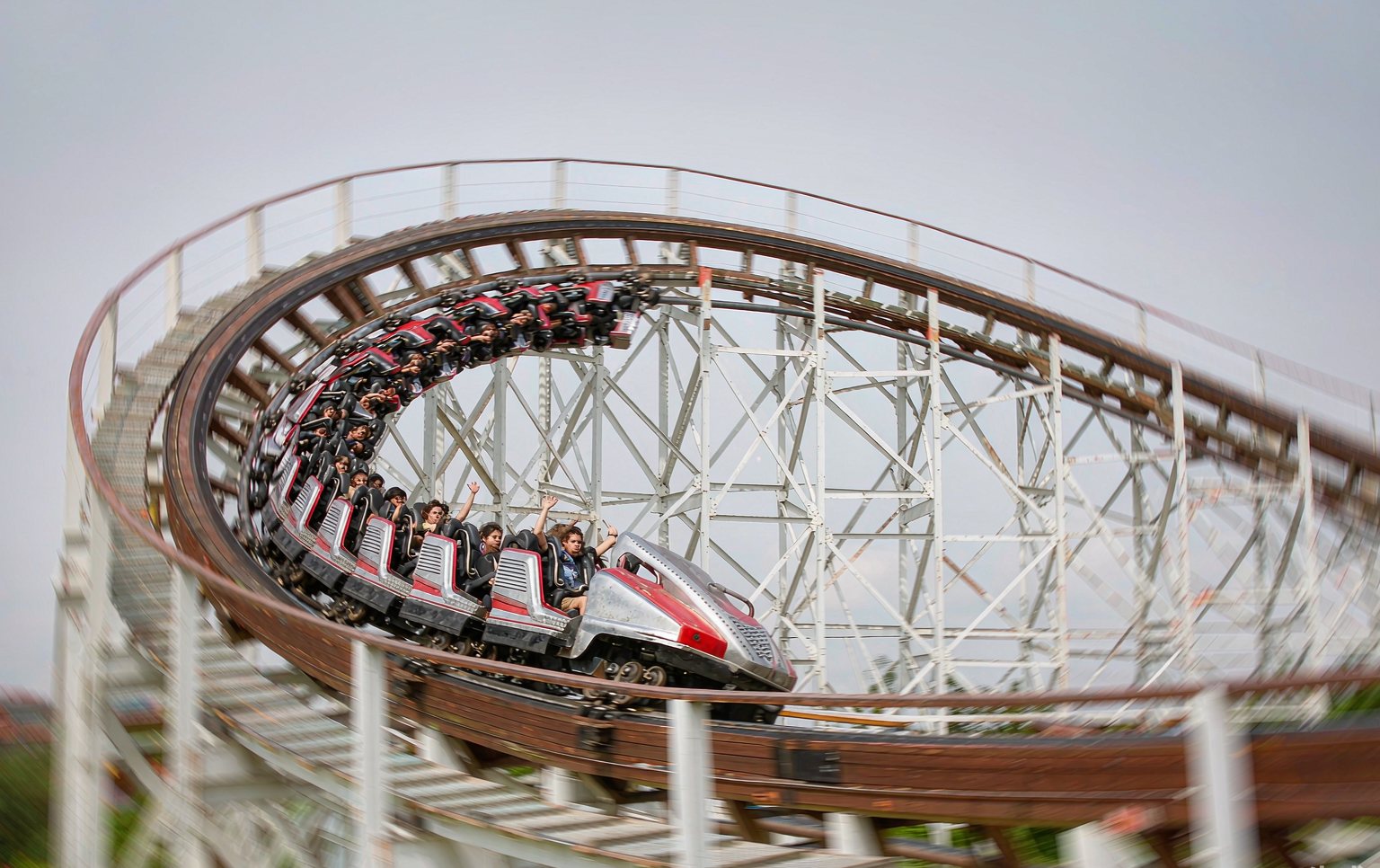
A family coaster is the workhorse of the segment: gentle gradients, a low height restriction, high throughput and modest maintenance. It is usually the first coaster a park buys and the one that keeps families on site for an extra hour. A spinning coaster adds uncontrolled rotation, which turns a compact layout into a genuinely repeatable ride and lets a smaller footprint punch above its size. An inverted coaster suspends riders beneath the track, delivering a strong sensation of exposure without extreme height, but it demands more engineering in the chassis, restraint geometry and evacuation procedures. A launch coaster replaces the lift hill with a powered launch, which raises electrical demand, control complexity and commissioning time — and usually becomes the park’s marketing centerpiece.
Site Survey, Foundations and Ground Conditions
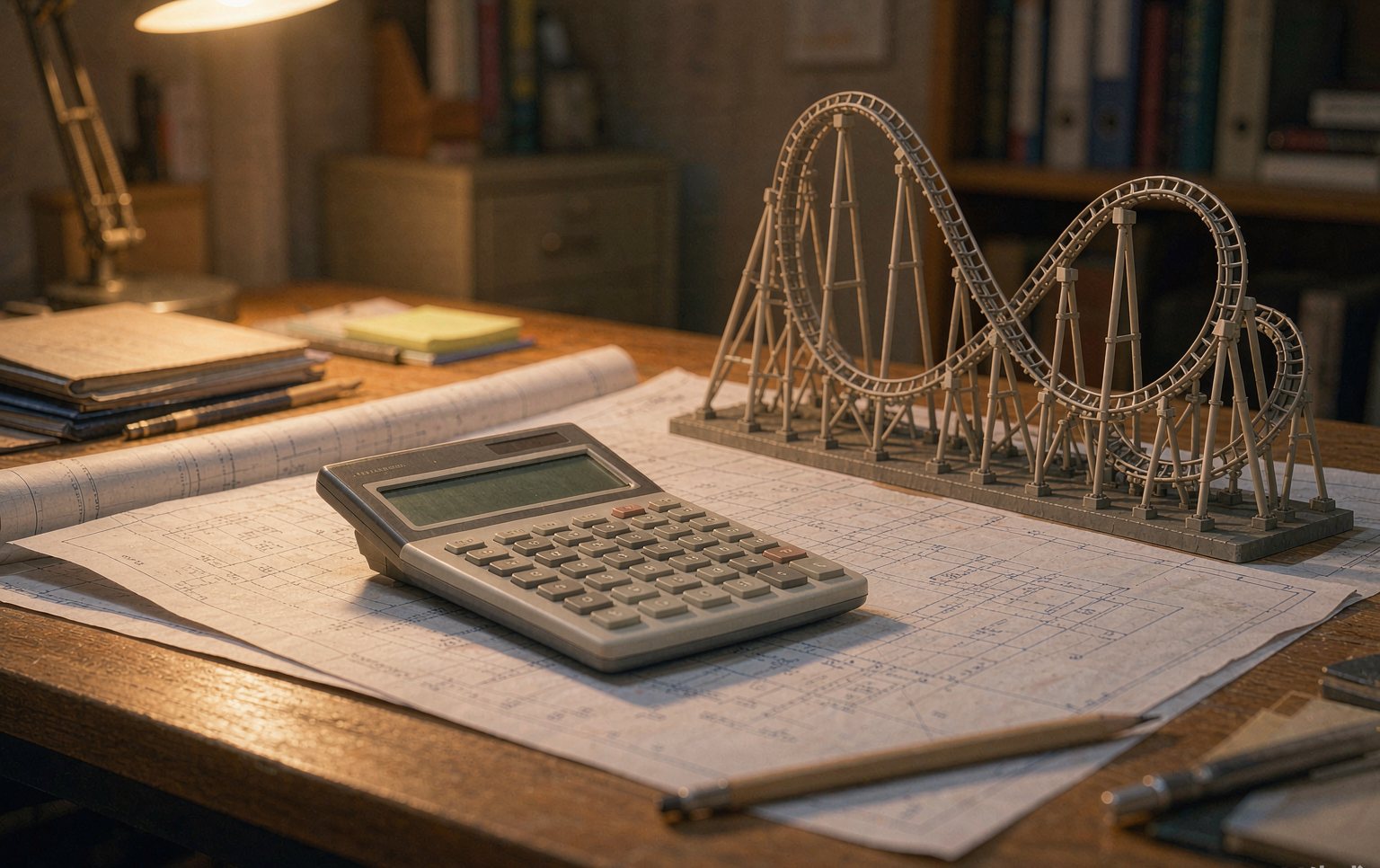
No credible manufacturer will quote a fixed price from a photograph. Before a roller coaster for sale is priced firmly, the factory needs a site survey covering soil bearing capacity, groundwater level, existing utilities, access roads for low-bed trailers and cranes, and the clearance envelope around the layout. Column reactions on a mid-size coaster routinely reach several tonnes per support, and those loads travel straight into your foundation design.
Two surveys usually happen. The first is a desktop review: you supply a topographic plan, a geotechnical report if one exists, and photographs or drone footage of the plot. The second is a physical visit by an engineer, either from the manufacturer or a nominated local partner, who verifies what the drawings claim. Where local code requires it, a licensed civil engineer in your country stamps the foundation drawings — the manufacturer supplies reactions, anchor layouts and tolerances, but the permit remains yours.
Practical points that catch buyers out: drainage under the track (standing water destroys bearings and electrical boxes), the slope of the terrain across the station footprint, the distance from the nearest neighbor for noise, and the turning radius for delivery trucks. Sorting these at survey stage costs a few thousand dollars; sorting them after the steel arrives costs a season, plus a redesign fee and a new permit application.
Engineering, Standards and Certification
Ask for the compliance path in writing before you sign. Reputable factories design to EN 13814 and CE requirements for European markets, ASTM F2291 practice for the United States, and equivalent national codes elsewhere, all under an ISO 9001 quality system. What matters commercially is the paperwork bundle that arrives with the ride: structural calculations, finite element analysis of the track and supports, dynamic simulation of the vehicle cycle, restraint and evacuation analysis, electrical schematics, and the factory test report.
Factory testing is where a serious supplier separates itself. Every unit should be assembled, aligned and cycled at the plant before it is packed, with brakes, sensors and anti-rollback devices verified under load. Ask for the test record with serial numbers, not a generic certificate. For a roller coaster for sale destined for a market with strict ride inspection, this documentation is often the difference between a four-week approval and a six-month argument.
Shipping, Installation and Commissioning
Coaster steel is bulky rather than heavy, so freight is quoted on volume as much as tonnage. A family coaster typically ships in four to eight 40-foot containers or as break-bulk cargo for longer track sections; inverted and launch models need more, plus open-top containers or flat racks for oversize components. Standard terms are FOB from a Chinese port, with CIF available if you prefer the supplier to arrange ocean freight and insurance. Confirm who handles port clearance, inland trucking and unloading at site — crane hire at destination is almost always the buyer’s cost.
On-site assembly for a coaster usually runs 10 to 25 days with a factory installation team, depending on track length, foundation readiness and weather. Commissioning follows: static inspection, no-load cycling, incremental ballast testing, then full-load running with real riders under supervision. Operator training happens in the same window, covering daily checks, restraint verification, evacuation drills and fault logging. Do not open to the public until the commissioning report is signed by both parties and your insurer has seen it.
Payment Terms, Warranty and Lead Times
Typical terms in this segment are 30% deposit with the order, 60% before shipment after factory acceptance testing, and 10% after commissioning — or the simpler 30/70 split with the balance settled against the bill of lading. Telegraphic transfer is standard; letters of credit are accepted for larger contracts, and export credit insurance can be arranged for first-time buyers. Never pay a full balance before you have seen factory test footage and a packing list.
Lead time is the question every buyer asks first. Standard rides leave the factory in 25 to 45 days, while a custom roller coaster for sale — new layout, bespoke theme, non-standard vehicle count — runs 35 to 60 days from approved drawings, excluding ocean transit of roughly 25 to 40 days to most destinations. Add foundation works, shipping and commissioning and a realistic door-to-opening window is four to six months.
Warranty should be two years on mechanical and electrical components, backed by lifetime technical support and a guaranteed spare parts supply. Confirm that consumables — wheels, brake pads, sensors, restraint cylinders — are stocked in a standard catalog with published part numbers, and that the factory will air-freight critical items within days rather than weeks. A coaster standing still is the most expensive asset you own.
Buyer’s Checklist Before You Request a Quote
Send these items with your inquiry and most manufacturers can return a firm, comparable proposal instead of a vague range. Incomplete inquiries are the single biggest reason quotations arrive late, or arrive with allowances that later turn into change orders.
- Plot dimensions, a topographic plan and any existing geotechnical report
- Target audience: height restriction, family or thrill positioning, expected hourly throughput
- Budget band and whether it includes civil works, theming and freight
- Preferred drive type and whether a launch or lift hill fits your power supply
- Required certification and the authority that will inspect the ride locally
- Opening date, and the latest acceptable shipment date that protects it
- Site access constraints: gate width, road weight limits, crane availability
- Language for manuals, training and operator signage
- Spare parts budget for the first two seasons and who stores the stock
FAQ: Buying a Roller Coaster for Sale
How much does a roller coaster for sale cost?
Indicative ex-works bands run from about USD 180,000 for a compact family coaster to USD 4.5 million for a large launch coaster. A realistic all-in budget adds 20–35% for foundations, station building, electrical supply, freight, installation and permits. Final pricing depends on layout, vehicle count, theming and the documentation your regulator requires, so treat any single figure without a specification as a starting point only.
How long is the lead time for a roller coaster for sale from a Chinese manufacturer?
Standard models ship in 25–45 days. A custom roller coaster for sale typically needs 35–60 days from drawing approval, plus 25–40 days of ocean freight and 10–25 days of on-site assembly and commissioning. Ordering before your foundation design is finalized is the most common cause of delay.
Can a coaster be designed for a very small footprint?
Yes. Spinning and family coasters are frequently engineered into plots under 60 × 40 m by stacking helices and using compact station layouts. Send the exact boundary and any no-build zones; the layout engineer will confirm what fits and what throughput is achievable.
What certifications should come with the ride?
At minimum, CE marking with an EN 13814 design report for European installations, ASTM F2291-based calculations for US projects, ISO 9001 factory documentation, and a factory load test record with serial numbers. Confirm early which body will inspect the ride in your country, because the required paperwork differs by market.
What payment terms and warranty are normal?
Expect 30% deposit, 60% before shipment and 10% after commissioning, or a 30/70 split against shipping documents. A two-year warranty on mechanical and electrical components, lifetime technical support, operator training and a cataloged spare parts supply are standard for established manufacturers. Always inspect factory test evidence before releasing the balance.
Next Step: Request a Quote
Anxin Amusement has spent more than 15 years building rides, with 200+ units delivered to 24+ countries across Asia, Europe, the Middle East, South America, Africa and Oceania. Every coaster is designed to CE, EN 13814, ISO 9001 and ASTM requirements, tested at the factory before shipment, and supported on site by our own installation and commissioning team. If you are evaluating a roller coaster for sale for a new park, an expansion phase or an FEC upgrade, send us your plot plan, target audience and opening date. Our engineers will return a layout concept, an itemized quotation and a delivery schedule — usually within a few working days. Start with our custom ride solutions, browse the thrill rides catalog, or contact our team to request a quote.