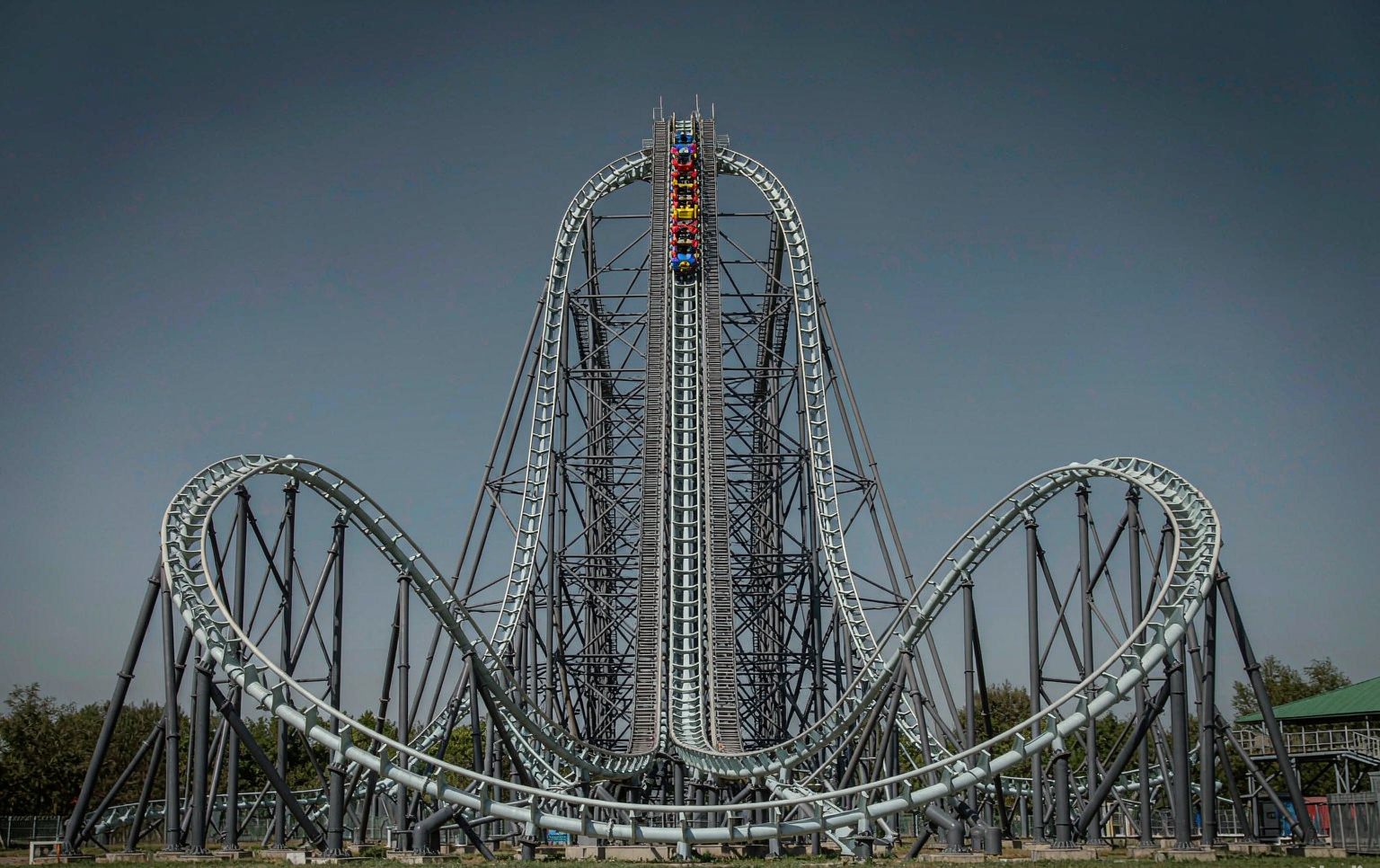
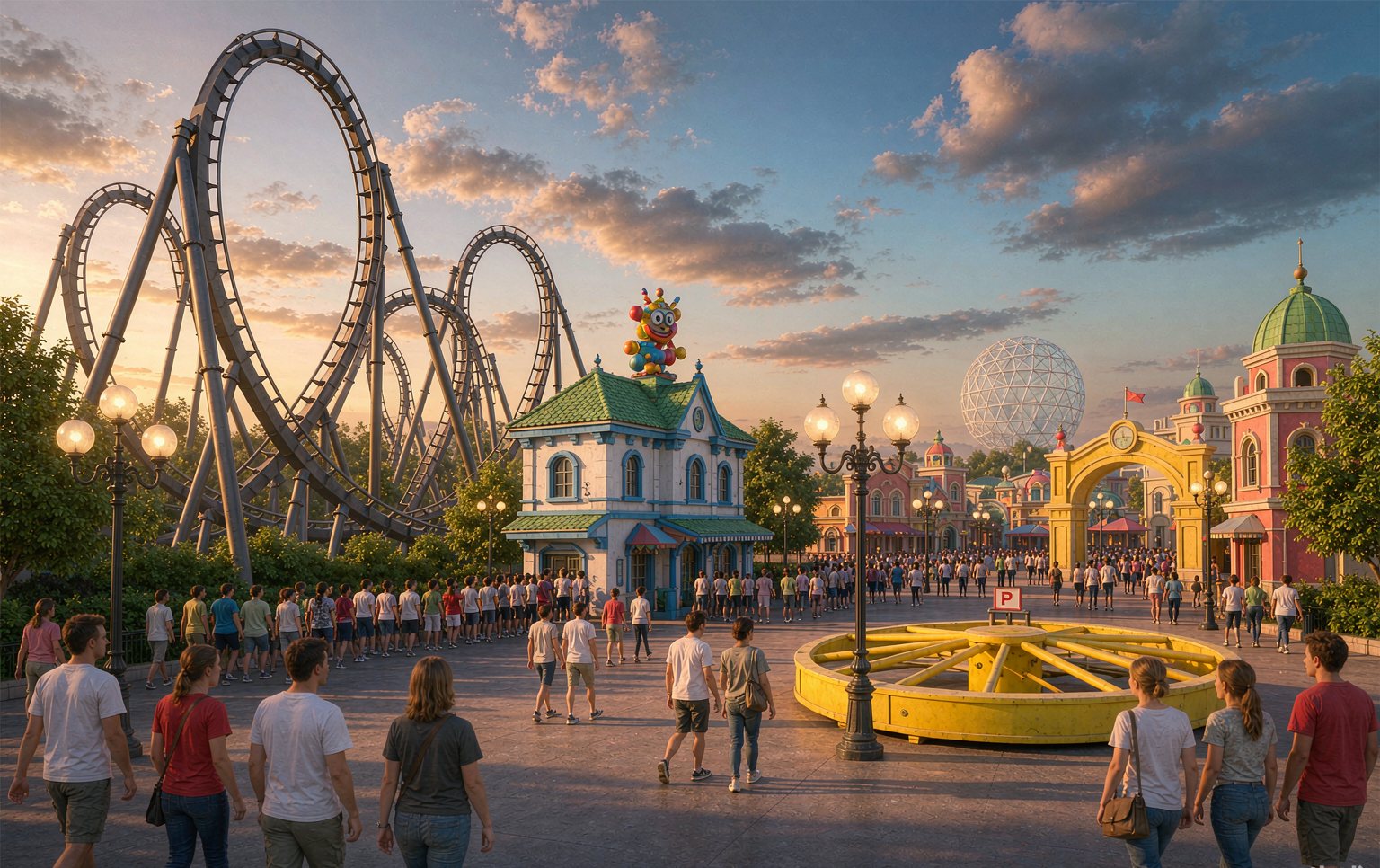
Opening a new park or adding a new land is a capital project long before it becomes an entertainment project. The theme park equipment suppliers you shortlist will shape your budget, your opening date, and how smoothly the operation runs for the next decade. This guide is written for owners, operators, and investors who are ready to buy — not to browse.
Fix the Scope Before You Fix the Vendor List
Most schedule overruns on park projects do not come from civil works. They come from equipment that was specified late, ordered from five vendors who never coordinated, and delivered to a site that could not receive it. Experienced theme park equipment suppliers plan backward from the commissioning date. Before you request a single quotation, lock four inputs: the attraction list with hourly capacity targets, the power and water load each unit draws, the guest circulation plan, and the hard date the gates must open.
A park that knows it needs a 45 m observation wheel, two family coasters, a drop tower, and a 6,000 m² kiddie zone can be priced in weeks. A park still debating a coaster against a dark ride will collect vague numbers for months. Suppliers can only price what is defined, and undefined scope is the most common reason two quotes for the same ride land 40% apart.
What the Full Equipment Package Actually Covers
New-build clients often arrive expecting to buy rides and nothing else. In practice, the scope that decides whether opening day feels finished is wider. Group it into five workstreams before you approach theme park equipment suppliers, because each draws on a different supply base, a different certification regime, and a different installation crew.
- Rides and attractions. Thrill rides, family and kiddie rides, observation wheels, water attractions, and the platforms, fences, and load areas around them.
- Queue line and entry systems. Stanchions, switchbacks, height-check gates, turnstiles, virtual queue hardware, and the signage that keeps a 900-person-per-hour line moving without staff intervention.
- Area and show lighting. Facade wash, path lighting, ride envelope lighting, and the DMX control layer that lets one operator run an evening program across the whole site.
- Theming, scenery, and facades. Rockwork, themed structures, props, sign towers, and the finishes that turn a steel structure into a place guests photograph.
- F&B kiosks and retail units. Modular kiosks with water, waste, and power connections, plus the counters, canopies, and storage that food-safety inspectors will ask about.
Each workstream sits under a different standard. Rides fall under EN 13814 or ASTM F24 and require design review, factory testing, and commissioning documentation. Electrical work follows local code and usually needs a third-party inspection before energization. Food units answer to public health regulation. A supplier who claims to cover all five in-house is worth testing with a specific technical question in each category.
Turnkey Partner or Split Package?
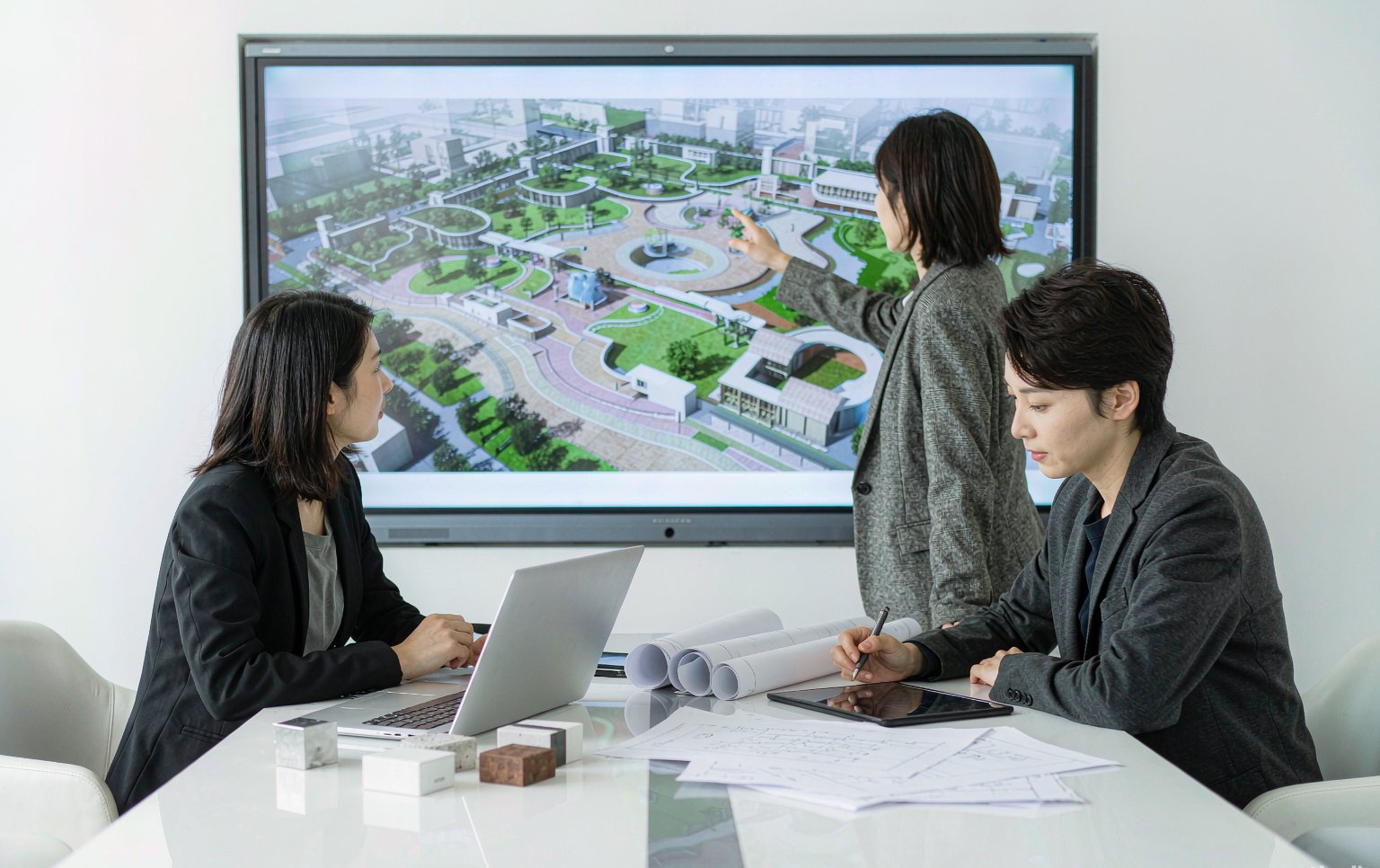
The commercial question every buyer faces is whether to award one contract or six. Neither answer is universally right, and the decision should be made on management capacity rather than on price alone.
A single turnkey partner gives you one schedule, one point of accountability when something is late, one warranty conversation, and one set of interface drawings. You pay for that: coordination is typically priced at a 5–12% premium over buying the same scope item by item, and you inherit the partner’s taste in theming and their preferred sub-suppliers. The model suits investors without an in-house technical team, first-time park developers, and projects where the opening date is tied to a financing covenant.
Splitting the package lowers unit prices and widens choice. You can buy rides from a specialist manufacturer, lighting from a local integrator, and F&B units from a fabricator two hours from site. The cost is yours to absorb: you become the integrator, and every interface — power capacity, foundation tolerances, cable routing, delivery sequencing — becomes your problem. That works when you have a project manager who has delivered a park before and can hold daily coordination calls for eighteen months.
A hybrid usually wins. Award rides and structural theming to one theme park equipment suppliers contract so the load paths and the guest-facing envelope are designed together, then buy lighting control, AV, and F&B fit-out locally where service response matters more than factory pricing.
Indicative Price Bands in USD
The table below is a budgeting tool, not a quotation. It reflects typical export packages from Chinese manufacturers at ex-works terms and is intended to tell you whether your concept is fundable before you spend money on a full tender.
| Equipment category | Typical scope | Indicative price (USD, ex-works) |
|---|---|---|
| Family and kiddie rides | 6–12 units with installation | 180,000 – 650,000 |
| Thrill rides | 2–4 units (drop tower, pirate ship, top spin) | 250,000 – 1,400,000 |
| Coasters | One family or launch coaster | 900,000 – 6,500,000 |
| Observation wheel | 42 m – 66 m, complete | 1,200,000 – 7,000,000 |
| Queue line systems | Turnstiles, gates, switchbacks, signage | 40,000 – 300,000 |
| Area and show lighting | Fixtures plus DMX control layer | 60,000 – 450,000 |
| Theming and scenery | Facades, rockwork, props, fabrication | 150,000 – 2,000,000 |
| F&B kiosks and retail | 4–12 modular units, connected | 80,000 – 500,000 |
All figures are indicative and ex-works. Final pricing depends on configuration, ride height and capacity, theme level, documentation package, and destination port. Always request a written quotation against your own specification.
Reading the table correctly matters more than the numbers. Rides scale roughly with capacity and height; theming scales with surface area and detail; queue and lighting scale with guest volume. A park that doubles its peak attendance will not double its ride spend, but it will roughly double its queue, lighting, and F&B spend. Good theme park equipment suppliers will re-cut the package to protect throughput before they cut rides.
Running a Tender That Produces Comparable Numbers
An RFQ is only useful if every reply answers the same questions in the same units. Send one document pack, require replies in a fixed format, and state that incomplete bids will not be scored. The pack should contain a site plan with levels, a utilities schedule, the target opening date, and your draft contract terms.
- Technical schedule. One line per unit: model, capacity per hour, ride cycle, height and age restrictions, footprint, installed power, and foundation loads.
- Scope of supply and exclusions. Itemized. Anything not listed as included is assumed excluded, and must be priced separately by you.
- Certification evidence. CE declaration, EN 13814 or ASTM F24 test reports, ISO 9001 certificate, and a factory test record for the exact unit type offered.
- Price breakdown. Equipment, spares package, documentation, packing, inland transport to port, sea freight, insurance, installation supervision, and commissioning — each on its own line.
- Payment schedule. Proposed milestone structure with percentages and trigger events, not just “30/70”.
- Delivery commitment. Factory lead time in calendar days from receipt of deposit and approved drawings, plus a liquidated damages position for late shipment.
- Warranty and service. Warranty period, response time for a technical ticket, spare parts availability horizon, and price of an annual service visit.
- References. Two parks of comparable size in a comparable climate, with a contact who will actually answer an email.
Score the replies on four weighted criteria — technical compliance, total landed cost, delivery certainty, and after-sales capability — and keep the weighting fixed before bids open. Shortlist three, then ask each for a clarification round on their weakest area. The clarification round is where theme park equipment suppliers reveal how they behave when a problem appears, which is a better predictor of project outcome than the opening presentation.
Payment Milestones, Shipping, and Delivery Window
Export terms for park equipment are fairly standardized, and any request to depart from them is worth questioning. A typical structure is 30% deposit with the purchase order, 60% before shipment against photographs and test reports, and 10% after commissioning on site. Larger projects sometimes split the pre-shipment portion into a drawing-approval payment and a pre-delivery payment. Never release the balance before you have seen the factory test record for your actual unit.
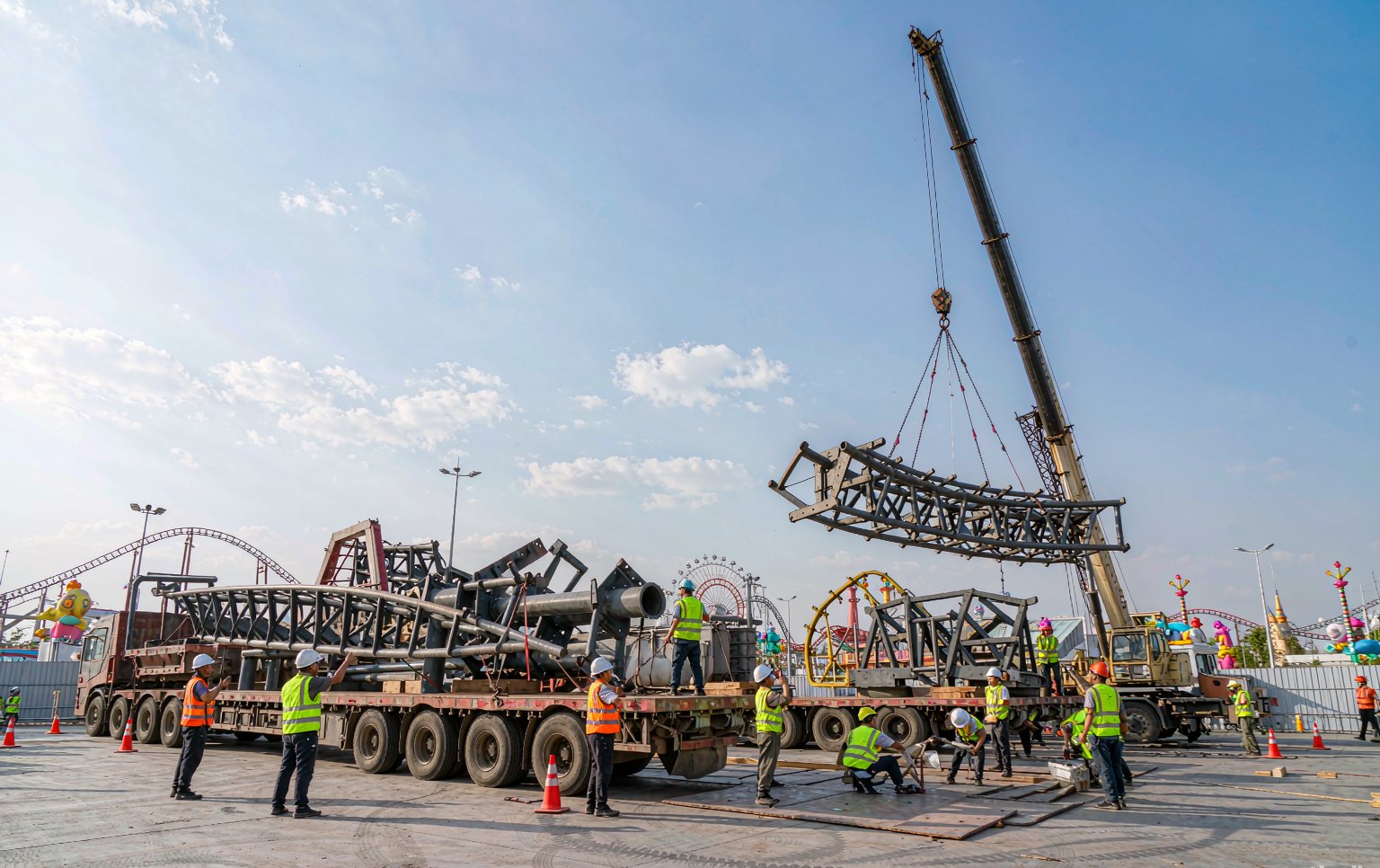
Shipping is usually quoted FOB from a Chinese port, with CIF available if you want the supplier to arrange freight and insurance. FOB gives you control of the forwarder and is preferred by buyers with existing logistics contracts; CIF is simpler for first-time importers. Either way, confirm who handles port clearance, inland haulage, and the unloading crane at site — a 66 m wheel arriving without a crane booking is an expensive afternoon. Ask theme park equipment suppliers to quote both terms side by side so the landed cost is visible before you sign.
Standard rides ship in 25–45 days from deposit and drawing approval. Custom and large equipment — Ferris wheels, coasters, heavily themed structures — runs 35–60 days. Add 30–45 days of sea freight, 10–25 days of on-site assembly, and two to three weeks for commissioning, staff training, and the pre-opening inspection. Work the calendar backward from your opening date and keep a four-week buffer for customs.
Spare Parts, Service Contracts, and Warranty
Warranty length is a weak differentiator on its own; every credible manufacturer offers two years. What separates theme park equipment suppliers is what happens in year three. Ask for a recommended first-year spares package priced as a line item — bearings, wheels, restraint components, sensors, drive belts, and a spare control module. A park that waits for a failure to order a part from overseas loses ride days that cost far more than the inventory.
A service contract should specify response time, not just availability. A workable structure is remote diagnosis within 24 hours, a named engineer assigned to the account, one scheduled inspection visit per year with a written report, and a guaranteed spare parts supply horizon of at least ten years from delivery. Reliable theme park equipment suppliers will fold operator training into the original purchase order rather than selling it as an add-on; a trained crew reduces downtime more than any single spare part.
Frequently Asked Questions
How many theme park equipment suppliers should a new park work with?
Three to five is the practical range for a first build. Fewer than three removes competitive tension and leaves you exposed if one vendor fails; more than five multiplies coordination without improving price. Award the ride package to one supplier where possible, and split only where a local provider clearly wins on service response.
What is the minimum order for a serious quotation?
Most manufacturers will quote a single ride, but the economics improve sharply from four to six units, where tooling, packing, and freight are shared. For a small FEC, expect meaningful pricing from a mixed package of kiddie rides, one family thrill ride, and a queue system rather than a single unit.
Are Chinese theme park equipment suppliers accepted by insurers and regulators?
Yes, provided the documentation is complete. CE marking, EN 13814 or ASTM F24 compliance, ISO 9001 certification, and a factory test record for the specific unit are what inspectors and insurers review. Confirm early which standard your jurisdiction enforces, and require the supplier to state compliance in the contract, not only in a brochure.
Can a park phase procurement across two or three budget years?
Phasing is normal and often wise. Buy infrastructure-heavy items first — utilities, queue structures, lighting control — because retrofitting them later costs more than the rides. Order rides in phases that match attendance growth, but keep one master plan so foundations, power capacity, and circulation are sized for the final build.
What deposit and payment terms are standard?
30% deposit, 60% before shipment, and 10% after commissioning is the common export structure, usually with FOB or CIF shipping. Some theme park equipment suppliers accept letters of credit for orders above USD 500,000, which is worth requesting if your treasury prefers documentary credit over cash advance.
Request a Quote
Send us your site plan, target attendance, and opening date, and we will return a scope split, an indicative budget, and a delivery schedule within five working days. Anxin Amusement has manufactured rides for more than 15 years, delivered over 200 units to 24+ countries, and supplies complete park packages under CE, EN 13814, ISO 9001, and ASTM compliance, with a two-year warranty and lifetime technical support. Start with our custom park solutions, browse thrill rides and family and kiddie rides, or send your RFQ directly to our engineering team.