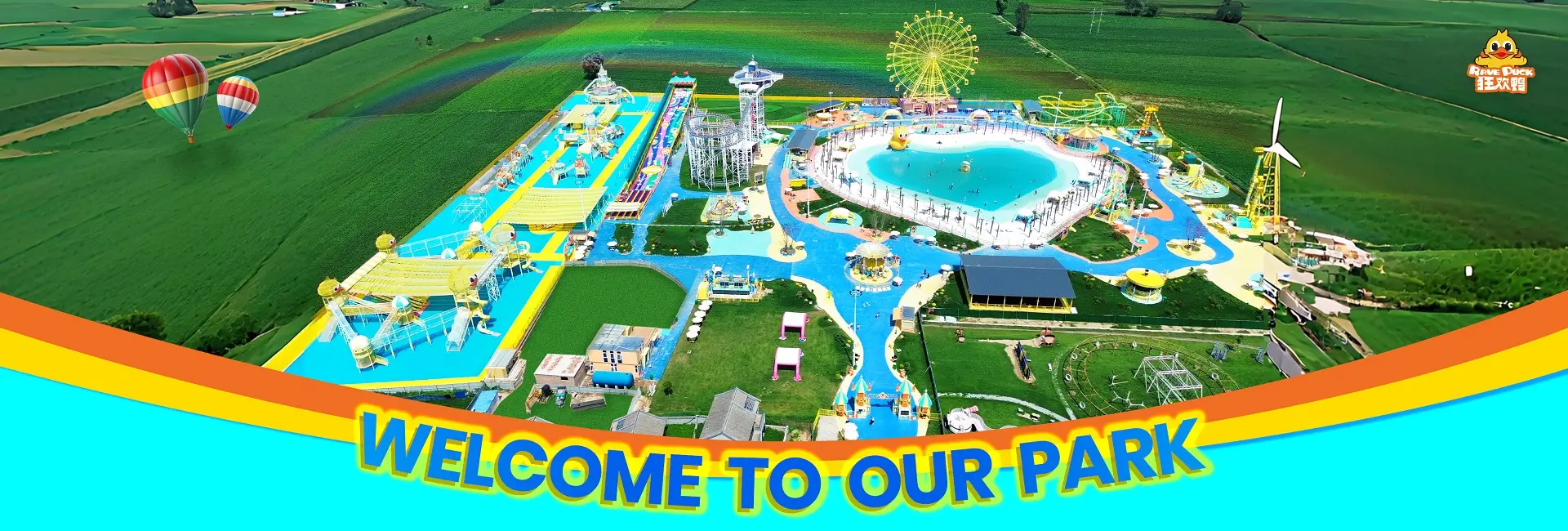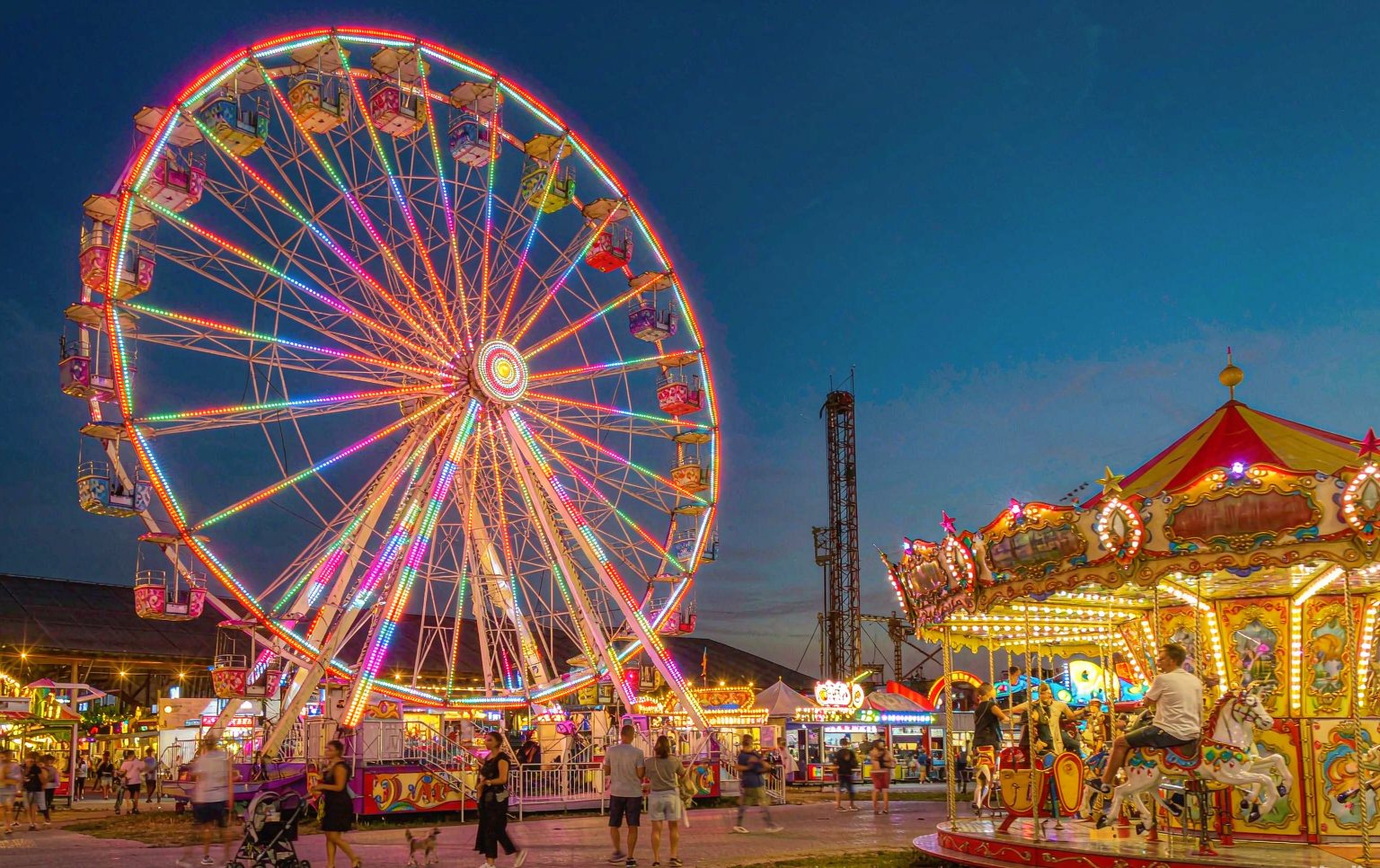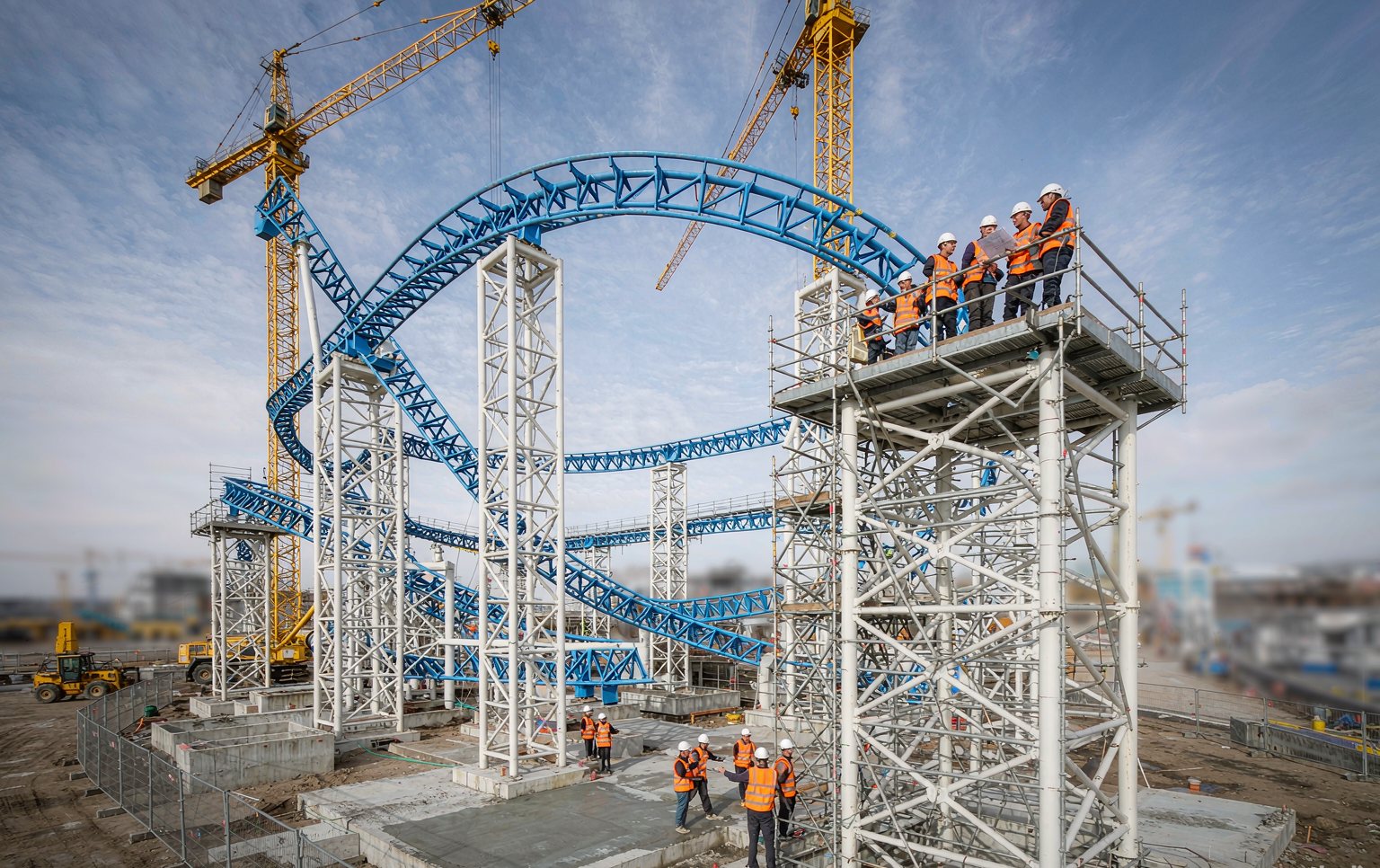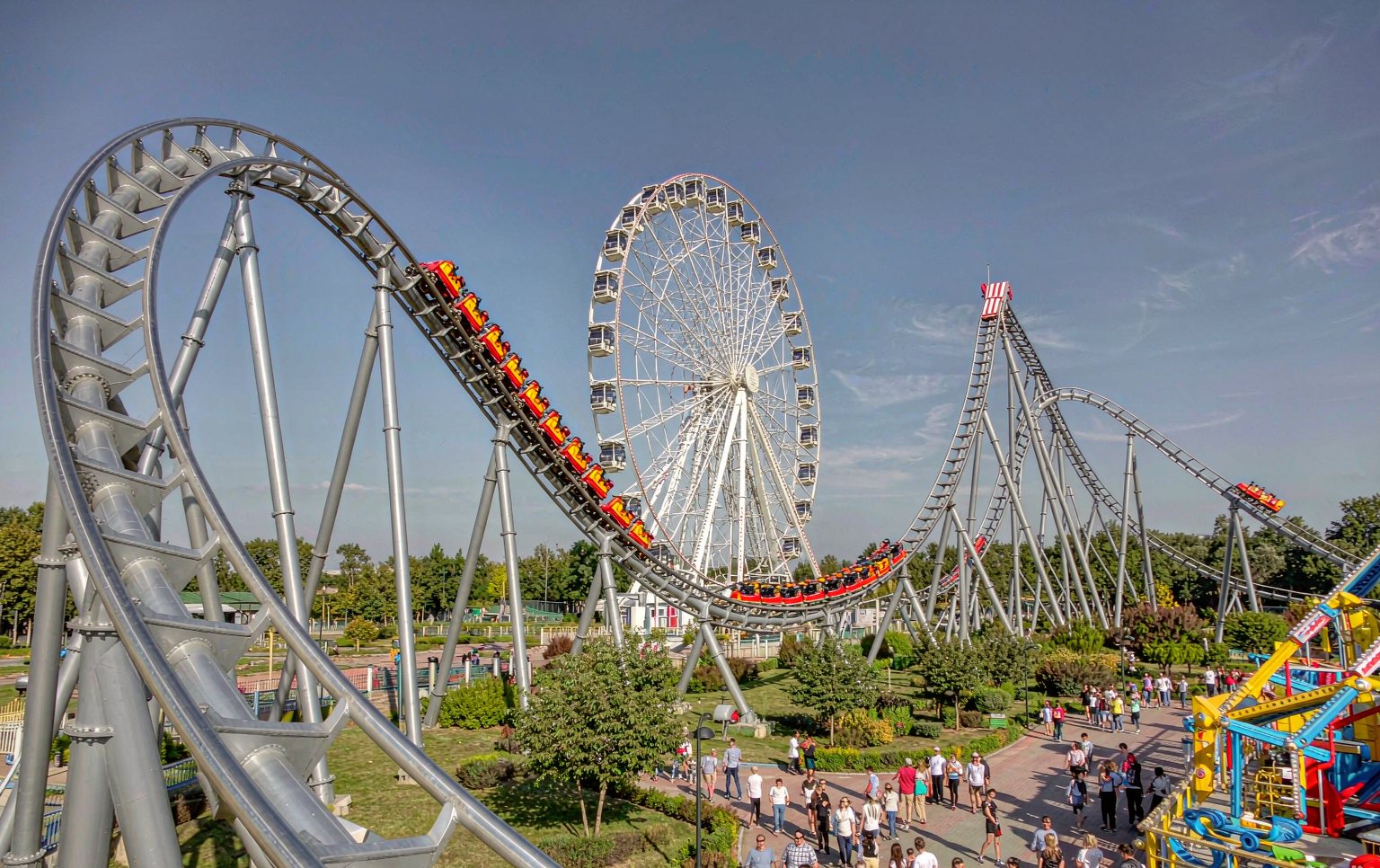
Amusement facilities are often understood as rides, but a complete park environment includes much more. Rides, play structures, game areas, food outlets, restrooms, ticketing systems, guest service counters, first aid points, parking areas, walkways, shade structures, and entertainment zones all belong to the same operational system. A visitor may remember the rides, but their overall experience depends on how well every facility works together.
A modern amusement facility must do more than attract attention. It must support safety, comfort, efficiency, and enjoyment. A beautifully designed ride can still fail if queues are confusing, restrooms are distant, signage is unclear, or maintenance is inconsistent. That is why amusement facilities should be planned as part of a complete guest journey, not as isolated attractions.
The Role of Rides in Amusement Facilities
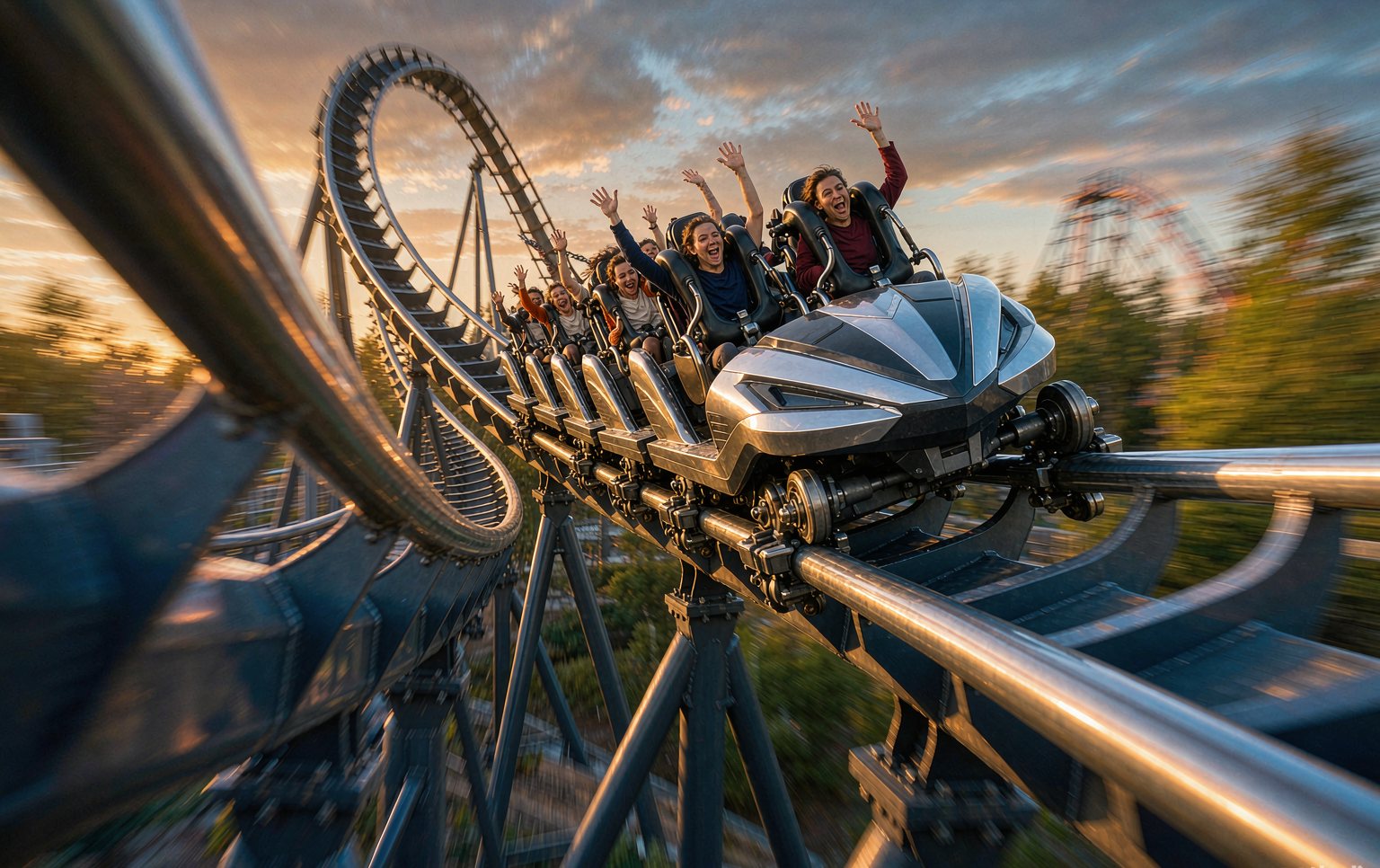
Rides remain the most visible part of amusement facilities. They create excitement, define the park’s identity, and give visitors a reason to return. However, rides also require careful planning. Each attraction affects noise levels, crowd movement, power needs, maintenance access, queue space, and theming.
A strong ride mix usually includes attractions for different ages and energy levels. Young children may need gentle rides, while teenagers may seek faster experiences. Families often prefer attractions where parents and children can participate together. Adults may enjoy scenic rides, shows, dining areas, or relaxed entertainment. When amusement facilities offer this variety, the park becomes more inclusive and commercially resilient.
Ride selection should also match the park’s theme and location. A coastal park may benefit from nautical themes, while an urban entertainment venue may favor compact attractions and strong visual identity. A regional family park may focus on accessible thrills, while a destination theme park may invest in large-scale immersive experiences.
Play Areas and Family Zones
Not all amusement facilities are mechanical rides. Play areas and family zones are essential in parks that serve young children and multi-generational visitors. These spaces often include soft play structures, climbing frames, slides, water features, sensory panels, and themed environments.
Family zones help balance the intensity of larger rides. They give younger guests a place to explore safely while allowing parents to relax nearby. A well-designed play area should have clear age guidance, safe surfacing, controlled entry points, shaded seating, and visible sightlines for supervision.
Theming can make these facilities more engaging. A jungle, pirate, castle, space, or farm theme can turn a simple play structure into an imaginative environment. Children respond strongly to storytelling, even in small spaces. When play areas feel connected to the wider park, they become more memorable and more shareable.
Food, Retail, and Service Facilities
Food and retail facilities are often underestimated, but they play a major role in visitor satisfaction. Families spend long hours in parks, and access to food, drinks, snacks, restrooms, and shaded seating affects comfort and mood. Poor food service can create frustration, while well-planned dining options can extend visit length and improve satisfaction.
Amusement facilities should place food outlets where they support natural breaks in the day. Guests should not have to leave a popular zone to find basic services. Dining areas should offer quick service options, child-friendly menus, allergy information, seating, waste bins, and shade. Retail outlets should offer items that reflect the park’s identity rather than generic souvenirs.
Service facilities also include ticketing, information desks, guest relations, lost child points, first aid rooms, baby care areas, and accessible restrooms. These spaces may not create excitement, but they build trust. When visitors feel supported, they stay longer, spend more confidently, and are more likely to return.
Safety Standards and Risk Management
Safety is the foundation of every amusement facility. Visitors expect rides, play areas, and service zones to be safe, clean, and well managed. That expectation requires more than occasional inspections. It requires a continuous system of design checks, staff training, maintenance records, emergency planning, and guest communication.
Each facility carries different risks. Rides involve mechanical movement, height, and restraints. Play areas involve climbing, falling, and active movement. Water features involve slip hazards and supervision needs. Food areas involve hygiene, temperature control, and allergen management. Service areas involve crowd flow and emergency access.
Good safety planning does not remove fun. It makes fun possible. Clear rules, visible staff, clean equipment, controlled access, and reliable maintenance help guests relax. When safety feels invisible because it is well managed, the park experience improves.
Maintenance and Operational Reliability
Amusement facilities depend on consistent maintenance. A ride that closes unexpectedly, a play structure that looks worn, a restroom that feels unclean, or a food outlet with long delays can damage trust quickly. Maintenance is not only about repairs. It is about preventing problems before they affect guests.
Preventive maintenance should cover mechanical systems, electrical systems, restraints, lighting, surfacing, plumbing, signage, and decorative elements. Records should be kept for inspections, repairs, replacements, and safety checks. Staff should know how to report issues quickly, and managers should have clear procedures for closing, inspecting, and reopening facilities when needed.
Operational reliability also affects guest flow. If one major ride closes, visitors may crowd other attractions. Parks should plan for this by offering alternative entertainment, flexible scheduling, clear communication, and service recovery options. A well-managed park can turn unexpected downtime into a controlled situation rather than a guest experience failure.
Accessibility and Inclusive Design
Amusement facilities should serve as many visitors as possible. Accessibility does not only mean wheelchair access. It includes clear signage, gentle gradients, wide pathways, accessible restrooms, quiet areas, sensory-friendly options, family restrooms, baby care facilities, and staff training for different guest needs.
Inclusive design helps families with young children, older visitors, guests with mobility needs, and visitors with sensory sensitivities. When a park makes inclusion part of its planning, it communicates respect and professionalism. It also expands its audience. Parks that are easy to navigate and comfortable for different needs often receive stronger word-of-mouth recommendations.
Accessibility should be considered early in design, not added later. A pathway that is too narrow, a queue that lacks shade, a restroom that is difficult to find, or a ride entrance with unclear instructions can create barriers. Small design decisions can have a large effect on how welcome different visitors feel.
Guest Flow and Park Layout
Amusement facilities must be arranged to support smooth guest flow. Visitors should be able to move between attractions, food areas, restrooms, exits, and entertainment zones without confusion. Poor layout can make even a high-quality park feel frustrating.
Important attractions should not block main pathways. Queue lines should not spill into narrow walkways. Food areas should not create bottlenecks near entrances. Play zones should be visible to parents but separated from high-traffic routes where possible. Service areas should be easy to find without dominating the visual experience.
Signage plays a major role in guest flow. Directional signs, maps, ride information, height requirements, health warnings, and service locations should be clear and consistent. Visitors should not need to ask staff for basic directions if the environment is well designed. Good signage reduces stress and helps guests feel in control of their visit.
Theming, Atmosphere, and Guest Memory
Amusement facilities become more memorable when they feel part of a larger environment. Theming can connect rides, play areas, food outlets, retail shops, music, lighting, and staff presentation into one coherent experience. A pirate-themed zone, for example, should feel different from a futuristic zone or a classic carnival area.
Atmosphere affects emotion. Color, sound, lighting, texture, landscaping, and decorative details all shape how visitors feel. A clean, colorful, well-lit environment feels welcoming. A neglected entrance, faded signage, or mismatched design can make a park feel unprofessional.
Theming also supports marketing. Visitors remember places that feel distinctive. Strong visual identity helps with photography, social sharing, and brand recognition. When amusement facilities are designed with both function and atmosphere in mind, they become more than service points. They become part of the story guests want to remember.
The Long-Term Value of Well-Planned Amusement Facilities
Amusement facilities are long-term investments. Their value is not measured only by installation cost, but by safety, durability, guest satisfaction, operational efficiency, and repeat visits. A poorly planned facility may attract attention at first, but weak maintenance, poor layout, or unclear service can reduce its value over time.
The most successful parks treat amusement facilities as part of a complete system. Rides, play areas, food outlets, restrooms, signage, maintenance routes, staff areas, and guest services must all support the same visitor experience. When every part of the park works together, guests feel cared for, entertained, and confident.
Amusement facilities should therefore be planned with both imagination and discipline. Creativity makes the park memorable. Safety, maintenance, accessibility, and service make it sustainable. Together, they create environments where families, friends, and visitors of all ages can enjoy time together without unnecessary stress or confusion.