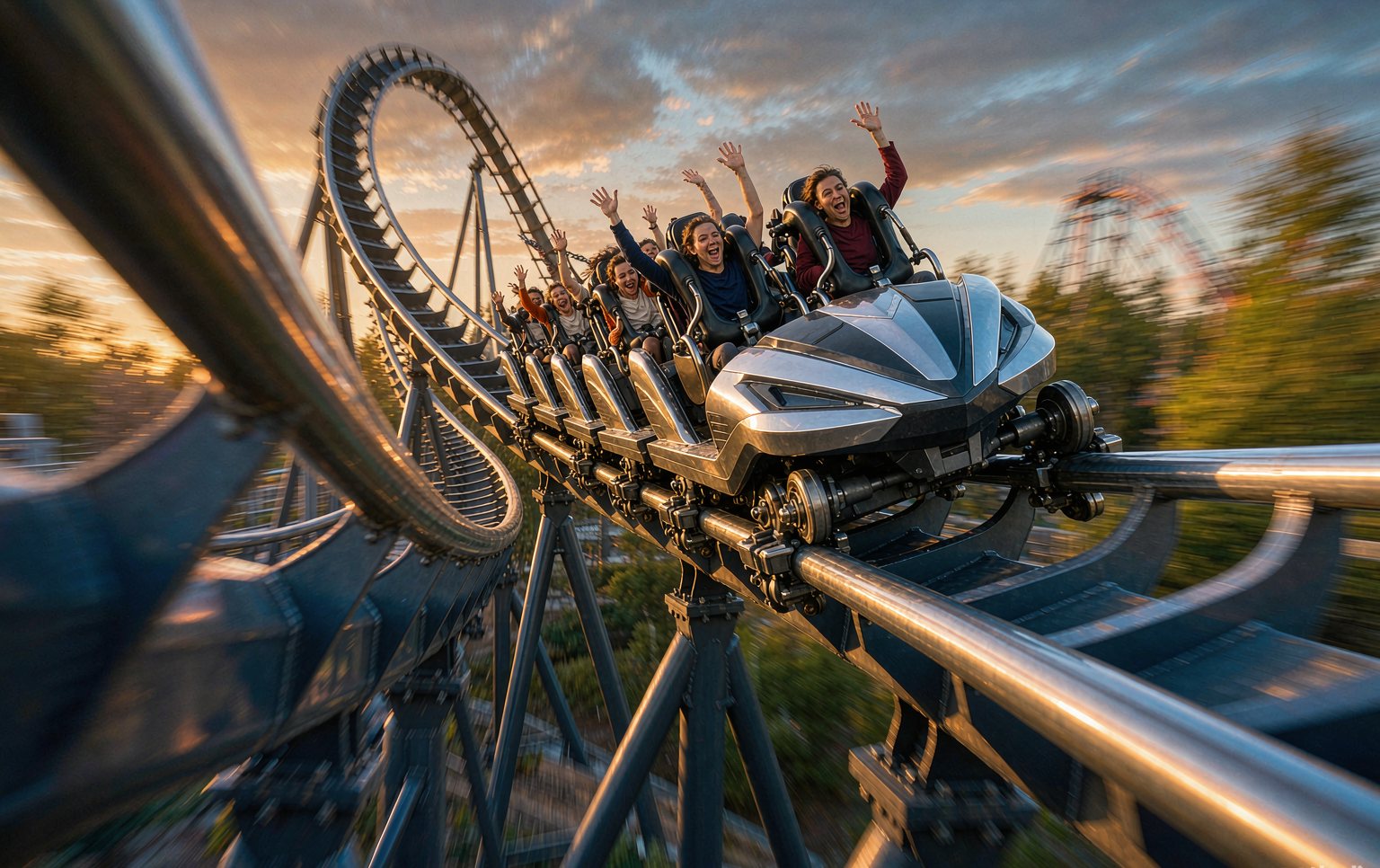
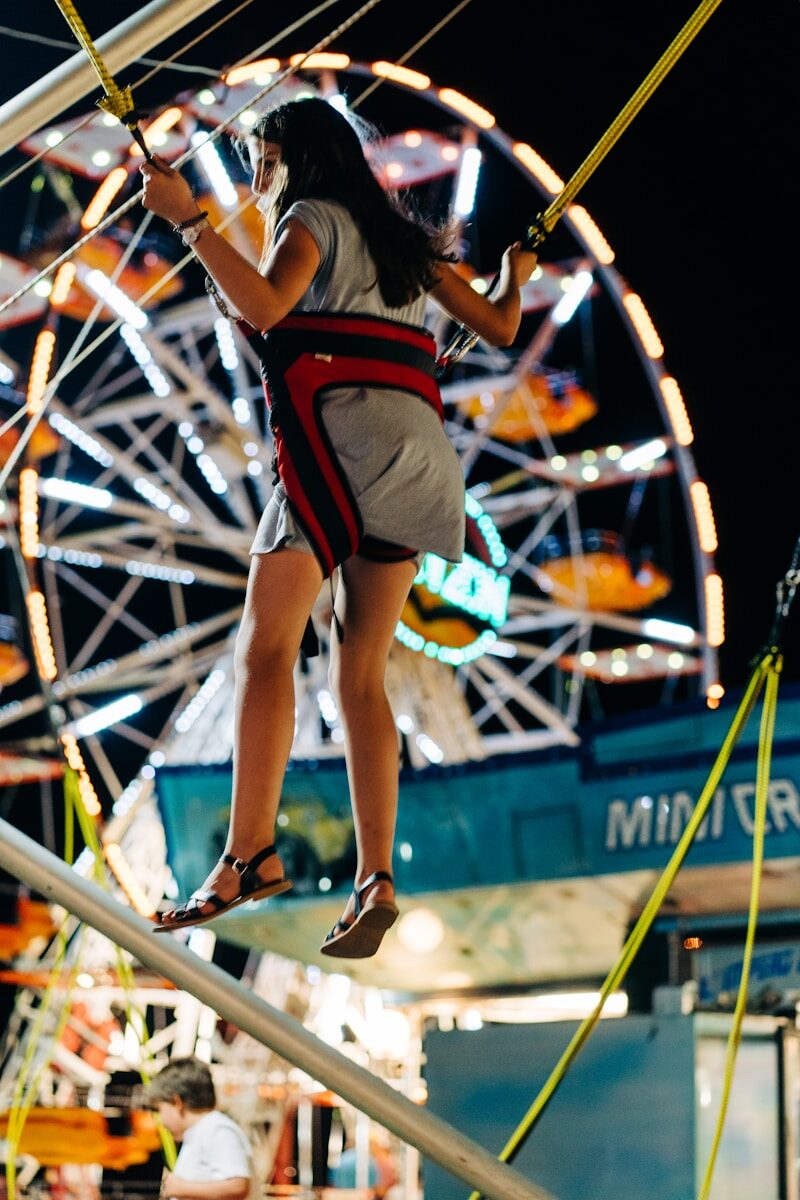
Swing rides at amusement parks have remained popular for decades because they offer a simple but powerful experience: height, motion, air, and a sense of freedom. Unlike complex thrill rides that depend on elaborate storytelling or intense speed, a swing ride communicates its appeal instantly. Visitors can see the seats moving, hear the music, watch the rotation, and immediately understand what the experience will feel like.
That clarity is one reason swing rides work well in many park environments. They can appear in large theme parks, family entertainment parks, traveling carnivals, beachfront amusement areas, and smaller regional parks. They are familiar enough to feel comfortable, yet dynamic enough to feel exciting. For children approaching bigger rides for the first time, a swing ride often becomes a milestone attraction.
The Basic Experience of a Swing Ride
A swing ride typically features a rotating central structure with seats suspended from arms or chains. As the ride spins, the seats move outward, creating a sensation of height, motion, and gentle wind. The experience can be thrilling without being overwhelming, especially when the speed and height are carefully controlled.
The appeal is partly physical. Riders feel movement, elevation, and airflow. The appeal is also visual. From outside the ride, the rotating motion creates a striking image. The seats move in a circular pattern, often accompanied by colored lights, music, and decorative elements. This makes swing rides effective landmarks within a park layout.
For families, swing rides offer an accessible form of excitement. They are usually less intimidating than large roller coasters or drop towers, but more adventurous than a carousel. That middle position makes them valuable in parks that serve mixed-age audiences.
Swing Rides in Family-Friendly Park Design
Swing rides at amusement parks are especially useful in family-friendly environments. A park needs attractions that appeal to different age groups, and swing rides often sit comfortably between gentle children’s rides and more intense thrill attractions.
Younger riders may enjoy the sensation of spinning and rising without facing extreme forces. Older children and teenagers may enjoy faster rotation, brighter lights, or themed versions of the ride. Parents may appreciate that the ride is usually easy to understand, visually open, and quick to experience.
In family entertainment parks, swing rides can also help manage guest flow. Because they often have recognizable capacity and cycle times, they can absorb crowds without creating excessive confusion. When placed near other family attractions, they help create a natural cluster of experiences that keeps visitors engaged.
Theming and Visual Identity
A swing ride does not need to be a plain mechanical attraction. Theming can transform it into a stronger part of the park environment. A pirate-themed swing ride, for example, might use rope-style details, wooden textures, nautical colors, and treasure-inspired lighting. A space-themed version might use metallic finishes, LED effects, and futuristic sound design.
Theming helps the ride feel connected to its surroundings. Instead of appearing as an isolated machine, it becomes part of a larger story. This matters because modern amusement park visitors expect more than function. They expect atmosphere.
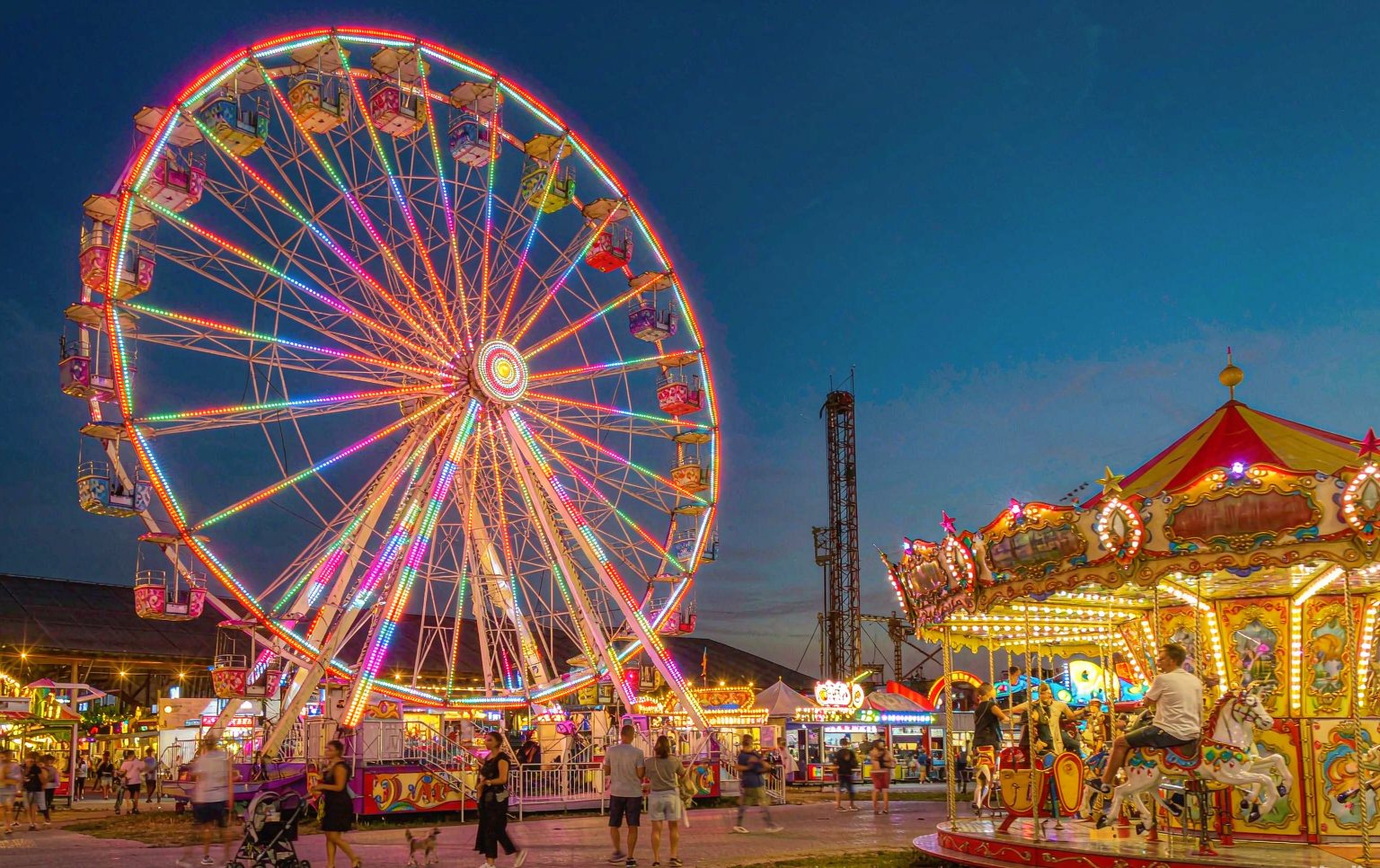
Lighting is especially important for swing rides. Because the ride moves and rotates, lighting becomes part of the visual performance. Colored lights, animated effects, and themed mast designs can make the ride feel more dramatic after dark. Evening operation can therefore become a major attraction advantage.
Safety Considerations and Ride Discipline
Safety is central to the design and operation of swing rides at amusement parks. Riders must be properly secured, height restrictions must be enforced, and operating procedures must be followed consistently. Even though a swing ride may feel gentle, it still involves height, rotation, and moving mechanical components.
Restraint systems should be appropriate for the ride type. Operators should check restraints carefully before each cycle. Staff should communicate clearly with riders, especially children. Queue areas should prevent unauthorized access to the ride perimeter. Maintenance checks should be scheduled regularly and documented properly.
Rider behavior also affects safety. Guests should understand when to sit down, hold on, keep hands inside the ride area, and follow staff instructions. Clear signage and verbal announcements help reduce confusion. In family parks, staff should be trained to handle children, anxious riders, and guests who may not understand ride rules.
Placement Within the Park Layout
The location of a swing ride influences how visitors experience it. A well-placed swing ride can act as a visual anchor, drawing guests toward a particular zone. A poorly placed ride may create congestion, block pathways, or feel disconnected from the surrounding attractions.
Ideal placement often considers sightlines, noise, queue space, pedestrian flow, and theming. A swing ride near a family play center, food court, or children’s zone can create a natural cluster of attractions. This helps families move between experiences without long or confusing walks.
Noise and music should also be considered. Swing rides often use music or sound effects to enhance the experience. If the audio is too loud or poorly directed, it may interfere with nearby attractions, dining areas, or quieter zones. Thoughtful placement helps maintain a balanced soundscape across the park.
Maintenance, Operations, and Guest Confidence
A swing ride may look simple, but reliable operation requires consistent maintenance. Mechanical components, electrical systems, restraints, lighting, and control systems all need regular inspection. Preventive maintenance reduces unexpected downtime and supports guest confidence.
Visible maintenance also matters. When guests see clean equipment, organized queue areas, attentive staff, and clear safety instructions, they feel more comfortable. If a ride appears neglected, even a minor issue can create anxiety. Operators should treat maintenance and presentation as part of the guest experience, not just a backend responsibility.
Staff training is equally important. Ride operators should understand normal procedures, emergency protocols, guest assistance, and crowd management. Friendly communication can reduce fear for nervous riders. Clear instructions can