The Philippine Amusement Market Is Having Its Moment
Ask any operator who has run a park in Southeast Asia over the past five years and they will tell you the same thing: the Philippines is where the growth is. Mall-based family entertainment centers are multiplying across Metro Manila, Cebu, and Davao, provincial governments are investing in destination parks, and a young population with a strong mall culture keeps foot traffic high nearly every day of the year. If you have been searching for amusement rides for sale in Philippines markets, you are competing in an industry that rewards early, well-planned investment. This guide covers which rides sell best in the local climate, what they actually cost delivered to Manila, the engineering and import details most buyers miss, and how to shortlist a factory you can rely on for years after commissioning.
Anxin Amusement has supplied rides to park and FEC operators across Southeast Asia for more than a decade, and we ship regularly to Philippine ports with installation supervision and operator training included. Every ride is certified to EN 13814 and designed to ASTM F2291 criteria, with typhoon-rated wind loads and tropical corrosion protection adapted as standard. Request a quote with your site drawings and we will return a matched equipment list and itemized quotation within 48 hours. Everything below reflects the questions we hear most from buyers comparing amusement rides for sale in Philippines listings.
Why the Philippines Rewards Ride Investment Right Now
The fundamentals behind Philippine amusement demand are unusually strong. The population is young, urbanizing, and concentrated around shopping malls, exactly the environment where pay-per-ride and unlimited-wristband models thrive, and the tourism recovery has pushed visitor numbers at established destinations well past pre-pandemic levels.
- Mall culture: air-conditioned malls double as all-weather parks, which is why indoor and kiddie attractions inside retail anchors consistently outperform expectations.
- Year-round season: there is no winter shutdown, so a ride purchased this year starts earning this year and keeps earning every month afterward.
- Low labor costs: ride operations, ticketing, and maintenance labor cost a fraction of Western rates, which improves the payback math on higher-throughput equipment.
- Undersupplied provinces: outside Metro Manila and Cebu, quality rides remain scarce, so the first modern attraction in a provincial city often dominates its market.
- Favorable payback: at typical ticket prices of 50 to 150 pesos per ride, a mid-size family attraction can recoup its equipment cost in 12 to 24 months.
None of this means every import succeeds. Operators who buy the cheapest listing without checking wind ratings, corrosion protection, or documentation regularly spend more on repairs than they saved at purchase. The checklist below is what we walk through with every client before they commit to any amusement rides for sale in Philippines offer.
Which Ride Categories Perform Best in the Philippines
Not every ride class suits every site. The right mix depends on whether you operate an outdoor destination park, a mall-based FEC, or a provincial carnival circuit. Buyers browsing amusement rides for sale in Philippines catalogs should start by matching category to location.
Ferris Wheels and Observation Rides
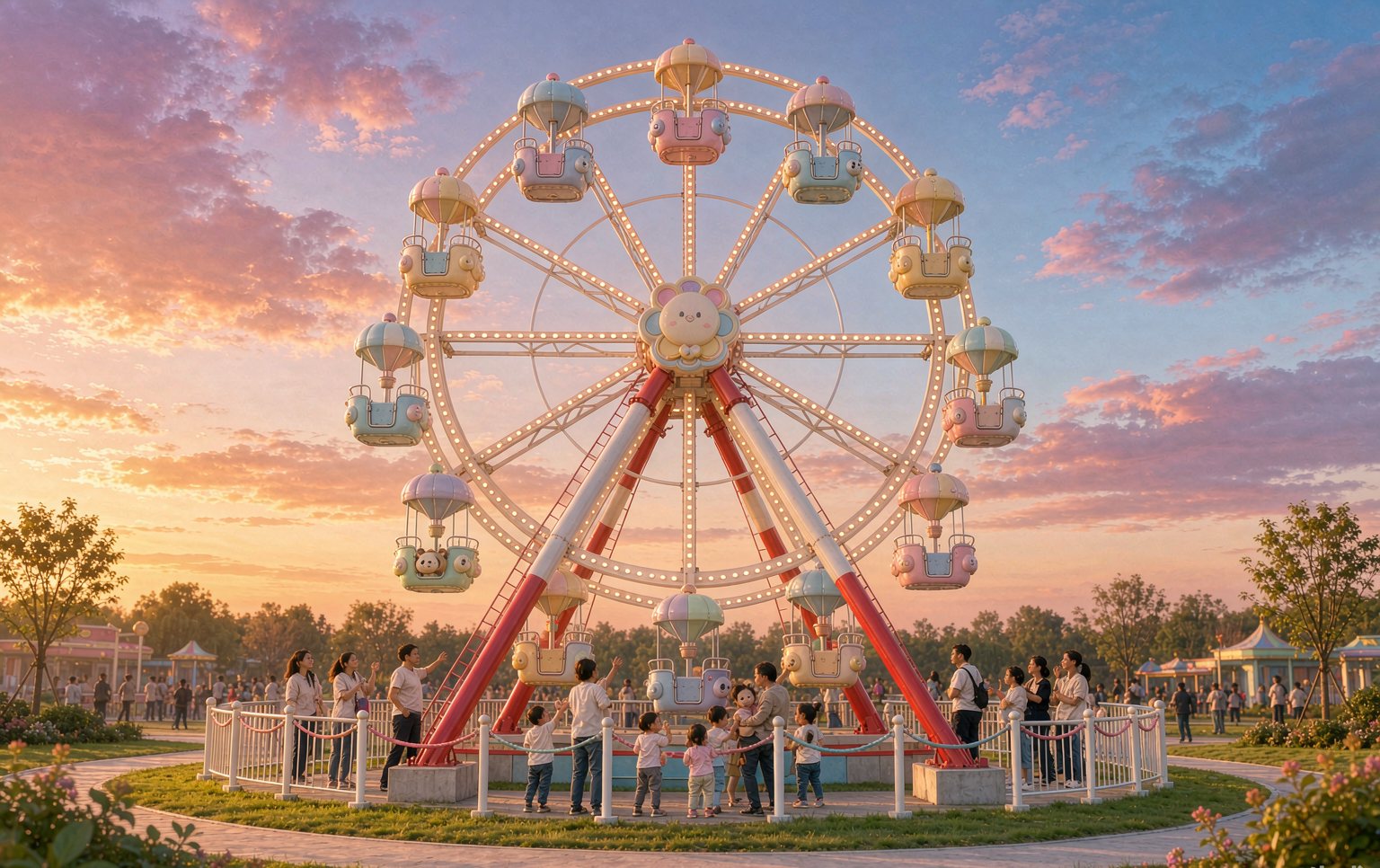
A ferris wheel is the classic anchor purchase because it becomes the skyline icon of the whole property. Compact 20 to 30 meter wheels suit provincial parks, while 42 to 49 meter wheels give destination parks a landmark visible from the highway. Philippine typhoon exposure makes the structural spec critical: demand wind load calculations for your specific site, not a generic certificate. Our ferris wheel for sale guide walks through size selection and pricing in detail.
Carousels, Kiddie Rides, and Family Attractions
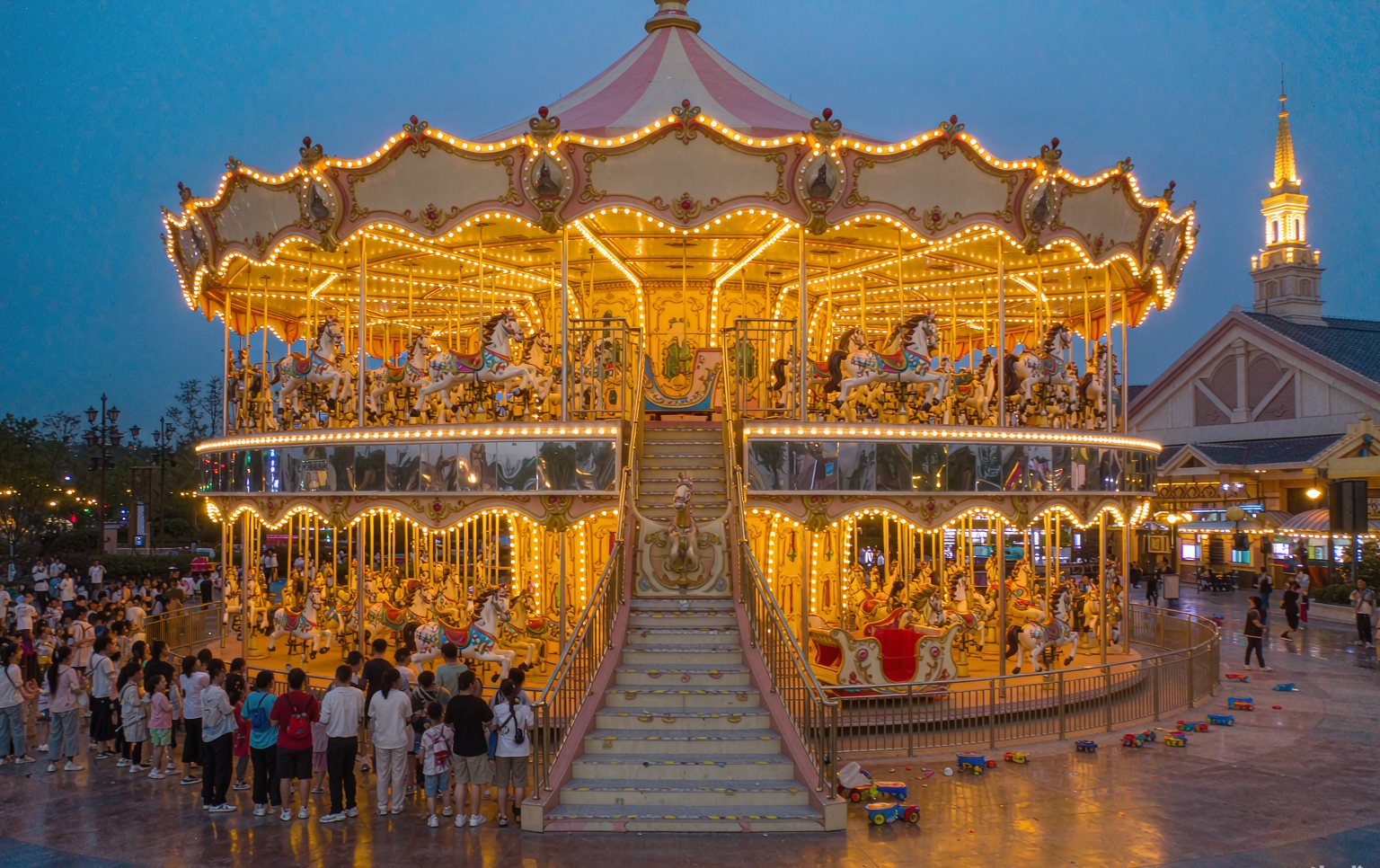
Family and children’s rides are the volume earners in the Philippine market because a single paying child usually brings two to four spending adults. Double-decker carousels, trackless trains, bumper cars, and self-controlled plane fleets generate high ride counts per hour with modest staffing. Operators building a children’s zone should review our kiddie rides for sale lineup, which covers the rotating and rail attractions that dominate mall and park revenue in this segment.
Family Coasters and Mid-Thrill Rides
Once the family base is covered, a compact family coaster or a ride class such as a pirate ship, tagada, or spinning coaster lifts per-capita spend from older children and teenagers. These are the rides that generate repeat visits and photograph well for social media marketing. For buyers stepping up to thrill categories, our thrill rides for sale guide covers pendulum and tower options along with their extra foundation and inspection requirements.
Indoor and FEC Equipment
Metro Manila’s rainy season from June to October makes weather-proof revenue essential. Soft-play structures and small mechanical rides inside air-conditioned halls keep income flowing when outdoor operations pause. Many successful operators split their budget roughly 60/40 between covered and open-air attractions so the park never fully stops earning.
What Do Amusement Rides Cost in the Philippines?
The table below shows indicative ex-works price ranges for the ride classes most requested when operators search amusement rides for sale in Philippines marketplaces. Final pricing depends on configuration, theming, and destination port, so treat these as planning figures rather than fixed offers.
| Ride Class | Typical Size / Capacity | Throughput | Indicative Price (ex-works) |
|---|---|---|---|
| Carousel (16–38 seats, single or double deck) | 6–12 m diameter | 200–500 riders/hour | $8,000 – $60,000 |
| Kiddie ride fleet (train, planes, boats) | 10–24 seats | 120–300 riders/hour | $9,000 – $40,000 |
| Bumper cars (15–20 car set with floor) | 150–300 m² rink | 150–300 riders/hour | $12,000 – $45,000 |
| Pirate ship (24–40 seats) | 8–12 m | 200–400 riders/hour | $25,000 – $80,000 |
| Family roller coaster | 200–350 m track | 400–600 riders/hour | $150,000 – $600,000 |
| Ferris wheel (30–49 m) | 96–192 riders | 400–900 riders/hour | $250,000 – $900,000 |
Prices are indicative, ex-works, and configuration dependent. To these figures, add ocean freight (typically $3,000 to $12,000 per 40-foot container from Chinese ports to Manila or Cebu), customs duties and VAT, port handling, inland trucking, and civil works. As a planning rule, landed cost runs 25 to 40 percent above the ex-works price. Foundation drawings are supplied free, but local concrete and labor for a mid-size attraction typically add $5,000 to $30,000 depending on soil and site location. Any listing of amusement rides for sale in Philippines portals should be compared on the same terms; a quote that excludes motors, control cabinets, or the spare-parts kit is not a comparable price.
Engineering for Typhoons, Salt Air and 60Hz Power
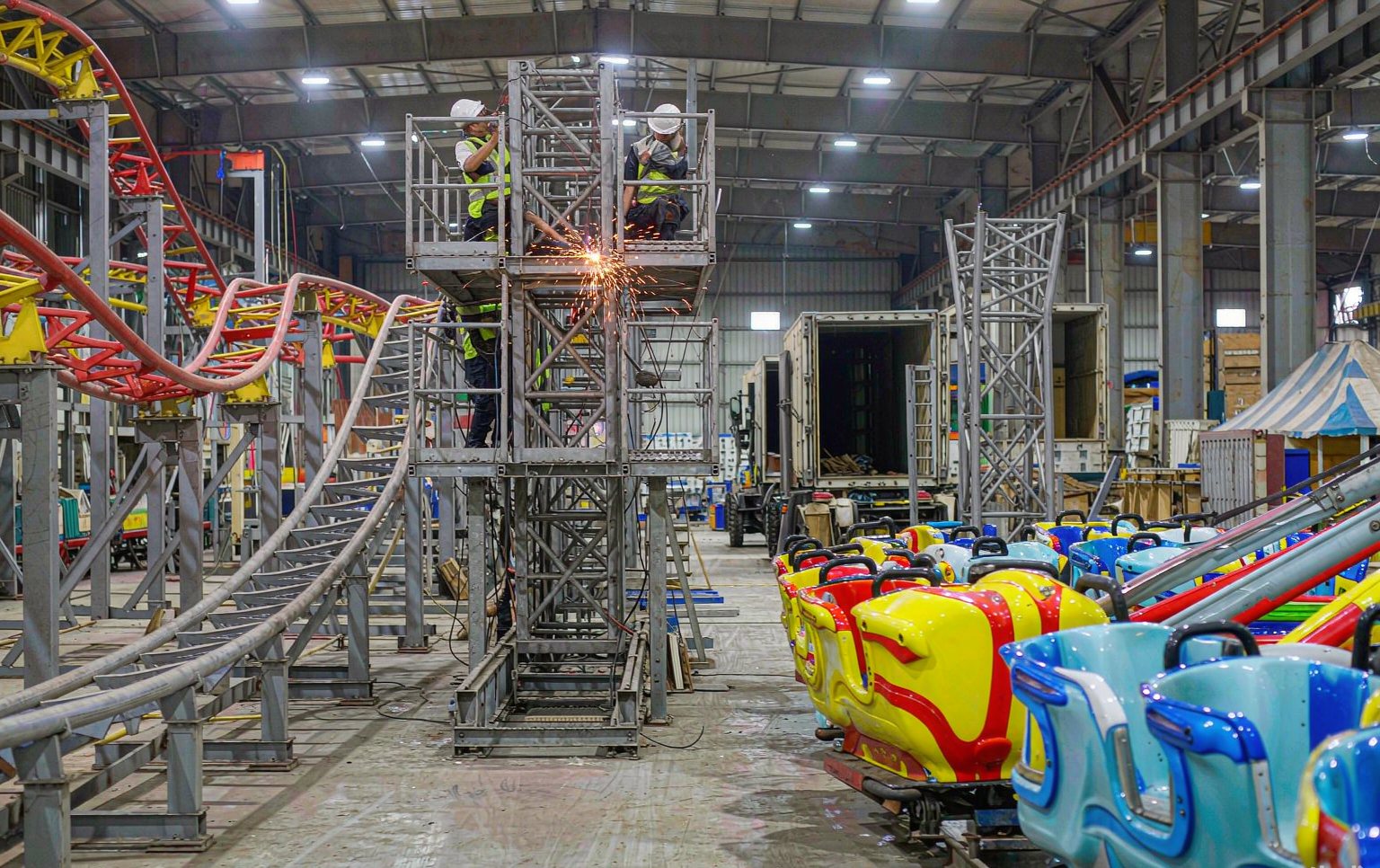
The Philippine environment is harder on equipment than most buyers expect, and this is where low-cost listings fail first. Before you commit to any amusement rides for sale in Philippines purchase, confirm the following with the seller in writing:
- Typhoon wind loading: rides must be calculated for the wind speed zone of your exact site, with rated anchors or counterweights specified. Coastal sites face the most severe requirements.
- Corrosion protection: humid tropical air and salt spray demand hot-dip galvanized steel, marine-grade coatings, and stainless fasteners on exposed hardware. Ask what surface treatment standard the factory applies.
- Electrical compatibility: the Philippine grid runs 220V / 60Hz. Motors, control cabinets, and lighting must be configured for 60Hz from the factory; converting later is expensive and voids warranties.
- Drainage and flooding: low-lying sites need raised foundations and drainage plans, especially during monsoon season when waterlogging can shut a park for days.
- UV and waterproofing: fiberglass bodies and seat upholstery must be UV-stabilized, and control cabinets should be sealed against driving rain and dust.
We build every Southeast Asia order with these items as standard, and our commissioning checklist verifies each one on site before handover. Operators planning a new park often engage our park planning and design service first, so wind zones, drainage, and equipment placement are resolved in the master plan instead of being patched after delivery.
Importing Rides to the Philippines: Logistics and Paperwork
Most Philippine ride imports arrive by sea through the Port of Manila, with Cebu, Davao, and Batangas serving southern projects. A mid-size attraction packs into two to six 40-foot containers; a ferris wheel or coaster can require ten or more. Plan four to six weeks of ocean transit plus one to two weeks for port clearance.
Documentation matters more than first-time importers expect. You will need the commercial invoice and packing list matched exactly to the shipment, the bill of lading, and the manufacturer’s certificates for your customs broker. The Bureau of Customs assesses duty and VAT according to the classification your broker files, so appoint a broker experienced in amusement machinery before the vessel sails. On safety, there is no single national ride inspection regime, which makes the factory’s documentation package your best protection with insurers, mall landlords, and local permit offices: design calculations, weld inspection records, material certificates, a bilingual operation and maintenance manual, and commissioning test reports. Request that package with every quotation for amusement rides for sale in Philippines projects, and treat any supplier who hesitates as a warning sign.

How to Shortlist a Supplier You Can Trust
The ride is only as good as the factory behind it. When you evaluate any offer of amusement rides for sale in Philippines, grade the seller on these points before discussing price:
- Verified factory status: confirm the seller manufactures in-house through a live video factory tour rather than a trading company reselling from others. Our theme park manufacturers buying guide explains the verification process step by step.
- Southeast Asian references: ask for contactable operators in the region, ideally in the Philippines itself, and call them about delivery, installation support, and parts response.
- Certification and documentation: EN 13814 manufacturing, ASTM F2291 design criteria, and a complete documentation file included by default, not sold as an extra.
- Spare parts program: guaranteed availability of motors, bearings, restraints, and PLC components for at least ten years after delivery.
- Installation and training: supervised installation, commissioning, and operator training included in the quoted scope.
Standard commercial terms from established factories are 30 percent deposit with the 70 percent balance before shipment by T/T, and lead times of 25 to 45 days for standard models or 35 to 60 days for custom theming. Be cautious of sellers demanding materially different payment structures. The full range of amusement rides for sale on our site shows the breadth a genuine direct manufacturer can offer from one production base.
Frequently Asked Questions
How much does it cost to buy amusement rides for the Philippine market?
Small family and kiddie attractions run $8,000 to $45,000 ex-works; pirate ships and mid-size rides fall between $25,000 and $80,000; family coasters and ferris wheels range from $150,000 to $900,000. Adding freight, duties, and civil works, budget 25 to 40 percent above the equipment price for the total landed cost.
What is the delivery time to Manila or Cebu?
Manufacturing takes 25 to 45 days for standard models and 35 to 60 days for customized units. Ocean freight to Philippine ports adds four to six weeks, and on-site installation with our supervisors typically takes 7 to 20 days depending on the ride class.
Can rides handle Philippine typhoons and humidity?
Yes, when they are specified correctly. We calculate wind loads for your site’s typhoon zone, apply hot-dip galvanizing and marine-grade coatings to steel structures, and configure motors and control cabinets for 220V / 60Hz operation from the factory.
Do I need special permits to operate rides in the Philippines?
Requirements vary by city and venue. Mall landlords and local government units typically request the manufacturer’s design documentation, commissioning reports, and insurance coverage. Because the country has no unified national ride inspection authority, complete factory documentation is essential for permits and insurance.
Which rides earn the fastest payback in the Philippines?
Carousels, kiddie ride fleets, and bumper cars in mall locations usually pay back fastest thanks to year-round foot traffic and low operating costs. A well-located mid-size family attraction at 50 to 150 pesos per ride commonly recovers its investment within 12 to 24 months.
Do you help with installation and staff training in the Philippines?
Yes. Every order includes supervised installation, commissioning tests, and operator training, with a first-year spare parts kit and a bilingual operation and maintenance manual. Our engineers have commissioned rides across Southeast Asia and support your team through opening day.
Ready to Equip Your Philippine Park? Get a Same-Week Quote
The Philippine market rewards operators who move now with correctly specified equipment: young demand, year-round seasons, and provinces still waiting for their first quality attraction. Review the current amusement rides for sale in Philippines lineup with our engineers, send us your site dimensions, power specification, and target opening date, and we will return a matched equipment list, layout drawing, and itemized quotation within 48 hours. Request a quote today.