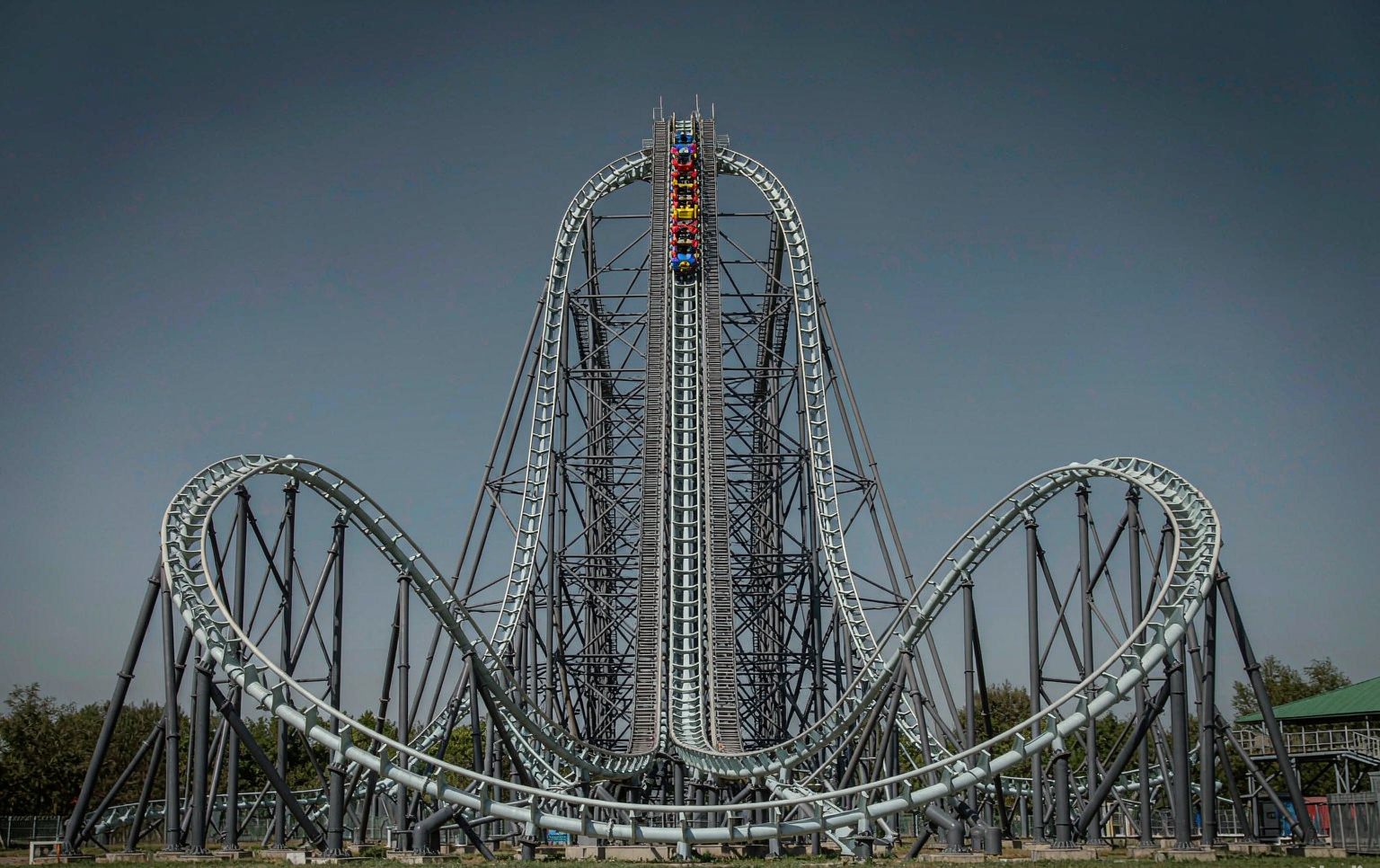

Choosing an amusement ride supplier decides whether your attraction opens on schedule or sits idle waiting for a missing part. Most buyers compare quotes on unit price alone, then learn a year later that the “manufacturer” was a broker with no welding bay and no spare-parts shelf. This guide covers supplier types, factory verification, certification, indicative budgets, commercial terms, and the red flags that surface before a deposit is wired.
What an Amusement Ride Supplier Really Sells You
A ride is not a product off a shelf. It is a package: structural design, control logic, factory assembly and dynamic testing, export documentation, commissioning, operator training, a spare-parts list, and a warranty someone will still honor in year three. A capable amusement ride supplier bundles all of it into one accountable contract. A weak one ships steel and stops answering emails.
Rides fail in details nobody photographs for a catalog: a limit switch rated for the wrong duty cycle, a hose routed against a sharp edge, a restraint cylinder without a service interval. When the supplier owns its production line, the engineers who signed the drawings answer the phone when a sensor faults mid-season.
Total cost of ownership is the right lens. A quote 15 percent under the field usually returns that margin somewhere: proprietary spare parts at three times the going rate, annual re-certification, a control cabinet no local electrician will touch. Ask for a spare-parts price list, a maintenance budget, and two parks that have run the same model for three seasons — then call them without the amusement ride supplier listening in. Anxin Amusement, with 15+ years of production and 200+ rides in 24+ countries, publishes a company profile any serious candidate should hand over on request.
Three Types of Amusement Ride Supplier
Almost every quote you receive comes from one of three business models, and each type of amusement ride supplier shapes price, risk, and the support you get after the invoice is paid.
Factory-direct. You contract with the company that owns the production line, the welding shop, and the test tower. Pricing is the most competitive at equal specification, engineering changes move quickly, and spare parts come from the source. The trade-off is range: a coaster and a kiddie train may mean two contracts.
Trading company. A trading house sources from several plants and consolidates your order into one shipment and one invoice — useful for mixed orders. The risk is specification drift: unless the contract names the factory and model, you may receive a similar ride built to a lower standard.
Broker or agent. An individual who introduces you to a factory for a commission. Some are former engineers who add real inspection value; others forward your inquiry to five plants and let them bid, which produces the cheapest compliant-looking offer rather than the best ride.
| Supplier type | What they control | Typical price level | Warranty path | Main risk |
|---|---|---|---|---|
| Factory-direct | Design, fabrication, testing, documentation | Baseline | Direct, enforceable | Narrower product range |
| Trading company | Consolidation, export paperwork | +8% to +20% | Passed through, weaker | Specification drift |
| Broker / agent | Introductions only | +3% to +10% commission | Unclear or none | No accountability after payment |
None of the three models is disqualifying. What matters is that the entity signing the contract can be held responsible for the ride. If a trading company signs, name the plant, attach the drawings, and assign warranty obligations to a party with assets. A well-run amusement ride supplier states plainly which model it operates and who builds the steel.
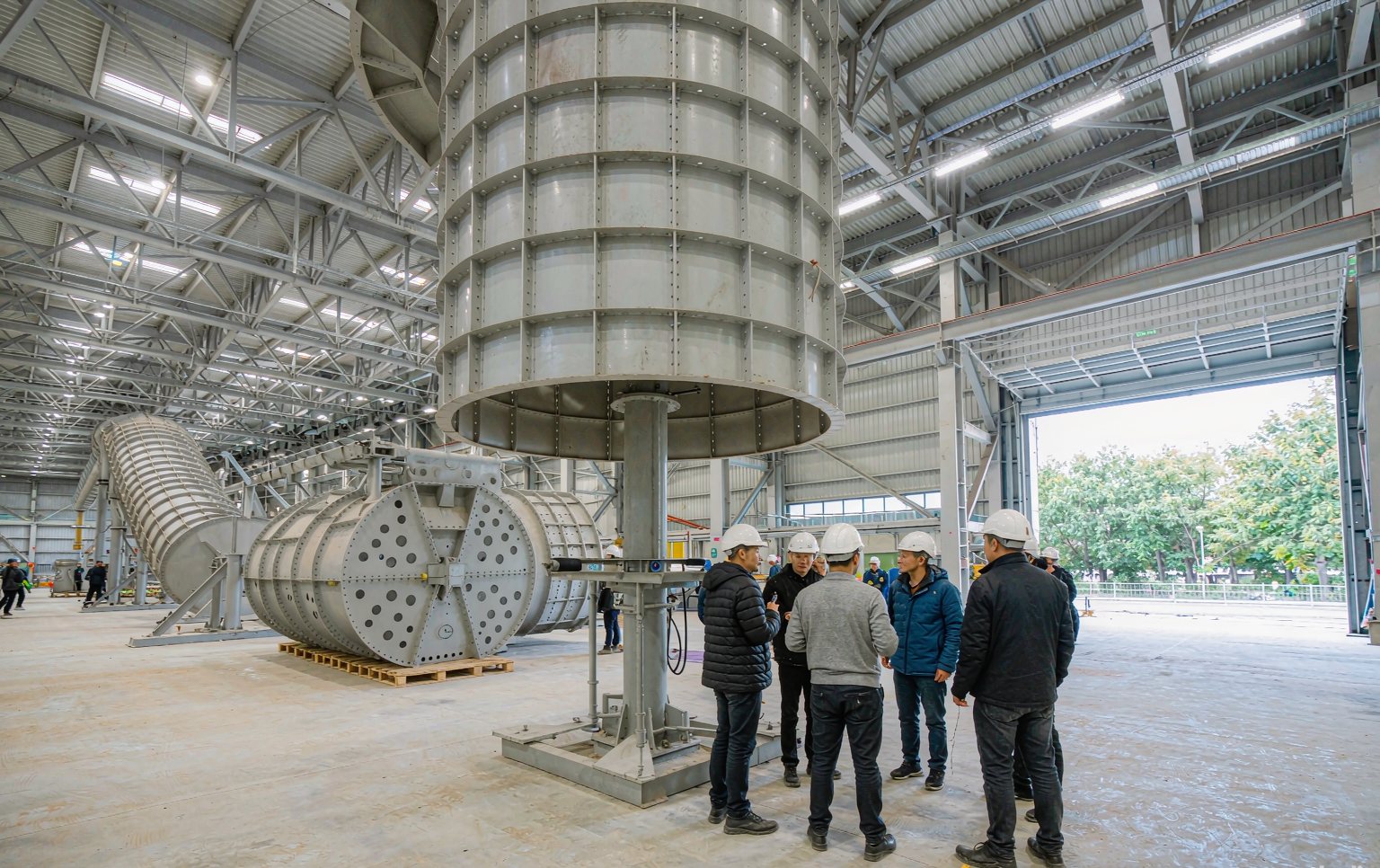
How to Verify an Amusement Ride Supplier’s Factory
Verification is a process, not a document. Certificates can be photographed, edited, or borrowed; a production line cannot. Work through these steps before you treat an amusement ride supplier as shortlisted.
- Corporate identity. Request the business license, export license, and legal name of the plant, then compare the address against the certificates and the proforma invoice.
- Live walkthrough. Ask for an unscripted video call that moves from fabrication to paint, assembly, the electrical shop, and finished goods. Have the operator read the serial plate on a unit in progress.
- Capacity math. A factory promising 30-day delivery on a large ride should explain monthly output, order book, and shift pattern. If the numbers do not support the promise, it is sales copy.
- Third-party inspection. Above roughly USD 100,000, budget for pre-shipment inspection by SGS, Bureau Veritas, or TÜV. A supplier who resists an independent inspector has told you something important.
- Reference calls. Speak to two buyers who took delivery within 24 months and ask about punch lists, warranty response, and whether documentation arrived complete.
A two-day factory visit settles in an afternoon what a month of email cannot. Watch how scrap steel is handled, whether jigs are used for repeat welds, and whether the inspector can stop a line. Those observations predict more than any brochure, and they reveal whether an amusement ride supplier runs a real order book or resells other people’s output.
Certifications to Demand in Writing
Certification talks fail predictably: the buyer asks “are you CE certified,” the seller says yes, and nobody defines scope. A CE mark on a component is not a CE mark on a ride. Ask the amusement ride supplier to name each document and list them as deliverables, with serial numbers matching your unit.
- CE marking under the Machinery Directive, backed by a declaration of conformity, a technical file, and a risk assessment. Confirm which notified body, if any, was involved.
- EN 13814 — the design, manufacture, and operation standard for fairground machinery. Ask which parts apply and request the design review summary, not a cover page.
- ISO 9001 — valid, in the supplier’s legal name, with an accreditation mark you can check on the registrar’s site.
- ASTM F2291 and F1193 — the design and installation standards used across North America. For US or Canadian sites they belong in the specification even when the ride is built elsewhere.
- Load and fatigue calculations signed by a qualified engineer, plus dynamic test reports from the factory run.
Documentation should travel with the ride: operation manual, maintenance schedule, electrical schematic, spare-parts catalog, training record. In many jurisdictions the operator must prove the ride was built and maintained to standard, which makes that paperwork a compliance asset. An amusement ride supplier that treats documentation as an afterthought is handing you a liability with the hardware.
The Amusement Ride Supplier Vetting Checklist
Score this list rather than skim it. A candidate failing more than three items should not reach the shortlist.
- Legal name, business license, and export license match across every document.
- Fabrication, welding, painting, and assembly are in-house — verified on video or in person.
- A named engineer is accountable for structural and dynamic calculations.
- CE declaration and EN 13814 documentation exist for the exact model.
- ISO 9001 certificate is valid and traceable to the legal entity.
- Dynamic test performed on your unit, with video and a signed report.
- Itemized spare-parts list with prices and lead times for critical components.
- Written warranty: two years typical, with defined response times and exclusions.
- Operator training included, with materials in your language.
- Installation scope defined, including who supplies cranes and rigging.
- Reference parks provided, with contactable operations managers.
- Third-party pre-shipment inspection accepted without negotiation.
- Payment routed to a corporate account in the company’s legal name.
- Lead time in writing, with a remedy clause for delay.
Mark each item pass, partial, or fail, and note who supplied the evidence. Strong manufacturers answer with files, weak ones with assurances. Keep the sheet — if a dispute arises, it records what was represented before signature. A credible amusement ride supplier expects this scrutiny and makes it easy.
Indicative Price Bands and Commercial Terms
Prices are indicative, ex-works, in USD, for a single unit with standard theming, excluding freight, duties, foundations, and local labor. Final pricing depends on height, capacity, restraint type, theming, control redundancy, and destination certification. Use the table to budget, then confirm against a written quotation from your shortlisted amusement ride supplier.
| Ride type | Typical scale | Indicative price (USD, ex-works) |
|---|---|---|
| Kiddie and family rides | 8–24 seats | 8,000 – 45,000 |
| Carousel | 16–36 seats | 35,000 – 120,000 |
| Pirate ship | 24–40 seats | 60,000 – 180,000 |
| Drop tower | 12–24 seats, 20–60 m | 150,000 – 600,000 |
| Family steel coaster | 300–600 m track | 350,000 – 1,500,000 |
| Ferris wheel | 42–66 m | 450,000 – 2,500,000 |
| Power-free playground | 200–1,500 m² | 15,000 – 90,000 |
Payment is fairly standard: 30 percent deposit on signing, 70 percent before shipment against inspection photos and test reports. Letters of credit work for larger orders, and staged milestones are negotiable on custom builds. No legitimate amusement ride supplier asks for a personal account, and any change to bank details needs a signed amendment.
Shipping is usually quoted FOB from a Chinese port, with CIF or DAP if you prefer to hand over logistics. Units travel in flat racks, open tops, or standard containers depending on structure. Standard rides leave in 25–45 days, custom and large equipment in 35–60 days, with on-site assembly adding 10–25 days. Buyers sourcing high-impact hardware can review the thrill ride range to see how structure affects shipping volume and crane requirements.
Red Flags That Should End the Conversation
Most bad purchases look obvious in hindsight, and the signals were there in the first two weeks of email. Any of these should stop the process with that amusement ride supplier.
- A quote 30–40 percent under every other bid, with no explanation of what changed.
- Certificates whose company name, address, or model do not match the plant.
- Refusal of a live walkthrough or an independent inspection.
- Pressure to sign before you speak to one reference customer.
- Bank details in another country, or an account in a personal name.
- No written spare-parts list, or a refusal to quote components separately.
- Sales replies within minutes while engineering questions never get answered.
The last point is the most reliable tell. Commercial staff can answer anything; only a manufacturer can discuss restraint geometry, wind loading, or drive-train torque. If technical questions keep returning as marketing paragraphs, you are talking to a reseller.
FAQ: Choosing an Amusement Ride Supplier
How do I confirm a supplier is a real manufacturer?
Ask for the business license and plant address, then request a live, unscripted video call through fabrication, painting, assembly, and testing. A real factory shows work in progress, jigs, and serial plates without rehearsal. Cross-check the address against the certificates and the invoice, then call two recent reference parks from that amusement ride supplier.
Which certifications should be written into the contract?
At minimum: a CE declaration of conformity, EN 13814 design documentation, a valid ISO 9001 certificate in the supplier’s legal name, and ASTM F2291/F1193 where your market requires them. Attach each as a deliverable tied to your serial number, with load calculations and a signed factory test report.
What budget should I plan for a first purchase?
Kiddie and family rides start near USD 8,000 ex-works, mid-size attractions such as carousels and pirate ships sit between USD 35,000 and 180,000, and large equipment runs from USD 150,000 past 1 million. Add 10–20 percent for freight, duties, foundations, installation labor, and spares.
What payment and shipping terms are normal?
Thirty percent deposit with seventy percent before shipment, released against inspection evidence. FOB is the most common term, with CIF or DAP available. Lead time runs 25–45 days for standard rides and 35–60 days for custom or large equipment, plus 10–25 days on site for assembly and commissioning.
Can a supplier customize a ride for a small park?
Yes, and customization often separates a distinctive park from a generic midway. Theming, capacity, restraint type, and controls can usually be adapted to a fixed footprint and budget. Expect extra engineering time, a longer lead time, and a design freeze milestone before production starts.
From Shortlist to Signed Contract
Shortlist two or three candidates, score them on the checklist, and request a quotation that itemizes ride, theming, spares, documentation, installation support, and freight. Compare line by line rather than at the total, because that is where a weak amusement ride supplier hides what it excluded. Then negotiate what matters operationally: warranty response time, spare-parts availability, and the remedy if delivery slips.
A good contract makes the relationship simpler. It names the factory, attaches approved drawings and the certificate list, fixes payment to inspection milestones, and states who handles foundations, cranes, and commissioning. Once those are settled, risk moves from the supplier to the schedule.
Request a Quote. Send your ride type, target capacity, footprint, budget range, and destination port. You will receive a configuration proposal, an indicative price, a certification list, and a delivery schedule — typically within two business days. Start with custom ride solutions, or browse the full amusement ride range to shortlist models before you send your brief.