
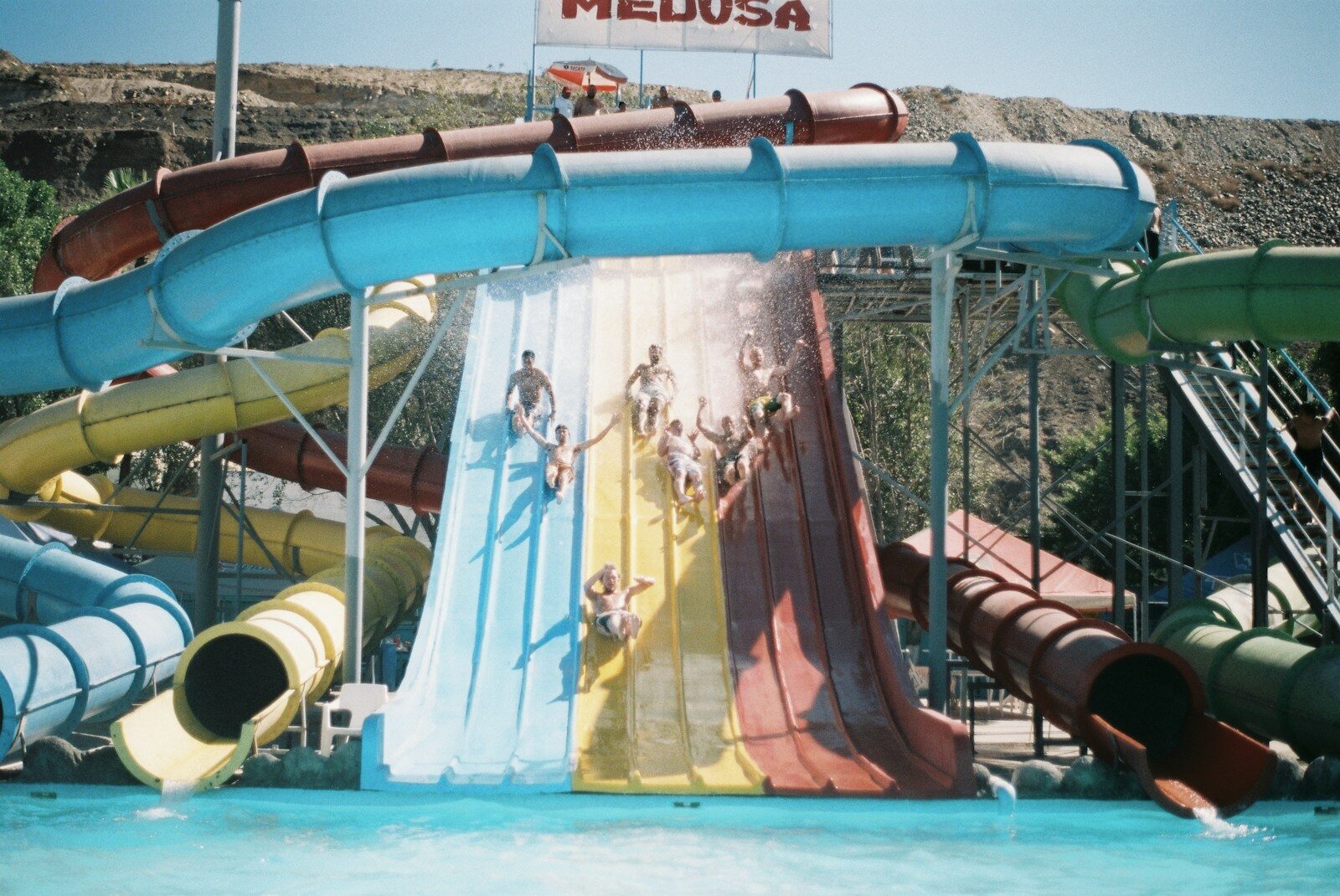
Searching for water park rides for sale is often where an operator’s vision begins to take physical form. Whether planning a brand-new facility, expanding an existing park, or replacing aging attractions, the process of identifying and selecting rides requires careful evaluation across multiple dimensions. The rides an operator chooses will define the guest experience, shape attendance patterns, drive revenue, and establish the maintenance and staffing profile for years to come.
The marketplace for water park rides for sale has grown increasingly diverse. Operators can now choose from a wide range of attraction types, intensity levels, capacity configurations, and price points offered by manufacturers and suppliers around the world. This abundance of options is beneficial, but it also means that thorough evaluation is essential. A well-informed procurement process helps operators avoid costly mistakes and select attractions that align with their target market, site conditions, budget parameters, and long-term operational strategy.
Understanding the Landscape of Water Park Rides for Sale
Water park rides for sale span a broad spectrum of attraction types, each designed to serve different guest segments and experience objectives. Understanding these categories helps operators narrow their search and focus on options that match their facility’s needs.
Thrill attractions include near-vertical drop slides, high-speed bowl slides, multi-element slides with inversions, and launch-style rides. These attractions serve as signature draws that generate media attention and attract destination visitors. They typically require greater height clearances, more intensive staffing, and higher capital investment.
Family attractions accommodate groups of guests riding together on multi-person rafts or tubes. Family rafting slides, wide-channel slides, and interactive play structures fall within this category. These rides prioritize shared experience and accessibility, making them suitable for guests of varying ages and comfort levels.
Children’s attractions are designed specifically for younger guests and include small slides, splash pads, interactive spray features, shallow wading areas, and scaled-down play structures. These rides must meet heightened safety standards and serve the strategic function of giving families a reason to visit and stay longer.
Wave pools and wave generation systems create controlled wave environments for guest recreation. Options range from simple paddle-based systems for small family pools to sophisticated pneumatic or hydraulic systems that produce ocean-like surf conditions.
Lazy rivers and current systems provide gentle, continuous water flow that carries guests along a defined channel. These attractions serve as high-capacity, low-intensity experiences that accommodate large numbers of guests simultaneously.
Interactive and technology-enhanced rides incorporate elements such as lighting effects, sound systems, timing and scoring features, racing formats, and app-connected components that create more engaging experiences and encourage repeat visits.
Safety Standards and Compliance Requirements
Any water park rides for sale must meet applicable safety standards in the jurisdiction where they will be installed and operated. Operators should verify compliance early in the evaluation process rather than treating it as an afterthought.
Structural integrity standards address the ability of rides to withstand dynamic loads from rider weight, water flow, wind forces, and environmental conditions. Manufacturers should provide engineering calculations and structural analysis documentation.
Entrapment prevention standards address drain covers, suction outlets, and channel transitions to prevent guests from becoming trapped by suction forces or physical entanglement. Anti-entrapment drain covers, safety vacuum release systems, and properly designed channel geometries all contribute to reducing risk.
Electrical safety standards address grounding, isolation, moisture protection, and ground fault circuit interrupter requirements for all electrical systems associated with the ride.
Rider safety requirements include height, weight, age, and health restrictions that must be clearly communicated and consistently enforced. Manufacturers should provide detailed specifications for rider eligibility.
Operators should request documentation demonstrating compliance with applicable standards, including third-party testing reports, material certifications, and engineering calculations. Working with qualified engineers and regulatory consultants during the planning phase helps identify all applicable requirements before procurement decisions are finalized.
Evaluating Suppliers and Manufacturers
When browsing water park rides for sale, operators are evaluating not just individual products but the companies behind them. The manufacturer or supplier becomes a long-term partner whose capabilities directly affect facility performance.
Manufacturing capability determines whether the supplier can deliver equipment that meets specifications on schedule. Operators should request information about manufacturing facilities, quality control processes, production capacity, and lead times.
Engineering expertise encompasses structural engineering, hydraulic engineering, materials science, and computer-aided design capabilities. Manufacturers with strong engineering teams produce equipment that performs reliably and safely over decades of operation.
Safety record and certifications provide evidence of the supplier’s commitment to safe design and manufacturing practices. Operators should request documentation of safety testing, third-party certifications, and any history of safety-related incidents or recalls.
Technical support and parts availability affect long-term operational continuity. Equipment will require maintenance, repairs, and eventual component replacement. Suppliers who maintain comprehensive parts inventories and provide responsive technical support help operators minimize downtime.
References and installation history offer insight into the supplier’s track record. Operators should contact existing customers who have installed similar equipment to learn about their experience with product quality, installation support, ongoing maintenance requirements, and overall satisfaction.
Financial stability affects the supplier’s ability to honor warranty commitments, maintain parts inventories, and continue providing support over the long term.
Site Requirements and Installation Planning
Before purchasing water park rides for sale, operators must confirm that their site can accommodate the selected attractions. Site evaluation should occur early in the procurement process to avoid selecting rides that cannot be properly installed.
Foundation requirements vary by ride type and size. Large water slides require engineered concrete foundations that can withstand dynamic loads. Wave pool structures require substantial below-grade construction. Even smaller play structures require properly designed foundations to prevent settlement.
Utility infrastructure must be planned before installation begins. Water supply capacity, electrical service capacity, drainage systems, and chemical storage areas must all be sized to accommodate the specific rides being installed.
Clearance and access requirements must account for the full operational envelope of each ride, plus maintenance access, emergency evacuation routes, and guest circulation paths.
Environmental considerations include wind exposure, solar orientation, drainage patterns, and noise impact on surrounding areas. Rides positioned in exposed locations may require additional structural reinforcement.
Operators should engage qualified engineers to assess site conditions and confirm compatibility with prospective rides before finalizing procurement decisions.
Budgeting and Total Cost of Ownership
The purchase price listed for water park rides for sale represents only a portion of the total cost of ownership. Operators who evaluate options based solely on purchase price risk making decisions that prove costly over time.
Capital costs include the ride purchase price, shipping and logistics, customs duties if applicable, foundation construction, utility infrastructure upgrades, installation labor, and commissioning.
Operating costs include water consumption, energy consumption, chemical treatment, staffing for operation and supervision, insurance premiums, and routine maintenance materials.
Maintenance and repair costs include scheduled maintenance labor, replacement parts, surface refinishing, structural inspections, and unplanned repairs.
Lifecycle replacement costs account for the eventual need to replace equipment that reaches the end of its useful service life. Planning for these costs during the budgeting phase prevents financial surprises in future years.
Operators who evaluate water park rides for sale based on total cost of ownership make more informed investment decisions and avoid the false economy of selecting inexpensive equipment that carries high ongoing costs.
Matching Rides to Your Market and Strategy
The most attractive water park rides for sale may not be the right choice for every facility. Operators should evaluate prospective rides in the context of their specific market position and strategic objectives.
Target market alignment ensures that selected rides appeal to the park’s primary guest demographics. A family-oriented park should prioritize rides that accommodate groups and offer moderate intensity. A thrill-focused park should invest in signature attractions that generate media attention.
Capacity matching aligns ride throughput with expected demand. An undersized ride creates bottlenecks that frustrate guests. An oversized ride may operate below capacity during non-peak periods, representing an inefficient capital investment.
Park identity and positioning should guide ride selection. The rides an operator chooses communicate what the park stands for and who it serves. Consistency between ride selection and park identity strengthens brand recognition and guest loyalty.
Expansion flexibility should be considered during initial procurement. Leaving space and infrastructure capacity for future ride additions allows operators to refresh the guest experience over time without requiring complete park redesign.
The Procurement Process
A structured procurement process helps operators navigate the marketplace for water park rides for sale systematically and effectively.
Define requirements by establishing clear criteria for ride type, capacity, intensity level, budget range, site constraints, and timeline.
Research options by reviewing manufacturer catalogs, attending industry trade shows, consulting with industry professionals, and visiting existing installations.
Request proposals from qualified suppliers, providing detailed specifications and site information to enable accurate quotations.
Evaluate proposals using a consistent framework that considers engineering quality, safety compliance, total cost of ownership, supplier capabilities, references, and contract terms.
Conduct reference checks by contacting existing customers who have installed similar equipment from each prospective supplier.
Negotiate and finalize contracts with clear documentation of warranty terms, delivery schedules, installation support commitments, training provisions, and dispute resolution procedures.
Final Thoughts
The marketplace for water park rides for sale offers operators a wide range of options to create compelling guest experiences. However, selecting the right rides requires a disciplined evaluation process that considers safety compliance, engineering quality, supplier capabilities, site compatibility, total cost of ownership, and strategic alignment with the park’s target market and identity.
Operators who invest time and rigor in evaluating water park rides for sale position themselves for facilities that deliver exceptional guest experiences, maintain safe and efficient operations, and generate sustainable financial returns over decades of service.




