Building a theme park is one of the most complex real estate and entertainment ventures in the world. It involves a chaotic intersection of civil engineering, mechanical manufacturing, creative theming, and operational logistics. For many investors, the prospect of managing dozens of independent contractors is overwhelming.
Enter the turnkey theme park solution provider. These specialized firms promise to take a project from a bare plot of land to a fully operational, revenue-generating attraction. But how do you separate the true experts from the over-promisers? This guide provides a comprehensive framework for evaluating and selecting the right partner for your dream project.
1. What is a “Turnkey” Solution?
The term “turnkey” implies that the project will be completely ready to operate upon delivery—you simply “turn the key” and open the gates. A true turnkey provider manages the entire lifecycle of the project, acting as the single point of responsibility.
The Full Lifecycle Scope:
- Feasibility & Master Planning: Market research, financial modeling, and 3D site layout design.
- Design & Engineering: Architectural design, ride selection, and structural engineering.
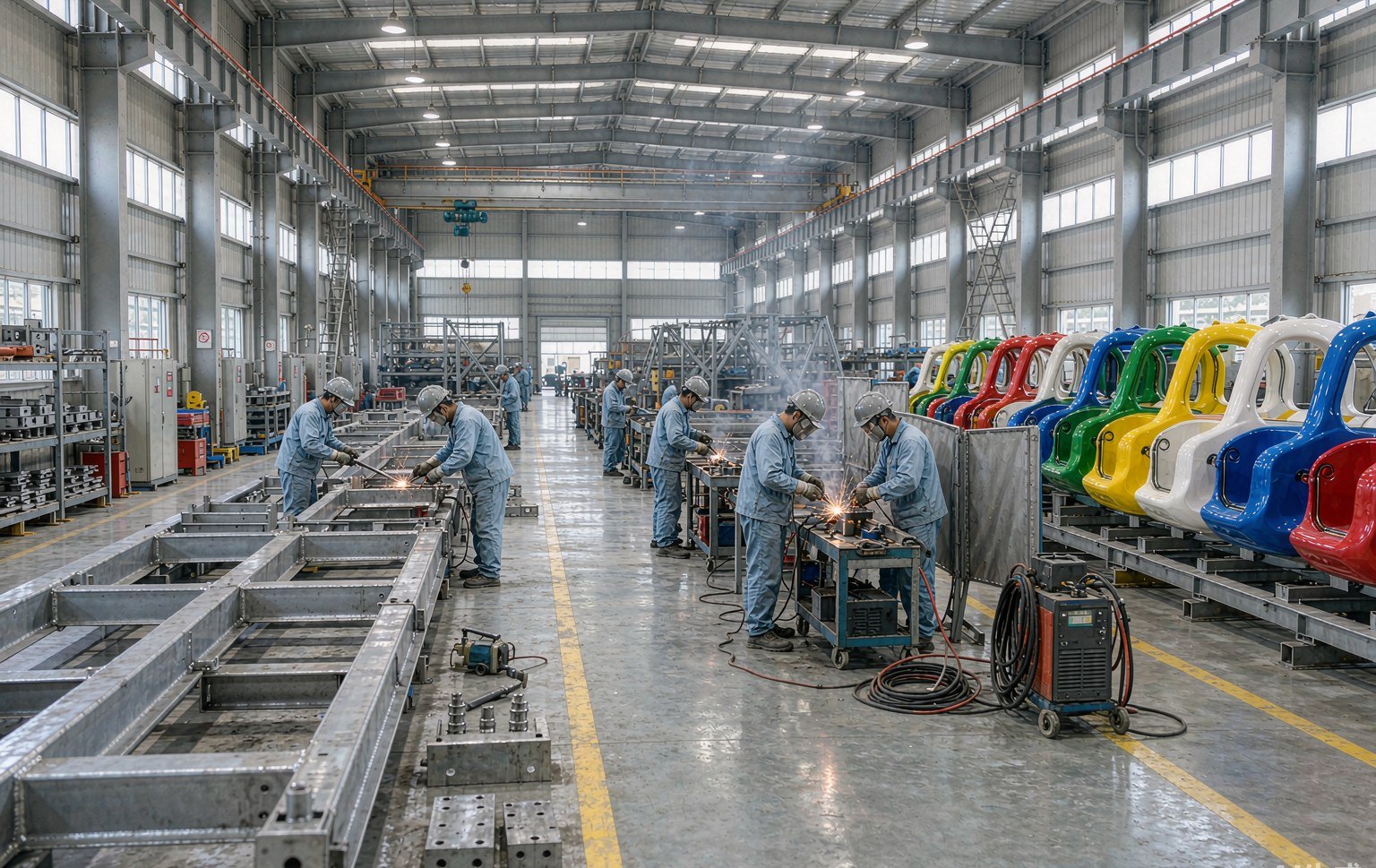
- Procurement & Manufacturing: Sourcing all rides, theming materials, and operational equipment.
- Construction & Installation: Civil works, ride assembly, and landscaping.
- Testing & Commissioning: Safety testing, staff training, and trial runs.
- Pre-Opening & Operations: Marketing support, ticketing systems, and operational manuals.
2. The 5-Point Evaluation Framework
When vetting a turnkey theme park solution provider, you must look beyond their marketing brochures. Use this 5-point framework to assess their true capabilities.
A. Proven Track Record & Portfolio
Experience is the most critical factor. A provider should be able to show you a portfolio of completed projects, not just concept renders.
- Site Visits: If possible, visit a park they have built. Talk to the operators. Ask about construction delays, budget overruns, and post-opening support.
- Project Scale: Ensure they have experience with projects of a similar scale and budget to yours. A company that specializes in small indoor parks may struggle with a large outdoor destination.
B. In-House Capabilities vs. Outsourcing
Does the provider actually do the work, or do they just manage subcontractors?
- Core Competencies: Ideally, the provider should have in-house teams for project management, design, and engineering.
- Supply Chain Network: They should have a vetted network of trusted manufacturers for rides and theming. A provider that outsources everything is essentially just a general contractor with higher fees.
C. Financial Transparency & Risk Management
Theme park projects are notorious for budget creep. A professional partner will help you mitigate this.
- Detailed Budgeting: They should provide a transparent, line-item budget that separates equipment costs, civil works, and soft costs (design, permits).
- Phasing Strategy: Look for a provider who advocates for a phased approach (e.g., opening with 70% of the rides and expanding later). This reduces initial capital risk and allows you to reinvest early revenue.
D. Technical & Safety Compliance
The provider must guarantee that all equipment meets international safety standards (CE, ASTM, ISO).
- Documentation: They should handle the complex paperwork, including technical files, risk assessments, and third-party inspection reports (e.g., TÜV, SGS).
- Local Regulations: A good provider understands local building codes, fire safety regulations, and permitting processes in your specific region.
E. Operational Handover & Training
Building the park is only half the battle. Operating it safely is the other.
- Training Programs: The contract must include comprehensive training for your maintenance and operations teams.
- Spare Parts & Manuals: Ensure the handover package includes detailed maintenance schedules, spare parts lists, and emergency procedures.
3. The Contract: Protecting Your Investment
When signing a contract with a turnkey provider, specific clauses are non-negotiable.
- Performance Guarantees: The contract should specify the hourly capacity (throughput) of the rides. If the installed rides cannot handle the promised number of guests per hour, the provider should be liable.
- Liquidated Damages: Include clear penalties for delays. If the park opens late, you lose revenue. The provider must share this risk.
- Warranty & Maintenance: Define the warranty period (typically 12-24 months) and the response time for technical support.
- Intellectual Property: Ensure you own the rights to the park’s design, theming, and master plan upon completion.
4. Red Flags to Watch Out For
Be wary of providers who exhibit the following behaviors:
- Unrealistic Timelines: Promising to build a major theme park in under 6 months is a major red flag. Quality construction takes time.
- Vague Pricing: If they cannot provide a detailed breakdown of costs and insist on a single “lump sum” figure without explanation.
- Lack of Engineering Depth: If they cannot answer specific technical questions about foundation loads or ride dynamics, they likely do not have in-house engineering expertise.
5. Conclusion: Building a Legacy
Partnering with a turnkey theme park solution provider is a strategic decision that can save you years of headaches and millions in potential cost overruns. By rigorously evaluating their track record, technical capabilities, and contractual terms, you can find a partner who will not just build a park, but help you build a sustainable, profitable, and magical legacy.