Theme parks are among the most complex entertainment environments ever created. They combine architecture, engineering, storytelling, landscape design, operations, and financial planning into a single cohesive experience. At the heart of every successful park lies thoughtful theme park design that balances creative ambition with practical feasibility.
For operators, developers, investors, and creative professionals, understanding the principles of theme park design is essential for building destinations that attract guests, generate revenue, and create lasting emotional connections. The design process shapes every aspect of the guest experience, from the moment visitors approach the gate to the memories they carry home.
In this article, we will explore the foundational principles of theme park design, the phases of the design process, the factors that influence decision-making, and the emerging trends shaping the future of themed entertainment.
Foundational Principles of Theme Park Design
Successful theme park design is guided by principles that ensure guest satisfaction, operational efficiency, and long-term viability.
Storytelling
The most successful parks tell stories. Storytelling creates emotional engagement and gives guests a reason to care about their experience. Every element, from the entrance to the exit, should reinforce the park’s narrative identity.
Immersion
Immersion means creating environments where guests feel transported to another world. Themed architecture, ambient sound, lighting design, landscaping, scent, and tactile elements all contribute to immersion. The most effective theme park design engages multiple senses simultaneously.
Guest Flow
Guest flow determines how visitors move through the park. Well-designed circulation minimizes congestion, reduces wait times, and creates natural discovery. Poor guest flow creates frustration and diminishes the overall experience.
Scale and Proportion
Theme parks must balance grandeur with human scale. Oversized environments can feel impersonal, while undersized spaces can feel cramped. Successful theme park design creates environments that feel appropriately scaled to their intended experience.
Operational Integration
Creative design must work in harmony with operational requirements. Queue areas, loading zones, maintenance access, staff circulation, and emergency egress must all be integrated into the design without compromising the guest experience.
The Theme Park Design Process
Creating a theme park involves multiple phases, each requiring specialized expertise and careful coordination.
Concept Development
The design process begins with defining the park’s identity. Developers establish the target audience, creative theme, geographic location, and financial parameters. Theme park design teams translate these requirements into preliminary concepts that balance ambition with feasibility.
Master Planning
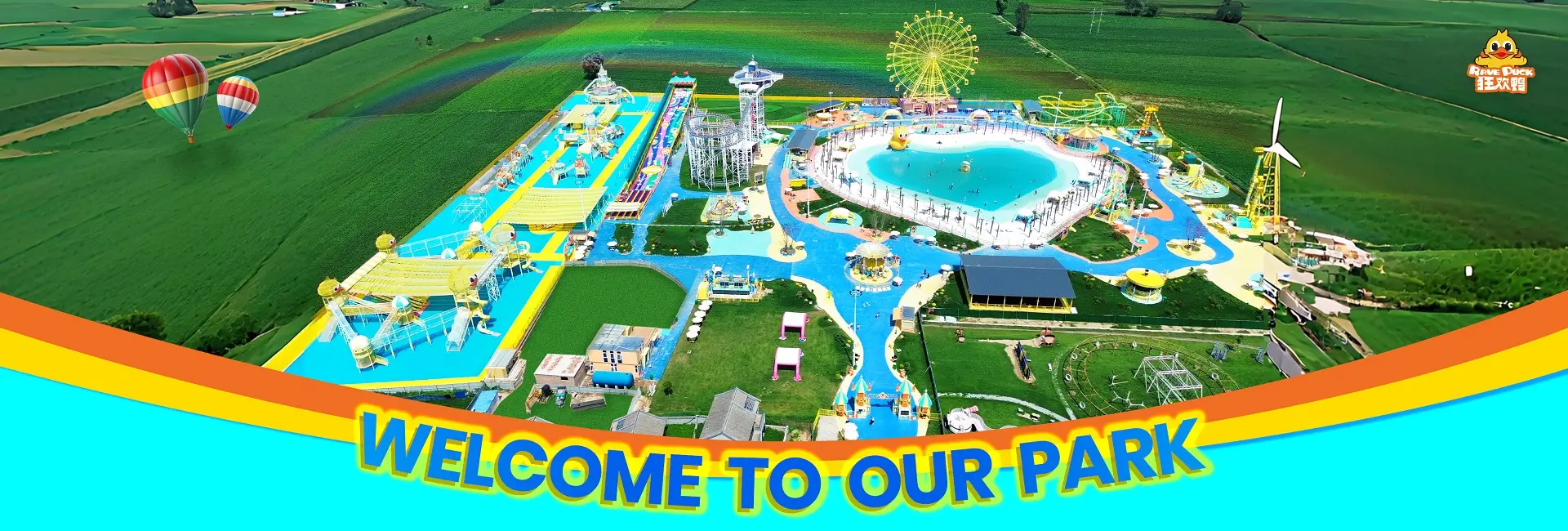
Master planning establishes the overall layout of the park. Designers determine the placement of attractions, themed areas, circulation paths, food and beverage locations, retail spaces, and support facilities. Master plans must accommodate future expansion while creating a cohesive initial experience.
Attraction Design
Individual attractions are designed to serve specific roles within the park’s overall experience. Headline attractions generate excitement and drive attendance. Family attractions serve broad demographics. Children’s areas ensure that young guests have compelling experiences.
Themed Environment Design
Themed environments create the visual and sensory context for attractions. Architects, landscape designers, scenic artists, and lighting designers work together to create cohesive environments that support the park’s storytelling goals.
Technical Design
Technical design addresses the engineering systems that make the park function. Structural engineering, mechanical systems, electrical systems, water treatment, fire protection, and technology infrastructure must all be integrated into the design.
Construction and Installation
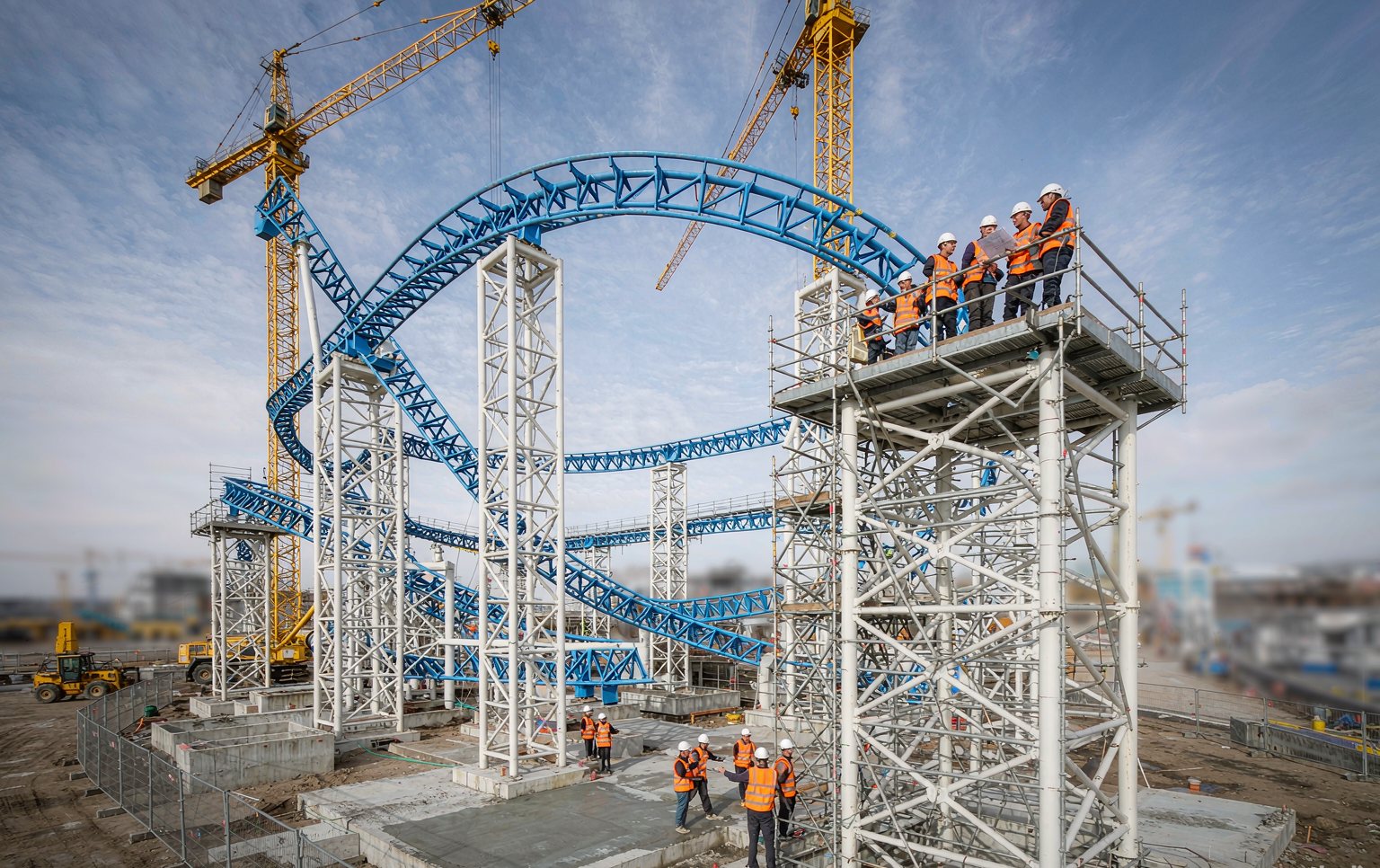
Construction transforms design into physical reality. Specialized contractors fabricate themed elements, install attractions, build structures, and integrate complex systems. Quality control during construction ensures that the final product matches the design intent.
Factors That Influence Theme Park Design
Multiple factors shape the design of a theme park, from market conditions to creative vision.
Target Audience
The target audience drives design decisions. Parks designed for families prioritize gentle attractions, children’s areas, and multi-generational experiences. Parks targeting young adults may emphasize extreme attractions, nightlife, and high-energy environments.
Geographic Location
Location affects climate, available space, regulatory requirements, and market demographics. Parks in warm climates can operate year-round with minimal weather protection. Parks in cooler regions may need covered attractions, heating systems, or seasonal operating strategies.
Budget and Financial Parameters
Budget constraints shape every aspect of theme park design. Designers must balance creative ambition with financial reality, prioritizing investments that generate the strongest guest response and operational performance.
Competitive Landscape
Understanding the competitive environment helps designers create differentiated experiences. Parks that offer unique attractions, distinctive themes, and superior guest experiences build competitive advantages.
Regulatory Requirements
Different jurisdictions have different requirements for safety, accessibility, environmental impact, and construction standards. Theme park design must comply with all applicable regulations while maintaining creative integrity.
The Role of Themed Areas
Themed areas are the building blocks of theme park design. They create distinct environments that give the park variety and depth.
Narrative Identity
Each themed area should have a clear narrative identity that distinguishes it from other areas. Consistent theming within each area creates cohesive environments that support storytelling.
Attraction Mix
Themed areas typically contain a mix of attractions that serve different audience segments. A headline attraction anchors the area, while supporting attractions serve families, children, and guests seeking different experience levels.
Food and Retail Integration
Food and beverage locations and retail shops should be integrated into themed areas rather than isolated in separate zones. Thematically appropriate dining and shopping experiences extend the immersive environment and generate additional revenue.
Atmosphere and Ambiance
Lighting, music, landscaping, architectural details, and ambient sound all contribute to the atmosphere of themed areas. These elements create emotional environments that enhance the guest experience.
Operational Considerations in Theme Park Design
Creative design must work in harmony with operational requirements to create successful parks.
Capacity Planning
Attraction capacity directly impacts guest satisfaction. Theme park design must balance attraction selection with expected attendance to minimize wait times and maximize guest throughput.
Queue Design
Waiting is inevitable, but well-designed queues minimize frustration. Themed queue environments, interactive elements, shade structures, and entertainment keep guests engaged while they wait.
Maintenance Access
Attractions require regular maintenance. Design must provide adequate access for inspection, repair, and replacement of components without disrupting the guest experience.
Staff Circulation
Staff must be able to move efficiently throughout the park. Back-of-house circulation, employee facilities, and service access must be integrated into the design without compromising themed environments.
Emergency Preparedness
Safety is paramount. Theme park design must incorporate emergency egress, fire protection systems, first-aid stations, and clear communication systems that enable rapid response to incidents.
Emerging Trends in Theme Park Design
The industry continues to evolve, driven by technological innovation and changing guest expectations.
Immersive Technology
Projection mapping, interactive environments, augmented reality, and mixed reality are transforming themed environments. These technologies create dynamic experiences that can change over time and respond to guest interaction.
Sustainable Design
Energy-efficient systems, renewable energy sources, water conservation, sustainable materials, and waste reduction are becoming standard features in modern theme park design. These practices reduce environmental impact while lowering operating costs.
Experiential Dining
Restaurants are evolving from simple food service locations into immersive experiences. Themed dining environments, interactive elements, and entertainment-integrated meals create additional reasons for guests to spend time and money within the park.
Compact and Urban Parks
Urban entertainment venues and smaller markets are driving demand for compact parks that deliver big experiences in limited footprints. These parks prioritize high-quality attractions, efficient design, and strong thematic identity.
Personalized Experiences
Mobile apps, wearable technology, and data analytics are enabling more personalized guest experiences. Customized itineraries, virtual queuing, and personalized recommendations help guests make the most of their visit.
Final Thoughts
Theme park design is both an art and a science. It requires creative vision, technical expertise, operational understanding, and financial discipline. The most successful parks are those that treat design not as a series of isolated decisions, but as an integrated process that shapes every aspect of the guest experience.
For operators and developers, investing in thoughtful theme park design is investing in long-term competitive advantage. Parks that create compelling stories, immersive environments, efficient operations, and memorable experiences are best positioned to attract guests, generate revenue, and build lasting loyalty.
As guest expectations continue to evolve and technology continues to advance, the most successful parks will be those that embrace innovation while remaining true to the fundamental principles of great design: storytelling, immersion, guest flow, operational excellence, and emotional engagement.