Amusement park rides are the attractions that define the themed entertainment industry. From towering roller coasters that push the limits of speed and height to gentle carousels that delight young children, amusement park rides create the experiences that guests travel miles to enjoy and remember for a lifetime.
For park operators, developers, and investors, understanding the landscape of amusement park rides is essential for making informed decisions about attraction selection, capital investment, guest experience design, and long-term operational planning. The right combination of rides determines whether a park attracts families, thrill-seekers, or a broad demographic mix, and whether guests return year after year.
In this article, we will explore the major categories of amusement park rides, the safety standards that govern their design and operation, the factors that influence purchasing decisions, and the emerging trends shaping the future of the industry.
Types of Amusement Park Rides
The variety of amusement park rides available today spans a wide range of experiences designed for different audiences, thrill levels, and operational needs.
Roller Coasters
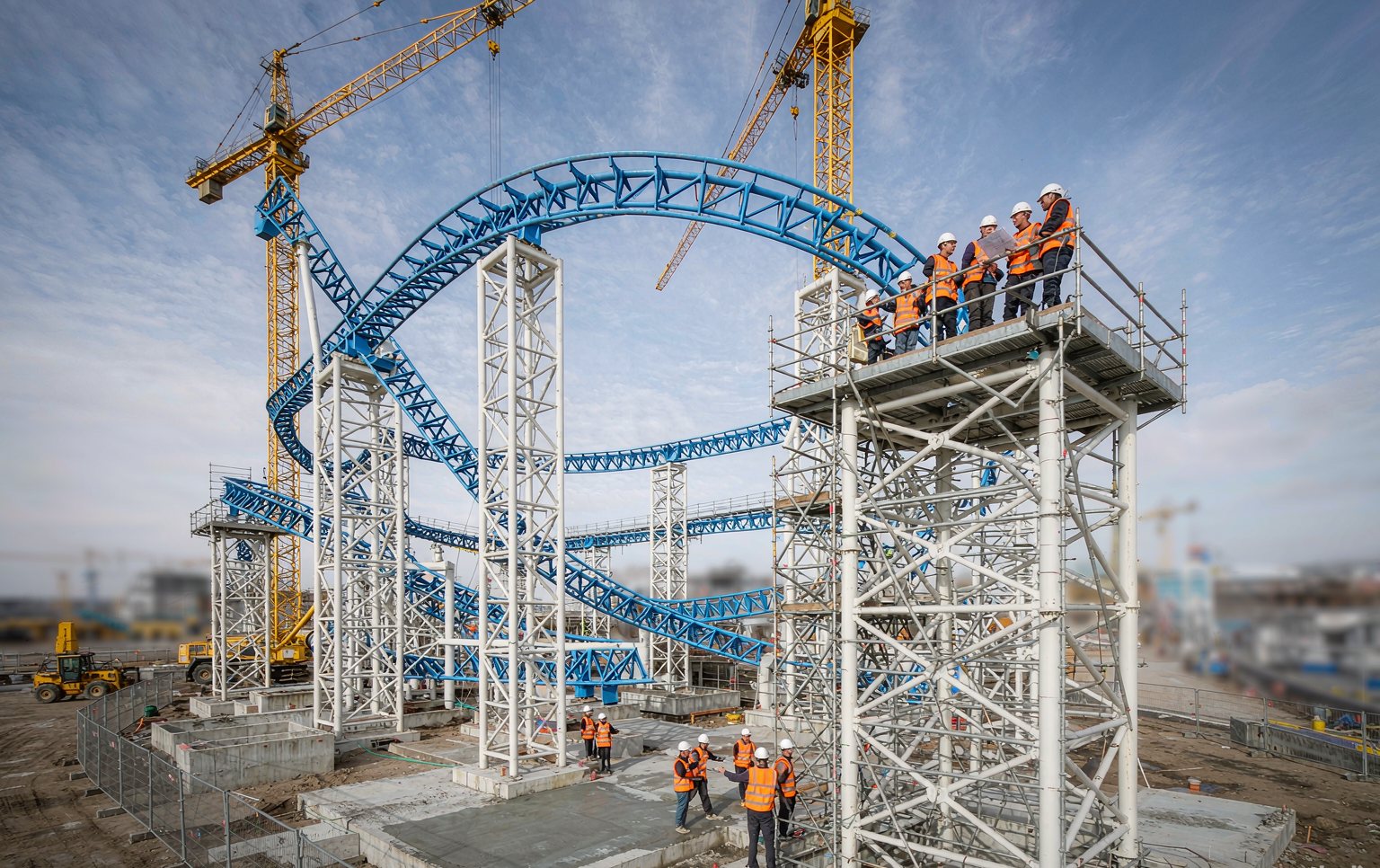
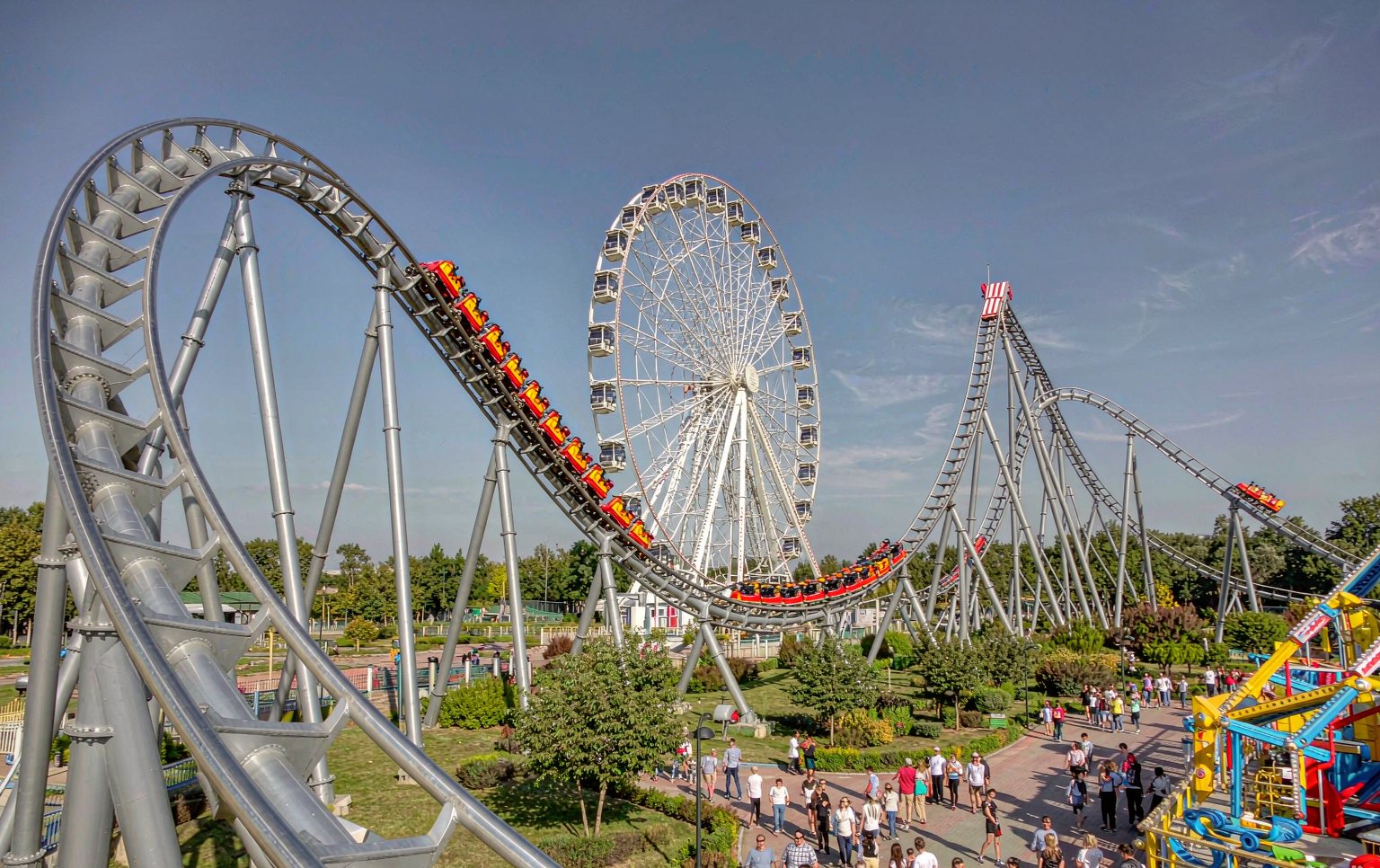
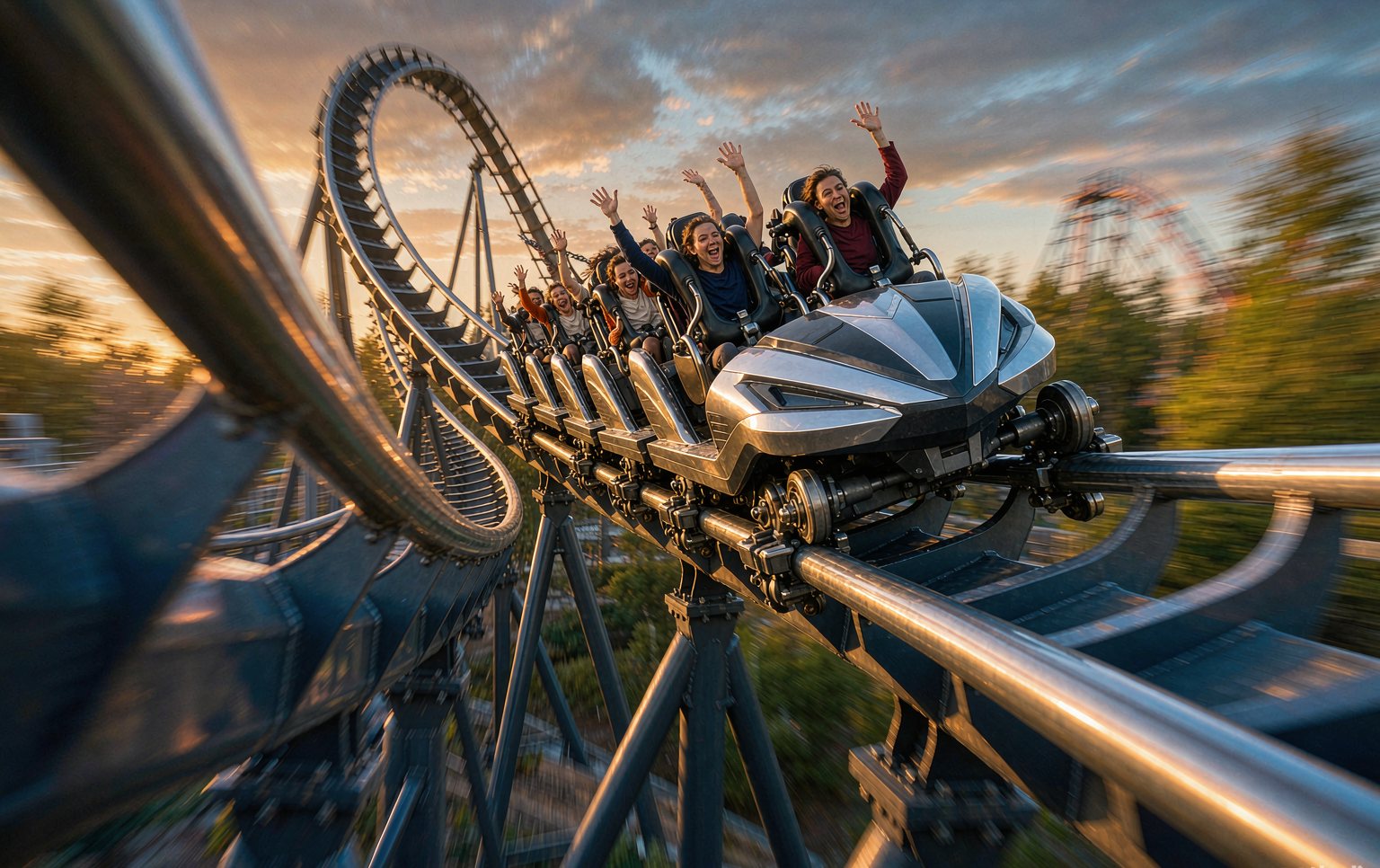
Roller coasters are the headline attractions that generate excitement and drive attendance. They range from family-friendly designs to extreme thrill machines that push the boundaries of height, speed, and intensity. Modern coasters incorporate launched propulsion, beyond-vertical drops, and innovative track configurations.
Flat Rides
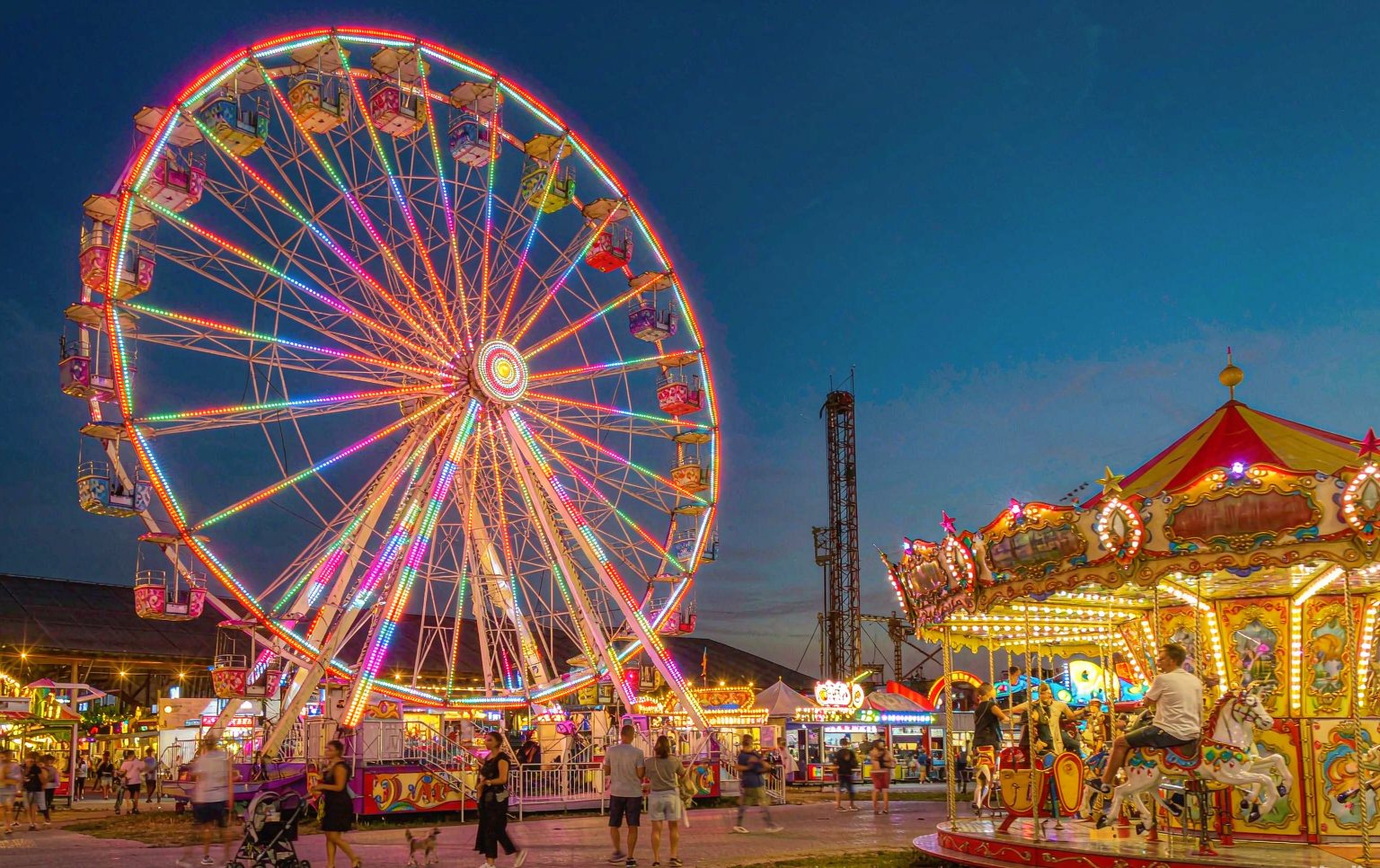
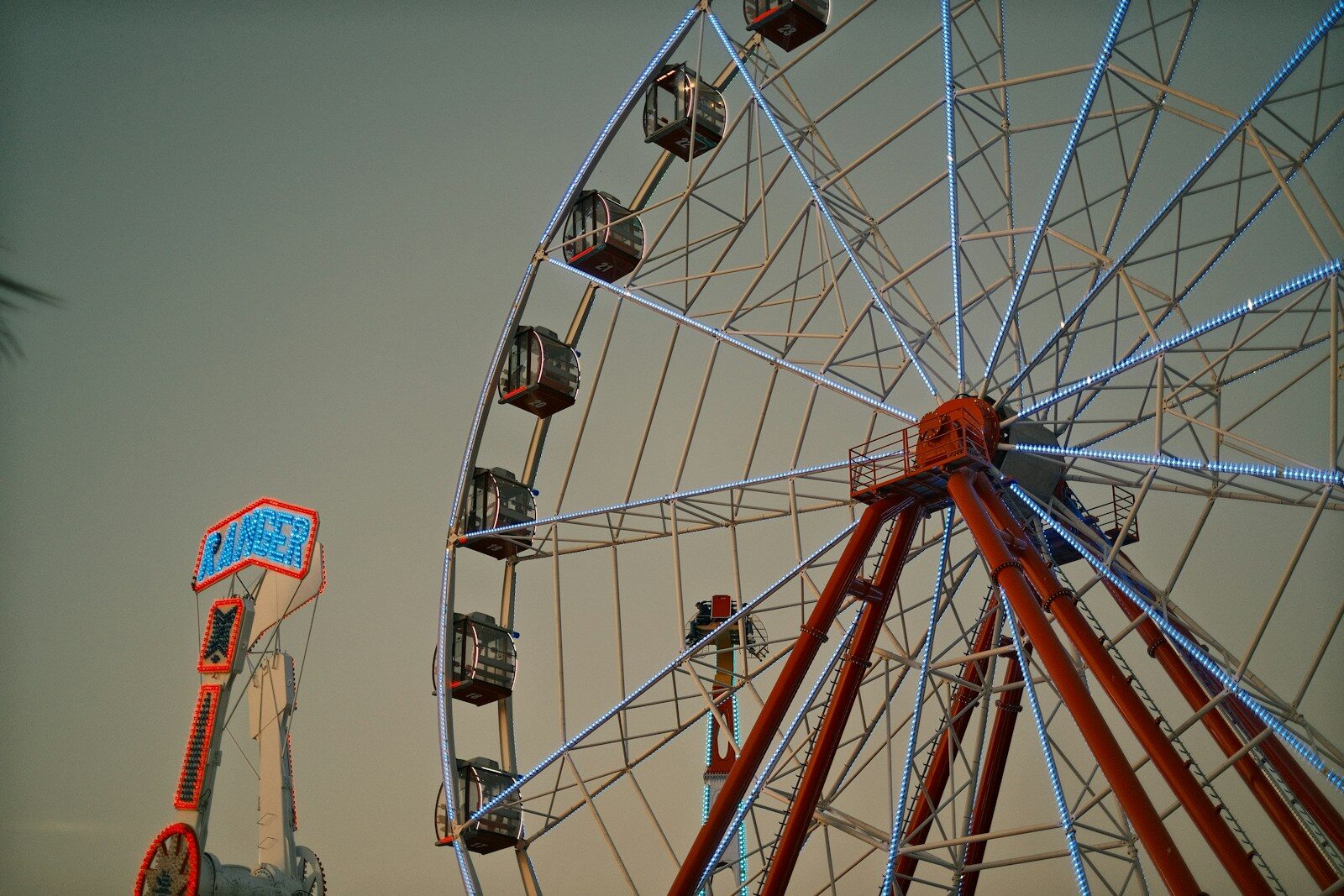
Flat rides include Ferris wheels, carousel rides, teacup spinners, swing rides, and drop towers. These attractions typically occupy smaller footprints than coasters and serve diverse audience segments, from young children to thrill-seekers.
Water Rides
Log flumes, river rapids, splash boats, and water coasters combine the excitement of a ride with the refreshment of water. Water rides are especially popular during warm months and can serve as anchor attractions in parks that operate year-round.
Dark Rides
Dark rides use enclosed environments, themed sets, animatronics, projection systems, and ride vehicles to create narrative-driven experiences. They are among the most immersive forms of amusement park rides and often serve as signature experiences that differentiate a park from its competitors.
Children’s Rides
Dedicated children’s areas ensure that families with young guests have compelling reasons to visit and return. Gentle rides, play structures, character experiences, and interactive play areas create safe environments where children can explore and play.
Interactive Rides
Modern guests expect participation, not just observation. Interactive dark rides, shooting galleries, virtual reality experiences, and augmented reality attractions allow guests to influence their experience and compete for high scores.
Safety Standards and Regulations
Safety is the foundation of every amusement park operation. Amusement park rides must meet rigorous standards to protect guests from injury.
Design and Engineering Standards
Ride manufacturers design attractions according to recognized engineering standards that address structural integrity, dynamic loads, restraint systems, and emergency procedures. Proper design minimizes the risk of injury during normal operation.
Regulatory Oversight
Different jurisdictions have different regulatory frameworks. Some regions have comprehensive state or national oversight, while others rely on industry standards and third-party inspection. Operators must understand the requirements that apply to their specific locations.
Inspection and Maintenance
Regular inspection is essential for safe operation. Daily pre-opening checks, periodic detailed inspections, and comprehensive annual overhauls ensure that every component of an attraction performs as designed.
Operator Training
Ride operators must receive thorough training in normal operations, emergency procedures, guest communication, and incident response. Well-trained staff are the first line of defense in preventing accidents and responding effectively when issues arise.
Guest Communication
Clear signage communicates height requirements, health restrictions, proper riding positions, and behavioral expectations. Well-designed guest communication reduces confusion and prevents unsafe behavior.
Factors Parks Consider When Selecting Rides
Selecting the right amusement park rides is a strategic decision that affects a park’s competitiveness for years to come.
Target Audience
The target audience should drive ride selection. Family-oriented parks prioritize gentle attractions, children’s play areas, and multi-generational experiences. Parks targeting young adults may emphasize extreme coasters, drop towers, and high-thrill attractions.
Capacity and Throughput
Ride capacity directly impacts guest satisfaction. Attractions with low hourly throughput create longer queues and frustrated visitors. Operators must balance attraction selection with expected attendance to minimize wait times.
Footprint and Space Planning
Amusement parks require careful space planning. Amusement park rides must be arranged to optimize guest flow, provide adequate shade, accommodate queue areas, and maintain safe separation between attractions.
Budget and Total Cost of Ownership
The purchase price of amusement park rides represents only part of the total investment. Installation, ongoing maintenance, spare parts, staffing, insurance, and energy costs all contribute to long-term operating expenses.
Reliability and Uptime
An attraction that is frequently down for maintenance generates guest dissatisfaction and lost revenue. Parks prefer rides with proven track records of reliability and responsive technical support.
The Role of Rides in Revenue Generation
Amusement park rides are not just entertainment. They are revenue drivers that influence multiple aspects of park financial performance.
Attendance Drivers
New rides generate media coverage, social media buzz, and guest excitement. Major ride openings can drive significant attendance increases during their debut seasons.
Per-Capita Spending
Guests who have positive ride experiences tend to stay longer and spend more on food, beverage, and merchandise. Attractions that create emotional connections encourage guests to purchase related products.
Season Pass Sales
Parks with strong ride lineups generate higher season pass sales. Guests who know they will have access to diverse experiences throughout the year are more likely to invest in annual access.
Brand Differentiation
Unique rides create competitive advantages. Parks that offer experiences unavailable elsewhere build brand loyalty and justify premium pricing.
Emerging Trends in Amusement Park Rides
The ride landscape continues to evolve, driven by technological innovation and changing guest expectations.
Virtual and Augmented Reality
VR and AR technologies are transforming traditional rides into immersive multimedia experiences. Guests can interact with digital environments while experiencing physical motion, creating blended reality experiences.
Interactive Storytelling
Attractions that allow guests to influence outcomes create deeper engagement. Branching narratives, personalized experiences, and social sharing features add layers of complexity and replay value.
Sustainable Design
Energy-efficient ride systems, regenerative braking, LED lighting, and sustainable materials are becoming standard features in modern ride design. These innovations reduce operating costs and support environmental responsibility goals.
Hybrid Experiences
The boundaries between ride types are blurring. Attractions that combine physical motion with digital media, live performance with interactive technology, and themed environments with gamified elements represent the future of themed entertainment.
Compact and Modular Designs
Urban entertainment venues and smaller parks are driving demand for compact rides that deliver big experiences in limited footprints. Modular designs allow parks to expand or reconfigure attractions as needs change.
Final Thoughts
Amusement park rides are the experiences that guests remember long after they leave. They are the emotional peaks of a park visit, the subjects of social media posts, and the primary drivers of attendance and revenue.
For operators and developers, success requires more than simply purchasing the most thrilling or technologically advanced rides. It demands a strategic approach that balances guest demographics, capacity requirements, safety compliance, operational reliability, and financial performance. Parks that understand the full lifecycle of their amusement park rides — from selection and installation through operation, maintenance, and eventual refresh — are best positioned to build lasting competitive advantages.
As guest expectations continue to evolve and technology continues to advance, the most successful parks will be those that treat their rides not as isolated attractions, but as integrated components of a larger guest experience strategy. By investing in quality, safety, innovation, and operational excellence, parks can create destinations that generate loyalty, drive revenue, and deliver unforgettable memories for generations of guests.