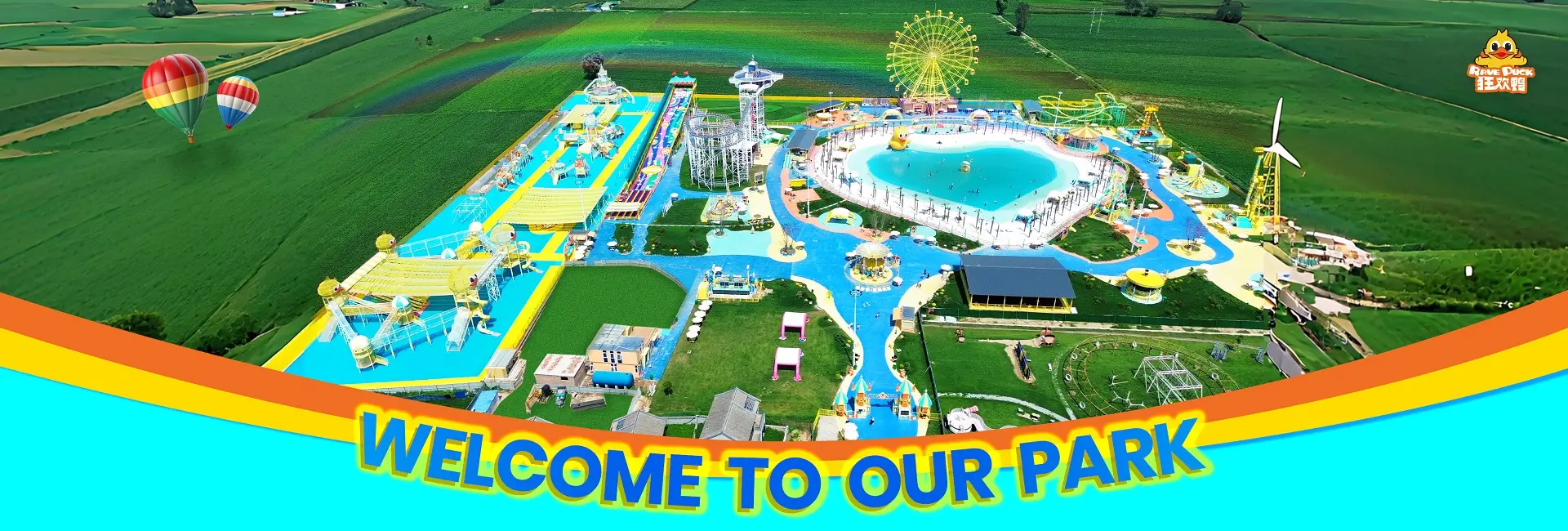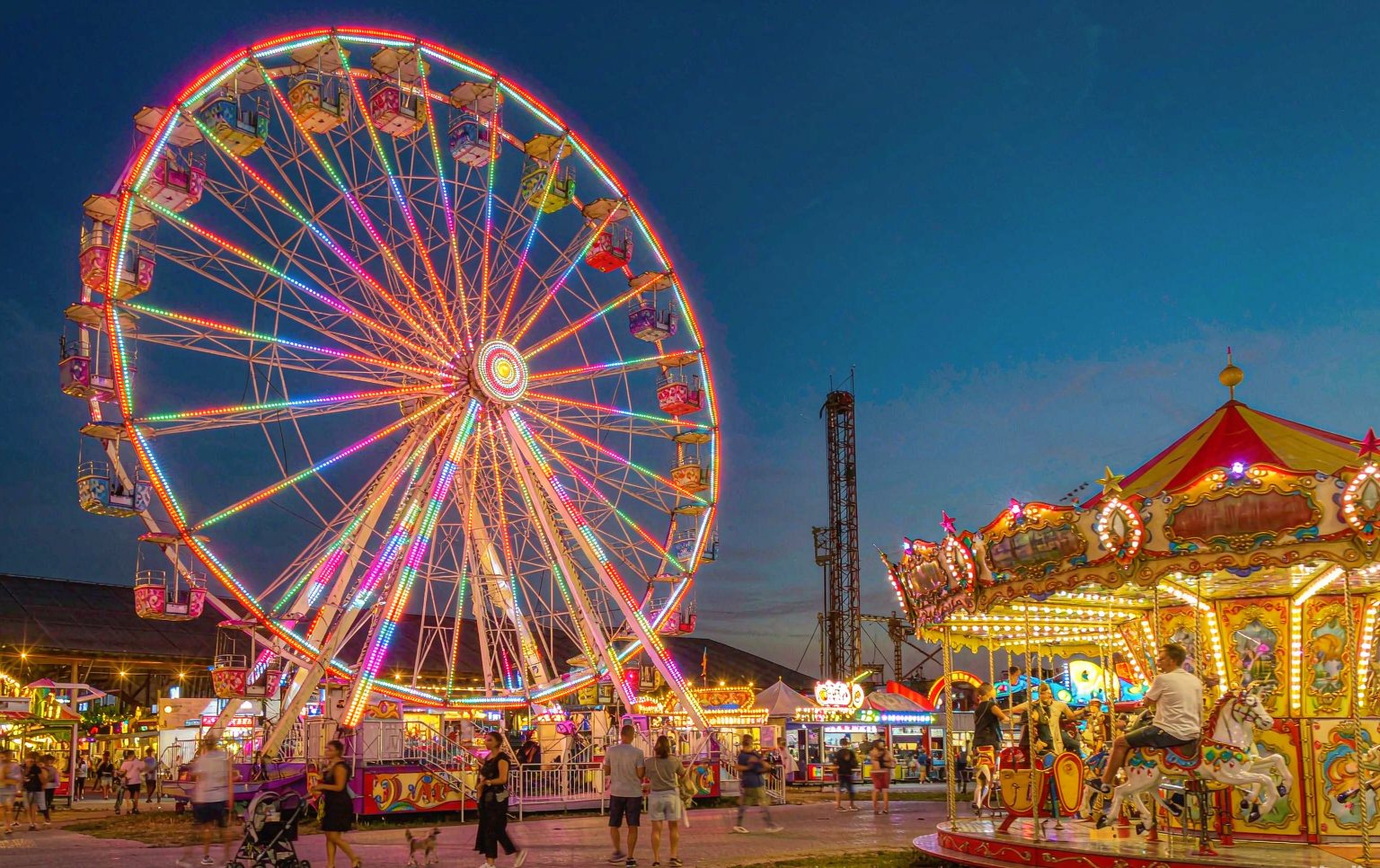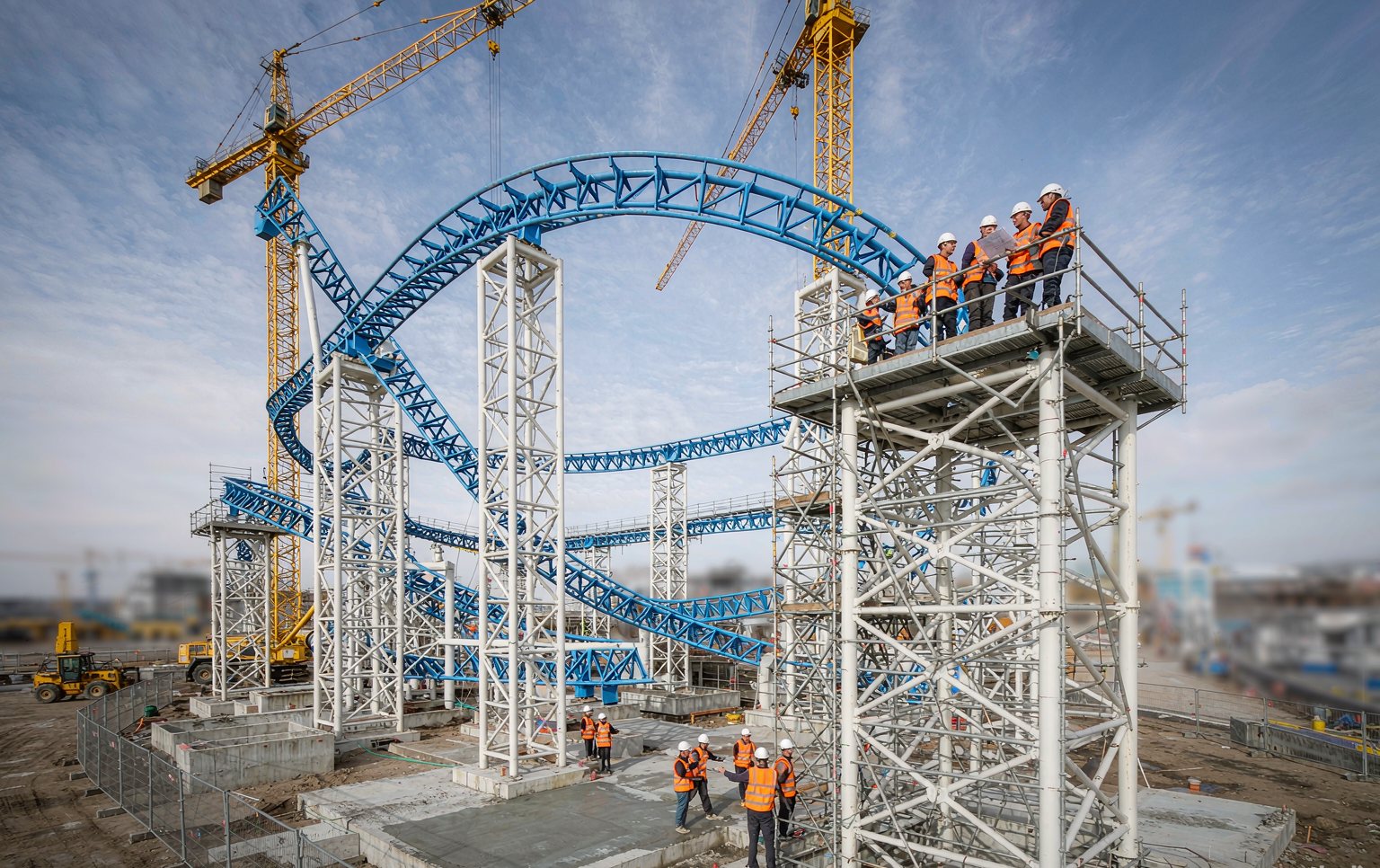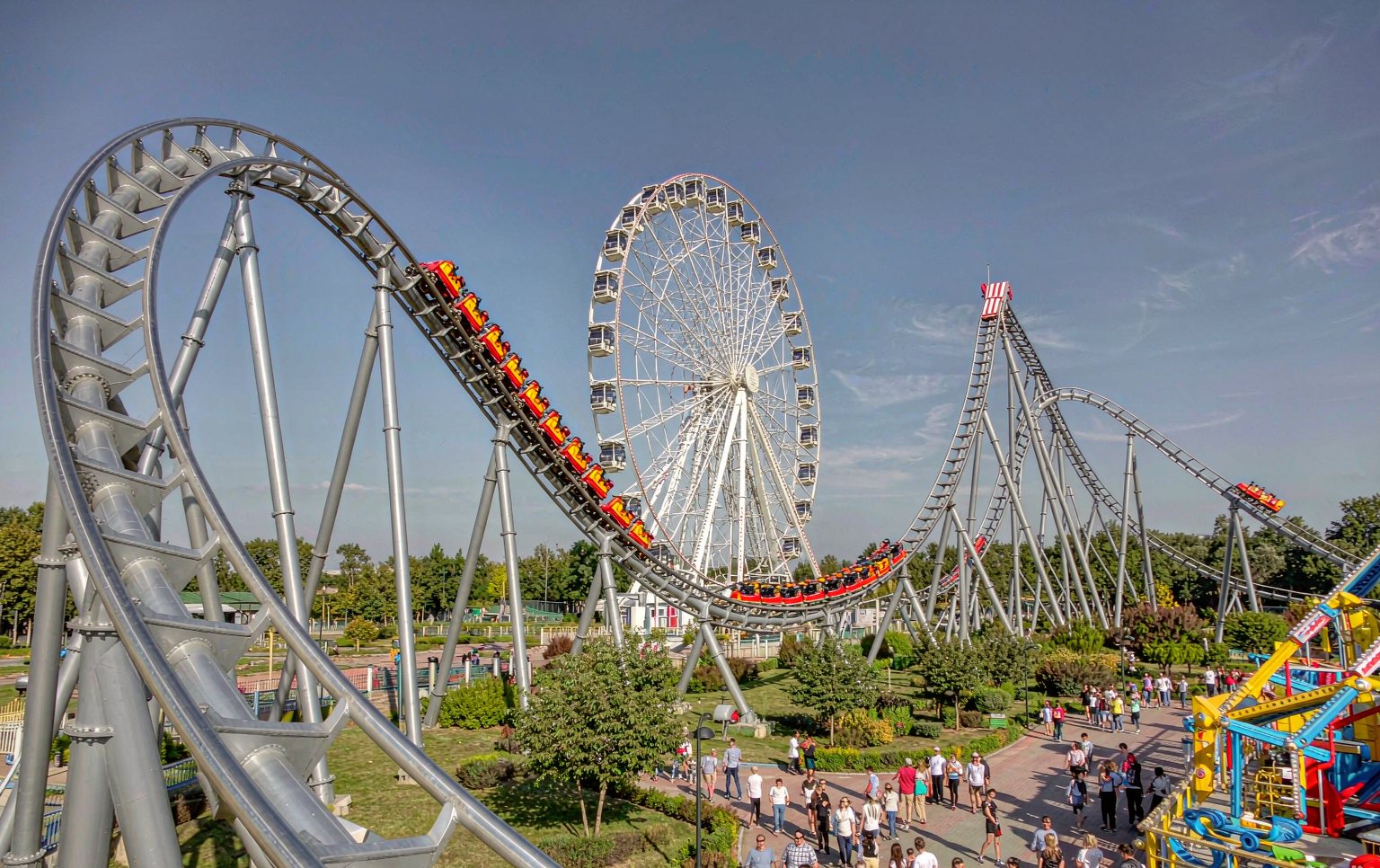
Theme parks are among the most architecturally complex entertainment environments in the world. Unlike conventional buildings designed primarily for function, theme park structures must simultaneously serve as immersive storytelling environments, high-capacity guest facilities, and technically sophisticated operational platforms. At the heart of every successful park lies thoughtful theme park architecture that balances creative ambition with structural integrity, guest comfort, and operational efficiency.
For architects, developers, operators, investors, and creative professionals, understanding the principles of theme park architecture is essential for creating destinations that attract guests, generate revenue, and deliver memorable experiences. The architectural decisions made during design shape every aspect of the guest experience, from the moment visitors approach the entrance to the memories they carry home.
In this article, we will explore the foundational principles of theme park architecture, the specialized disciplines involved, the challenges that make themed projects unique, the best practices that drive successful design, and the emerging trends shaping the future of themed entertainment.
Foundational Principles of Theme Park Architecture
Successful theme park architecture is guided by principles that ensure guest satisfaction, operational efficiency, and long-term viability.
Storytelling Through Structure
The most successful theme parks tell stories through their architecture. Every building, facade, landscape element, and spatial sequence should reinforce the park’s narrative identity. Architecture becomes a storytelling medium, not merely a functional container.
Immersion and Environmental Design
Immersion means creating environments where guests feel transported to another world. Theme park architecture achieves this through themed facades, interior environments, lighting design, material selection, landscaping, and atmospheric details that engage multiple senses simultaneously.
Guest Flow and Spatial Sequencing
Guest flow determines how visitors move through the park. Well-designed architecture creates natural circulation, minimizes congestion, and reveals experiences progressively. Poor spatial design creates frustration and diminishes the overall experience.
Scale and Proportion
Theme parks must balance grandeur with human scale. Oversized structures can feel impersonal, while undersized spaces can feel cramped. Successful theme park architecture creates environments that feel appropriately scaled to their intended experience and audience.
Operational Integration
Creative architecture must work in harmony with operational requirements. Queue areas, loading zones, maintenance access, staff circulation, emergency egress, and back-of-house facilities must all be integrated into the design without compromising the guest experience.
The Role of Architecture in Theme Park Design
Architecture plays a central role in shaping the guest experience and operational performance of a theme park.
Creating Destination Identity
Architecture establishes the visual identity of a park. Iconic structures, distinctive facades, and memorable landmarks create recognition, generate excitement, and differentiate the park from competing destinations.
Defining Themed Environments
Themed areas rely on architecture to create distinct environments. Each area should have a clear architectural identity that distinguishes it from other areas while contributing to the park’s overall narrative coherence.
Supporting Attraction Experiences
Attractions require specialized architectural environments. Show buildings must accommodate ride systems, technical equipment, guest circulation, and themed environments while maintaining structural integrity and operational efficiency.
Enhancing Guest Comfort
Architecture directly impacts guest comfort. Shade structures, climate-controlled environments, seating areas, restrooms, dining facilities, and accessible pathways all contribute to positive guest experiences.
Generating Revenue Opportunities
Architecture supports revenue generation through themed dining environments, immersive retail spaces, premium experiences, and special event venues. Well-designed commercial spaces enhance the guest experience while driving per-capita spending.
Specialized Disciplines in Theme Park Architecture
Theme park architecture requires coordination among multiple specialized disciplines that rarely converge on conventional architectural projects.
Themed Environment Architects
Themed environment architects design the buildings, facades, and structures that create immersive environments. They work closely with show designers, landscape architects, and creative directors to ensure that architecture supports the park’s storytelling goals.
Attraction Architects
Attraction architects design the specialized structures that house rides and experiences. These buildings must accommodate complex ride systems, technical requirements, guest circulation, and themed environments while meeting rigorous safety and engineering standards.
Landscape Architects
Landscape architects design the outdoor environments that connect themed areas, create natural transitions, and enhance immersion. Their work includes planting design, hardscape, water features, lighting, and environmental theming.
Interior Designers
Interior designers create the guest-facing environments within buildings. They design queue areas, ride vehicles, show scenes, dining spaces, retail environments, and guest facilities that support the park’s thematic identity.
Lighting Designers
Lighting designers create the atmospheric environments that enhance immersion and guide guest experiences. Their work includes architectural lighting, show lighting, safety lighting, and dynamic lighting systems that respond to operational needs.
Acoustic Designers
Acoustic designers manage sound environments throughout the park. They design audio systems, control sound transmission between areas, create immersive soundscapes, and ensure that guest experiences are enhanced rather than disrupted by unwanted noise.
Challenges Unique to Theme Park Architecture
Theme park architecture presents challenges that distinguish it from conventional architectural practice.
Custom Design Requirements
Most themed structures are custom-designed and one-of-a-kind. Unlike conventional architecture that often relies on standardized components, themed environments require specialized design solutions, artistic craftsmanship, and creative problem-solving.
Technical Integration
Theme park architecture must integrate complex technical systems including ride controls, show controls, audio, video, lighting, projection, animatronics, and communication networks. These systems must be concealed from guests while remaining accessible for maintenance.
Creative and Structural Balance
Creative design and structural engineering must work in harmony. Themed elements must accommodate structural requirements, safety systems, and operational needs without compromising the guest experience or design intent.
Durability and Maintenance
Theme park environments experience heavy use, weather exposure, and constant guest interaction. Architecture must be durable, maintainable, and designed for long-term performance while preserving its visual and thematic quality.
Regulatory Compliance
Theme parks must comply with building codes, safety standards, fire protection requirements, accessibility standards, and environmental regulations. Different jurisdictions have different requirements, and successful projects must navigate complex approval processes.
Budget and Schedule Constraints
Theme park projects often operate under significant budget and schedule pressures. Architects must balance creative ambition with financial reality, prioritizing investments that generate the strongest guest response and operational performance.
Best Practices for Successful Theme Park Architecture
Successful theme park architecture requires disciplined design processes and proven best practices.
Integrated Design Approach
Integrated design brings architects, engineers, show designers, operators, and contractors together early in the process. This approach reduces conflicts, improves coordination, and ensures that design intent is maintained throughout construction.
Clear Design Intent
Clear design intent prevents misunderstandings and scope changes. Design documents should define aesthetic goals, quality standards, material selections, and acceptance criteria with precision.
Guest-Centered Design
Architecture should prioritize the guest experience. Every design decision should be evaluated based on its impact on guest comfort, immersion, safety, accessibility, and emotional engagement.
Operational Collaboration
Architects must collaborate closely with operators throughout the design process. Operational input ensures that architecture supports efficient staffing, maintenance access, guest flow, and long-term performance.
Sustainable Design Principles
Energy-efficient systems, sustainable materials, water conservation, waste reduction, and renewable energy integration should be incorporated into theme park architecture from the earliest design stages. These practices reduce environmental impact while lowering long-term operating costs.
Iterative Design Development
Theme park architecture benefits from iterative design development. Concepts should be tested, refined, and validated through models, simulations, and stakeholder feedback before finalization.
The Relationship Between Architecture and Guest Experience
Architecture directly shapes the guest experience in theme park architecture.
First Impressions
The entrance and arrival experience set the tone for the entire visit. Architecture creates the first impression, establishes expectations, and begins the storytelling experience.
Spatial Discovery
Well-designed architecture creates moments of discovery. Curved pathways, revealed vistas, hidden details, and progressive reveals encourage exploration and create memorable experiences.
Emotional Engagement
Architecture creates emotional environments. Scale, proportion, lighting, materials, and atmospheric details all contribute to the emotional impact of themed environments.
Wayfinding and Navigation
Architecture supports intuitive wayfinding. Clear visual cues, distinctive landmarks, and logical spatial organization help guests navigate the park with confidence.
Comfort and Accessibility
Architecture must serve all guests comfortably. Accessible pathways, shade structures, climate-controlled environments, seating areas, and family-friendly facilities ensure that diverse guests can enjoy the park experience.
Emerging Trends in Theme Park Architecture
The field continues to evolve, driven by technological innovation, changing guest expectations, and new design approaches.
Immersive Technology Integration
Projection mapping, interactive environments, augmented reality, mixed reality, and responsive media are transforming themed architecture. These technologies create dynamic environments that can change over time and respond to guest interaction.
Sustainable Architecture
Energy-efficient systems, renewable energy sources, sustainable materials, water conservation, and waste reduction are becoming standard features in modern theme park architecture. These practices reduce environmental impact while lowering operating costs.
Compact and Urban Design
Urban entertainment venues and smaller markets are driving demand for compact parks that deliver big experiences in limited footprints. These projects prioritize efficient design, strong thematic identity, and integrated entertainment offerings.
Adaptive and Flexible Spaces
Modern parks are designing spaces that can adapt to changing needs. Flexible venues, modular environments, and reconfigurable experiences allow parks to evolve their offerings over time.
Digital Design Tools
Building Information Modeling, virtual reality, augmented reality, and advanced visualization tools are transforming the design process. These technologies enable better coordination, improved communication, and more accurate design validation.
Final Thoughts
Theme park architecture is both an art and a science. It requires creative vision, technical expertise, operational understanding, and disciplined design execution. The most successful parks are those that treat architecture not as a series of isolated buildings, but as an integrated system that shapes every aspect of the guest experience.
For architects and developers, investing in thoughtful theme park architecture is investing in long-term competitive advantage. Parks that create compelling stories, immersive environments, efficient operations, and memorable experiences are best positioned to attract guests, generate revenue, and build lasting loyalty.
As guest expectations continue to evolve and technology continues to advance, the most successful parks will be those that embrace innovation while remaining true to the fundamental principles of great architecture: storytelling, immersion, guest comfort, operational excellence, and emotional engagement. By combining creative ambition with technical precision and operational discipline, architects can create destinations that deliver unforgettable experiences for generations of guests.