
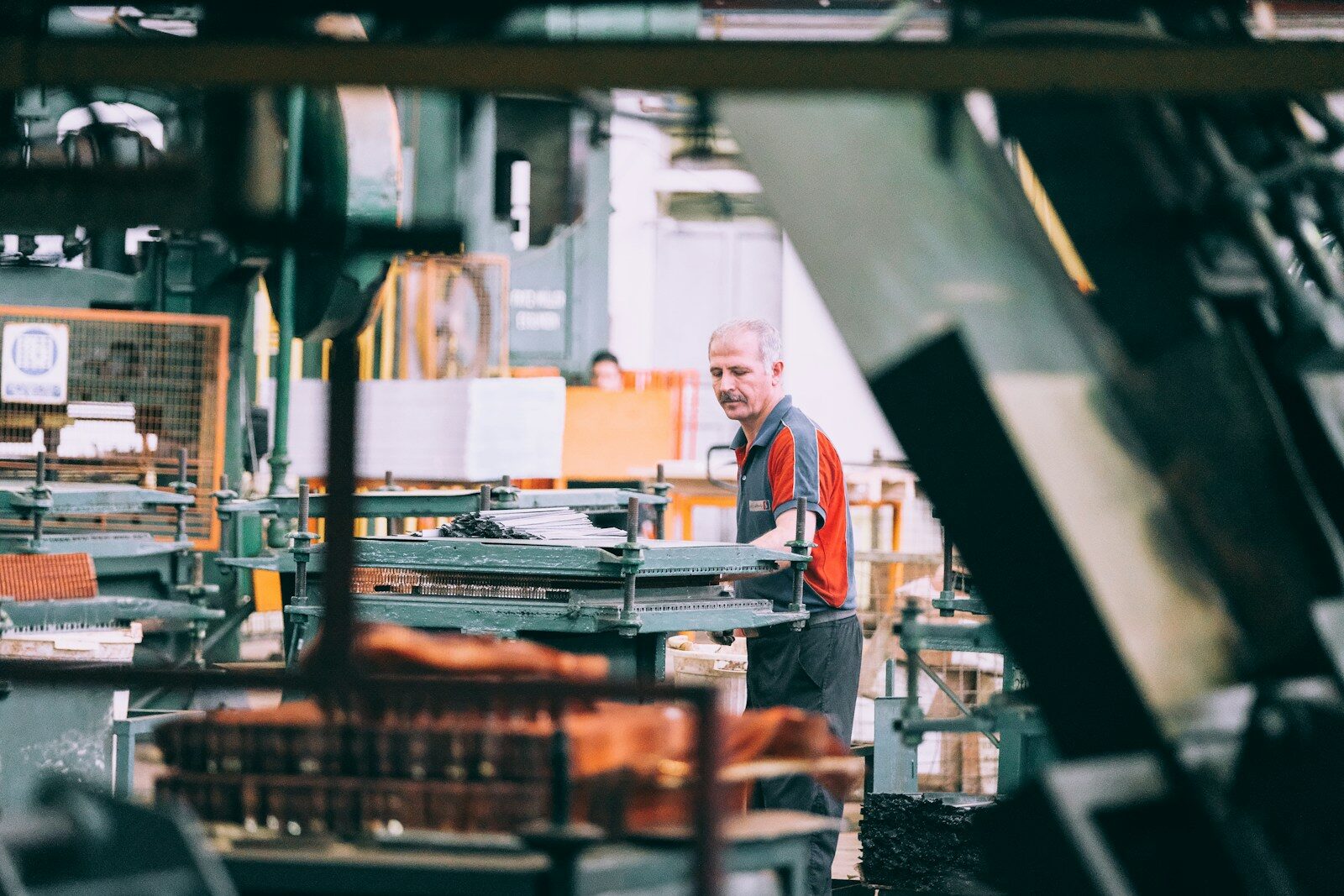
Most ride downtime is not caused by dramatic failures — it is caused by the absence of a maintenance system: no spare parts on the shelf, no inspection log, no one who knows which bolt was checked last. Operators who build a structured maintenance and spare parts program from day one keep availability above 95% and pass inspections without drama. This guide shows how to build that program around any fleet of rides and play equipment.
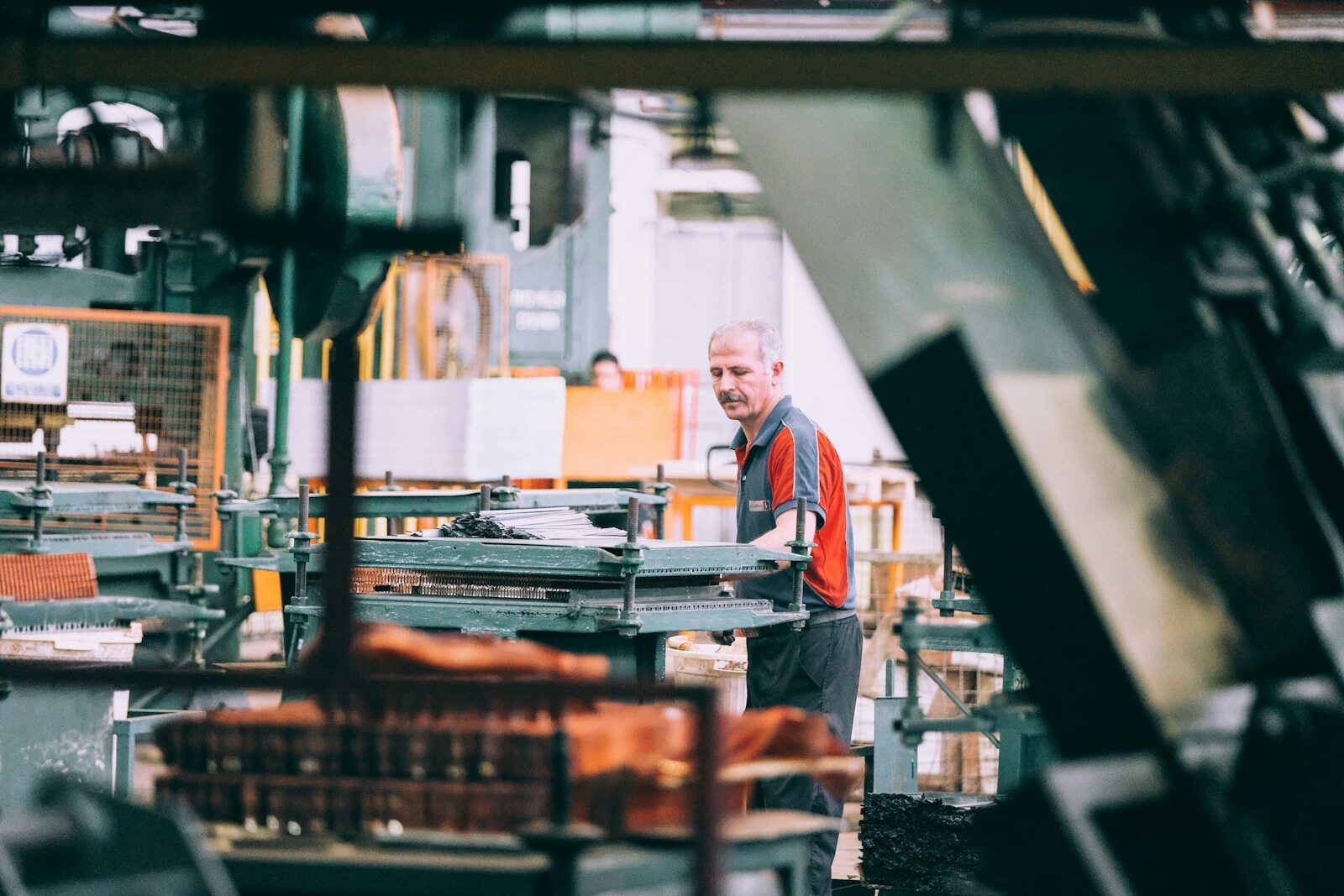
The Three Layers of a Maintenance Program
- Daily checks (operator level). Before opening: visual inspection of restraints, fencing, surfaces, and moving parts; a test cycle; confirmation of emergency stops. Logged on a signed checklist — the log is the product.
- Periodic maintenance (technical level). Weekly and monthly tasks per the manufacturer’s manual: lubrication, bolt torque checks on a rotation plan, wear measurement on brakes, tires, belts, and bearings, electrical cabinet inspection.
- Annual service (deep level). Structural inspection, welding checks, full safety device verification, and — in most jurisdictions — a documented annual inspection by a qualified person or third party.
The manufacturer’s manual defines the intervals; the operator’s job is to build the schedule, assign owners to each task, and keep records that an inspector can read without explanation.
Building the Spare Parts Inventory
The correct spares stock is neither zero nor “everything.” Build it in three tiers:
- Tier 1 — wear items (stock at purchase): belts, bearings, bulbs/LED modules, fuses, relays, hydraulic seals, tires, chains, restraint pads, foam and vinyl patches. These fail predictably and stop the ride when unavailable.
- Tier 2 — long-lead criticals (stock 1–2 of each): control boards, motors, blowers, gearboxes, sensors. Order them with the ride, not after the failure.
- Tier 3 — structural and custom parts (contract with supplier): fabricated components, themed panels, nets. You will not stock these, but you must know the reorder lead time before you need it.
Ask the manufacturer at purchase: a recommended spares list for two years of operation, guaranteed availability periods for the model, and whether serial-numbered records are kept so future parts match your exact configuration.
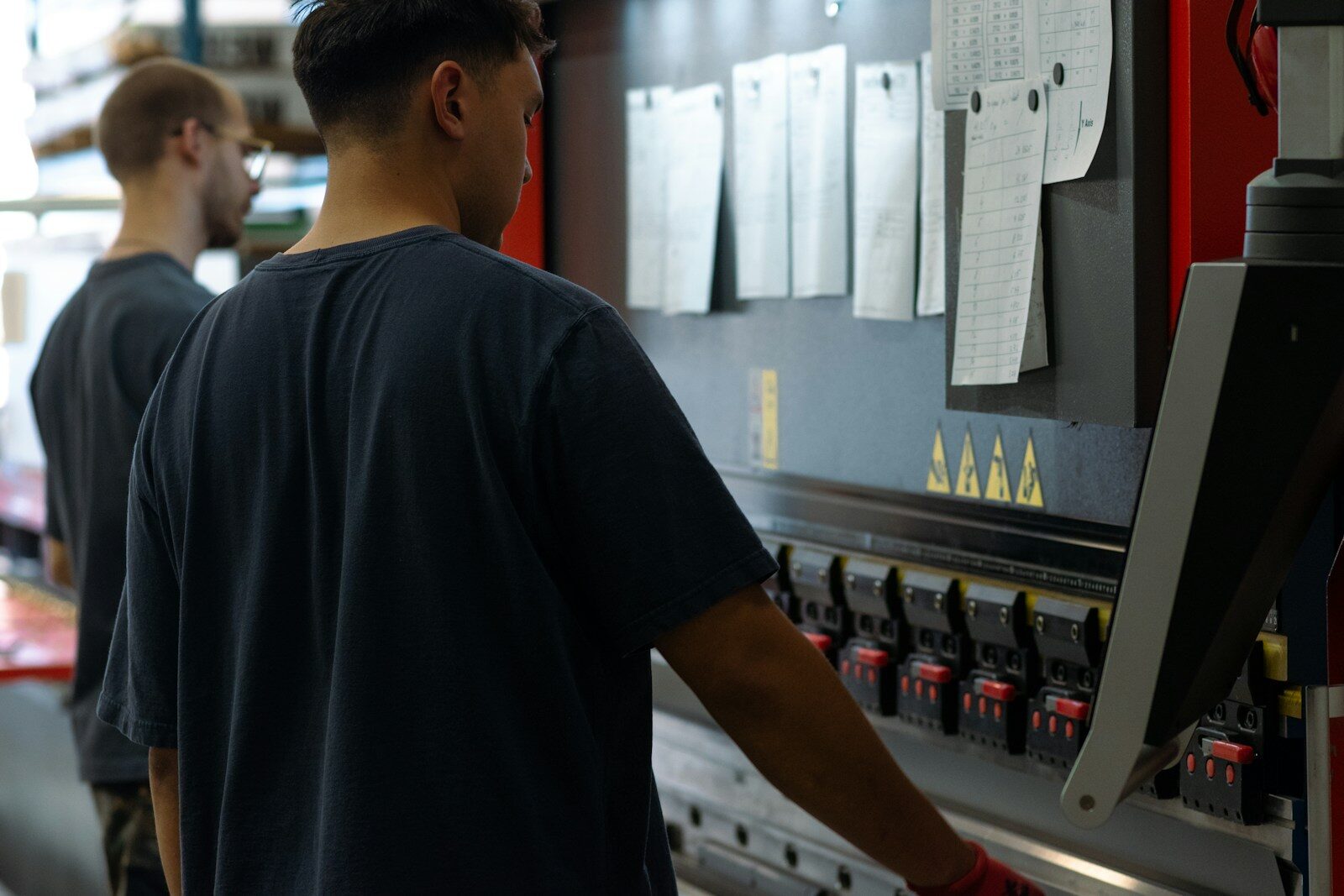
Records: The Part Inspectors Actually Read
A maintenance program exists on paper as much as in the workshop. Minimum records:
- Asset file per ride — model, serial number, manufacturer documents, certificates, warranty terms.
- Daily inspection logs — signed, dated, with exceptions tracked to closure.
- Maintenance history — every intervention, part replaced, and by whom.
- Incident and defect log — including guest complaints; patterns in small defects predict big failures.
- Parts inventory — quantities, reorder points, and supplier contacts.
Whether this lives in a spreadsheet or CMMS software matters less than that it is current. An inspector who finds complete records relaxes; one who finds gaps does not.
Staffing and Training
- Name an owner for maintenance — even at small venues, “everyone checks” means no one checks.
- Train operators on daily checks and what to shut down for: abnormal noise, restraint anomalies, unusual vibration, any sensor fault.
- Keep a technical contact path to the manufacturer — phone, email, or video support turns a mysterious fault into a guided repair.
- Refresher training annually, especially when staff turnover is high.
Budgeting for Reliability
Plan annual maintenance spending as a percentage of equipment value — commonly a mid-single-digit percentage for rides, higher in year one when commissioning defects surface and the initial spares stock is built. Add a ride-hours meter reading to your logs: wear schedules are written in operating hours, not calendar months, and seasonal venues need schedules adjusted accordingly.
Common Program Failures
- No spares stock at purchase — every Tier-1 failure becomes a shipping wait from overseas.
- Logs that exist only when inspectors are announced.
- Deferred lubrication and torque checks during busy season, which is exactly when hours accumulate fastest.
- No supplier relationship — no records of the ride’s configuration, so replacement parts arrive wrong.
Final Thoughts
Reliability is purchased twice: once with the equipment, and once with the program that maintains it. Operators who stock the wear items, schedule the intervals, keep honest records, and hold a live line to the manufacturer convert maintenance from a cost center into the reason their park stays open — and their insurance and inspection costs stay low.
Anxin Amusement supplies maintenance manuals, recommended spare parts packages, and remote technical support with every ride and playground system. Contact us to build the after-sales program for your fleet.