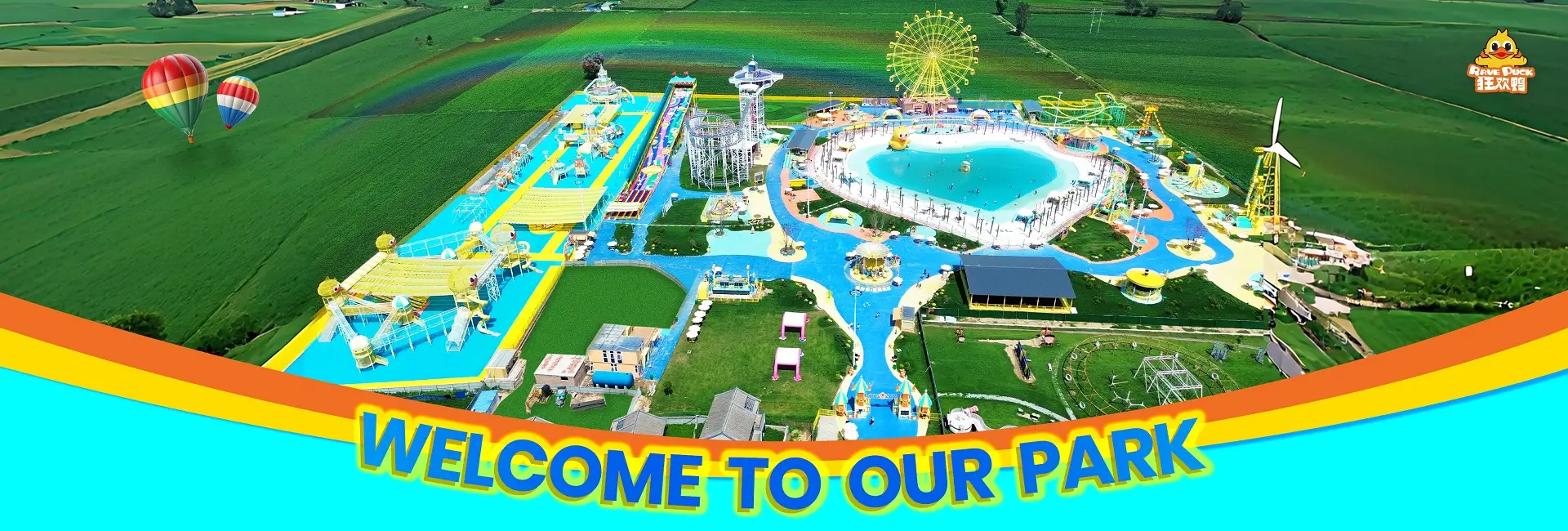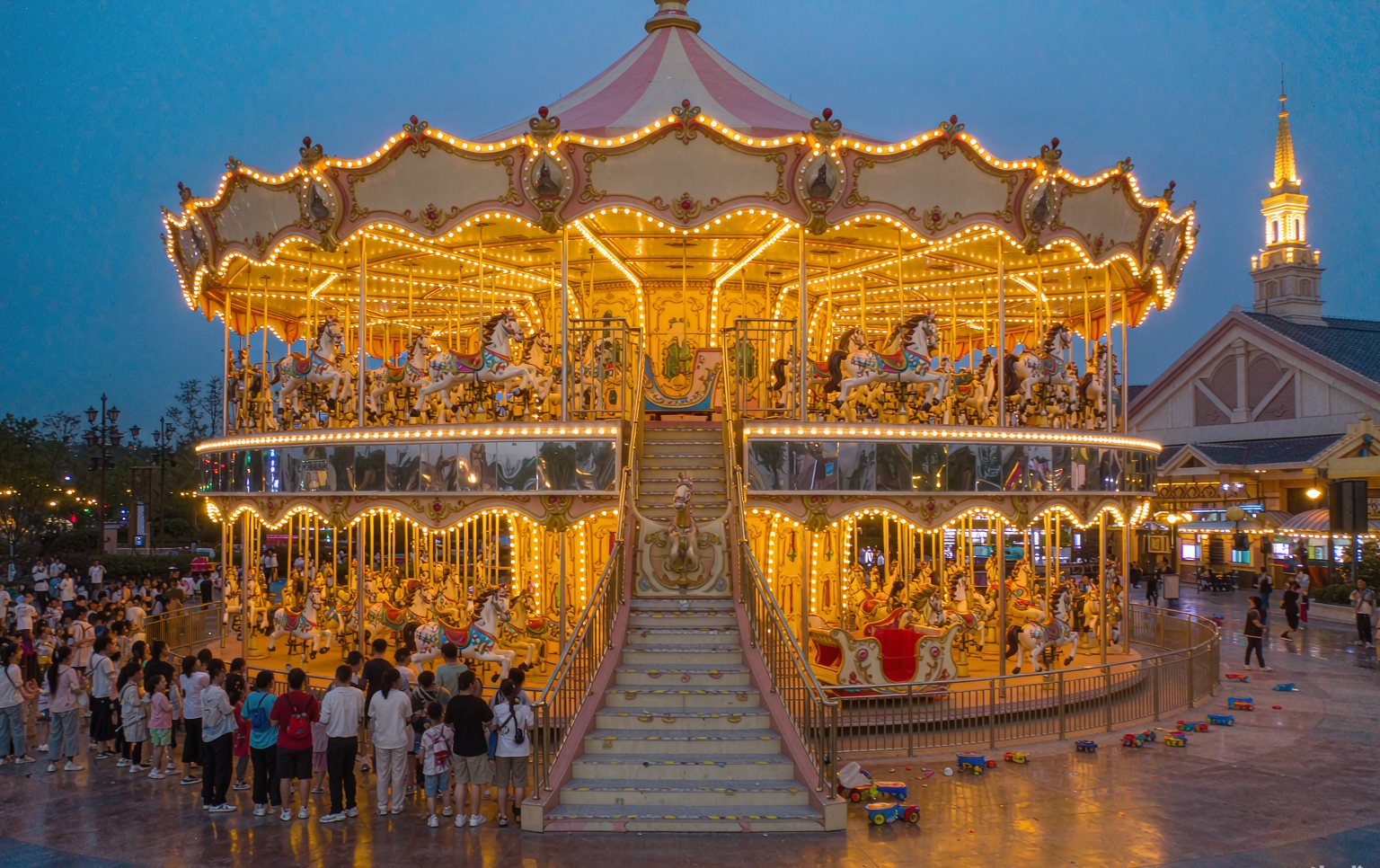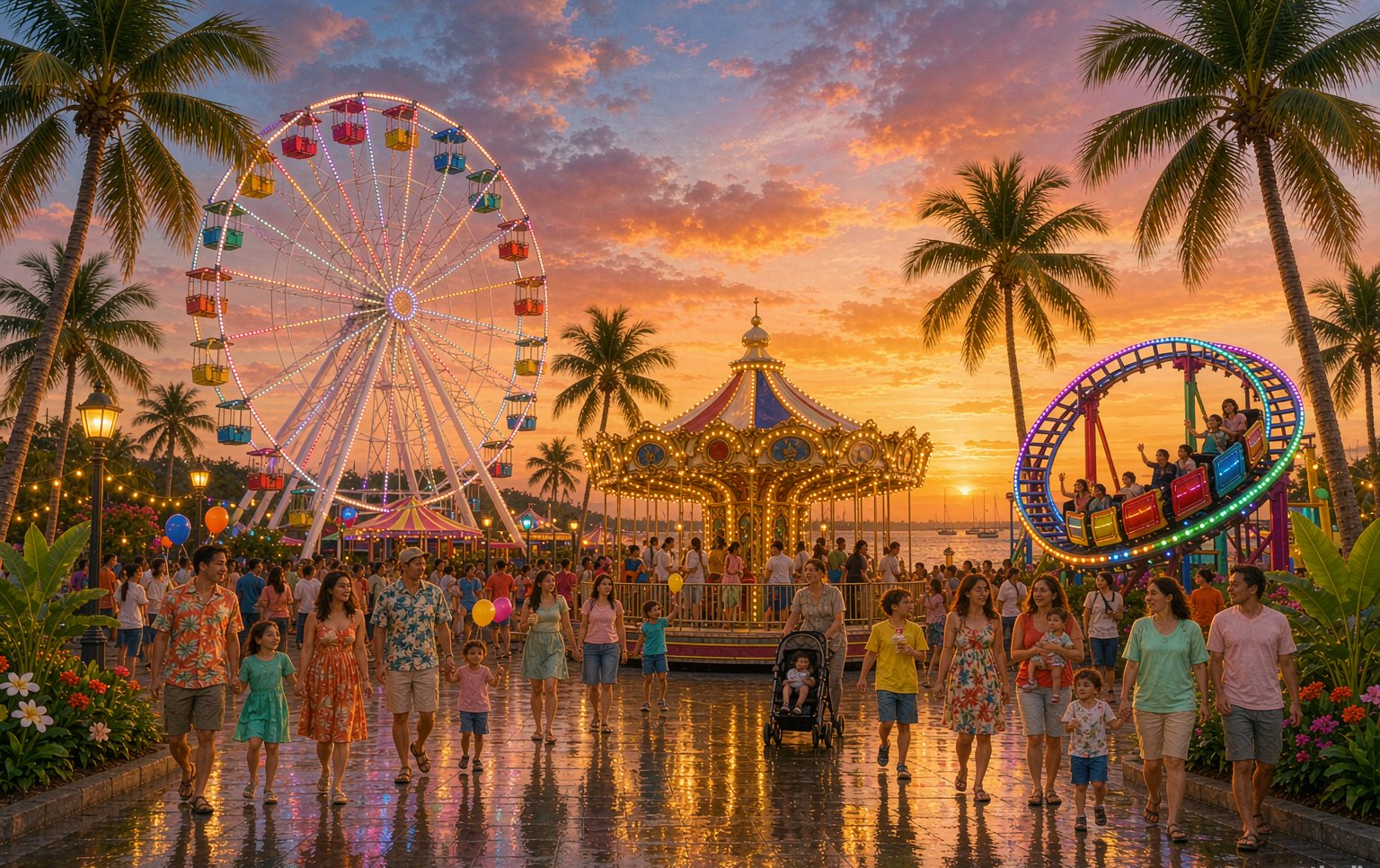
Themed environments sell the visit long before any ride does. But full-scale theming — sculpted rockwork, custom animatronics, hand-painted signage — is the most expensive per square meter of anything a park buys. The good news: guest perception of “theming” is created by a handful of techniques that scale down remarkably well. Small parks and family venues can achieve a big-park look with disciplined design choices and a fraction of the budget.
Principle 1: One Icon Beats Ten Props
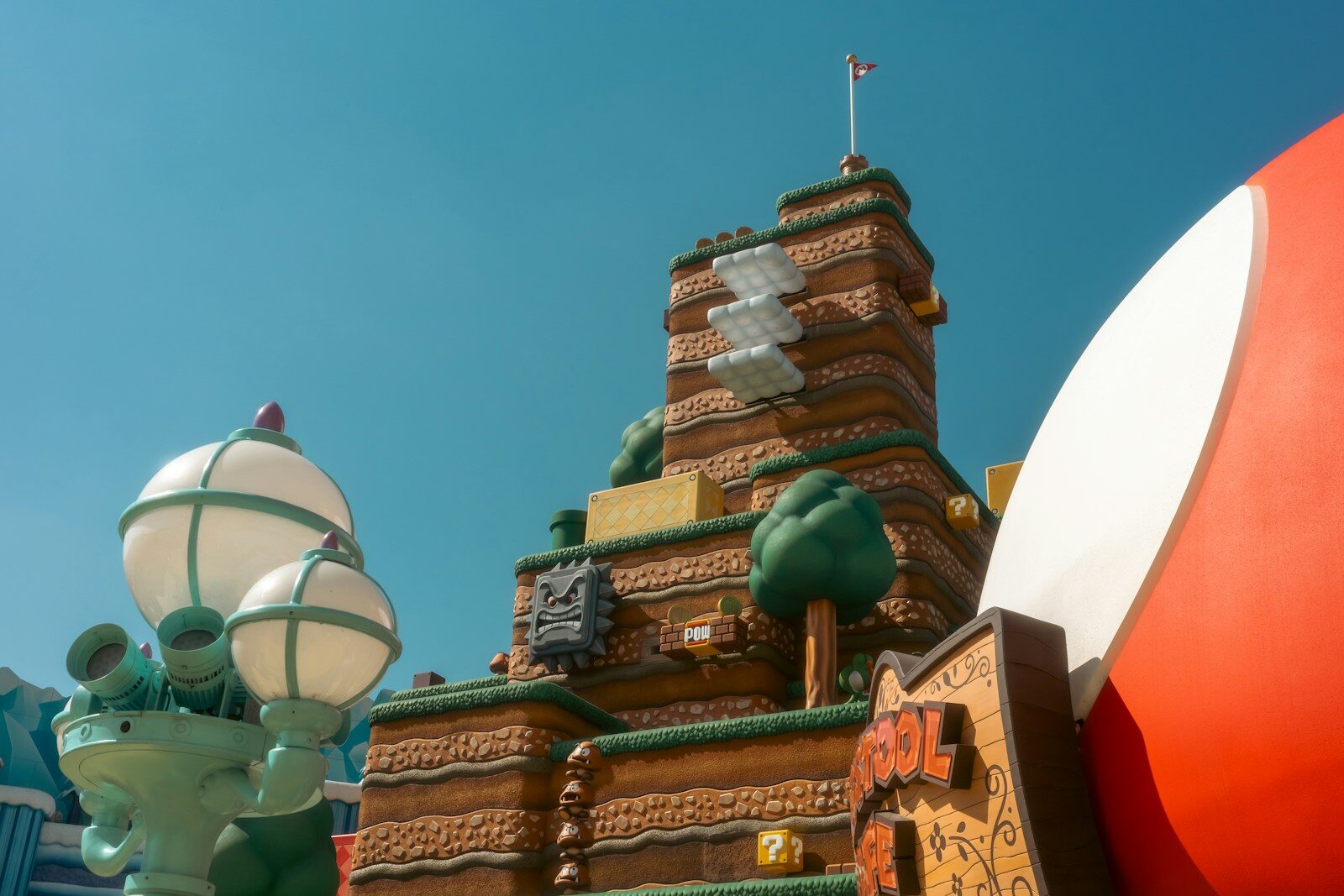
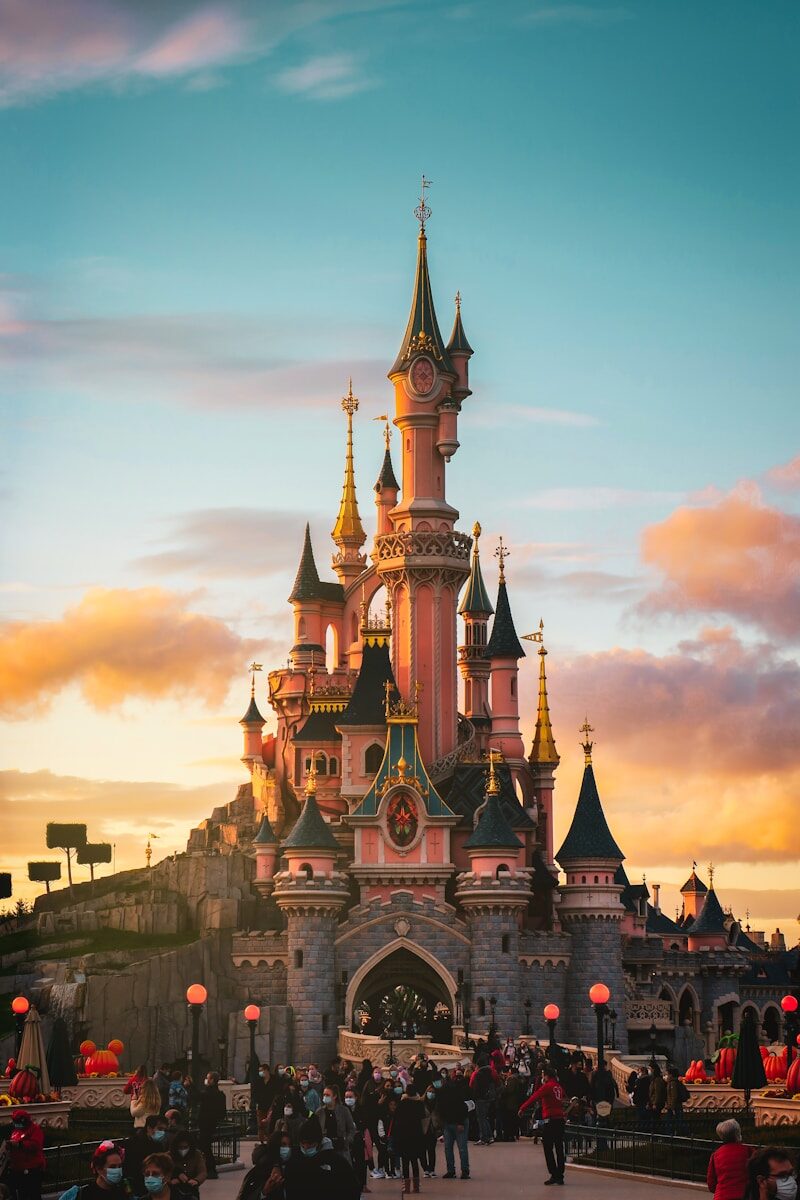
Guests remember environments through a few anchors: the castle, the giant octopus, the glowing entrance arch. Small parks should concentrate their theming budget on one or two signature icons placed where guests photograph — the entrance, the plaza, the ride’s money shot — and let the rest of the park stay clean and well-landscaped. A single excellent icon produces more social media reach than a park full of forgettable figures.
Principle 2: Theme the Ride, Not the Whole Park
Ride theming has the best return on investment because the themed element is also the revenue element. A carousel becomes “under the sea” with custom column sculptures, canopy artwork, and a paint scheme; a kiddie train becomes a safari expedition with vinyl wraps and two landscape frames along the route. Wrapping and customizing equipment at the factory — colors, panels, graphics, lighting — costs far less than building scenery around it later, and it ships as one certified product.
Principle 3: Use Paint, Lighting and Graphics as Force Multipliers
The professional scenic hierarchy, from cheapest to most expensive, is:
- Color and paint schemes — a unified palette across fences, planters, and equipment instantly reads as “designed.”
- Lighting — LED floods, washes, and programmed color change transform the same park at night; evening theming is the cheapest capacity expansion a park can buy.
- 2D graphics and murals — printed and painted panels create scenery depth for a fraction of sculptural cost.
- 3D sculpted elements — reserve for the signature icon and photo stops.
Parks that skip straight to sculpture while leaving paint and lighting generic spend the most money for the least perceived theme.
Principle 4: Build a Coherent Story, Then Repeat It
Coherence is free. Choose one narrative — ocean, jungle, sky city, farm — and apply it consistently: ride names, menu items, staff uniforms, signage fonts, and color palette. Guests perceive a “themed park” when every element agrees, not when every element is decorated. A written one-page brand sheet (colors, fonts, tone, three motifs) keeps every future purchase on-theme and prevents the gradual visual mess that dilutes most small parks.
Principle 5: Theme the Ground and the Edges
Two surfaces guests touch constantly are usually unthemed: the floor and the boundaries. Poured rubber or stamped concrete with graphic inlays at the entrance plaza, themed fencing and gates, planter shapes, and painted queue lines cost little and shape perception disproportionately. The ground plane is also the safest place for creativity — it never interferes with equipment certification.
Practical Budget Framework
- 40% — one signature icon at the photo location.
- 25% — ride customization done at the factory (wraps, sculptures, lighting).
- 20% — lighting package, including evening programming.
- 15% — graphics, signage, queue and entrance surfaces.
Adjust by climate and seasonality: parks that operate evenings should shift weight to lighting; daylight-only seasonal parks get more from paint and icons.
Common Mistakes
- Spreading budget evenly across the park, achieving uniform mediocrity instead of one memorable anchor.
- Buying scenery from a different supplier than the rides, so nothing matches structurally or certification-wise.
- Theming that ignores operations — sculptures in queue flow, props that block sightlines for court monitors.
- No maintenance plan: outdoor scenic elements are weather assets; budget annual touch-up paint like any other maintenance line.
Final Thoughts
Big-park atmosphere is a design discipline, not a budget size. Concentrate spend on one icon and the rides, let paint, lighting, and graphics multiply the effect, and enforce a single story across every surface. Guests will photograph the result — and photos are the marketing channel small parks own outright.
Anxin Amusement offers factory-direct ride customization — themed panels, sculpting, lighting packages, and color schemes — so your theming ships integrated with certified equipment. Talk to our design team about your park’s story.