Building an amusement park is one of the most exciting and complex projects in the entertainment industry. It brings together architecture, engineering, storytelling, ride technology, landscape planning, guest experience, operations, and branding into a single destination. Behind every successful park, there is a team of professionals who can turn a vision into a place where families, friends, and thrill seekers want to return again and again.
That is why choosing the right amusement park design companies is one of the most important decisions in any park development project. The right design partner does not just create drawings or layouts. They help shape the identity of the park, plan the guest journey, balance entertainment with safety, and build a foundation for long-term commercial success.
Whether you are planning a new regional amusement park, a family entertainment center, an indoor theme park, a water park, a traveling attraction site, or a mixed-use entertainment destination, understanding how to evaluate amusement park design companies will help you make a smarter, safer, and more profitable investment.
Why Amusement Park Design Companies Matter
Amusement park design companies play a central role in turning an idea into a real, functioning destination. A park is not simply a collection of rides placed on a piece of land. It is a carefully planned environment where every path, building, queue line, show area, food zone, restroom, exit route, and attraction should work together to create a smooth and memorable experience.
Good design affects nearly every part of a park. It influences how guests feel when they arrive, how easily they move through the site, how long they stay, how much they spend, how safe the environment feels, and whether they want to come back. Poor design, on the other hand, can lead to crowded pathways, confusing layouts, weak guest flow, underused attractions, operational inefficiency, and missed revenue opportunities.
This is why amusement park design companies are not just creative consultants. They are strategic partners who combine imagination with engineering, business planning, safety knowledge, and operational understanding. The best design teams think about the guest experience first, but they also consider maintenance access, staff movement, emergency planning, future expansion, and long-term sustainability.
What Amusement Park Design Companies Actually Do
Many people assume that amusement park design companies only focus on ride selection or visual design. In reality, their work covers a much wider range of responsibilities. A complete park design process usually includes several stages, each of which affects the final success of the project.
Concept Development
The concept stage is where the identity of the park begins to take shape. Amusement park design companies help define the target audience, overall theme, park size, experience style, and market positioning. A park designed for young families will look and feel very different from one built for teenagers, thrill seekers, or mixed-age regional visitors.
A strong concept gives the project direction. It helps answer important questions such as who the park is for, what makes it different, what emotional experience guests should have, and how the park can stand out in a competitive entertainment market.
Master Planning
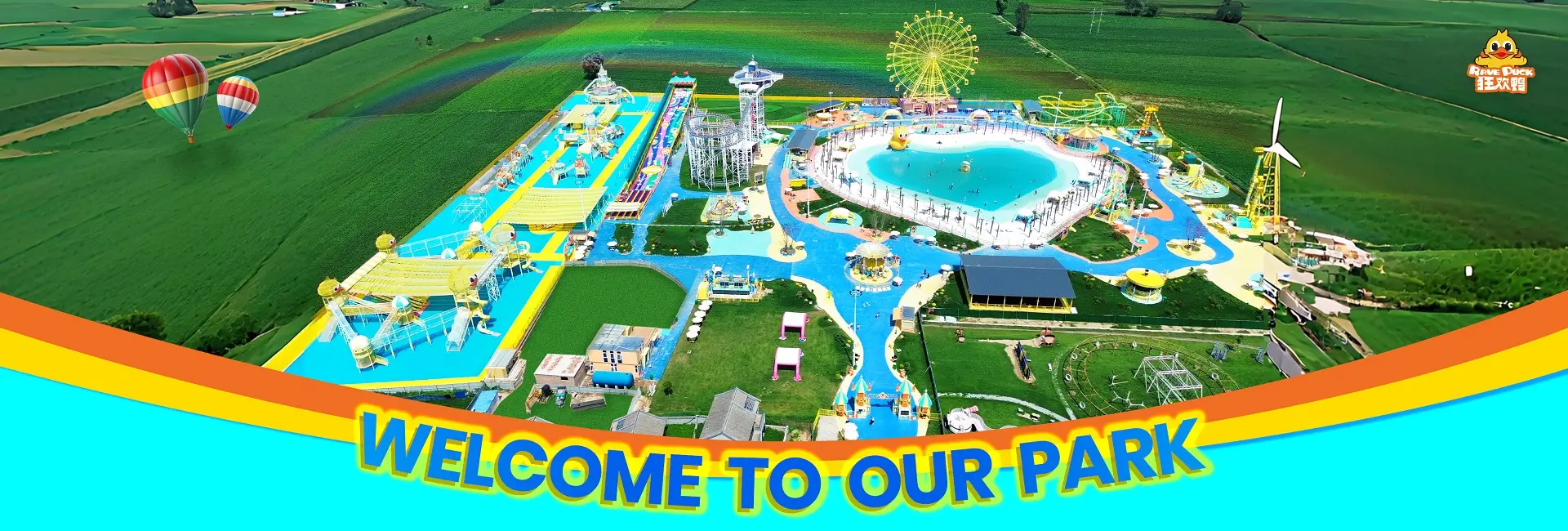
Master planning is one of the most important services offered by amusement park design companies. It involves organizing the entire site, including ride locations, entrances, exits, walkways, service areas, food zones, retail areas, restrooms, parking, staff areas, and emergency routes.
A well-designed master plan balances entertainment, comfort, safety, and operational efficiency. It considers guest flow, crowd control, shade, seating, accessibility, noise levels, and the relationship between attractions. Without a strong master plan, even the best rides can feel disconnected or difficult to enjoy.
Ride Selection and Attraction Planning
Choosing the right mix of attractions is essential. Amusement park design companies help operators select rides that match the target audience, available space, budget, safety requirements, capacity needs, and overall theme.
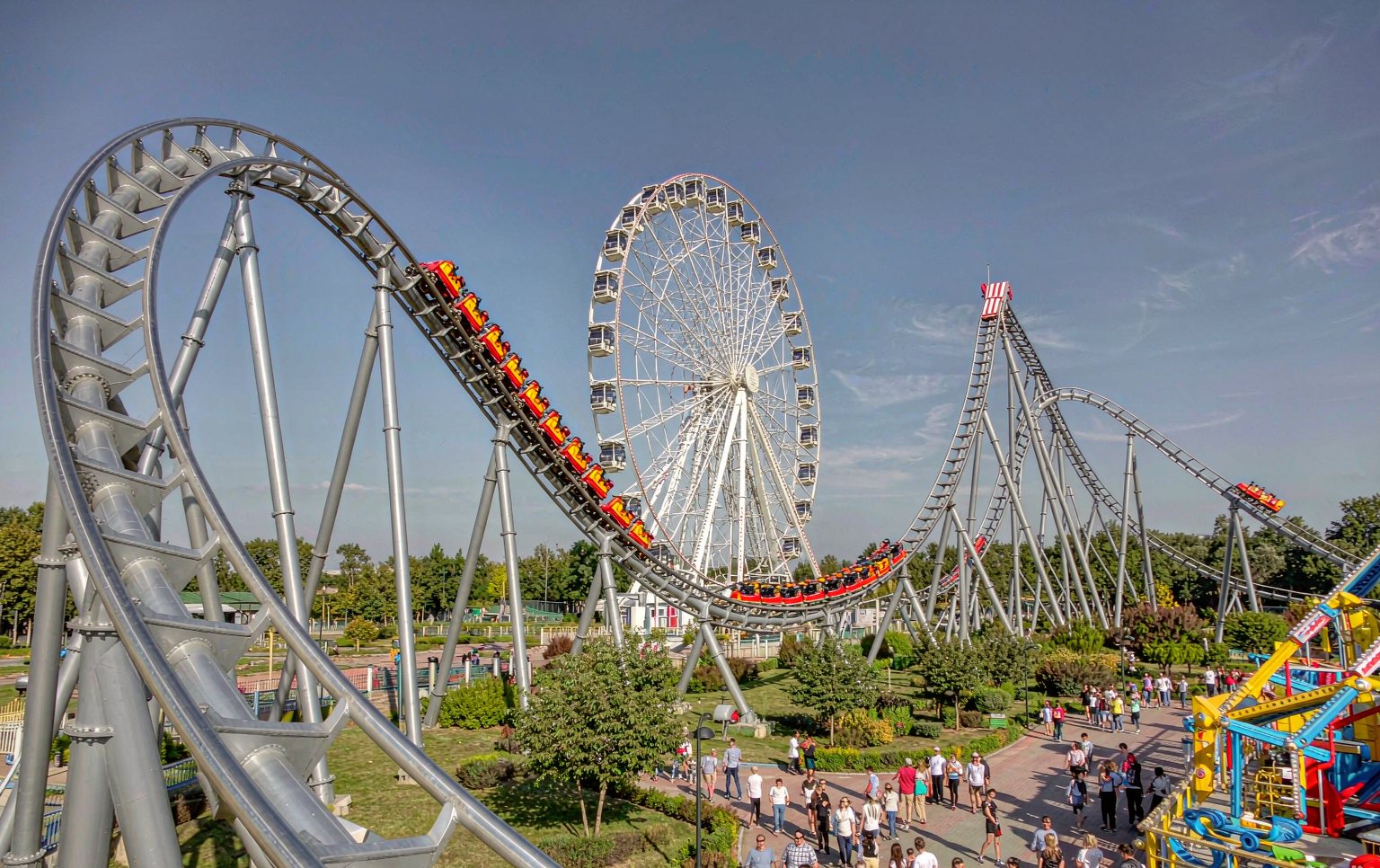
A successful park usually includes a balanced mix of experiences. This may include thrill rides for adventurous guests, family rides for parents and children, children’s attractions for younger visitors, interactive experiences for repeat engagement, and signature attractions that become the park’s most recognizable feature.
Theming and Storytelling
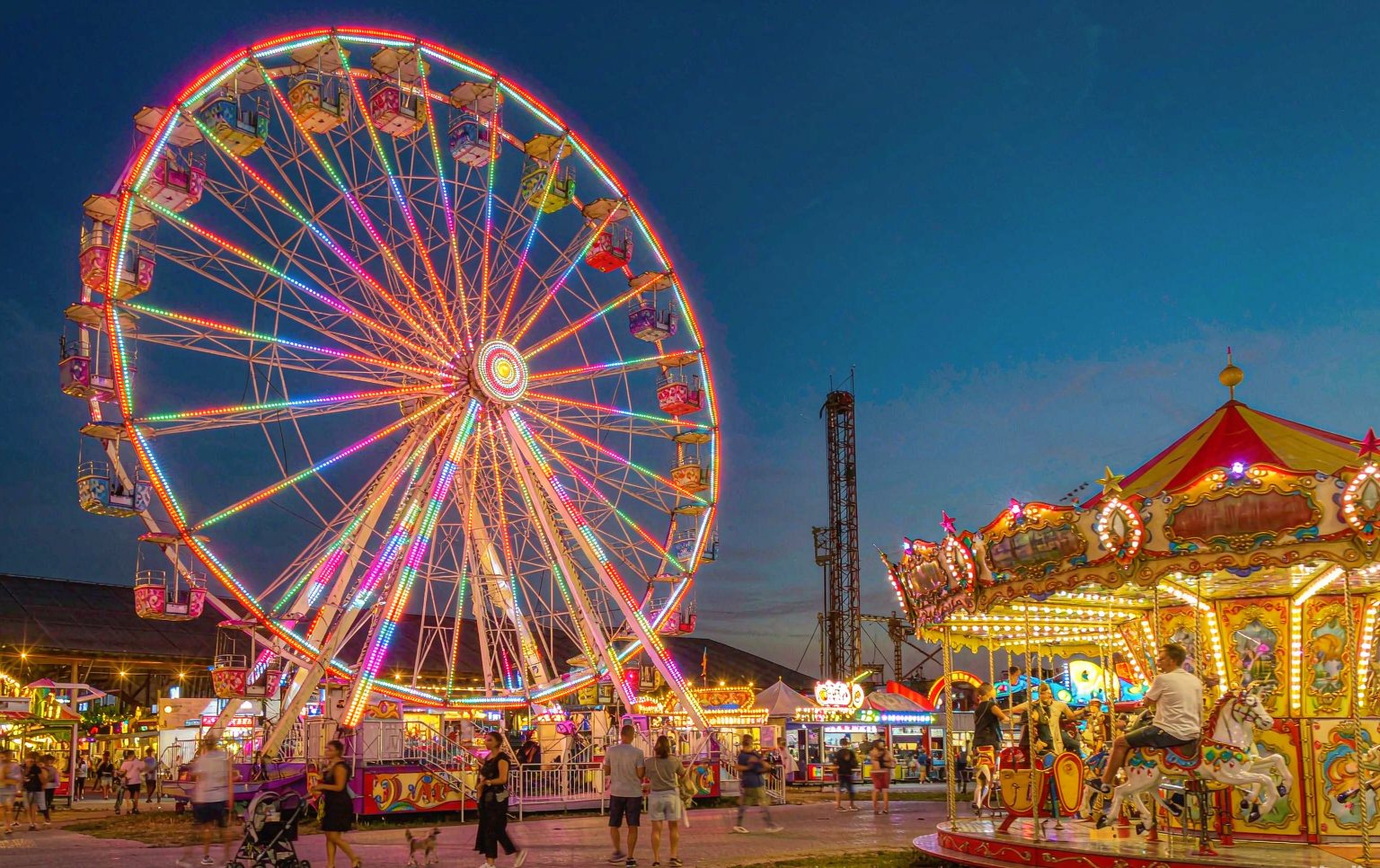
Theming is what turns a standard amusement area into an immersive destination. Amusement park design companies use color, architecture, landscaping, lighting, music, signage, characters, scenery, and ride environments to create a sense of place.
Strong theming helps guests feel transported. It makes attractions more memorable, improves photo opportunities, supports marketing, and encourages longer visits. However, theming should always support the guest experience rather than becoming decoration without purpose.
Guest Flow and Operations Planning
A beautiful park is only successful if it also works well in daily operation. Amusement park design companies plan how guests move through the site, where crowds are likely to form, how queue lines should be designed, and how visitors can find food, restrooms, exits, and attractions without confusion.
Good guest flow design reduces bottlenecks, improves comfort, and helps operators manage capacity more effectively. It also supports better staffing, cleaner environments, and smoother emergency procedures.
Safety and Compliance Planning
Safety must be part of the design from the very beginning. Amusement park design companies should consider ride placement, pedestrian separation, emergency access, evacuation routes, visibility, crowd density, fire safety, electrical planning, and operational safety zones.
Design decisions made early in the project can make safety management much easier later. A park that is designed with safety and operations in mind is not only safer but also more efficient and more enjoyable for guests.
Key Qualities to Look for in Amusement Park Design Companies
Not every design firm has the same experience, capability, or understanding of amusement park development. When evaluating amusement park design companies, it is important to look beyond attractive images and focus on the skills, process, and reliability behind their work.
Proven Experience in Amusement Projects
Amusement parks are very different from shopping centers, hotels, office buildings, or residential projects. They require specialized knowledge of rides, guest behavior, crowd movement, entertainment pacing, theming, safety zones, and operational flow.
Look for amusement park design companies that have real experience in similar projects. Ask about the types of parks they have worked on, their role in each project, and whether their experience matches your project size, audience, and goals.
A Strong Portfolio
A portfolio shows more than design style. It reveals the range, quality, and thinking behind a company’s work. When reviewing amusement park design companies, pay attention to whether their projects feel complete, well-planned, and appropriate for their target audience.
A strong portfolio should show variety where relevant, including master plans, ride areas, themed environments, entrance zones, family areas, thrill zones, children’s areas, and operational support spaces.
Understanding of Guest Experience
The best amusement park design companies think like guests. They understand that visitors do not just come to ride attractions. They come to feel excitement, spend time with family, take photos, enjoy food, relax, explore, and create memories.
A good design partner will ask questions about your target audience, visitor expectations, local market, cultural preferences, and desired emotional experience. If a company only talks about rides without discussing the full guest journey, that may be a warning sign.
Technical and Engineering Awareness
Creative design must work together with engineering reality. Amusement park design companies should understand structural needs, ride foundations, electrical requirements, drainage, ventilation, fire safety, accessibility, crowd capacity, and maintenance access.
A design that looks impressive on paper but ignores technical requirements can create expensive problems during construction and operation. The right partner will balance creativity with practicality.
Clear Communication
A large amusement park project involves many decisions, deadlines, budgets, and team members. Clear communication is essential. The best amusement park design companies explain their ideas clearly, provide realistic timelines, respond to questions promptly, and keep clients informed throughout the process.
Poor communication can lead to misunderstandings, delays, budget issues, and design changes that could have been avoided earlier.
The Design Process: From Concept to Opening
Understanding the typical design process can help you evaluate amusement park design companies more effectively. While every project is different, most professional design teams follow a structured path.
Discovery and Research
The process usually begins with research. The design team studies the project location, target market, competitor environment, available land, budget range, local regulations, and client goals. This stage helps define what kind of park makes sense for the project.
Concept Design
Next, amusement park design companies develop the overall concept. This includes the park’s identity, theme direction, target audience, experience zones, and preliminary layout ideas. The concept should feel exciting but also realistic.
Master Plan Development
The master plan organizes the park in more detail. It shows where major attractions, entrances, pathways, service areas, food zones, retail areas, restrooms, and staff spaces will be located. This stage is critical for guest flow and operational planning.
Ride and Attraction Planning
At this stage, the design team works on the mix of attractions. They consider ride type, capacity, thrill level, audience suitability, space requirements, power needs, theming opportunities, and maintenance access.
Thematic and Visual Design
Theming brings the park to life. Amusement park design companies develop visual styles, color palettes, architectural elements, signage, lighting, landscapes, and immersive details. This stage helps create a strong identity and emotional atmosphere.
Technical Design and Documentation
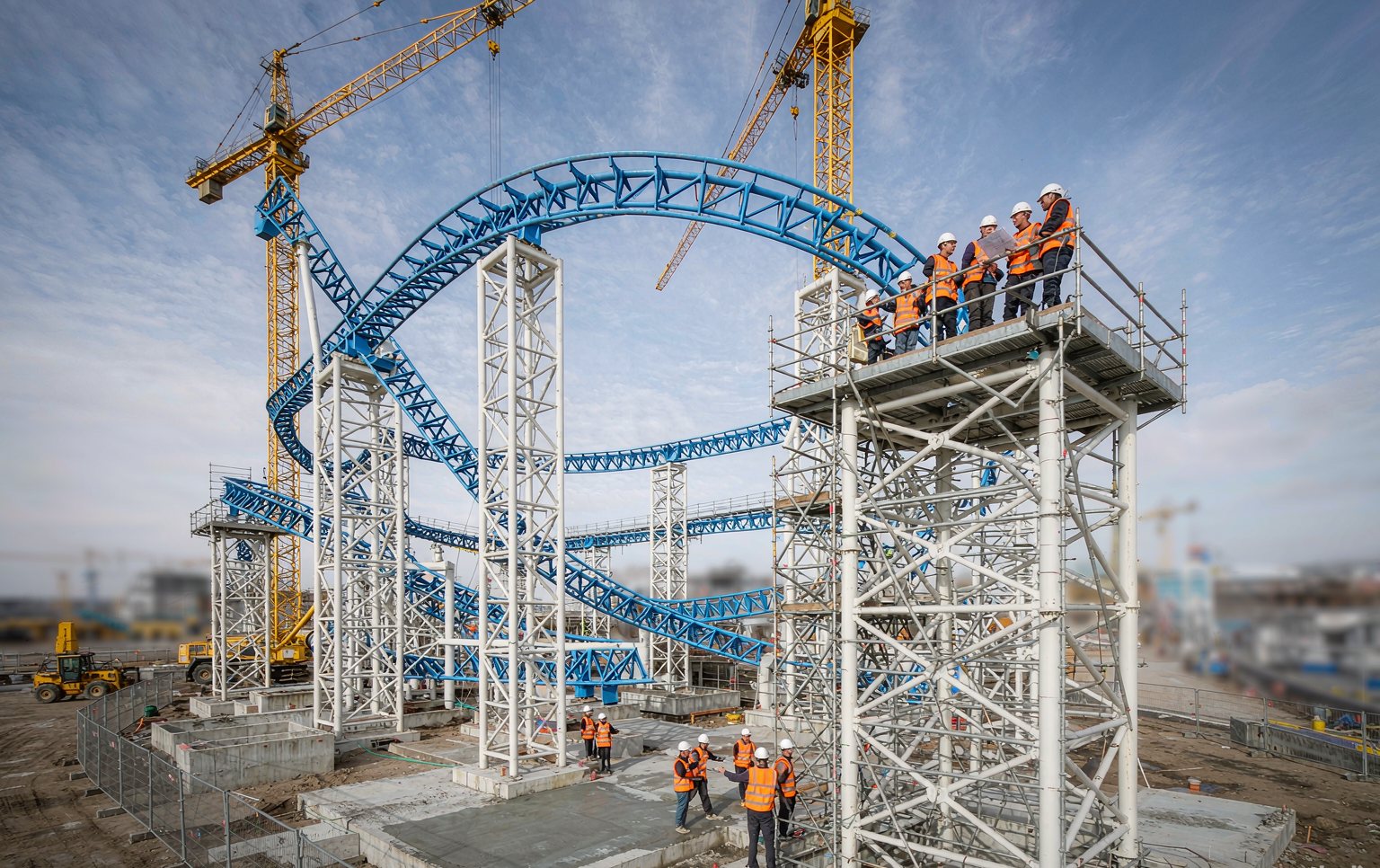
Once the concept and layout are approved, technical drawings and specifications are developed. These documents help contractors, engineers, ride suppliers, and construction teams understand exactly what needs to be built.
Construction Support
Good amusement park design companies do not disappear after handing over drawings. They often support the construction phase by reviewing progress, answering technical questions, coordinating with suppliers, and helping solve unexpected site issues.
Pre-Opening and Operational Review
Before a park opens, design teams may help review guest flow, signage, queue design, staff routes, safety procedures, and overall readiness. This final stage helps ensure the park performs well from the first day of operation.
Common Mistakes to Avoid When Choosing a Partner
Choosing the wrong design partner can affect a project for years. Some mistakes are easy to make if you focus only on price, images, or promises without checking the details.
Choosing Based Only on Price
Amusement park design is a specialized service. The lowest fee may seem attractive, but it can lead to weak planning, poor guest flow, missing technical details, or costly changes during construction. Value, experience, and reliability are often more important than the lowest initial cost.
Ignoring Operational Needs
A park must look exciting, but it must also run smoothly. If amusement park design companies do not consider maintenance access, staff movement, cleaning, queue management, emergency routes, and daily operations, the park may look good in renderings but perform poorly in real life.
Overlooking Safety Planning
Safety should never be an afterthought. Ride zones, pedestrian routes, emergency exits, crowd density, fire safety, electrical planning, and accessibility should all be considered during the design stage.
Focusing Too Much on Rides Alone
Rides are important, but they are only one part of the experience. Entrance design, theming, shade, seating, food areas, restrooms, wayfinding, and atmosphere all affect whether guests enjoy their visit.
Not Checking Past Work Carefully
Always review past projects carefully. Ask what role the company played, whether the project opened successfully, and whether the design performed well after opening. If possible, speak with previous clients or visit completed projects.
Questions to Ask Before Hiring Amusement Park Design Companies
Before making a decision, it helps to ask clear questions. These questions can reveal whether a company has the experience, process, and professionalism needed for your project.
- What experience do you have with amusement parks or entertainment destinations?
- Can you share examples of completed projects similar to ours?
- What services are included in your design process?
- Do you handle master planning, theming, ride planning, and technical coordination?
- How do you approach guest flow and crowd management?
- How do you consider safety, accessibility, and emergency planning?
- Will you support the project during construction and pre-opening?
- What is your typical timeline for a project like this?
- How do you handle changes to scope, budget, or design direction?
- Can you work with ride suppliers, architects, engineers, and contractors?
The answers will help you understand whether the company is a creative studio, a full-service design partner, or a specialist firm focused on one part of the project.
How to Compare Amusement Park Design Companies
When comparing different firms, create a simple evaluation framework. This helps you make a balanced decision instead of choosing based on presentation alone.This kind of comparison makes it easier to see which amusement park design companies offer the strongest fit for your project goals, budget, timeline, and operational needs.
The Role of Theming in Modern Park Design
Modern guests expect more than rides. They want experiences that feel immersive, shareable, and emotionally engaging. This is why theming has become one of the most important parts of amusement park development.
Amusement park design companies use theming to create atmosphere, guide guest emotions, and make attractions feel connected. A well-themed entrance sets the tone for the entire visit. A strong themed zone can become a signature area for photography, marketing, and guest memory.
However, theming should always support the guest experience. Decorations, colors, music, architecture, and scenery should help visitors understand where they are, what they are experiencing, and why it feels special. Theming without function can become expensive decoration. Theming with purpose becomes part of the park’s identity.
Why Guest Flow Is More Important Than It Seems
Guest flow is one of the most underrated parts of amusement park design. It refers to how visitors move through the park, where they pause, where they gather, and how easily they find attractions, food, restrooms, exits, and services.
Poor guest flow can make a park feel crowded, confusing, or uncomfortable, even if the rides are excellent. Good guest flow helps visitors feel relaxed, reduces bottlenecks, improves safety, and supports better spending patterns.
Amusement park design companies should study pedestrian movement, attraction capacity, queue placement, shade, seating, sightlines, and service locations. A park that is easy to navigate often feels larger, cleaner, and more enjoyable than one where guests constantly struggle to find their way.
Planning for Future Growth
A successful amusement park is rarely finished after its first opening. Most parks grow over time through new attractions, seasonal events, expanded food areas, improved theming, upgraded technology, and additional entertainment zones.
When choosing amusement park design companies, ask whether they plan for future growth. A good master plan should leave room for expansion without disrupting current operations. It should also consider how new attractions will connect with existing areas, how infrastructure can support growth, and how the park can evolve without losing its original identity.
Designing with the future in mind helps protect your investment. It allows the park to adapt to changing guest expectations, new ride technology, and shifting market trends.
Final Thoughts
Choosing the right amusement park design companies is about more than finding a team that can create attractive visuals. It is about finding a partner who understands entertainment, guest experience, safety, operations, theming, technical planning, and long-term business success.
The best amusement park design companies combine creativity with discipline. They listen carefully, ask the right questions, respect budgets and timelines, and help turn a simple idea into a destination that guests remember.
Whether you are developing a small family park, a large regional amusement destination, an indoor entertainment center, or a themed attraction complex, take time to evaluate experience, process, safety thinking, communication, and after-design support. The right design partner will not only help you build a park. They will help you create a place where excitement, comfort, safety, and storytelling come together to shape unforgettable guest experiences.
| Evaluation Area | What to Check |
|---|---|
| Experience | Past amusement park or entertainment projects |
| Services | Concept, master plan, theming, technical design, construction support |
| Safety Awareness | Crowd flow, emergency access, ride zones, accessibility |
| Communication | Response speed, clarity, transparency, reporting |
| Value | Scope of work, deliverables, team expertise, long-term support |