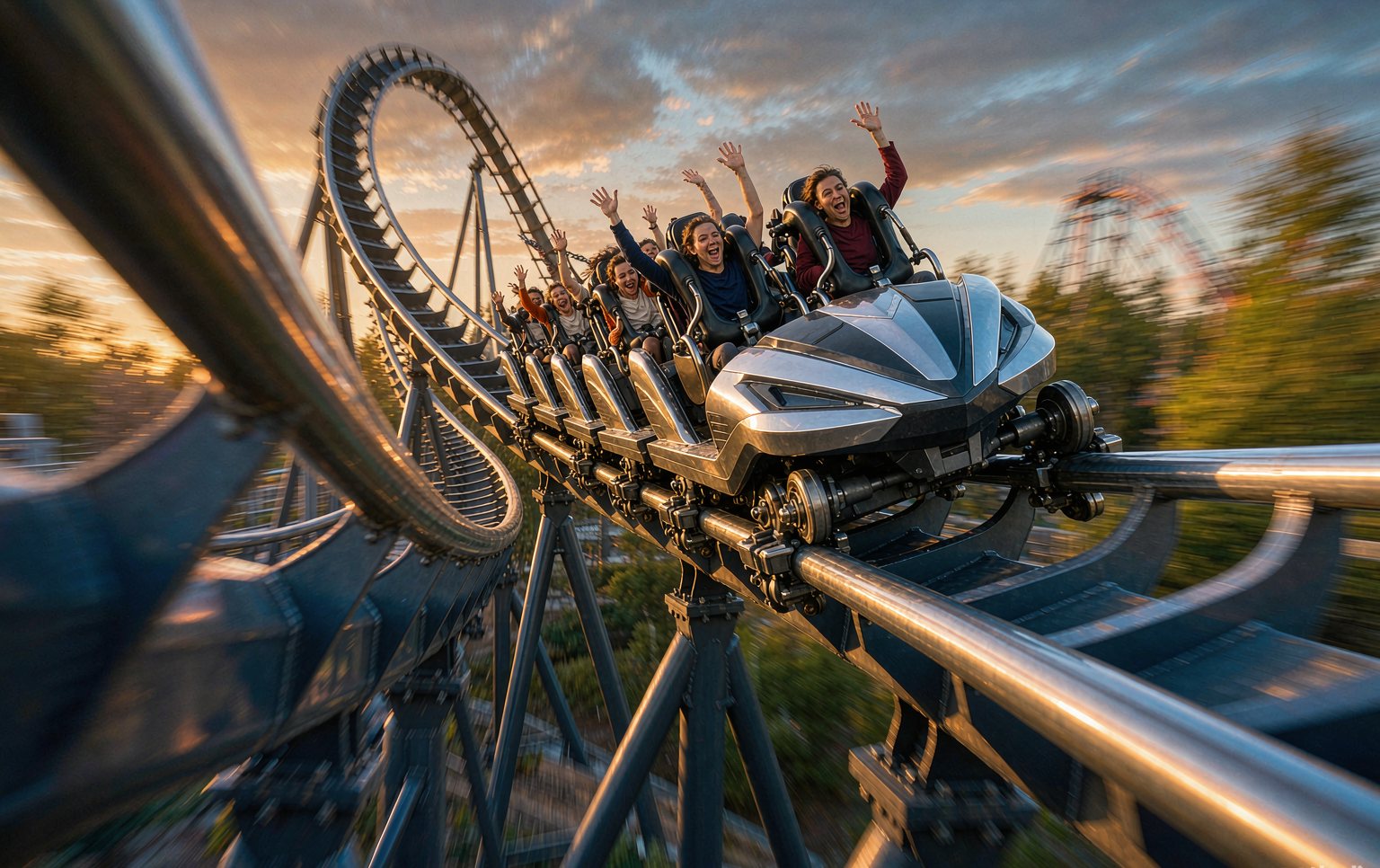
Building or expanding an amusement park, family entertainment center, indoor play zone, or traveling fair operation is a major investment. Behind every successful attraction, there is a partnership between the park owner and a trusted amusement ride supplier. The right supplier does not just deliver equipment — they help shape the guest experience, support long-term safety, and become a reliable partner throughout the life of the ride.
Choosing an amusement ride supplier is one of the most important decisions in any amusement project. It affects safety, guest satisfaction, operational costs, maintenance planning, and the overall reputation of your venue. Whether you are opening a new park, replacing older attractions, adding a themed area, or upgrading a family entertainment center, understanding what makes a strong supplier relationship matters more than ever.
This article explores how to evaluate an amusement ride supplier, what to look for in product quality and safety, why after-sales support is essential, and how the right partnership can help your project succeed in a competitive entertainment market.
Why the Right Amusement Ride Supplier Matters
An amusement ride supplier plays a central role in turning a concept into a working attraction. From initial design discussions to manufacturing, delivery, installation, testing, and ongoing support, the supplier influences nearly every stage of the project.
A strong amusement ride supplier helps you match the right ride type to your target audience, available space, budget, safety requirements, and operational goals. They can also provide guidance on theme compatibility, capacity planning, power requirements, foundation needs, and maintenance expectations.
Choosing the wrong supplier, however, can lead to delays, unexpected costs, safety concerns, poor ride performance, and weak after-sales support. For park owners and operators, these issues can affect guest experience, staff efficiency, and long-term profitability.
That is why selecting an amusement ride supplier should never be based only on price. The lowest upfront cost may seem attractive, but the true value of a supplier is measured by reliability, safety standards, product quality, communication, installation support, and the ability to stand behind their equipment over time.
Understanding Different Types of Amusement Ride Suppliers
Not every amusement ride supplier serves the same market. Some focus on large theme parks, while others specialize in smaller family entertainment centers, indoor playgrounds, traveling fairs, or outdoor public parks. Understanding these differences helps you narrow your search and find a supplier that fits your project.
Theme Park Ride Suppliers
Theme park suppliers often handle larger, more complex attractions such as roller coasters, dark rides, water rides, drop towers, and large-scale family rides. These suppliers typically have experience with detailed engineering, themed environments, high-capacity operations, and long-term maintenance planning.
Family Entertainment Center Suppliers
For indoor or mid-sized entertainment venues, an amusement ride supplier may focus on compact rides, interactive attractions, kiddie rides, arcade-style experiences, soft play equipment, and family-friendly attractions. Space efficiency, safety, durability, and visual appeal are especially important in these environments.
Traveling Fair and Mobile Ride Suppliers
Traveling operators need rides that can be transported, assembled, disassembled, and operated safely in different locations. A supplier experienced in mobile attractions understands the importance of durable construction, efficient setup, transport compatibility, and reliable performance under frequent relocation.
Custom and Themed Ride Suppliers
Some projects require more than standard catalog products. A custom amusement ride supplier can work with designers, architects, and park operators to create attractions that fit a specific story, theme, space, or guest experience. This is especially valuable for parks that want a unique identity rather than a standard ride package.
Safety Should Be the First Priority
Safety is the foundation of any amusement ride business. Guests expect to feel excited, not anxious, and operators need confidence that every attraction meets strong safety expectations. A responsible amusement ride supplier treats safety as a core part of the design, manufacturing, testing, and delivery process.
When evaluating a supplier, look for clear information about design standards, manufacturing quality control, structural testing, electrical safety, restraint systems, emergency procedures, and routine maintenance recommendations. A trustworthy supplier should be willing to explain how their rides are designed, tested, and supported.
Certifications and compliance documents are also important. Depending on your region and project type, rides may need to meet specific national, regional, or international safety standards. A professional amusement ride supplier should understand these requirements and be able to provide relevant documentation.
Safety also extends beyond the ride itself. It includes operator training guidance, clear manuals, maintenance schedules, spare parts availability, and responsive technical support. A supplier that only focuses on the sale, without thinking about long-term operation, may create problems later.
Manufacturing Quality and Engineering Standards
The quality of an amusement ride depends heavily on how it is manufactured. Strong materials, precise engineering, consistent welding, reliable electrical systems, and careful finishing all contribute to a ride that performs well over time.
A high-quality amusement ride supplier should have a clear manufacturing process. This includes design planning, material selection, component testing, assembly checks, and final inspection before delivery. Transparency is important. If a supplier cannot explain how their rides are built or what quality checks are performed, that is a warning sign.
Engineering quality also affects maintenance costs. A well-built ride may cost more at the beginning, but it often performs more reliably, requires fewer unexpected repairs, and lasts longer. For park operators, this can make a significant difference in total ownership cost.
When reviewing an amusement ride supplier, pay attention to details such as frame construction, paint and corrosion protection, seat and restraint quality, control systems, motor performance, and the durability of moving parts. These elements may seem technical, but they directly affect safety, guest comfort, and operational uptime.
Product Range and Ride Variety
A versatile amusement ride supplier can offer a wide range of attractions suitable for different audiences and project types. This variety allows park owners to build a balanced mix of experiences rather than relying on a single type of ride.
Common ride categories include:
- Thrill rides such as roller coasters, drop towers, pendulum rides, and spinning attractions
- Family rides such as Ferris wheels, carousels, swing rides, and gentle spinning rides
- Children’s rides designed for younger guests with lower intensity and simpler operation
- Interactive rides that add guest participation and repeat appeal
- Indoor attractions suitable for malls, entertainment centers, and climate-controlled venues
- Outdoor rides built to handle weather exposure and public park environments
A supplier with a broad product range can help you plan a more complete guest experience. However, variety alone is not enough. The supplier should also understand which rides work best for your space, audience, budget, and operational model.
Customization and Themed Design
Many modern attractions succeed because they offer more than movement — they offer a story, a theme, or a memorable experience. A skilled amusement ride supplier can help turn a basic ride into a more immersive attraction through color schemes, themed cabins, lighting, sound, decorative elements, and layout planning.
Customization is especially valuable for parks that want to create a unique identity. A themed ride can become a signature attraction, a photo opportunity, and a marketing highlight. It can also help a smaller park compete with larger venues by offering a distinctive guest experience.
When working with an amusement ride supplier on a custom project, clear communication is essential. Share your vision, target audience, available space, budget range, and operational goals. The best suppliers listen carefully and offer practical suggestions rather than simply promising everything.
Customization should still respect safety, engineering limits, and maintenance needs. A creative design is only successful if it can be built reliably and operated safely over time.
Installation Support and Project Coordination
Delivering a ride is only part of the process. Proper installation is equally important. A professional amusement ride supplier should provide clear installation guidance, technical support, and, where possible, on-site assistance.
Installation involves more than assembling parts. It includes foundation planning, electrical connections, structural alignment, safety checks, system testing, and operator familiarization. Mistakes during installation can affect ride performance, safety, and long-term durability.
Before signing a contract, ask the supplier about their installation process. Do they provide detailed manuals? Do they offer remote technical support? Can they send engineers or technicians if needed? How do they handle testing and commissioning?
A supplier that supports installation properly helps reduce delays and gives operators greater confidence when the ride opens to the public.
After-Sales Service and Spare Parts Availability
The relationship with an amusement ride supplier should not end when the ride is delivered. After-sales service is one of the most important factors in long-term operational success.
Rides require regular maintenance, inspections, part replacements, and occasional repairs. When a component wears out or a technical issue arises, fast access to spare parts and expert advice can minimize downtime. For any entertainment venue, downtime means lost revenue, frustrated guests, and pressure on staff.
A reliable amusement ride supplier should offer:
- Clear maintenance schedules
- Spare parts availability
- Technical support for troubleshooting
- Replacement component guidance
- Operator training materials
- Responsive communication after delivery
Ask how long spare parts remain available for each ride model. Some suppliers may offer attractive prices on older models but struggle to support them years later. Long-term parts availability is especially important for rides expected to operate for many seasons.
Certifications, Documentation, and Compliance
Certifications and documentation are not just paperwork — they are evidence that a supplier takes safety, engineering, and quality seriously. When evaluating an amusement ride supplier, request clear information about the standards their rides are designed to meet.
Important documents may include:
- Product specifications
- Safety test reports
- Manufacturing quality records
- Installation manuals
- Maintenance guides
- Spare parts lists
- Operator instructions
- Compliance certificates relevant to your region
The exact requirements will vary depending on your country, state, or local regulations. A professional supplier should be able to guide you through the documentation needed for inspection, insurance, permitting, and ongoing operation.
Be cautious if a supplier avoids questions about certifications or provides unclear answers. Transparency is a strong sign of professionalism.
Budget, Value, and Total Cost of Ownership
Budget is always important, but it should not be the only factor. The cheapest amusement ride supplier may not offer the best value over time. A more useful approach is to consider the total cost of ownership, which includes the purchase price, installation, maintenance, spare parts, energy use, repairs, downtime, and expected lifespan.
A well-built ride with strong support may have a higher initial price but can deliver better reliability and lower long-term costs. A poorly built ride may seem affordable at first but can create expensive problems through frequent breakdowns, difficult maintenance, or limited spare parts.
When comparing suppliers, ask for detailed quotations. Make sure you understand what is included in the price. Does it cover delivery, installation support, training, spare parts, warranty, or technical assistance? Hidden costs can change the real value of a proposal.
A good amusement ride supplier will help you understand the financial picture clearly, rather than pressuring you into a quick decision based only on price.
Communication, Transparency, and Trust
A successful partnership with an amusement ride supplier depends on communication. From the first inquiry to final delivery, the supplier’s responsiveness, honesty, and professionalism should be easy to evaluate.
Pay attention to how quickly they reply, how clearly they answer technical questions, and whether they provide realistic timelines. A trustworthy supplier will explain limitations, recommend suitable options, and avoid overpromising.
Transparency also matters during production. Can the supplier share progress updates? Do they provide photos or inspection opportunities before shipping? Are they open about lead times, delivery schedules, and potential delays?
Strong communication reduces misunderstandings and helps prevent costly mistakes. It also builds confidence, which is essential when you are investing in equipment that will carry guests every day.
How to Evaluate an Amusement Ride Supplier Step by Step
If you are planning a new project, a simple evaluation process can help you make a more confident decision.
Define Your Project Needs
Start by clarifying your target audience, available space, budget, location, indoor or outdoor requirements, and the type of experience you want to create. This helps you communicate clearly with potential suppliers.
Research Potential Suppliers
Look for an amusement ride supplier with experience in projects similar to yours. Check their product range, manufacturing background, safety approach, and customer support reputation.
Request Detailed Proposals
Ask for product specifications, pricing breakdowns, lead times, installation support, warranty details, spare parts availability, and relevant certifications. Avoid suppliers who give vague answers.
Compare Value, Not Just Price
Look beyond the initial quote. Consider installation costs, maintenance needs, spare parts, expected lifespan, energy use, and the quality of after-sales support.
Check References and Past Projects
If possible, speak with other operators who have worked with the supplier. Real feedback from existing customers can reveal important details about reliability, communication, and long-term support.
Visit the Factory if Possible
For larger projects, visiting the manufacturing facility can provide valuable insight. You can see production quality, materials, testing processes, and the overall professionalism of the supplier.
Confirm Support After Delivery
Before finalizing the purchase, make sure you understand how the supplier will support you after installation. Strong after-sales service is one of the most important signs of a dependable amusement ride supplier.
Building a Long-Term Partnership
The best amusement ride supplier relationships are not one-time transactions. They are long-term partnerships built on trust, safety, quality, and mutual support.
Park operators benefit from suppliers who understand their business goals, respond quickly to technical questions, and remain available as the park grows. Suppliers benefit from clients who communicate clearly, maintain rides properly, and plan for future expansion.
Over time, a good supplier can help you expand your attraction lineup, upgrade older rides, introduce new themes, improve guest flow, and plan seasonal additions. This ongoing support can be just as valuable as the initial product.
Final Thoughts
Choosing the right amusement ride supplier is about more than selecting a product from a catalog. It is about finding a partner who understands safety, quality, design, installation, maintenance, and the realities of operating an entertainment venue.
The best amusement ride supplier combines strong engineering, reliable manufacturing, clear certifications, thoughtful customization, and dependable after-sales support. They help turn your vision into a safe, exciting, and sustainable attraction.
Whether you are building a small family entertainment center, expanding a regional park, launching a traveling ride operation, or creating a themed attraction, take time to evaluate suppliers carefully. The right choice will not only deliver equipment — it will help build guest trust, operational confidence, and long-term success.