
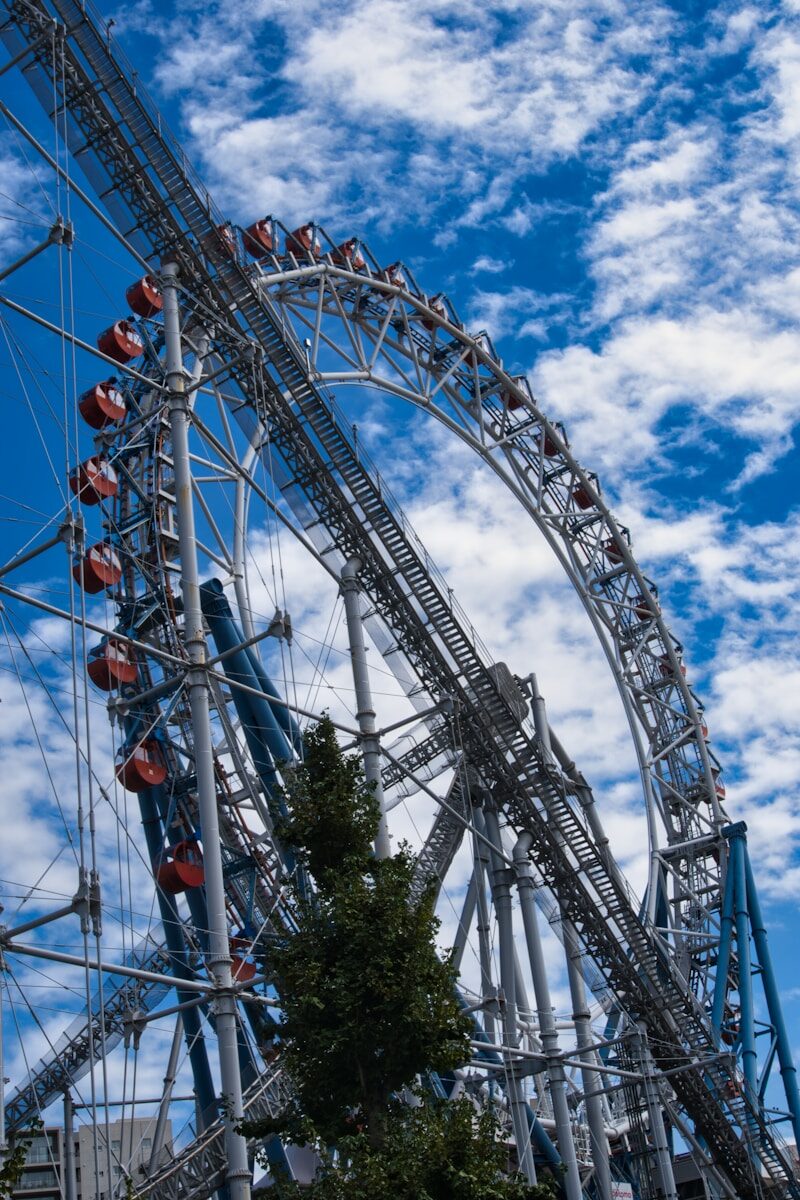
A giant wheel fair ride is one of the most recognizable attractions in modern amusement environments. It creates a strong visual landmark, attracts families, and provides a gentle experience that complements more intense roller coasters, drop towers, and spinning attractions. For operators, the appeal is not only emotional but also practical. A well-placed giant wheel can improve sightlines, guide guest flow, and become a signature photo point for visitors.
When planning a giant wheel fair ride, operators should consider more than appearance. The equipment must meet passenger capacity needs, fit the available footprint, operate efficiently during peak hours, and remain reliable across long service periods. A giant wheel fair ride may look simple compared with high-speed thrill rides, but its structural design, control system, passenger restraints, loading process, and maintenance schedule all require careful evaluation.
Choosing the Right Size and Capacity
The first decision when selecting a giant wheel fair ride is size. Smaller wheels may suit children’s areas, family zones, or temporary fairgrounds, while larger wheels are better suited to permanent parks, waterfront sites, and major entertainment districts. Size affects visibility, throughput, installation complexity, and overall guest experience.
Capacity is equally important. A giant wheel fair ride with larger cabins can move more guests per cycle, which helps reduce queue length during busy periods. Operators should calculate expected hourly throughput based on loading time, rotation speed, and peak attendance. If the ride becomes a bottleneck, guest satisfaction may decline even if the attraction itself is popular.
Cabin configuration also matters. Some giant wheel fair ride models use open gondolas, while others use enclosed cabins with seating, climate control, music, lighting, and themed interiors. Enclosed cabins often perform well in regions with strong sun, rain, wind, or cooler seasonal temperatures. Open gondolas may suit warmer climates and traditional fair environments.
Safety Considerations for Operators
Safety is the foundation of any amusement ride program. A giant wheel fair ride should be designed with reliable braking systems, secure passenger restraints, controlled boarding areas, emergency stop functions, and clear evacuation procedures. Operators should never rely only on visual inspection. Maintenance logs, manufacturer documentation, and third-party inspection reports should all be part of the safety management system.
Before installation, operators should confirm that the giant wheel fair ride meets local technical requirements and that all structural components are properly certified. During operation, staff should monitor weather conditions, passenger behavior, loading procedures, and emergency access points. Routine checks should cover bolts, bearings, rotation mechanisms, electrical connections, cabin doors, and control panels.
Staff training is especially important. Even a smooth, family-friendly ride requires trained attendants. Operators should train staff to recognize unsafe passenger behavior, assist children and elderly guests, manage queues, respond to alarms, and communicate clearly during interruptions. A strong safety culture protects guests, staff, and the long-term reputation of the park.
Site Planning and Guest Flow
Placement is one of the most overlooked aspects of a giant wheel fair ride. Many operators install the wheel in a central or elevated area because it acts as a visual anchor. Guests can often see the wheel from outside the park, which helps attract attention and creates a sense of destination.
However, the best location is not always the center of the site. Operators should consider pedestrian flow, queue space, emergency vehicle access, nearby attractions, noise levels, and loading efficiency. A giant wheel fair ride placed too close to narrow walkways may create congestion. A location with poor visibility may reduce its marketing value. A poorly designed queue area may cause guests to feel crowded or confused.
The surrounding environment should also support the ride experience. Lighting, signage, seating, shade structures, food outlets, and photo opportunities can all improve the area around a giant wheel fair ride. If the wheel becomes a meeting point, operators should design the surrounding space to handle large numbers of guests comfortably.
Theming and Guest Experience
A giant wheel fair ride does not need to be plain. Themed cabins, synchronized lighting, music, seasonal decorations, and interactive elements can transform a standard ride into a memorable experience. Some parks use the wheel as a nighttime landmark, adding LED displays, color-changing lights, or themed projections.
For family-oriented parks, the wheel can become a gentle introduction to amusement rides. Children who are not yet ready for roller coasters may enjoy the calm rotation and elevated views. For couples and tourists, the wheel may serve as a romantic or scenic experience. For event venues, it can become a branded attraction during festivals, holidays, and promotional campaigns.
Theming should remain consistent with the overall park identity. A modern technology park may prefer sleek cabins and digital lighting, while a traditional fairground may favor classic colors, decorative gondolas, and nostalgic design elements. The goal is not simply to install a large structure, but to create an experience that guests remember.
Maintenance and Long-Term Operation
Maintenance planning should begin before the giant wheel fair ride is installed. Operators should request detailed maintenance schedules, spare part lists, inspection points, and service recommendations from the manufacturer. A clear maintenance plan helps reduce unexpected downtime and extends the service life of the equipment.
Daily checks may include cabin doors, restraints, control systems, emergency buttons, lighting, and passenger boarding areas. Weekly or monthly inspections may focus on mechanical connections, rotation systems, electrical components, and structural stability. Seasonal parks should pay special attention to storage, weather protection, and restart procedures after long inactive periods.
Documentation is essential. Every inspection, repair, replacement, and operational test should be recorded. These records help operators identify recurring issues, plan preventive maintenance, and demonstrate compliance during safety reviews. A giant wheel fair ride that is well maintained can remain a reliable attraction for many years.
Budgeting Beyond the Purchase Price
The purchase price is only one part of the total investment. Operators should also budget for transportation, foundation work, installation, electrical connections, staff training, spare parts, insurance, inspection fees, and ongoing maintenance. For portable models, relocation costs and setup time should also be included.
Energy consumption, staffing needs, and repair frequency will affect long-term operating costs. A slightly higher initial investment may be justified if the giant wheel fair ride offers better durability, higher capacity, stronger safety features, or lower maintenance requirements. Operators should compare total lifecycle costs rather than focusing only on the initial quotation.
Revenue potential should also be considered. A giant wheel fair ride can generate income through ticket sales, fast-pass options, photo packages, themed cabin upgrades, private rides, and event bookings. In some locations, it may also support sponsorship or branding opportunities.
Making the Final Decision
Choosing a giant wheel fair ride requires balancing visual impact, safety, capacity, maintenance, theming, and budget. The best choice depends on the park’s target audience, available space, climate conditions, operational model, and long-term development plan.
Operators should request technical specifications, safety documentation, installation requirements, and maintenance plans before making a decision. Site surveys, capacity calculations, and guest flow analysis can help confirm whether the ride fits the intended location. With careful planning, a giant wheel fair ride can become more than a single attraction. It can become a landmark, a guest favorite, and a long-term asset for the park.




