
The amusement and attractions industry is incredibly diverse. When most people hear the phrase “theme park,” they picture a sprawling outdoor complex with roller coasters, carousels, and cotton candy stands. However, the reality is far more nuanced. There are many kinds of theme parks, each catering to different audiences, climates, budgets, and cultural preferences. Understanding these distinctions is essential for investors evaluating market opportunities, operators planning new developments, and enthusiasts curious about the breadth of the industry. This article examines the major kinds of theme parks in detail, exploring their characteristics, target demographics, operational considerations, and growth trends.
Amusement Parks
The traditional amusement park is the oldest and most recognizable kinds of theme parks. These parks typically feature a mix of thrill rides, family rides, games, food vendors, and entertainment shows. Unlike themed parks, classic amusement parks may not have a unifying narrative or immersive environment. Instead, they rely on the sheer variety and excitement of their ride collections to attract guests.
Examples include Coney Island in New York, Blackpool Pleasure Beach in the United Kingdom, and Prater in Vienna. These parks often have a nostalgic charm, with vintage wooden coasters sitting alongside modern steel attractions. The operational model for traditional amusement parks centers on high throughput during peak seasons, with revenue generated through admission fees, ride tickets or wristbands, food and beverage sales, and midway games.
Investors considering this kinds of theme parks should note that while the upfront investment can be lower than fully themed parks, the competitive landscape is intense. Differentiation through signature rides, special events, and seasonal programming becomes crucial for sustained success.
Theme Parks
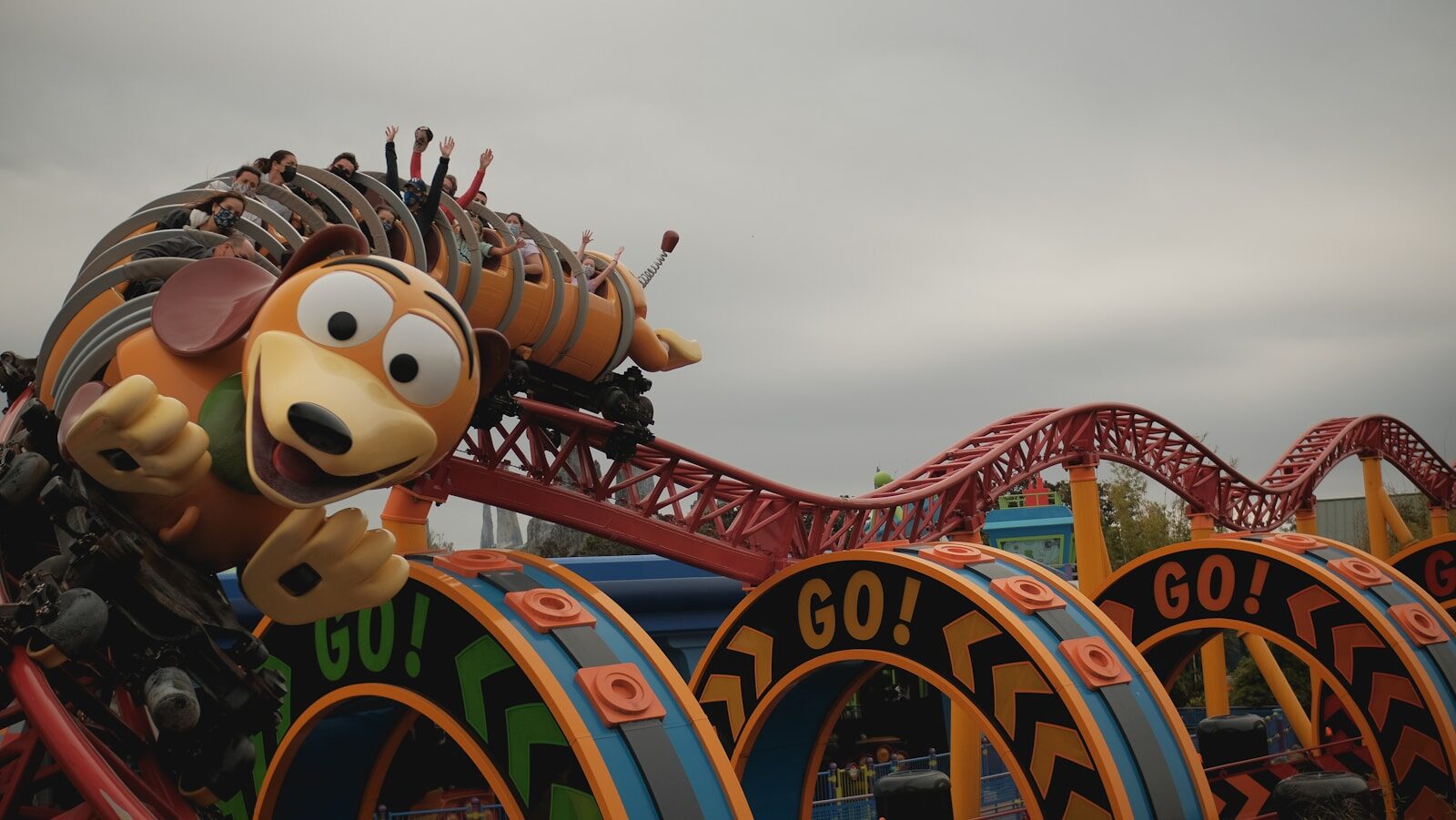
True theme parks go beyond simply placing rides side by side. They create cohesive, immersive environments where every element, from architecture to music to staff costumes, reinforces a central narrative. Disney parks are the gold standard, but Universal Studios, Europa-Park, and Efteling also exemplify this category.
Theme parks invest heavily in intellectual property, custom ride systems, dark rides, live shows, and environmental theming. The result is an experience that guests cannot replicate elsewhere, which drives repeat visitation and premium pricing. The kinds of theme parks in this category typically require the largest capital investment but also offer the highest potential returns through multi-day visits, on-site hotels, and merchandise sales.
Water Parks
Water parks represent one of the fastest-growing segments within the kinds of theme parks. These facilities focus on aquatic attractions such as wave pools, lazy rivers, body slides, tube slides, splash pads, and wave surf simulators. Water parks can operate as standalone facilities or as components of larger resort complexes.
The appeal of water parks lies in their ability to provide relief from hot weather while delivering thrilling experiences. Modern water parks have evolved far beyond simple concrete slides. Today’s facilities feature multi-story water coasters, interactive play structures, and wave pools that simulate ocean surfing conditions.
From an operational standpoint, water parks face unique challenges related to water quality management, lifeguard staffing, chemical treatment systems, and seasonal limitations in cooler climates. However, indoor water parks have emerged as a solution for year-round operation, particularly in regions with harsh winters.
Family Entertainment Centers
Family entertainment centers, or FECs, represent a more compact and accessible kinds of theme parks. These indoor or partially indoor facilities typically combine arcade games, mini golf, go-kart tracks, laser tag arenas, climbing walls, and smaller rides into a single venue. FECs are designed for shorter visits, often lasting two to four hours, making them ideal for urban and suburban locations where large land parcels are unavailable.
The business model for FECs differs significantly from destination theme parks. Revenue is driven by per-activity pricing, membership programs, birthday party packages, and corporate event bookings. The lower ticket price and shorter visit duration make FECs accessible to a broader demographic, including families who may not be able to afford a full day at a major theme park.
Indoor Theme Parks
Indoor theme parks have gained significant popularity, particularly in regions with extreme weather conditions. These facilities house rides, attractions, and themed environments entirely within climate-controlled buildings. The kinds of theme parks in this category range from small indoor play areas to massive complexes like IMG Worlds of Adventure in Dubai and Lotte World in Seoul.
Indoor parks offer several advantages. They operate year-round regardless of weather, provide consistent guest comfort, and can be located in urban areas or shopping mall complexes. However, they also face challenges related to ventilation, fire safety, ceiling height limitations, and the higher cost of climate control.
Dark Ride Parks and Experience-Based Parks
A newer category within the kinds of theme parks focuses primarily on dark rides, interactive experiences, and immersive storytelling rather than traditional thrill rides. These parks emphasize narrative-driven attractions where guests move through elaborately themed environments, encountering animatronics, projection mapping, special effects, and interactive elements.
This category appeals to guests who may be intimidated by extreme coasters but still crave engaging entertainment. It also allows operators to create highly themed experiences in smaller footprints, since dark rides can be stacked vertically or designed with compact ride systems.
Science and Discovery Parks
Educational theme parks blend entertainment with learning. These facilities use interactive exhibits, simulation rides, planetariums, and hands-on experiments to teach guests about science, nature, history, or technology. While they may not generate the same adrenaline rush as a roller coaster, science and discovery parks attract school groups, families, and tourists seeking meaningful experiences.
The kinds of theme parks in this educational category often benefit from government support, educational grants, and partnerships with academic institutions. Their revenue model typically combines admission fees with educational program fees, gift shop sales, and event hosting.
Cultural and Heritage Parks
Cultural theme parks celebrate the history, traditions, and artistic heritage of a particular region or civilization. These parks may feature reconstructed historical villages, traditional craft demonstrations, cultural performances, and themed dining experiences. They serve both entertainment and preservation functions, attracting domestic tourists and international visitors interested in authentic cultural experiences.
Choosing the Right Type for Your Market
Selecting among the various kinds of theme parks requires thorough market analysis. Factors to consider include local demographics, climate conditions, available land, competition, tourism patterns, and available capital. A water park may thrive in a tropical climate but struggle in a northern region without indoor capabilities. A family entertainment center may be ideal for a dense urban market, while a destination theme park requires a broader geographic draw.
The diversity of kinds of theme parks ensures that there is an opportunity for nearly every market and budget level. By understanding the unique characteristics, operational requirements, and guest expectations of each category, investors and operators can make informed decisions that maximize their chances of success in this dynamic and rewarding industry




