Creating a successful amusement park is about more than just buying the biggest or fastest attractions. It is about curating a balanced portfolio of experiences that cater to every type of guest. Understanding the different types of amusement park rides is essential for park operators, investors, and enthusiasts who want to appreciate the complexity of the industry.
From heart-pounding thrill machines to gentle, nostalgic classics, each category of ride serves a specific purpose in the ecosystem of a theme park. Let’s explore the major categories that make up the different types of amusement park rides available today.
1. Thrill Rides: The Adrenaline Junkies’ Choice
For many guests, the primary draw of an amusement park is the thrill. These rides are designed to push the limits of physics and human endurance.
- Roller Coasters: The undisputed kings of the amusement park. They come in various forms, from wooden classics to steel hyper-coasters and launch coasters.
- Drop Towers: These vertical attractions lift guests to great heights before dropping them in free-fall, simulating the sensation of weightlessness.
- Pendulum Rides: As discussed in previous articles, these massive swinging arms provide intense G-forces and the feeling of being tossed through the air.
- Spinning Rides: Attractions like the “Enterprise” or “Top Spin” combine rotation with tilting motions to disorient and thrill riders.
2. Family Rides: Fun for All Ages
A park that only caters to thrill-seekers will alienate a huge portion of its potential audience. Family rides are the backbone of guest satisfaction, offering shared experiences for parents and children.
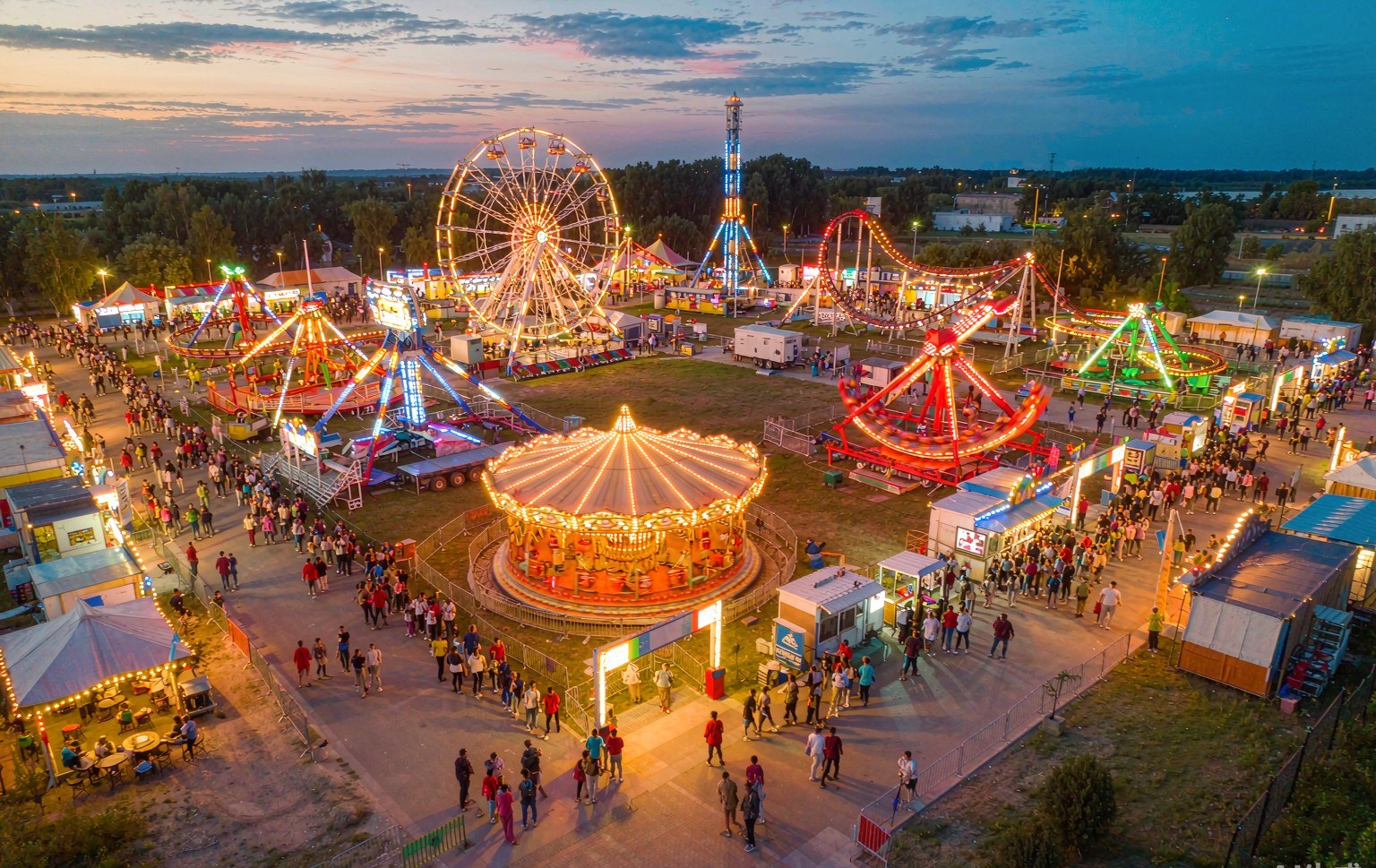
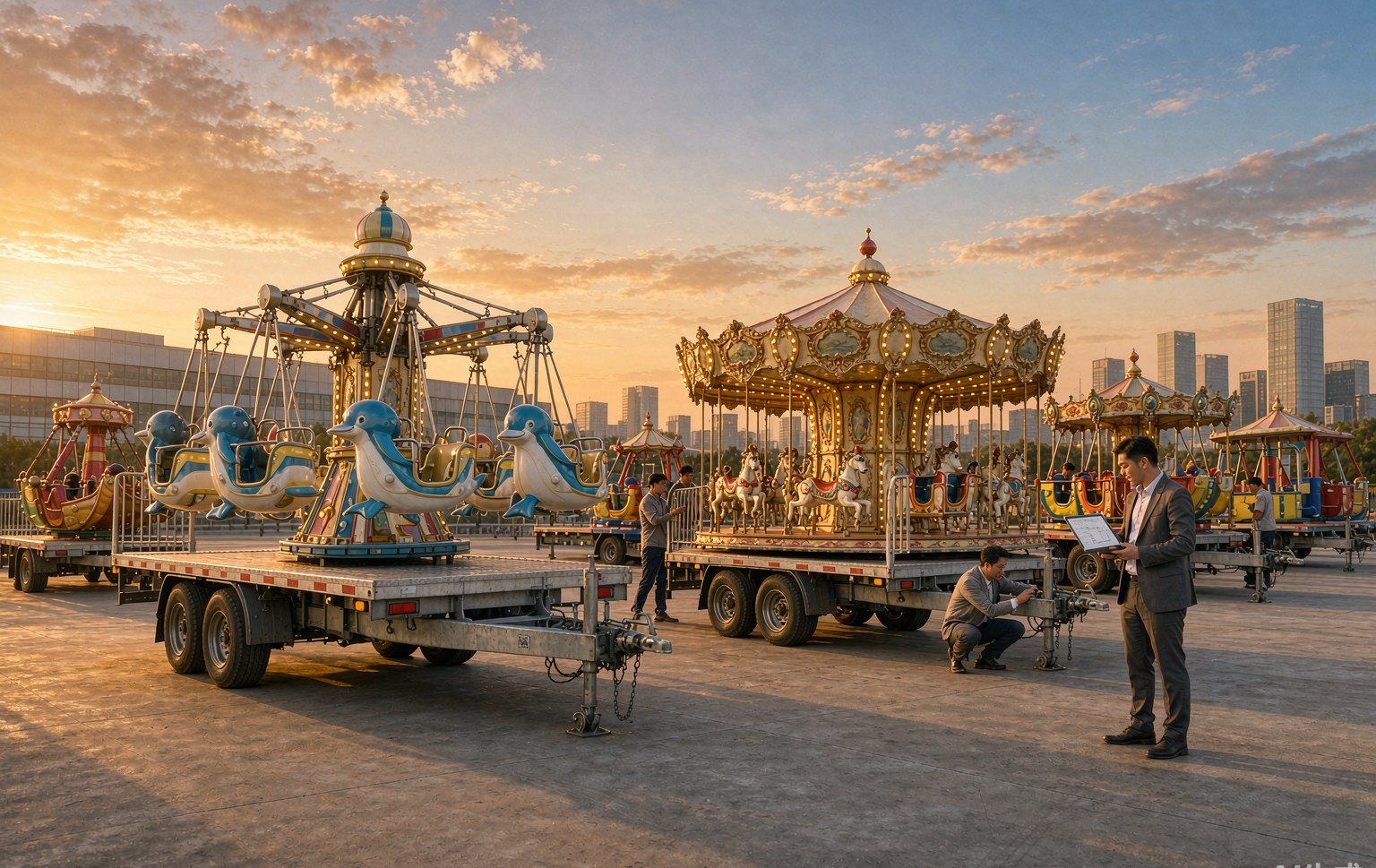
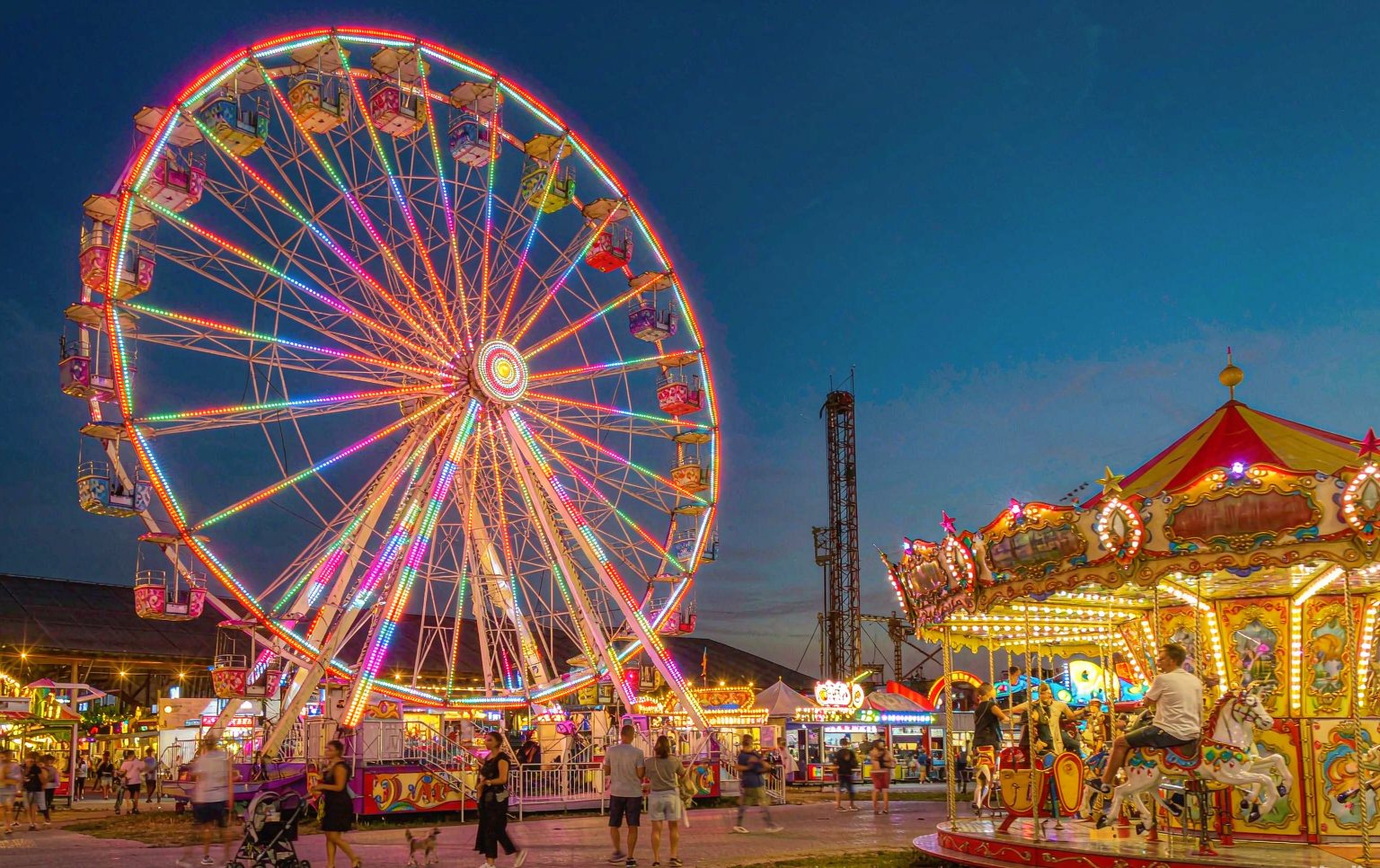
- Carousels: The timeless classic. These gentle, rotating platforms feature horses or other animals and are a staple in almost every park.
- Ferris Wheels: Offering a slower pace and panoramic views, Ferris wheels are iconic landmarks that provide a relaxing break from the chaos.
- Dark Rides: Indoor attractions that take guests on a guided tour through themed scenes, often using animatronics and special effects.
- Bumper Cars: A classic interactive experience that allows guests to control their own vehicle in a safe, enclosed arena.
3. Water Rides: Cooling Off in Style
Water rides are essential for parks in warm climates, offering a refreshing combination of thrills and splashes.
- Log Flumes: Guests ride in hollowed-out logs down a water channel, culminating in a steep drop that creates a massive splash.
- River Rapids: Circular rafts navigate a turbulent, artificial river, spinning and bumping through rapids and waterfalls.
- Water Slides: Ranging from gentle slides for kids to high-speed body slides for adults, these are the centerpiece of any water park.
4. Children’s Rides: The Next Generation
To ensure future visitors, parks must cater to the youngest guests. These rides are smaller, slower, and highly themed.
- Miniature Railways: Small trains that transport guests around the park or through a specific themed area.
- Mini Coasters: Scaled-down roller coasters that offer a “first thrill” experience for children.
- Play Areas: Soft play structures, ball pits, and climbing frames that allow kids to burn off energy in a safe environment.
5. Specialty and Interactive Rides
The industry is constantly evolving, and new different types of amusement park rides are emerging that blend technology with physical attractions.
- Virtual Reality (VR) Rides: These attractions combine physical motion with VR headsets to create fully immersive digital worlds.
- Interactive Dark Rides: Guests use laser guns or other controllers to shoot targets within the ride, turning a passive experience into an active game.
- Motion Simulators: Seats that move in sync with a large screen, simulating flight, space travel, or high-speed chases.
6. Selecting the Right Mix
For park operators, the challenge lies in selecting the right combination of these different types of amusement park rides. A well-balanced park will have:
- Headliners: 2-3 major thrill rides to drive marketing and attract enthusiasts.
- Supporting Cast: A wide variety of family and children’s rides to keep groups together and increase dwell time.
- Atmosphere: Rides like carousels and Ferris wheels that add visual appeal and nostalgia.
7. Conclusion
The diversity of attractions is what makes the amusement industry so dynamic. By understanding the different types of amusement park rides, operators can create immersive, profitable, and memorable destinations. Whether it is the scream of a roller coaster or the laughter on a carousel, every ride plays a vital role in the magic of the theme park experience.