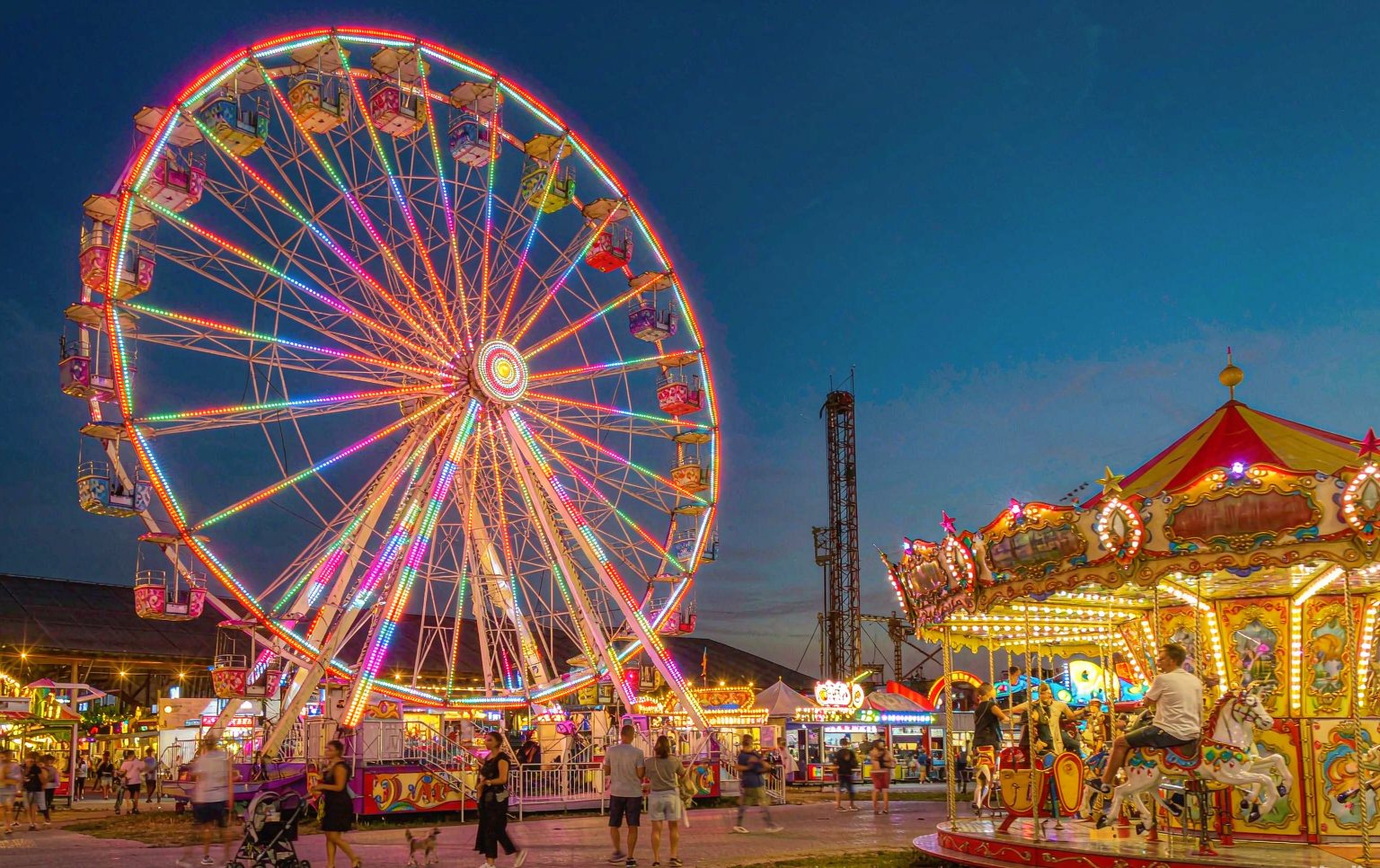
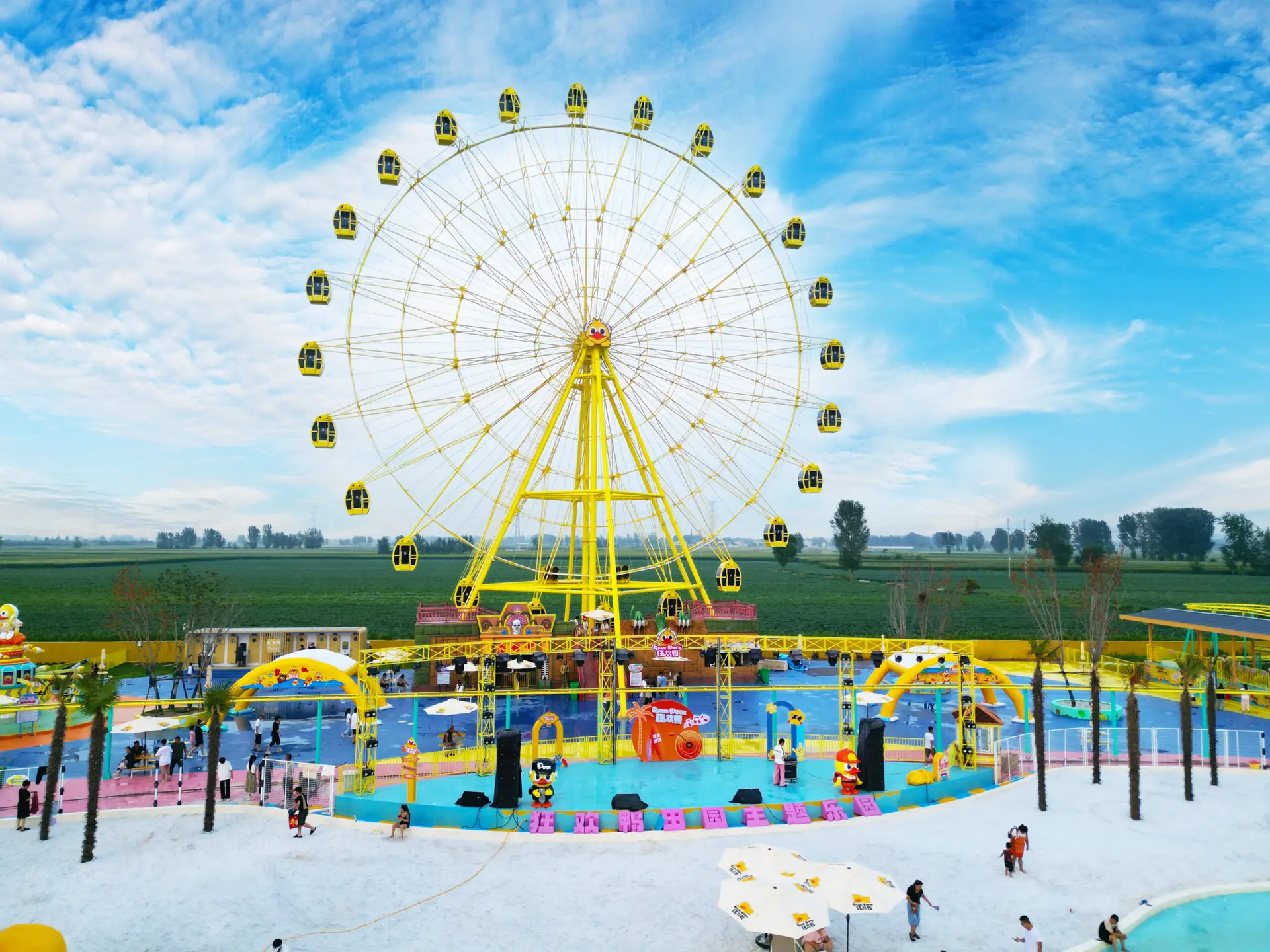
The concept of the “adventure theme park” has evolved far beyond simple thrill rides and roller coasters. Today, it represents a fully immersive environment where guests are transported to different worlds, eras, and dimensions. For park operators and developers, creating a successful adventure theme park requires a delicate balance of high-adrenaline attractions, cohesive storytelling, and meticulous theming.
Unlike a traditional amusement park that simply places rides next to each other, an adventure theme park weaves a narrative thread through every aspect of the guest experience. From the moment a visitor enters the gates, they are part of a story.
1. The Core of the Adventure: Thrill and Immersion
At the heart of any adventure theme park is the promise of excitement. Guests visit these parks to experience the extraordinary. This is where the collaboration between park designers and theme park ride manufacturers becomes critical.
An adventure theme park typically features a mix of high-thrill attractions, such as:
- Launch Coasters: Simulating the speed of a jet or a spaceship.
- Drop Towers: Offering the sensation of free-falling from a great height.
- Motion Simulators: Placing guests in the middle of an action movie sequence.
However, the hardware alone is not enough. To truly succeed, an adventure theme park must wrap these mechanical experiences in a compelling narrative. For example, a simple drop tower becomes an “ancient temple collapse” or a “spaceship emergency descent” when properly themed.
2. Zoning and Thematic Lands
One of the most effective strategies for designing an adventure theme park is the use of distinct thematic “lands” or zones. This approach helps to organize the park layout and allows guests to fully immerse themselves in different environments without breaking the suspension of disbelief.
Common zones found in a successful adventure theme park include:
- Lost Worlds: Areas featuring dinosaurs, ancient ruins, and jungle landscapes.
- Sci-Fi Frontiers: Zones dedicated to space exploration, futuristic cities, and alien encounters.
- Fantasy Realms: Lands filled with magic, mythical creatures, and fairy tale castles.
- Wild West: Classic adventure themes featuring cowboys, gold rushes, and desert landscapes.
By segmenting the park, operators can cater to different interests while maintaining a cohesive overall identity for the adventure theme park.
3. The Role of Ride Manufacturers in Theming
Creating a seamless adventure theme park experience requires close cooperation with ride manufacturers. Modern manufacturers understand that their rides are not just machines; they are the centerpiece of a themed environment.
Leading ride manufacturers now offer “themed packages” that include:
- Custom Ride Vehicles: Shaped to look like jeeps, boats, or fantasy creatures.
- Environmental Scenery: Artificial rocks, ruins, and foliage that blend the ride track into the landscape.
- Special Effects: Fog, fire, water, and lighting systems that synchronize with the ride’s motion.
This level of integration ensures that the adventure theme park feels like a unified world rather than a collection of unrelated attractions.
4. Balancing Thrills with Family Appeal
While the “adventure” label suggests high intensity, a commercially successful adventure theme park must also cater to families and younger guests. If a park only offers extreme thrills, it limits its potential audience.
Smart operators design their adventure theme park with a “pyramid” of attractions:
- Headliners: 2-3 massive thrill rides that serve as the park’s main marketing draw.
- Family Rides: A wide variety of medium-intensity attractions that allow parents and children to ride together.
- Kids’ Zones: Dedicated areas with gentle rides, playgrounds, and character meet-and-greets.
This balance ensures that the adventure theme park remains a destination for the entire family, increasing dwell time and overall spending.
5. Operational Considerations
Designing an adventure theme park also involves practical operational considerations. The layout must facilitate smooth guest flow, minimizing bottlenecks and long wait times.
Key operational factors include:
- Throughput: Selecting rides from amusement ride companies that can handle high hourly capacities.
- Maintenance Access: Ensuring that rides are accessible for daily inspections and repairs without disrupting the guest experience.
- Amenities: Placing restrooms, dining, and retail outlets strategically throughout the adventure theme park to keep guests comfortable and engaged.
6. Conclusion
Building a world-class adventure theme park is a complex undertaking that requires vision, creativity, and technical expertise. It is about more than just buying the biggest roller coaster; it is about crafting a journey.
By focusing on immersive theming, diverse attractions, and operational efficiency, operators can create an adventure theme park that stands out in a crowded market. When executed correctly, the result is a destination that captures the imagination and keeps guests coming back for more.