Ordering carousel horses is not the same as purchasing standard inventory. Custom designs, themed colors, decorative details, and structural requirements all require careful production planning. For operators, understanding lead times, production stages, and delivery coordination helps avoid delays, reduce uncertainty, and prepare the installation site properly.
Carousel horse manufacturers typically need time to confirm designs, prepare materials, shape or carve horses, apply finishes, conduct quality checks, and arrange shipping. The total timeline depends on design complexity, order size, customization level, manufacturer capacity, and shipping requirements.
Operators should begin planning early. Waiting until the last stage of a project to order horses can create pressure on design decisions, production quality, delivery timing, and installation preparation. A realistic production plan gives both the operator and the manufacturer enough time to confirm details and avoid rushed decisions.
Understanding Typical Production Stages
While every manufacturer operates differently, most carousel horse projects move through several key stages. Understanding these stages helps operators know when decisions are needed and where delays may occur.
The first stage is design confirmation. This includes reviewing horse styles, colors, decorative details, mounting requirements, and any custom elements. Operators should provide clear reference materials and confirm final design choices before production begins.
The second stage is material preparation. The manufacturer selects or prepares materials based on the confirmed design and installation environment. For custom orders, this may include preparing molds, selecting wood, arranging composite materials, or confirming paint systems.
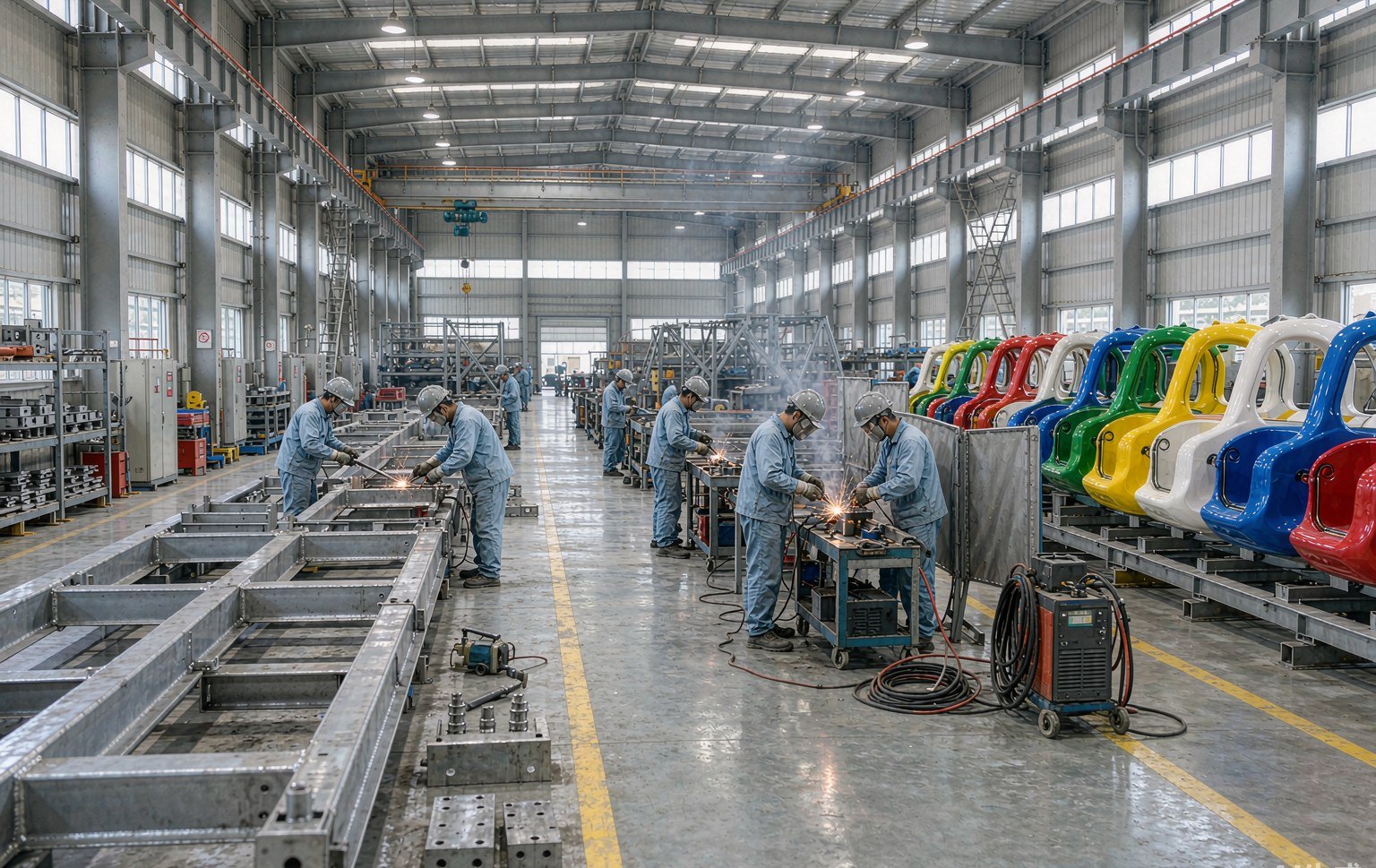
The third stage is shaping and fabrication. Horses are formed, carved, molded, assembled, or finished according to the design. This stage may take longer for custom designs, detailed decorations, or large orders.
The fourth stage is finishing. Paint, coatings, decorative details, and protective finishes are applied. Finishing often requires careful drying, curing, and quality inspection. Rushing this stage can affect color consistency, surface durability, and long-term appearance.
The final stage is quality control and shipping preparation. Horses are inspected, packed, documented, and prepared for delivery. Operators should confirm what inspection photos or pre-shipment checks are available before the horses leave the factory.
Factors That Affect Lead Times
Several factors can influence how long production takes. Operators should discuss these openly with carousel horse manufacturers before placing an order.
Customization is one of the most important factors. Standard horses may be available more quickly than fully custom designs. Custom colors, themed decorations, branded elements, special proportions, or unique mounting requirements usually require additional design and production time.
Order size also affects timing. A small set of horses may be produced faster than a large carousel set requiring full visual consistency. Large orders need careful coordination to ensure that color, detailing, and finishing remain uniform across all units.
Seasonal demand can also affect lead times. Manufacturers may experience higher order volumes before major opening seasons, holiday periods, or large park launches. Operators with fixed opening dates should confirm production capacity early and avoid assuming that standard timelines always apply.
Shipping distance and documentation requirements may also add time. International orders may require export documentation, technical files, packing adjustments, and customs preparation. Operators should confirm who is responsible for each part of the process.
Confirming Timelines in Writing
Verbal estimates are not enough for serious project planning. Operators should request written confirmation of production stages, expected lead times, design approval deadlines, payment milestones, and delivery arrangements.
A written timeline helps both parties stay aligned. It clarifies when the operator must provide final design approval, when production begins, when pre-shipment inspection occurs, and when delivery is expected. It also creates a clearer basis for communication if delays arise.
Operators should be cautious if a manufacturer gives very short lead times without explaining how production will be managed. Realistic timelines are usually a better sign than overly optimistic promises.
Preparing for Delivery and Installation
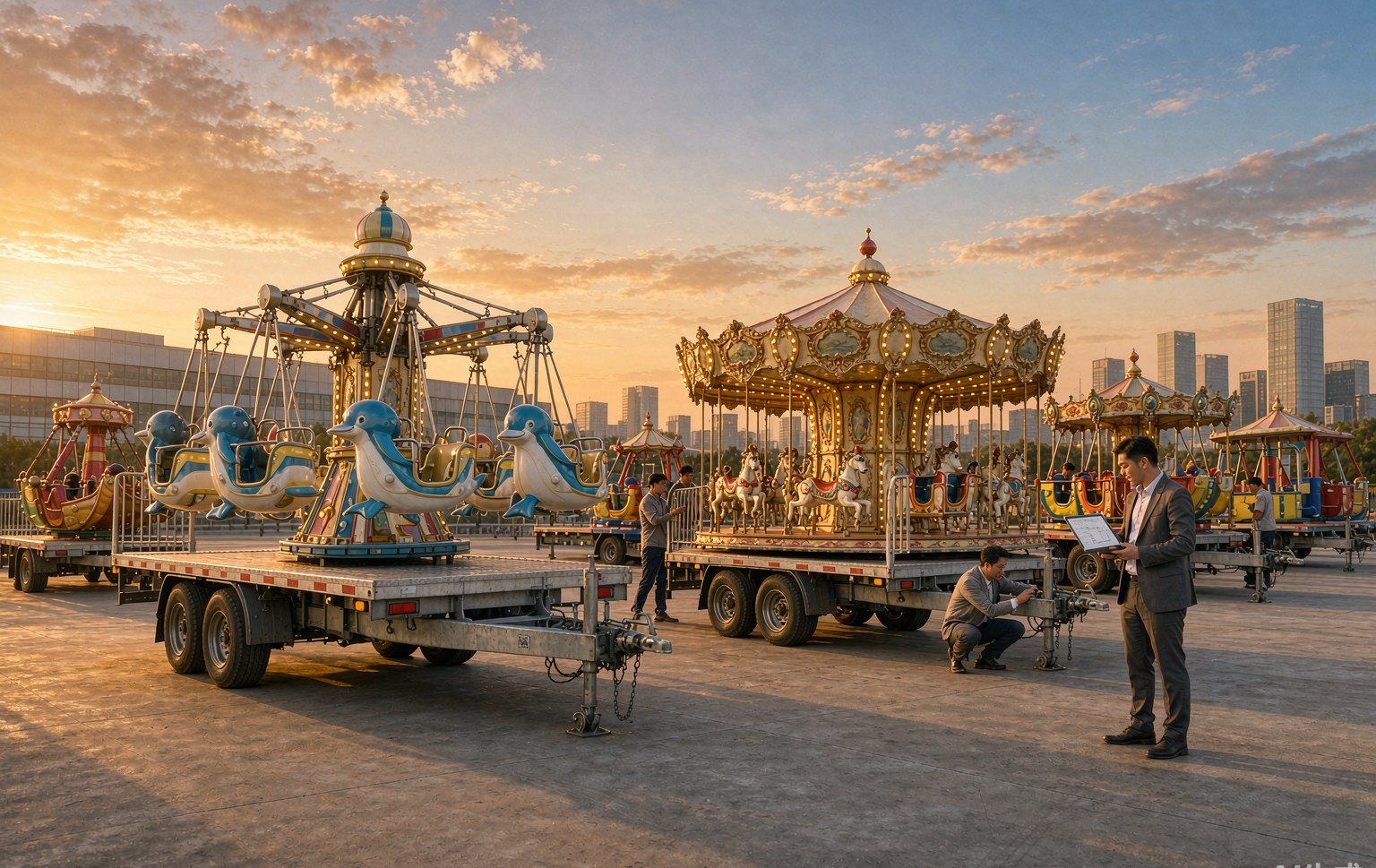
Delivery planning should begin before the horses arrive on site. Operators should confirm how the horses will be packed, how many packages to expect, how they will be unloaded, and where they will be stored before installation.
Carousel horses can be large, fragile in certain areas, and sensitive to rough handling. Proper packing and careful unloading help prevent damage during transit. Operators should check deliveries carefully and report any damage immediately.
Installation preparation is equally important. Operators should confirm mounting requirements, pole compatibility, hardware requirements, and technical guidance before the horses arrive. If installation drawings, connection details, or technical support are needed, these should be requested in advance.
Delays often happen not because the horses arrive late, but because the site is not ready to receive them. Clear delivery planning helps operators avoid storage problems, installation confusion, and unnecessary downtime.
Managing Delays and Changes
Even well-planned projects can experience changes. Operators may adjust colors, add horses, modify decorative details, or change installation requirements after ordering. Manufacturers may also encounter material availability issues, production constraints, or shipping delays.
The best way to manage changes is through early communication. Operators should notify the manufacturer as soon as possible if project requirements change. Manufacturers should explain how changes affect timing, cost, and production sequence.
Changes made after production has begun are usually more disruptive than changes made during the design confirmation stage. This is another reason why operators should finalize design decisions before manufacturing starts.
Documentation and Shipping Support
For many operators, especially those managing international projects, documentation matters. Carousel horse manufacturers should provide clear shipping documents, packing lists, technical files, installation guidance, and product information.
Operators should confirm what documentation will be included with the delivery. This may include mounting specifications, spare part lists, maintenance guidance, color references, and inspection recommendations.
Good documentation supports smoother installation, easier maintenance, and better long-term operation. It also helps operators keep accurate records for future repairs, replacements, or expansion.
Planning Ahead for a Smoother Project
Successful carousel horse projects depend on realistic planning. Operators should start discussions with manufacturers early, confirm design details clearly, understand production stages, and prepare for delivery before the horses arrive.
When lead times, production planning, and delivery coordination are handled professionally, operators gain more than a product delivery. They gain confidence that the attraction will arrive on schedule, install correctly, and be ready for safe operation.