
A carousel can become much more than a standard ride when its horses reflect the identity of the attraction. Custom colors, themed designs, and branded details help operators create a stronger visual connection between the ride and the surrounding environment. For parks, resorts, museums, shopping centers, and family entertainment venues, this connection can make the carousel feel intentional rather than generic.
Carousel horse manufacturers play an important role in this process. They translate creative ideas into physical designs that must also be safe, durable, and practical for daily use. A successful custom project depends on clear communication between the operator and the manufacturer, especially regarding theme, color, branding, installation environment, and maintenance expectations.
Custom design should not be treated as decoration alone. When handled well, it becomes part of the guest experience. Visitors may notice the colors, recognize themed details, remember the overall atmosphere, and connect the carousel with the broader identity of the location.
Starting with a Clear Creative Direction
Before production begins, operators should define the creative direction as clearly as possible. A general idea such as “colorful,” “classic,” or “themed” is not enough for consistent results. Manufacturers need specific guidance to produce horses that match the operator’s vision.
Useful information includes:
- The overall theme of the attraction
- Brand colors or preferred color palette
- Reference images of desired styles
- The target audience, especially if the ride is designed for young children
- The installation environment, including indoor, outdoor, or semi-outdoor conditions
- Any branded elements, logos, mascots, or decorative motifs
- The level of visual consistency required across all horses
The more specific the creative brief, the easier it becomes for carousel horse manufacturers to recommend suitable shapes, colors, finishes, and decorative details. Operators should also share practical constraints, such as budget, timeline, maintenance capacity, and future expansion plans.
Using Color to Support Theming
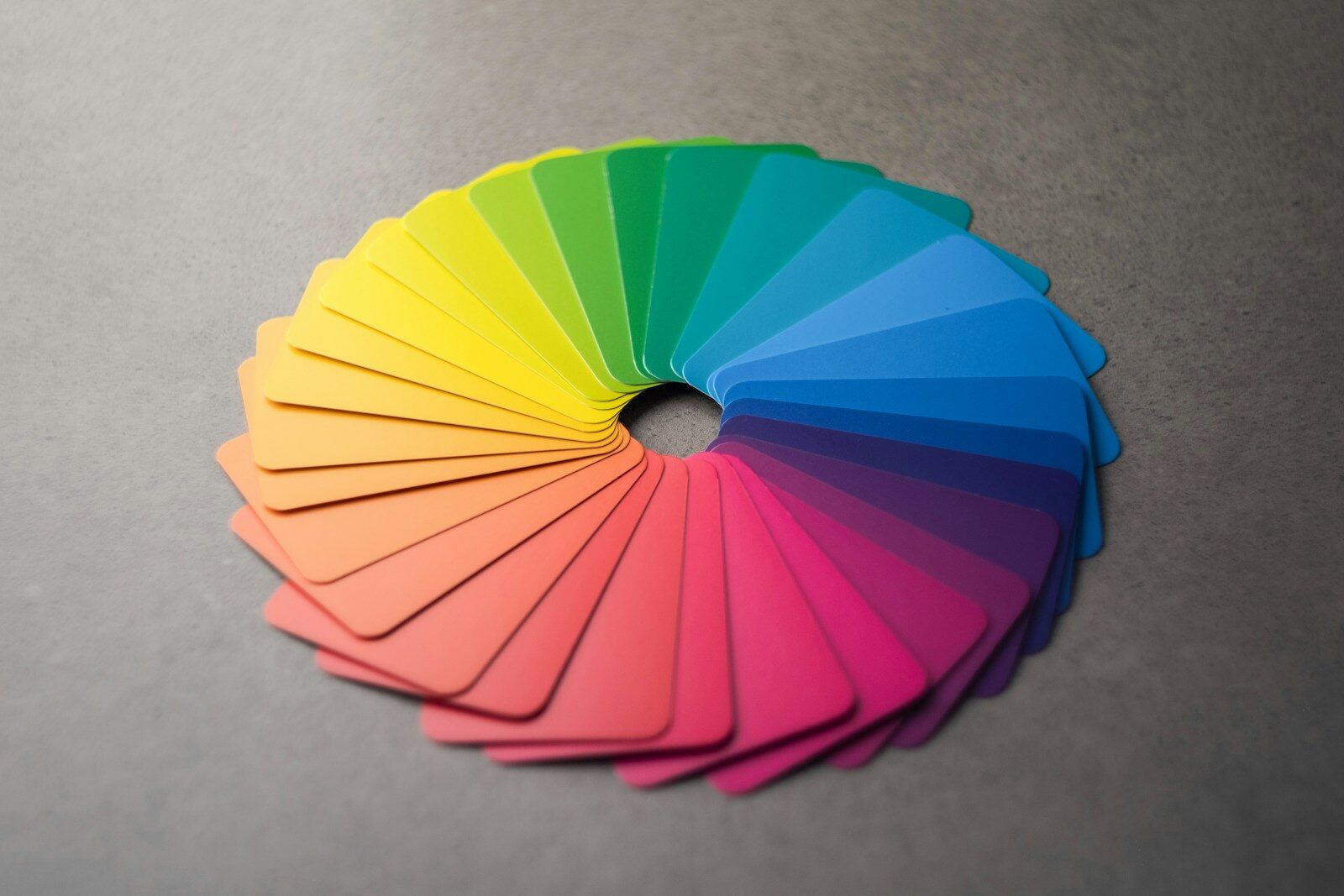
Color is one of the most visible elements of a carousel horse. It can make the ride feel playful, elegant, adventurous, coastal, festive, or heritage-inspired. Custom color selection should support the attraction’s identity rather than simply adding variety.
A seaside-themed carousel might use soft blues, whites, aqua tones, and gold accents. A forest-themed ride might use greens, browns, warm neutrals, and natural decorative patterns. A children’s entertainment center may benefit from brighter colors, high contrast, and cheerful accents that attract attention.
Operators should consider how color appears in the actual installation environment. Lighting, background scenery, flooring, surrounding architecture, and sunlight exposure can all change the way colors are perceived. A color that looks balanced in a design image may appear too bright, too muted, or too contrasting once installed.
Carousel horse manufacturers can help operators test color direction before full production. This may include color samples, reference panels, design mockups, or visual confirmations. Confirming color early helps avoid expensive changes later.
Adding Themed Decorative Details
Themed details give carousel horses personality. These may include painted patterns, carved motifs, decorative saddles, ornamental trim, floral elements, nautical details, fantasy accents, or cultural design references.
When adding themed details, operators should balance creativity with practicality. Decorative elements should be securely attached, smoothly finished, and resistant to regular cleaning. Guests, especially children, will touch, hold, and sit near these details during the ride. Fragile or loosely attached decorations may look impressive in a design concept but create maintenance or safety concerns during operation.
Carousel horse manufacturers should review custom details from both a design and engineering perspective. Some decorative ideas may need to be simplified, repositioned, or reinforced to remain safe and durable. A manufacturer that explains these adjustments clearly is helping protect both the creative vision and the ride’s long-term performance.
Incorporating Branded Elements
For commercial attractions, branded carousel horses can strengthen location identity. Operators may want to include brand colors, mascots, logos, signature patterns, or themed accessories that connect the carousel with the wider park experience.
Branded designs should be applied carefully. Logos and decorative elements should be positioned where they are visible but do not interfere with guest contact areas. Colors should remain consistent with brand guidelines while still working well within the overall carousel design.
Operators should also consider whether branded elements may need to change in the future. If a brand refreshes its visual identity, the carousel horses should ideally be easy to update without requiring complete replacement. This makes flexible design and accurate color documentation especially important.
Ensuring Consistency Across Multiple Horses
A carousel usually displays many horses together, so visual consistency is essential. If one horse has a different shade, uneven detailing, or inconsistent decorative placement, the entire ride can feel less polished.
Carousel horse manufacturers should apply the same color references, finishing standards, and quality checks across all units. Operators should confirm how the manufacturer controls color matching, decorative placement, and production consistency.
For custom designs, this is especially important. Custom horses are not simply selected from a standard catalog. They are produced based on specific creative requirements, so accurate reproduction matters. Operators should ask whether the manufacturer retains design records, color specifications, and mold or template references for future orders.
Planning for Future Expansion
Custom carousel horses are often most valuable when they can be reproduced later. If an operator adds more horses, replaces damaged units, or expands the carousel, the new horses should match the original set.
Before placing an order, operators should confirm that the manufacturer can reproduce custom colors, decorative details, and structural designs in future production runs. This reduces the risk of mismatched horses and helps maintain visual continuity as the attraction grows.
Operators should also keep their own records. Saving approved color references, design images, theme descriptions, and manufacturer documentation makes future expansion easier and more accurate.
Working with Manufacturers as Design Partners
The strongest custom results come from collaboration. Operators should treat carousel horse manufacturers as design partners, not just production suppliers. Sharing reference images, brand guidelines, site photos, guest expectations, and maintenance realities helps the manufacturer understand the project’s full context.
A good manufacturer will ask practical questions about environment, durability, cleaning, safety, and long-term use. These questions help ensure that custom designs are not only visually appealing but also suitable for real operating conditions.
When custom colors, themes, and branded details are planned carefully, carousel horses become more than ride vehicles. They become part of the attraction’s identity, a natural photo opportunity, and a memorable element that strengthens the overall guest experience.




