
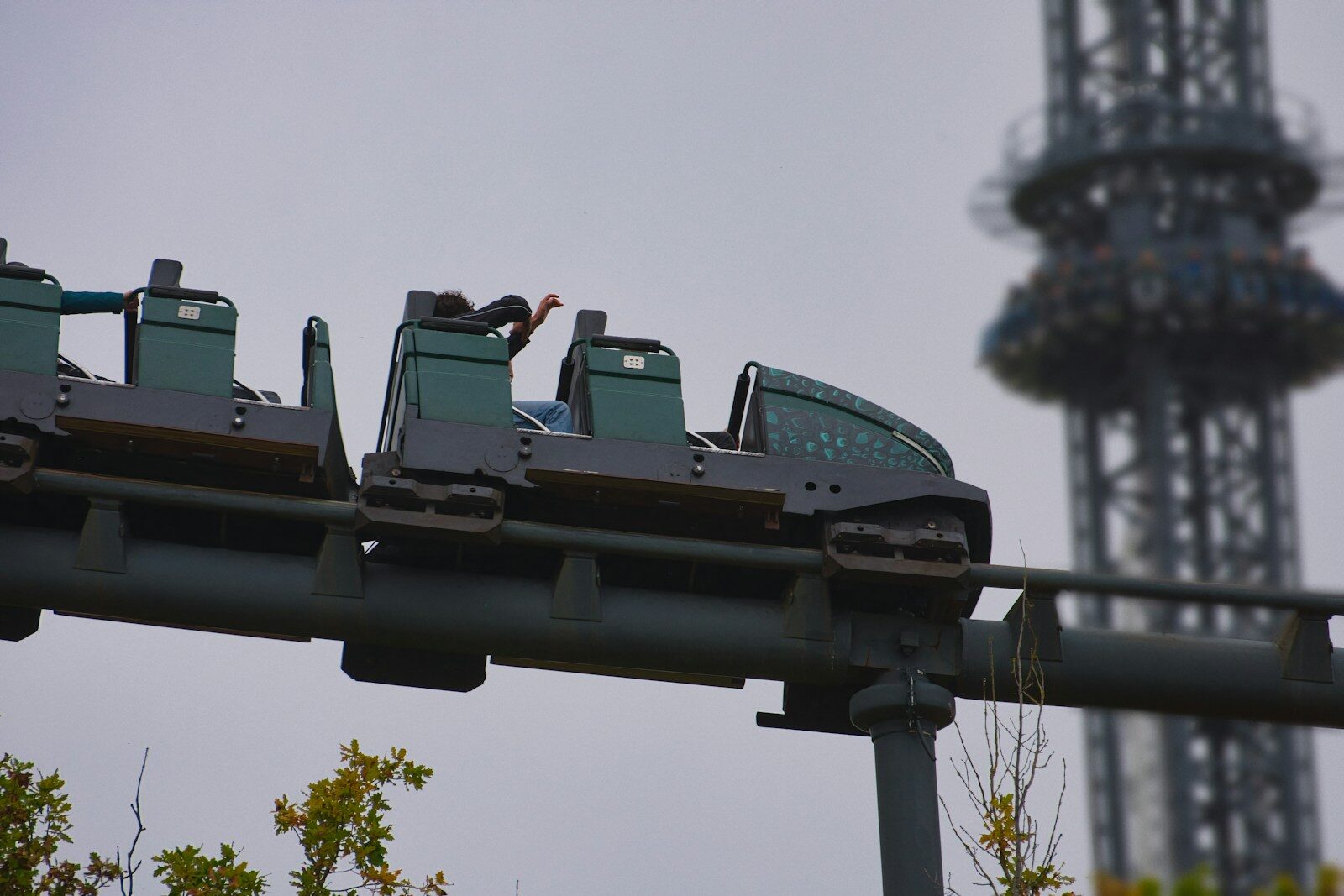
Thrill rides are the crown jewels of the amusement industry, designed with one purpose in mind: to push the boundaries of human experience and deliver an adrenaline-fueled rush that riders crave again and again. From towering roller coasters that plunge riders into near-freefall to spinning attractions that generate multiple G-forces, thrill rides tap into a unique psychological space where fear and excitement collide. Understanding what makes these attractions so compelling requires a look at both the engineering behind them and the human response they evoke.
Thrill rides can be categorized into several distinct types based on the primary sensation they produce. High-speed rides, such as launch coasters and hypercoasters, rely on rapid acceleration and deceleration to create intense centrifugal forces and weightlessness. The world’s fastest roller coasters now exceed speeds of 150 miles per hour, with attractions like Formula Rossa at Ferrari World Abu Dhabi reaching a breathtaking 149 mph. Vertical drop rides, including free-fall towers and dive coasters, use height and gravity to produce moments of pure weightlessness. The tallest drop towers in the world stand at over 500 feet, giving riders a few seconds of terrifying free-fall before braking systems bring them safely back to earth.
Spinning thrill rides take a different approach, using rotational motion to generate G-forces that press riders into their seats or fling them outward. Attractions like the Gyro Swing (also known as the giant pendulum) and the Super Frisbee swing riders in wide arcs while simultaneously spinning the gondola, creating a disorienting combination of forces. At Ocean Park Hong Kong, the Thrill Mountain attraction spins riders at speeds of up to 60 km/h while generating forces of 3.9G, an experience reserved for the most hardcore visitors. In Las Vegas, the Insanity ride at the Strat extends a mechanical arm 64 feet over the edge of the SkyPod at more than 900 feet high, spinning riders at speeds that generate up to three G’s of force.
Water-based thrill rides add another dimension to the experience by combining speed with the unexpected shock of water. Log flumes, river rapids, and water coasters use elevated drops and high-speed turns to send boats careening through splashes and sprays. While these rides are generally less intense than their steel-track counterparts, the element of unpredictability—never knowing exactly how wet you will get—adds to their appeal.
The psychology of thrill rides is fascinating. Research suggests that the appeal lies in the concept of “benign masochism”—the enjoyment of negative sensations when the brain recognizes that there is no real danger. The surge of adrenaline, the acceleration of heart rate, and the release of endorphins create a natural high that many riders find addictive. For some, the appeal is the sense of accomplishment that comes from conquering fear. For others, it is the sheer physical sensation of speed and weightlessness that cannot be replicated in everyday life.
Safety engineering is what makes these extreme experiences possible. Every thrill ride is equipped with multiple redundant safety systems, including computer-controlled braking, magnetic restraint locks, and emergency stop mechanisms. Restraint systems range from simple lap bars to over-the-shoulder harnesses and full-body vests, depending on the intensity of the ride. Manufacturers conduct thousands of test runs using weighted dummies before any ride opens to the public, and daily inspections ensure that every bolt, sensor, and hydraulic system is functioning correctly.
For those seeking the ultimate thrill ride experience, certain attractions stand out as must-do destinations. Universal Orlando’s Jurassic World VelociCoaster reaches speeds of 70 mph and features multiple inversions alongside a smooth, high-intensity layout. SeaWorld Orlando’s Mako, the tallest and fastest roller coaster in Orlando, propels riders to 73 mph along a 4,760-foot track designed to simulate the hunting patterns of a mako shark. Busch Gardens Williamsburg’s Alpengeist, the world’s tallest and fastest full-circuit inverted coaster, sends riders through six inversions at nearly 70 mph after climbing 195 feet into the air.
As technology continues to advance, the future of thrill rides promises even more extreme experiences. Virtual reality integration, AI-driven personalization, and new propulsion systems are opening up possibilities that were once the realm of science fiction. For thrill seekers, the golden age of extreme amusement attractions is just beginning.




