
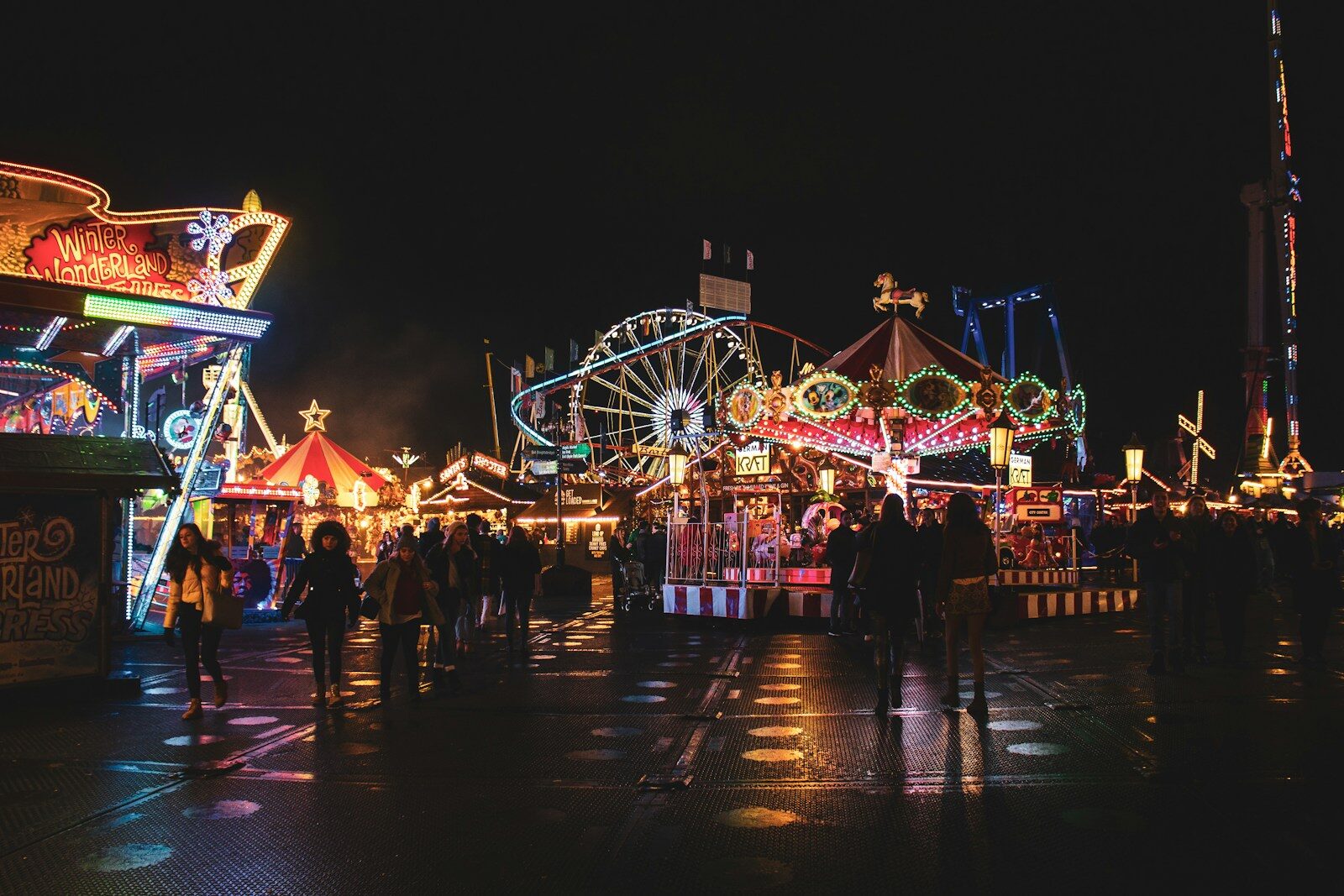
The concept of bringing a carnival to your location once required months of planning, heavy construction equipment, and substantial capital investment. Today, a mobile trailer ride makes that vision achievable in a matter of hours. These self-contained entertainment systems represent one of the most significant innovations in the outdoor events industry, offering flexibility and excitement that permanent installations simply cannot match.
The Evolution of Portable Amusement
The history of traveling amusement dates back centuries, from medieval fairs with simple mechanical diversions to the elaborate traveling carnivals of the twentieth century. However, earlier generations of mobile rides required extensive manual assembly, with crews spending days bolting together structural components by hand. Modern mobile trailer rides have revolutionized this process through hydraulic deployment systems, modular construction, and integrated power distribution.
Today’s units can be transported on standard roadways without special escort vehicles in most cases. The ride structure folds into a compact footprint that fits within legal width and height limits for highway travel. Upon arrival, hydraulic systems unfold the ride to its full operational dimensions, and electrical connections snap together with color-coded connectors that prevent miswiring.
Types of Mobile Trailer Rides Available
The variety of mobile trailer rides on the market today is impressive. Here are the most popular categories:
Compact Family Rides: These include mini Ferris wheels, small carousels, and gentle spinning attractions designed for children under twelve. They typically operate at low speeds, feature enclosed seating, and require minimal ground space.
Thrill Rides: For older audiences, mobile trailer rides include spinning scramblers, pendulum swings, and compact roller coaster sections. These units generate higher G-forces and faster rotation speeds while maintaining the portability that makes them practical for temporary events.
Interactive Rides: The newest category includes rides with gamification elements — scoring systems, light-up targets, and synchronized music that responds to rider movement. These attractions appeal particularly to teenagers and young adults seeking shareable experiences.
Themed Rides: Custom wraps and decorative packages transform standard mobile trailer rides into themed experiences. A basic spinning ride can become a pirate ship adventure, a space exploration mission, or a fairy tale castle tour with the addition of themed panels, lighting effects, and audio systems.
Site Requirements and Preparation
One of the greatest advantages of a mobile trailer ride is its minimal site preparation needs. The primary requirements are a relatively level surface capable of supporting the unit’s weight, access to a power source or space for a generator, and adequate clearance for the ride’s operational envelope.
Most units require a flat area of approximately thirty by forty feet for setup, though larger attractions may need more space. The surface should be firm — asphalt, concrete, or compacted gravel all work well. Grass surfaces are acceptable if the ground is dry and firm, though providers may require ground mats to prevent damage to the turf.
Accessibility is another consideration. The trailer must be able to reach the setup location, so planners should verify that access roads can accommodate the vehicle’s width, weight, and turning radius. Overhead obstructions such as power lines and tree branches must also be evaluated.
Staffing and Operations
Operating a mobile trailer ride requires trained personnel. Most rental agreements include at least one certified operator who manages ride cycles, monitors guest loading and unloading, and handles emergency procedures. Additional staff may be needed for ticket sales, queue management, and guest assistance.
Operators must verify rider height and weight compliance, ensure all restraints are properly secured, and maintain constant visual contact with the ride during operation. Pre-ride safety briefings, emergency stop drills, and post-shift inspection checklists are standard practice among professional providers.
Maximizing Guest Experience
Event planners can enhance the impact of a mobile trailer ride through strategic placement and complementary attractions. Positioning the ride near the entrance creates an immediate visual impression that draws attendees inward. Pairing the ride with food vendors, photo booths, and game stalls creates a complete carnival zone that encourages guests to spend more time — and money — at the event.
Lighting plays a crucial role in evening events. Many mobile trailer rides feature integrated LED systems that create spectacular visual displays after dark. Coordinating the ride’s lighting colors with your event’s theme or brand palette adds a polished, professional touch.
Budgeting for Mobile Entertainment
The cost structure for a mobile trailer ride rental typically includes transportation to and from the venue, setup and teardown labor, operator services, and insurance. Additional charges may apply for extended operating hours, generator rental, travel distances beyond the provider’s standard service area, and custom theming packages.
Most providers offer tiered pricing based on rental duration. A single-day rental for a community event will cost less per hour than a week-long engagement at a seasonal festival. Negotiating multi-day rates or booking during off-peak periods can yield significant savings.
A mobile trailer ride delivers the magic of a carnival without the complexity of permanent construction. For event organizers seeking reliable, impressive, and logistically simple entertainment, these portable attractions offer an unbeatable combination of convenience and guest satisfaction.




