
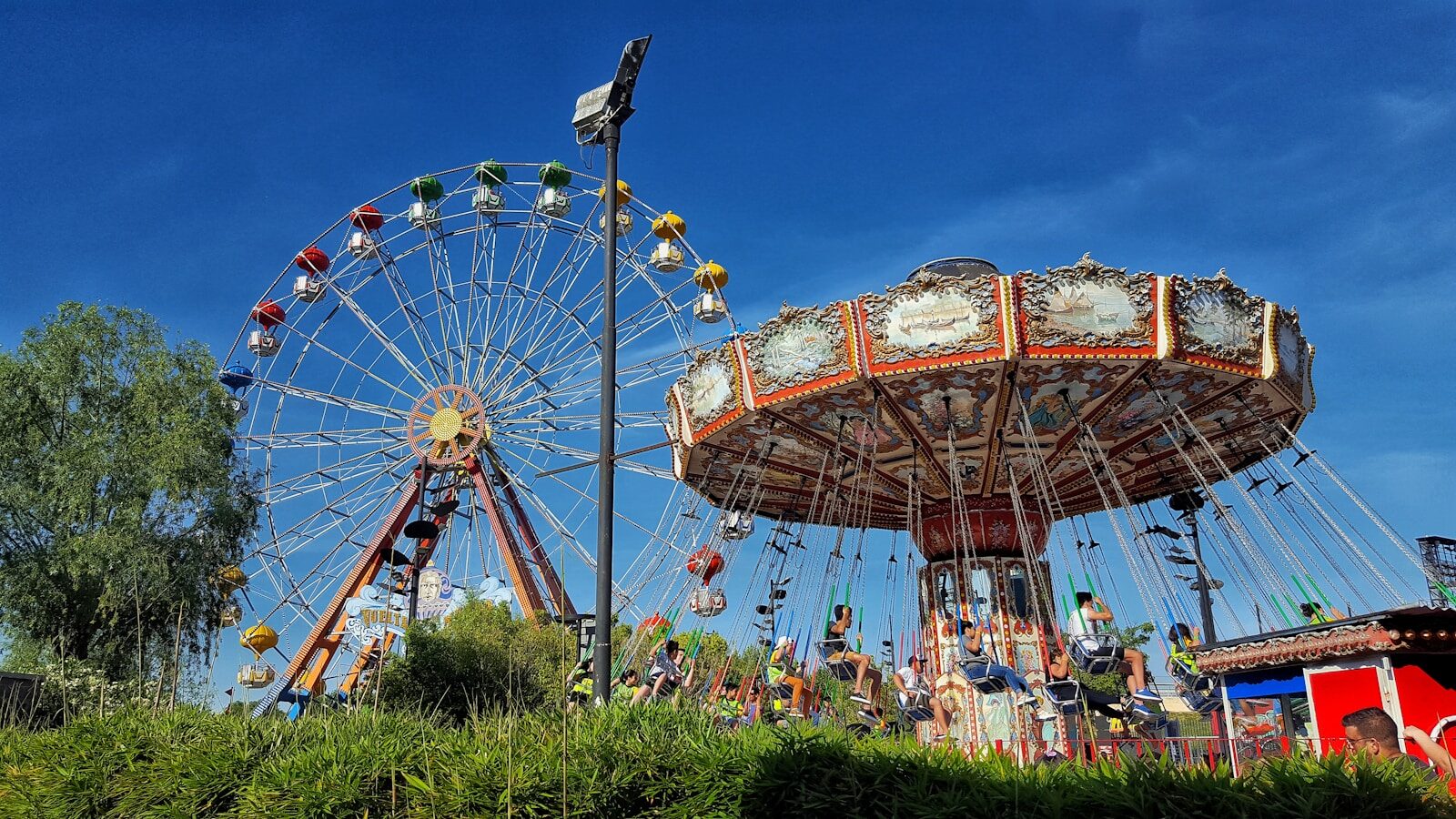
The layout of an amusement park is far more than an aesthetic choice — it is a strategic tool that directly influences guest satisfaction, ride ridership, food and merchandise sales, and overall profitability. A well-designed amusement park layout guides visitors naturally through the property, minimizes congestion, and creates memorable experiences at every turn. Understanding these principles is essential for anyone involved in park planning, renovation, or management.
The Psychology of Park Navigation
Guests entering an amusement park face an overwhelming number of choices. Which ride should they visit first? Where is the nearest restroom? Should they eat now or wait? A thoughtful amusement park layout answers these questions intuitively, reducing decision fatigue and keeping visitors engaged rather than frustrated.
Research in environmental psychology shows that people naturally follow certain patterns when navigating unfamiliar spaces. They tend to turn right upon entering a space, follow visible pathways, and gravitate toward tall or visually distinctive landmarks. Successful park designers leverage these tendencies by placing iconic attractions at strategic sight lines and creating natural gathering points that distribute crowds evenly.
The Loop and Hub Model
One of the most effective amusement park layout strategies is the loop model. In this configuration, a primary pathway forms a continuous circuit through the park, with attractions, food outlets, restrooms, and retail shops positioned along the route. The loop ensures that guests encounter every area of the park without backtracking, and it creates natural circulation that prevents dead-end congestion.
The hub model complements the loop by establishing a central gathering area — often featuring a landmark attraction, fountain, or performance stage — with spoke pathways radiating outward to themed zones. This design gives guests a clear sense of orientation and a natural meeting point for separated party members.
Zone Theming and Guest Immersion
Modern amusement park layout design increasingly emphasizes themed zones that transport guests into distinct narrative environments. A pirate-themed waterfront area, a futuristic science fiction district, and a classic Americana main street can all coexist within the same park, each with its own architectural style, music, landscaping, and attraction profile.
Themed zones serve multiple strategic purposes. They create natural transitions between different ride intensity levels, allowing guests to move gradually from gentle family attractions to more intense thrill rides. They also encourage longer visits, as guests want to explore every distinct environment before leaving.
Strategic Placement of High-Demand Attractions
The placement of headliner attractions within an amusement park layout has a profound impact on crowd distribution. Placing the park’s most popular ride at the far end of the property draws guests deep into the park, ensuring that midway attractions, food stands, and retail shops along the route receive foot traffic.
Conversely, placing all major attractions in a single cluster creates congestion in one area while leaving other zones underutilized. The most effective layouts distribute headline attractions across the park’s geography, creating multiple destination points that pull guests in different directions throughout the day.
Managing Queue Spaces
Queue design is an integral component of amusement park layout planning. Long, exposed queues in direct sunlight frustrate guests and increase perceived wait times. Smart layout design incorporates shaded queue areas, switchback paths that reduce the physical footprint of lines, and entertainment elements within queues — such as themed scenery, interactive screens, or live performers — that make waiting feel shorter.
Queue areas also present revenue opportunities. Strategically placed merchandise displays and food pickup windows along queue paths capture impulse purchases from guests who are already in a spending mindset.
Service Area Integration
Restrooms, first aid stations, guest services desks, and nursing rooms must be integrated into the amusement park layout without disrupting the thematic experience. These facilities should be accessible from multiple points within the park to minimize walking distances, and their entrances should be visible from main pathways.
Food service areas deserve particular attention in layout planning. Placing restaurants and snack stands near high-traffic intersections and major attractions ensures consistent patronage. Outdoor seating areas should offer views of entertainment elements — such as water features, performance stages, or ride action — to create dining experiences that feel like part of the attraction rather than interruptions to it.
Accessibility and Emergency Planning
An effective amusement park layout must accommodate guests with mobility challenges. Pathways should be wide enough for wheelchair navigation, ramps should replace stairs wherever possible, and accessible viewing areas should be provided at every major attraction.
Emergency planning also influences layout decisions. Fire lanes, emergency vehicle access points, and evacuation assembly areas must be incorporated into the design without compromising the guest experience. Clear sight lines for security monitoring and strategically placed emergency call boxes add layers of safety that guests may not consciously notice but absolutely depend upon.
Data-Driven Layout Optimization
Modern parks increasingly use anonymized mobile data, RFID wristband tracking, and thermal imaging to understand how guests actually move through the property. This data reveals bottlenecks, underutilized areas, and peak congestion times that inform layout modifications.
A ride that consistently has short wait times despite high capacity may indicate a location problem — guests simply are not finding it. Relocating signage, adjusting pathway configurations, or adding visual cues can redirect foot traffic and improve ridership without changing the attraction itself.
Designing an effective amusement park layout is both an art and a science. By understanding guest psychology, leveraging proven circulation models, and continuously refining based on operational data, park designers create environments where every guest enjoys a seamless, exciting, and memorable visit.




