
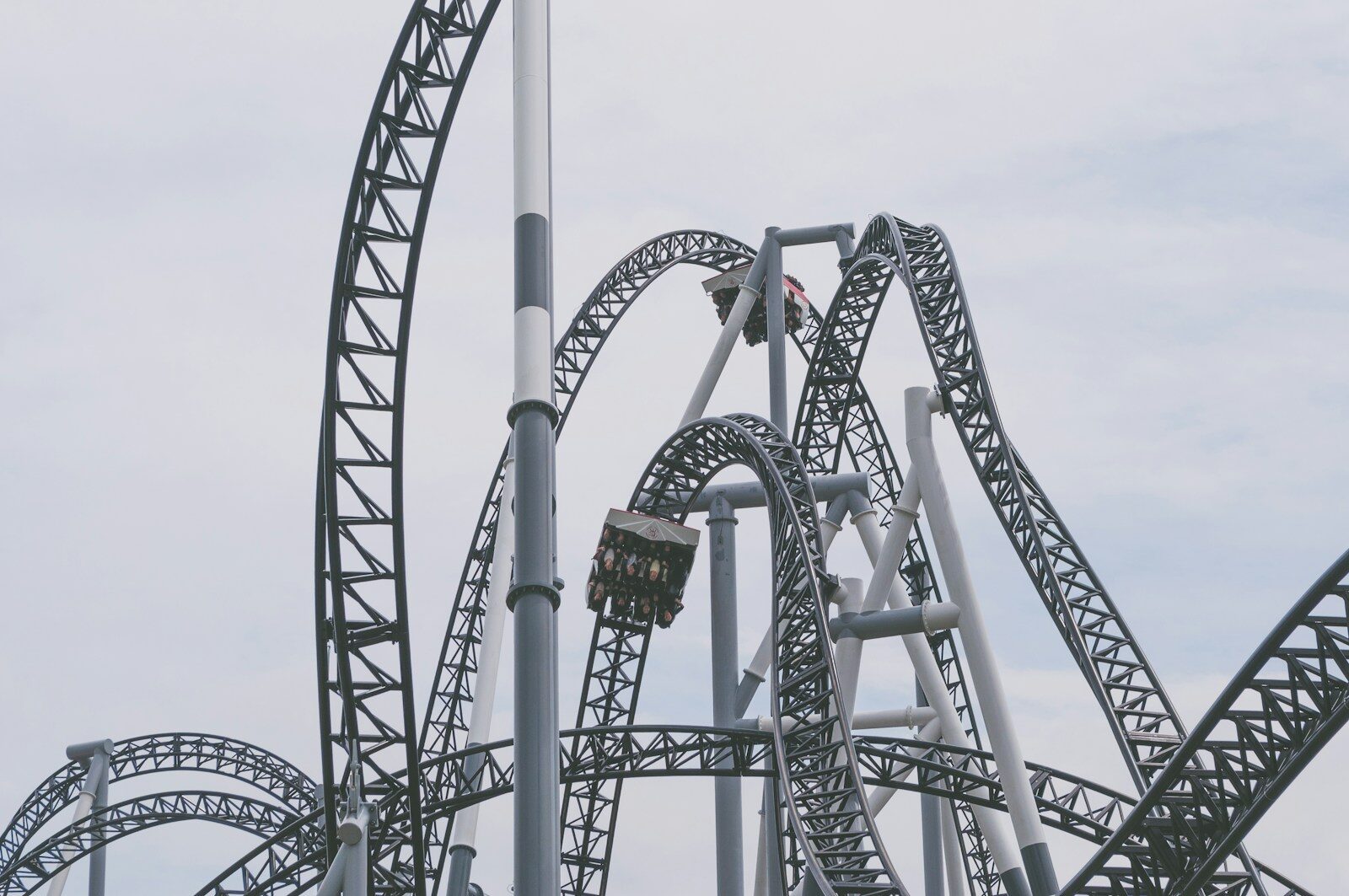
A coaster roller coaster is more than a collection of steel, wood, and mechanical systems. It is one of the most recognizable symbols of amusement parks around the world. When guests think of theme parks, they often picture a tall lift hill, a steep drop, a sweeping curve, or a fast train racing through a carefully designed layout. That image has helped roller coasters become some of the most discussed, photographed, and shared attractions in the entertainment industry.
The appeal of a coaster roller coaster comes from contrast. Riders move from anticipation to speed, from height to descent, from calm to excitement. A well-designed coaster does not simply move people quickly from one point to another. It creates moments of surprise, tension, release, and satisfaction. These moments are planned carefully, often long before the first piece of track is installed.
Over time, coaster roller coaster design has become more sophisticated. Early rides focused on simple hills and turns. Modern coasters use advanced track shaping, computer modeling, themed environments, and precise train control. The result is an experience that feels more immersive, more controlled, and more repeatable than ever before.
The Evolution of the Coaster Roller Coaster
The coaster roller coaster has changed dramatically since the earliest amusement rides. Early wooden coasters relied on gravity, simple track layouts, and basic braking systems. Their charm came from speed, height, and the feeling of motion across a large structure.
As engineering improved, designers began experimenting with new shapes. Steel coasters allowed tighter curves, smoother transitions, and more compact layouts. Inversions, launches, and multi-element designs became possible because modern track systems could handle complex forces with greater precision.
Today, a coaster roller coaster may include magnetic launches, linear synchronous motors, onboard audio, themed scenery, interactive elements, and carefully tuned ride dynamics. Some coasters emphasize height and speed. Others focus on storytelling, family-friendly thrills, or unique ride vehicles. This variety is one reason why roller coasters remain popular across different types of parks.
Layout Planning and Ride Flow
Every coaster roller coaster begins with layout planning. Designers must decide where the ride will start, how it will rise, where the first major moment will happen, and how it will return to the station. The layout must fit the available space while also creating a satisfying experience.
A strong layout usually has a clear rhythm. Riders may begin with anticipation during the lift or launch. The first drop often provides the biggest release of energy. After that, the ride may move through a series of turns, airtime moments, directional changes, and braking sections. The final moments should feel complete, giving riders a sense that the experience has reached a satisfying conclusion.
Ride flow also affects operations. A coaster roller coaster must allow trains to move efficiently through the circuit. Designers must consider block zones, braking areas, station loading, and dispatch timing. If the layout is exciting but difficult to operate, the park may struggle with long wait times or low rider capacity.
Themed Environments and Storytelling
Modern parks often treat a coaster roller coaster as more than a thrill ride. It can become a themed experience, with scenery, music, lighting, characters, and story elements that surround the ride. Theming helps guests feel connected to the attraction before they even board the train.
A themed coaster may use buildings, rockwork, tunnels, projection effects, or sound design to create atmosphere. The theme can explain why the ride exists, where it takes place, and what riders are experiencing. This is especially useful for parks that want to create immersive areas rather than simple collections of rides.
Theming also affects how guests perceive the ride. A fast drop may feel more dramatic if it is framed by a story moment. A dark tunnel may feel more mysterious if it includes lighting, sound, or scenic details. A well-themed coaster roller coaster can make the same physical layout feel more memorable.
Safety Systems and Operational Control
Safety is central to every coaster roller coaster. Guests expect excitement, but they also expect to return to the station safely. This means that safety systems must be designed into the ride from the beginning, not added later as an afterthought.
Modern coasters use multiple layers of control. Block zones prevent trains from entering the same section of track at the same time. Braking systems help manage speed at key points. Sensors monitor train position, speed, and restraint status. Operators use control systems to manage dispatch, monitor ride conditions, and respond to unusual situations.
Restraint design is another important part of safety. Different coaster roller coaster types use different restraint systems, including lap bars, shoulder harnesses, seat belts, and vest-style restraints. The choice depends on the ride’s forces, train design, and guest comfort.
Operational procedures are equally important. Staff must be trained to load riders correctly, check restraints, respond to ride stops, and communicate with control systems. A safe coaster roller coaster depends on both strong engineering and strong human operation.
Different Types of Coaster Roller Coaster Experiences
Not every coaster roller coaster is designed for the same audience. Parks use different coaster types to appeal to families, thrill seekers, casual visitors, and repeat guests.
Family coasters usually offer moderate speed, gentle forces, and accessible restraints. They are often among the first larger rides that children experience.
Steel coasters can provide smooth rides with complex layouts, inversions, and compact footprints.
Wooden coasters often emphasize classic thrills, airtime, and a traditional amusement park atmosphere.
Launch coasters replace or supplement lift hills with rapid acceleration, creating an immediate sense of intensity.
Dark ride coasters combine coaster movement with indoor scenes, effects, and storytelling.
Each type creates a different experience. A park may use several types to build a balanced attraction lineup.
Guest Experience and Emotional Design
A successful coaster roller coaster is designed around emotion. The experience begins before riders reach the station. Queue areas, signage, music, and visible track elements can build anticipation. The moment riders see the first drop or hear the train leave the station, their expectations begin to form.
During the ride, emotional design depends on pacing. A long, slow climb can create tension. A sudden drop can release it. A series of quick turns can create excitement. A smooth final brake run can give riders time to process what they just experienced.
After the ride, the experience continues. Guests often want to talk about the best moments, watch ride videos, or ride again. This is why many parks place coaster roller coaster attractions near high-traffic areas. A visible, exciting ride can become a landmark that draws guests deeper into the park.
Maintenance and Long-Term Performance
A coaster roller coaster must perform reliably day after day. Maintenance planning is essential for keeping the ride safe, smooth, and available during busy operating periods.
Maintenance teams inspect track connections, wheels, brakes, restraints, sensors, and control systems on a regular basis. Some checks happen daily, while others occur weekly, monthly, or seasonally. Records of inspections, repairs, and replacements help parks track the condition of the ride over time.
Weather, temperature, humidity, and heavy use can all affect ride components. Coastal parks may need to pay special attention to corrosion. Parks with large temperature changes may need to monitor how materials expand and contract. These details show why ongoing maintenance is just as important as initial design.
Why the Coaster Roller Coaster Remains Popular
The coaster roller coaster remains popular because it combines engineering, storytelling, and emotional experience in one attraction. It gives parks a way to create excitement, define their identity, and offer guests a memorable shared experience.
For designers, coasters are a chance to solve complex spatial and mechanical problems. For operators, they are major attractions that require careful training and maintenance. For guests, they are often the highlight of a park visit.
As technology continues to improve, coaster roller coaster experiences will become more immersive, more efficient, and more varied. But the core appeal will remain the same: the feeling of climbing, launching, dropping, turning, and returning with a story worth sharing.
Final Thoughts
A coaster roller coaster is one of the most dynamic attractions in modern amusement parks. It combines careful layout planning, themed environments, safety systems, operational control, and emotional design to create an experience that feels both thrilling and controlled.
The best coasters are not judged only by height or speed. They are judged by how well they guide riders through a sequence of memorable moments. From the first view of the track to the final stop in the station, every detail contributes to the overall experience. That is why the coaster roller coaster continues to hold such a central place in theme park culture.




