
Roller coaster drawings have always been more than artistic expressions. In the earliest days of amusement ride design, a single hand-drawn sketch could decide whether a new coaster became a park headline or disappeared before construction began. Today, those drawings have evolved into layered engineering documents, 3D models, and simulation files, but their purpose remains the same: to translate imagination into a structure that can safely carry thousands of riders every day.
The history of roller coaster drawings begins with simple profile sketches. Early designers needed a way to show the rise, drop, curve, and return path of a ride before any steel or wood was cut. These drawings were not decorative. They were practical tools used by engineers, investors, and builders to understand whether a proposed layout could work in a real park. A beautiful sketch might sell the idea, but only a precise drawing could prove that the idea was buildable.
Modern roller coaster drawings now include far more than track outlines. They include structural plans, support layouts, foundation details, train clearance envelopes, braking zones, lift hill profiles, and guest pathway relationships. Every part of the design must be documented before construction begins. This is especially important because roller coasters are not ordinary buildings. They move people through space at high speed, with repeated changes in direction, elevation, and force.
Why Accuracy Matters in Roller Coaster Drawings
Accuracy is the foundation of every successful roller coaster project. A small error in a drawing can become a major problem during construction. If a support beam is placed incorrectly, it may interfere with the track path. If a clearance zone is miscalculated, the ride train may come too close to a platform, structure, or guest area. If a curve radius is drawn too tightly, the ride may feel uncomfortable or unsafe at operating speed.
This is why roller coaster drawings must be treated as technical documents, not concept art. Concept sketches help teams explore ideas. Technical drawings turn those ideas into measurable plans. The transition from concept to technical drawing is one of the most important stages in amusement ride development.
Engineers use these drawings to calculate forces, check structural loads, and confirm that every part of the ride meets safety expectations. Manufacturers use them to fabricate track sections, supports, and mechanical components. Construction teams use them to position foundations, install supports, and assemble the ride in the correct sequence. Without accurate roller coaster drawings, none of these groups could work together efficiently.
The Role of Sketches in Early Design
Every major coaster project usually begins with rough sketches. Designers may start with a single drop, a looping element, a helix, or a themed landscape. At this stage, the goal is not precision. The goal is exploration.
Sketches allow designers to test different ideas quickly. A designer might draw five different versions of a first drop before choosing one direction. Another sketch might explore how a turnaround fits into a limited site. A third drawing might show how the ride interacts with nearby park areas, such as walkways, restaurants, or water features.
These early roller coaster drawings are often simple, but they are essential. They help the design team communicate ideas before committing to expensive engineering work. They also help park operators understand the emotional experience of the ride. A sketch can show where riders will feel speed, where they will pause, and where they will experience the biggest visual moment.
How Technical Drawings Guide Construction
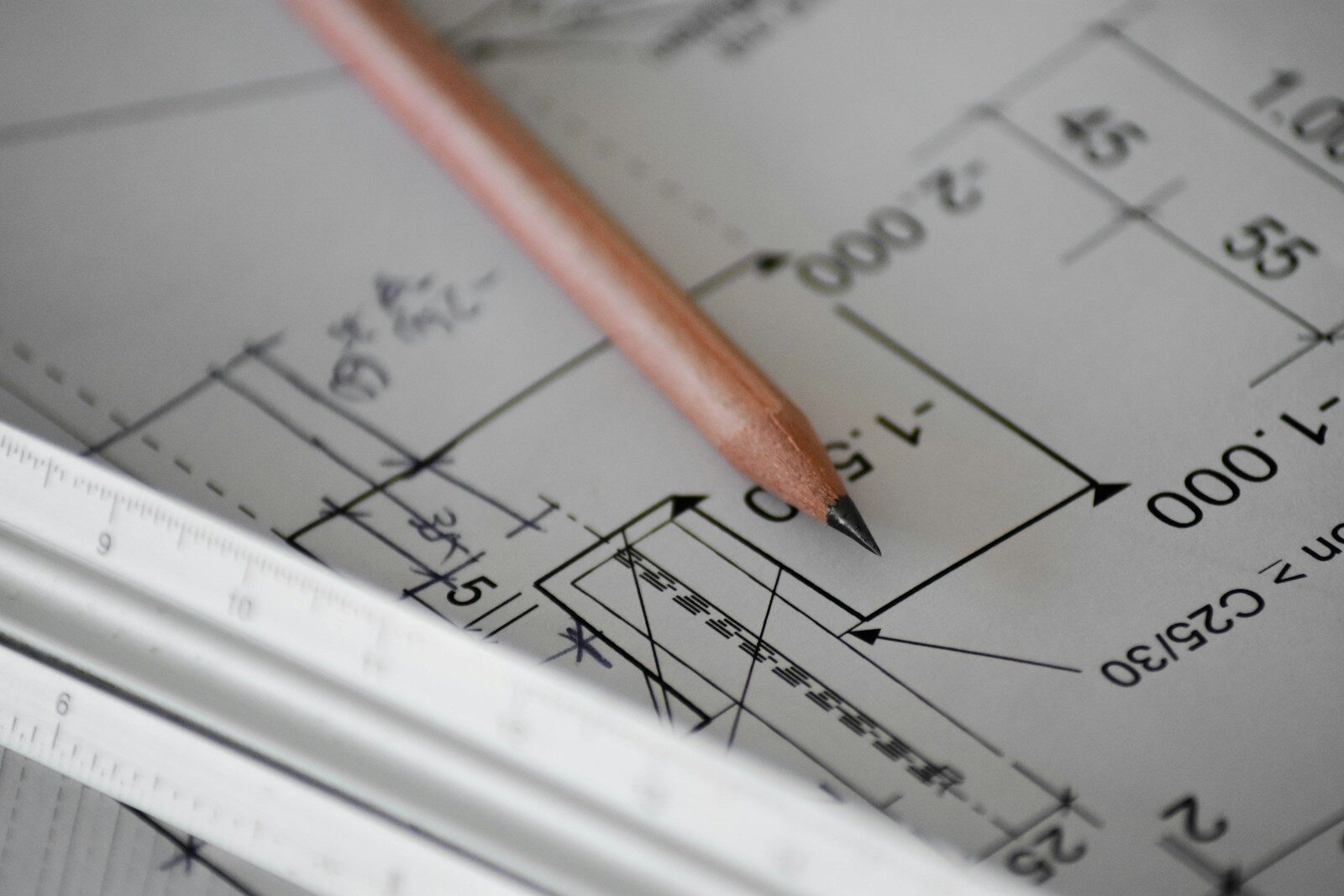
Once a concept is approved, roller coaster drawings become much more detailed. Technical drawings show exact measurements, materials, connections, and assembly instructions. They must be clear enough for builders to follow without guessing.
Construction teams rely on these drawings to understand the sequence of work. A roller coaster is usually built from the ground up, starting with foundations and supports. The track is then installed in sections, with each piece aligned to match the design model. If the drawings are unclear, construction can slow down. If they are precise, the project can move forward with fewer delays.
Technical roller coaster drawings also help with quality control. Inspectors can compare the finished structure to the approved design. Manufacturers can verify that fabricated parts match the required dimensions. Engineers can confirm that the built ride reflects the original safety calculations.
Digital Modeling and Simulation
Modern roller coaster drawings are rarely limited to paper. Digital modeling has changed the way designers create, test, and present rides. Computer-aided design software allows teams to build detailed virtual versions of a coaster before any physical construction begins.
These digital models can show the track, supports, trains, station, and surrounding environment in three dimensions. Designers can view the ride from multiple angles, check clearances, and identify potential conflicts early. They can also simulate how the train moves through the layout, which helps them refine the ride experience.
Simulation tools are especially useful for understanding forces. Riders do not only experience speed. They also experience vertical forces, lateral forces, and changes in direction. Digital models help engineers make sure these forces remain within safe and comfortable limits. This is one reason why modern roller coaster drawings are so closely connected to computer modeling.
Digital drawings also make collaboration easier. A park operator, manufacturer, architect, and safety reviewer can all work from the same model. Changes can be tracked, versions can be compared, and problems can be solved before they reach the construction site.
Safety Review and Documentation
Safety review is one of the most important uses of roller coaster drawings. Regulators, inspectors, and independent engineers need detailed documentation before approving a new ride. These drawings show how the structure will be supported, how the trains will move, and how emergency systems will function.
Good drawings make safety review more efficient. They allow reviewers to check clearances, braking zones, evacuation routes, and structural connections. They also provide a permanent record of the design. If the ride is modified later, the original drawings help teams understand what was approved and why.
Documentation is especially important for complex rides. A modern coaster may include launch systems, magnetic brakes, lift hills, inversions, and multiple train operations. Each system must be clearly represented in the drawings. If any part of the design is missing or unclear, the approval process can become slower and more complicated.
Common Types of Roller Coaster Drawings
Several types of drawings are usually produced during a coaster project. Each type serves a different purpose, and together they form a complete design package.
Plan drawings show the layout of the ride from above. They help teams understand how the track fits into the site and how guests will move around it.
Elevation drawings show the side view of the ride. These are useful for understanding height, drops, and vertical relationships.
Section drawings cut through the structure to show internal details. They help engineers examine supports, foundations, and track connections.
Detail drawings focus on specific components, such as brake fins, track joints, or support bases. These drawings are often used during fabrication and installation.
Assembly drawings show how multiple parts fit together. They are especially helpful during construction.
Each type of roller coaster drawing contributes to the final result. A project cannot rely on one drawing alone. The full set must work together to guide design, approval, fabrication, and construction.
Balancing Creativity and Engineering
One of the most interesting aspects of roller coaster drawings is the balance between creativity and engineering. A designer may want a dramatic drop, a tight turnaround, or a unique themed element. An engineer must then make sure that the idea can be built safely and operated reliably.
This balance is what makes coaster design so challenging. The drawings must capture the excitement of the ride while also showing every technical requirement. A successful set of roller coaster drawings does not just describe a structure. It describes an experience.
Park operators also play an important role. They may want a ride that fits a specific theme, attracts families, or creates a new landmark. These goals must be reflected in the drawings without compromising safety or performance.
Why Roller Coaster Drawings Still Matter
Even with advanced simulation software, roller coaster drawings remain essential. They provide a clear record of the design. They help teams communicate across disciplines. They support safety reviews, construction planning, and long-term maintenance.
Drawings also preserve the history of a project. Years after a coaster opens, its original plans may still be used for repairs, modifications, or inspections. This makes accuracy and clarity especially important.
For designers, roller coaster drawings are both a creative tool and a technical responsibility. For engineers, they are a foundation for safety and precision. For park operators, they are a bridge between imagination and operation.
Final Thoughts
Roller coaster drawings are far more than early design sketches. They are detailed technical documents that shape every stage of a ride’s development. From the first creative idea to the final construction inspection, these drawings help turn bold concepts into safe, thrilling, and memorable attractions.
As amusement parks continue to grow, the role of roller coaster drawings will only become more important. New materials, digital modeling tools, and advanced safety standards are changing how coasters are designed, but the need for clear, accurate, and well-organized drawings remains unchanged. Every great ride begins with an idea, but it becomes real through the precision of its drawings.




