
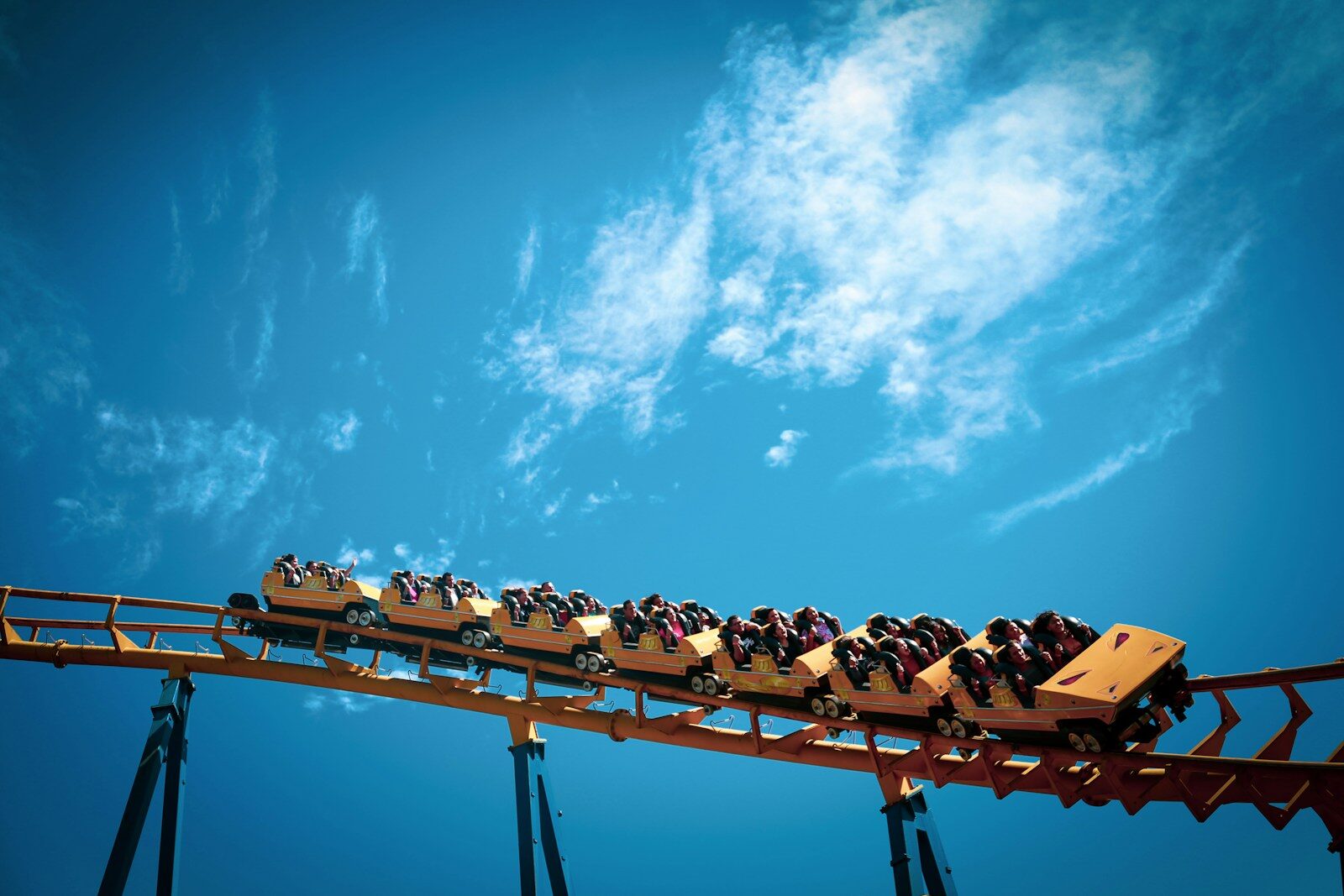
When guests step into a theme park, they see dazzling colors, hear exciting music, and feel the rush of adrenaline as rides launch, drop, and spin. What they do not see is the immense engineering effort that makes every moment of thrill possible. Amusement park engineering is the invisible foundation upon which every roller coaster, Ferris wheel, dark ride, and water slide is built. Without rigorous engineering, the entertainment industry as we know it could not exist. This article explores the multifaceted world of amusement park engineering, the disciplines involved, the safety standards that govern the field, and why engineering excellence is the true backbone of every great attraction.
The Scope of Amusement Park Engineering
Amusement park engineering encompasses far more than designing rides. It includes the structural engineering of support systems, the mechanical engineering of ride vehicles and drive systems, the electrical engineering of control panels and sensor networks, the civil engineering of site infrastructure, and the software engineering of ride control systems. Each discipline must work in harmony to deliver a safe, reliable, and thrilling experience.
Consider a modern roller coaster. Its design begins with a physics-based analysis of forces, speeds, and accelerations. Structural engineers calculate the loads that the track and supports must withstand under dynamic conditions. Mechanical engineers design the wheel assemblies, braking systems, and launch mechanisms. Electrical engineers create the sensor arrays that monitor train position and speed in real time. Software engineers program the control systems that coordinate every element. All of this falls under the broad umbrella of amusement park engineering.
Structural Engineering in Amusement Parks
Structural engineering is perhaps the most visible discipline within amusement park engineering. Every ride structure, from a small carousel canopy to a massive launched coaster, must be designed to withstand static loads, dynamic loads, wind forces, seismic activity, and fatigue over millions of operating cycles.
Structural engineers use advanced finite element analysis software to model stress distribution across complex geometries. They select materials based on strength-to-weight ratios, corrosion resistance, and fatigue life. Steel is the most common material for ride structures due to its high strength and ductility, though aluminum, concrete, and composite materials also play important roles depending on the application.
Foundation design is another critical aspect. The forces generated by a spinning ride or a dropping tower are transferred through the structure into the ground. Engineers must analyze soil conditions and design foundations that prevent settlement, tilting, or failure over the ride’s operational lifetime.
Mechanical Engineering and Ride Dynamics
Mechanical engineering within amusement park engineering focuses on the moving parts of rides. This includes drive systems, gearboxes, hydraulic actuators, pneumatic systems, chain lifts, linear induction motors, and braking mechanisms. Each component must be designed for reliability, as a single mechanical failure can result in ride downtime, guest inconvenience, or worse.
Ride dynamics is a specialized area that studies how forces affect both the ride structure and the riders themselves. Engineers calculate g-forces at every point along a ride path to ensure they remain within safe limits. Positive g-forces push riders into their seats, while negative g-forces create the sensation of weightlessness. Both must be carefully controlled to prevent injury while maximizing thrill.
Electrical and Control Systems Engineering
Modern rides are governed by sophisticated electrical and control systems. Amusement park engineering in this domain involves designing power distribution networks, programmable logic controllers, sensor arrays, communication buses, and emergency shutdown systems.
Safety is paramount in control system design. Redundant sensors continuously monitor ride position, speed, restraint status, and structural integrity. If any parameter falls outside acceptable limits, the control system initiates a safe stop sequence. These systems are designed with multiple layers of redundancy so that no single point of failure can compromise guest safety.
Civil Engineering and Site Infrastructure
While rides attract the most attention, the surrounding infrastructure is equally important. Civil engineers working in amusement park engineering design roadways, parking facilities, drainage systems, water supply networks, sewage treatment systems, and utility corridors. They also address grading, erosion control, and stormwater management to protect the site and surrounding environment.
Accessibility is another key consideration. Civil engineers ensure that pathways meet accessibility standards, that emergency vehicles can reach all areas of the park, and that evacuation routes are clearly defined and unobstructed.
Safety Standards and Regulatory Compliance
The amusement industry operates under strict safety standards developed by organizations such as ASTM International, the European Committee for Standardization, and national regulatory bodies. Amusement park engineering must comply with these standards at every stage, from initial design through fabrication, installation, testing, and ongoing operation.
Third-party inspections play a vital role. Independent engineers review design calculations, witness load testing, and verify that constructed rides match approved specifications. This system of checks and balances ensures that no single entity has unchecked authority over safety-critical decisions.
Innovation in Amusement Park Engineering
The field of amusement park engineering is constantly evolving. Magnetic launch systems have replaced traditional chain lifts on many modern coasters, enabling faster acceleration and more dynamic ride profiles. Virtual reality integration requires precise synchronization between ride motion and visual content, pushing the boundaries of real-time tracking technology. Sustainable engineering practices, such as regenerative braking systems that feed energy back into the park’s power grid, are becoming more common.
As guest expectations continue to rise, amusement park engineering will remain at the forefront of innovation, delivering experiences that are safer, more thrilling, and more sustainable than ever before. The next time you feel the rush of a coaster launch or the gentle rotation of a Ferris wheel, remember that behind every moment of joy lies a team of engineers who made it possible.




