
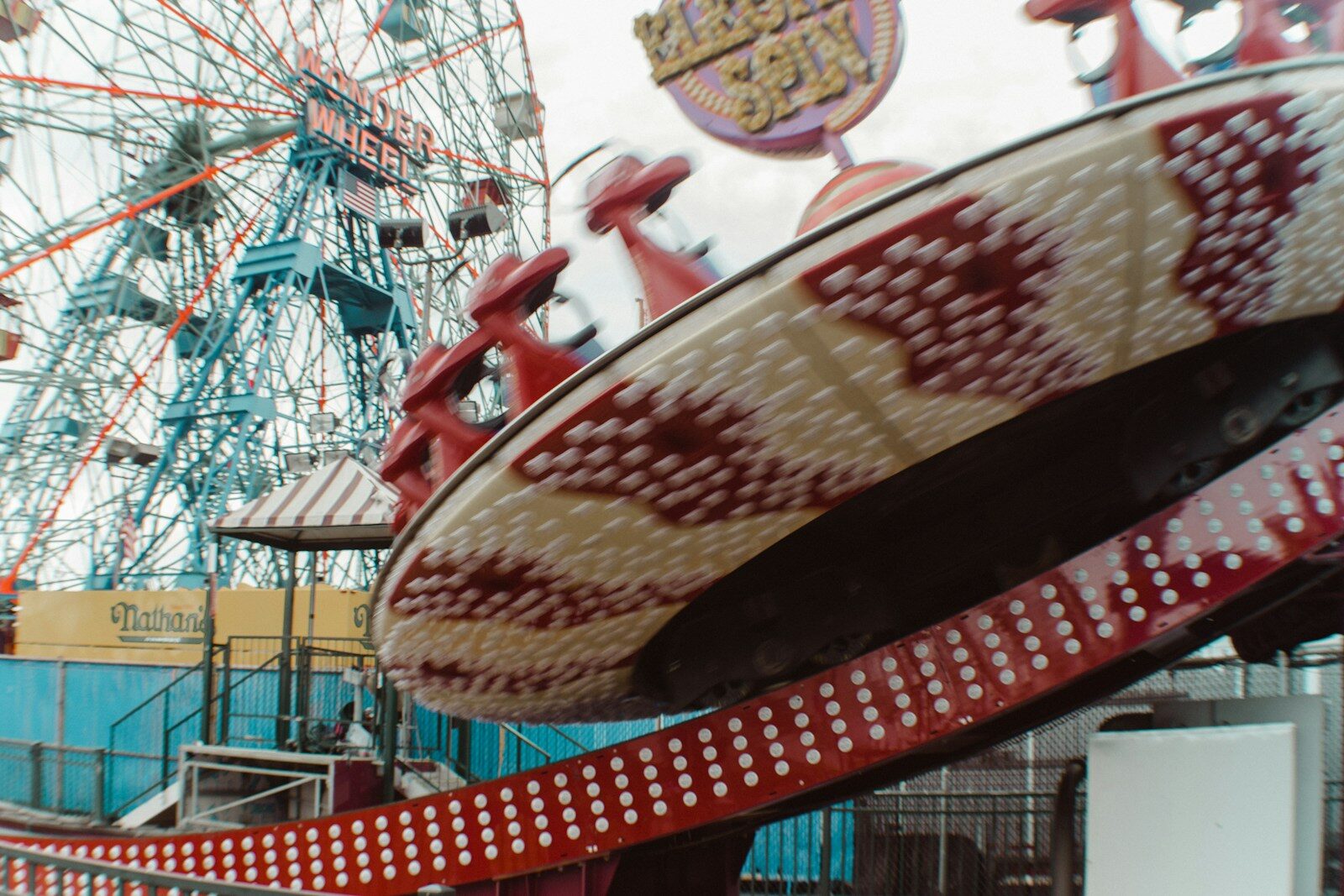
A theme park ride is one of the most complex products in the entertainment industry. It combines structural engineering, mechanical systems, guest experience design, theming, safety controls, operational workflow, and long-term maintenance into a single integrated attraction. Because of this complexity, operators rarely develop rides in isolation. They rely on theme park ride design companies to translate a creative vision into a safe, buildable, operable, and memorable experience.
Choosing the right design partner is one of the most consequential decisions in any theme park development. The company an operator selects will influence not only the visual identity of an attraction but also its safety performance, construction feasibility, maintenance cost, guest throughput, and long-term adaptability. A strong partnership can elevate a project. A poorly matched one can create delays, cost overruns, safety concerns, and guest experience problems that last for years.
This guide provides a practical framework for evaluating theme park ride design companies, understanding what they do, what to look for, and how to build a selection process that reduces risk and supports long-term project success.
What Theme Park Ride Design Companies Actually Do
The term “ride design company” can mean different things depending on the project. Some firms focus primarily on creative concept design, while others provide full engineering, manufacturing, installation, and commissioning services. Some specialize in thrill rides, dark rides, family attractions, or interactive experiences. Others focus on theming, show integration, media systems, or guest flow planning.
A useful way to understand the scope of theme park ride design companies is to look at the stages they may cover.
Concept development includes guest experience vision, ride type selection, thematic direction, capacity planning, and preliminary layout ideas.
Experience design covers ride narrative, scene sequencing, guest journey, queue experience, lighting, sound, media integration, and emotional pacing.
Engineering design includes structural engineering, mechanical systems, ride vehicle design, track or guidance systems, control systems, electrical design, and safety system integration.
Theming and scenic design involves visual storytelling, set design, props, facades, color palettes, materials, and environmental immersion.
Manufacturing and fabrication may include ride vehicles, track sections, show elements, control panels, special effects, and themed components.
Installation and commissioning covers on-site assembly, system testing, safety verification, operator training, and handover documentation.
Lifecycle support includes spare parts, maintenance guidance, software updates, modifications, inspections, and future experience refreshes.
Not every company provides every service. Operators should clarify early which services are included, which are subcontracted, and where coordination responsibilities lie.
Match the Company to the Project Type
Different theme park ride design companies are suited to different project types. A company that excels at high-capacity family dark rides may not be the best fit for a compact children’s play attraction. A firm known for large-scale thrill coasters may not offer the same strength in intimate interactive walkthrough experiences.
Operators should consider the following project dimensions when evaluating potential partners.
Scale and complexity matter significantly. A small indoor attraction requires different design discipline than a large outdoor themed coaster with multiple show buildings, media systems, and special effects.
Guest demographic shapes design priorities. A children’s ride needs gentle motion, clear sightlines, accessible loading, and strong safety margins. A thrill attraction needs intensity management, restraint systems, queue comfort, and throughput planning.
Indoor versus outdoor affects structural design, weather protection, climate control, lighting strategy, and maintenance planning.
Cultural and regional context influences thematic direction, storytelling approach, guest expectations, and operational norms.
Budget and timeline determine whether a fully custom experience is realistic or whether a proven ride platform with customized theming is more appropriate.
The strongest evaluations begin with a clear project brief before approaching theme park ride design companies.
Evaluate Creative and Experience Design Capability
A theme park ride is ultimately an experience product. Engineering quality is essential, but creative capability determines whether guests feel excited, immersed, surprised, or emotionally connected.
When reviewing theme park ride design companies, operators should look at more than technical drawings. They should evaluate the company’s ability to create a coherent guest journey.
Key creative questions include:
- Does the company understand storytelling and pacing?
- Can it design a clear emotional arc from queue to exit?
- Does the theming feel integrated with the ride experience, or does it appear decorative?
- Can the company balance visual spectacle with operational practicality?
- Does it consider accessibility, comfort, and guest flow?
- Can it adapt creative ideas to different budgets and site conditions?
- Does it use visualizations, renderings, mockups, or prototypes to communicate ideas clearly?
A company with strong creative capability will not simply present attractive images. It will explain why each design decision supports the guest experience, operational efficiency, safety, and long-term maintainability.
Assess Engineering and Technical Capability
Creative vision must be supported by rigorous engineering. Theme park ride design companies should demonstrate clear technical competence across multiple disciplines.
Structural engineering ensures that rides, supports, platforms, and themed elements can safely carry expected loads over time.
Mechanical engineering covers ride vehicles, motion systems, restraints, drive systems, braking systems, and moving scenic elements.
Control systems engineering includes ride control logic, safety interlocks, sensors, emergency stop systems, and monitoring interfaces.
Electrical engineering addresses power distribution, wiring, lighting, communication systems, and compatibility with site infrastructure.
Safety system integration ensures that mechanical, electrical, and operational safeguards work together reliably.
Operators should ask for evidence of engineering rigor, not just marketing claims. Useful documentation may include design calculations, safety analysis summaries, control system descriptions, testing protocols, and third-party review records.
A company that cannot clearly explain its engineering process, safety methodology, or quality control procedures should be treated with caution.
Safety Compliance Should Be Verifiable
Safety is the most important non-negotiable factor when selecting theme park ride design companies. Every ride must comply with applicable safety standards in the jurisdiction where it will operate.
Operators should verify that the company can demonstrate compliance through documentation, not only through verbal assurance.
Important safety evaluation points include:
- Design standards applied during development
- Restraint and passenger safety systems
- Emergency stop and evacuation procedures
- Sensor and interlock logic
- Structural load analysis
- Electrical safety and grounding
- Fire safety considerations for indoor attractions
- Maintenance access and inspection points
- Operator training materials
- Third-party inspection or certification history
Safety should not be treated as a final approval step. It should be visible throughout the design process, from early concept decisions to final commissioning.
Review Manufacturing Quality and Supply Chain Control
If the theme park ride design companies under consideration also manufacture ride components, operators should evaluate their production capabilities carefully.
Manufacturing quality affects durability, appearance, safety, maintenance cost, and guest perception. Poor fabrication can lead to premature wear, alignment problems, water intrusion, corrosion, finish degradation, or control system failures.
Operators should ask:
- Does the company manufacture in-house or subcontract production?
- What quality control processes are used?
- Can it provide material certifications?
- How does it track components and ensure traceability?
- What inspection procedures are used before shipping?
- How does it handle defects, replacements, or field modifications?
- Can it support long-term spare parts supply?
A company with strong manufacturing discipline will usually have clear documentation, consistent processes, and transparent communication about limitations or lead times.
Check Installation and Commissioning Experience
Designing a ride and installing it successfully are different challenges. Theme park ride design companies should demonstrate experience managing the transition from factory to finished attraction.
Installation involves site preparation, foundation coordination, structural assembly, electrical connections, control system integration, theming installation, lighting adjustment, testing, and operator training. Poor coordination during this phase can create delays, rework, safety risks, and guest experience compromises.
Operators should evaluate:
- Whether the company provides on-site supervision
- How installation documentation is prepared
- Whether commissioning procedures are clearly defined
- How testing and safety verification are conducted
- Whether operator training is included
- How handover documentation is organized
- Whether the company coordinates with other contractors
A company that treats installation as an afterthought is a significant project risk.
Evaluate Technical Support and Long-Term Service
The relationship with theme park ride design companies does not end at opening day. Rides require ongoing maintenance, periodic inspections, spare parts, software updates, staff training refreshers, and occasional experience modifications.
Operators should ask:
- How quickly can technical support respond?
- Are spare parts available for the expected life of the ride?
- Does the company provide maintenance manuals and troubleshooting guides?
- Can it support remote diagnostics or on-site service?
- Does it offer training for new operators?
- Can it help with future upgrades or retheming?
- What is its track record with existing clients?
Long-term service capability is especially important for complex rides with proprietary control systems, custom vehicles, or specialized themed components.
Look at Portfolio Relevance, Not Just Scale
A large portfolio does not automatically mean the right fit. Operators should evaluate whether theme park ride design companies have completed projects that resemble their own in scale, audience, climate, budget, operational model, and creative ambition.
Useful portfolio questions include:
- Has the company delivered attractions for similar guest demographics?
- Does it have experience in comparable climates or site conditions?
- Has it worked on projects with similar capacity or throughput requirements?
- Can it show both creative design and operational performance?
- Are there completed projects that can be visited or referenced?
- Does the company have experience with similar regulatory environments?
A company with several mid-scale projects similar to yours may be more valuable than a company whose portfolio consists mainly of much larger or very different attractions.
Conduct Reference Checks
Marketing materials show what theme park ride design companies want operators to see. References reveal how they actually perform.
Operators should contact existing clients and ask specific questions:
- Did the project open on schedule?
- Were there unexpected cost increases?
- How responsive was the company during installation?
- How reliable has the ride been in daily operation?
- How quickly does the company respond to technical issues?
- Are spare parts available when needed?
- Would the client work with the company again?
- Were safety, training, and documentation adequate?
Reference checks should not be treated as a formality. They are one of the most reliable ways to separate strong partners from those who present well but underperform in practice.
Clarify Coordination Responsibilities
Theme park rides rarely exist in isolation. They must connect with buildings, queues, guest flow, operations, maintenance access, fire safety, power supply, control rooms, theming, lighting, sound, and sometimes media or special effects.
When multiple theme park ride design companies, contractors, or suppliers are involved, coordination becomes critical. Operators should clarify:
- Who is responsible for interface design
- Who manages installation sequencing
- Who coordinates utility connections
- Who handles commissioning between systems
- Who is responsible for resolving conflicts between disciplines
- How changes are documented and approved
Unclear coordination responsibilities are a common source of delays, disputes, and performance problems.
Compare Proposals Using a Consistent Framework
When comparing theme park ride design companies, operators should avoid judging proposals only by price or visual appeal. A structured evaluation framework produces better decisions.
A useful comparison structure includes:
- Scope of services included
- Design concept strength
- Engineering documentation quality
- Safety compliance evidence
- Manufacturing and quality control approach
- Installation and commissioning plan
- Training and handover deliverables
- Spare parts and maintenance support
- Project schedule realism
- Total cost, including installation, commissioning, training, and lifecycle support
- Contract clarity and warranty terms
- Reference feedback
- Financial stability and long-term service capacity
Price should be evaluated in the context of total project value, not as a standalone number. A lower initial price may become more expensive if it excludes installation support, training, documentation, spare parts, or commissioning services.
Build a Partnership, Not Just a Purchase
The best theme park ride design companies act as long-term partners rather than one-time vendors. They ask detailed questions about operations, maintenance, guest flow, safety culture, and future expansion. They help operators avoid costly mistakes early, when changes are still inexpensive.
Operators should look for partners who demonstrate:
- Willingness to understand the project context
- Transparency about risks and limitations
- Clear communication during design development
- Strong documentation habits
- Respect for safety and operational realities
- Flexibility without compromising quality
- Commitment to post-opening support
A ride may be designed once, but it must operate safely and effectively for many years. The company behind it should be prepared for that long relationship.
Final Thoughts
Selecting theme park ride design companies is not simply a procurement task. It is a strategic decision that affects guest experience, operational performance, safety, maintenance cost, and the long-term identity of a theme park.
Operators who evaluate creative capability, engineering rigor, safety compliance, manufacturing quality, installation experience, technical support, portfolio relevance, client references, coordination clarity, and total lifecycle value will be better positioned to choose a partner capable of delivering a ride that is safe, memorable, efficient, and sustainable.




