
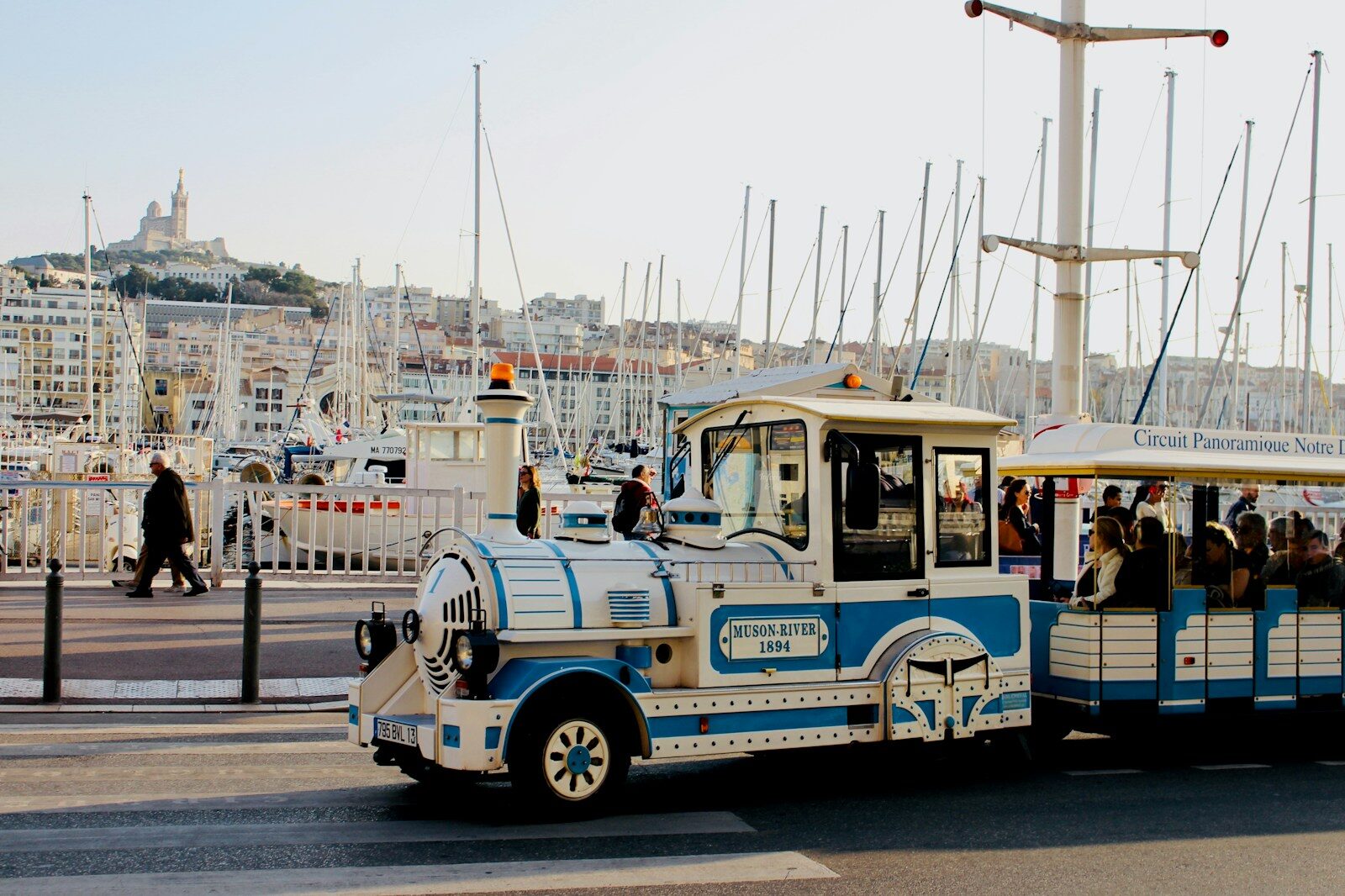
Trackless trains have become one of the most common sight-and-sound attractions in theme parks, shopping malls, tourist resorts, waterfront promenades, cultural streets, and family entertainment venues. Unlike traditional rail trains, trackless trains run on ordinary paved surfaces, which makes them easier to deploy in existing sites without major infrastructure changes. For buyers sourcing from China, the market offers a wide range of options in capacity, power type, styling, and price. However, the breadth of choice also means that careful evaluation is essential.
Sourcing a trackless train from China is not simply a matter of comparing prices or choosing the most visually appealing model. Buyers need to consider vehicle capacity, battery or power system, turning radius, braking performance, safety features, theming options, spare parts availability, export documentation, shipping logistics, and after-sales support. A well-chosen trackless train can become a reliable revenue-generating asset. A poorly chosen one can create safety concerns, maintenance headaches, and guest dissatisfaction.
This guide provides a practical framework for buyers evaluating trackless train China options, from initial product selection to final delivery and ongoing operation.
Understand What a Trackless Train Actually Includes
A trackless train is not just a locomotive pulling decorative carriages. It is a small passenger transport system that must operate safely among pedestrians, vehicles, and changing site conditions.
A complete trackless train system typically includes:
- A powered locomotive or lead vehicle
- One or more passenger carriages
- A coupling or connection system between vehicles
- A steering and braking system
- A power source, usually battery or electric
- A charging system
- Safety lighting, horns, and warning signals
- Seating, handrails, and passenger restraints where required
- A control interface for the driver
- Optional theming, canopies, music systems, or decorative elements
Buyers should confirm exactly what is included in the supplier’s quotation. Some suppliers quote the locomotive only, while others include carriages, charging equipment, spare parts, and operator training. Missing items can create unexpected costs after delivery.
Choose the Right Product Type for Your Site
Trackless trains are used in very different environments, and the right product depends heavily on the operating site.
Indoor trackless trains are common in shopping malls, indoor entertainment centers, and exhibition spaces. They usually need compact dimensions, quiet operation, smooth turning, soft interior finishes, and low-speed safety controls.
Outdoor trackless trains are common in theme parks, resorts, scenic areas, and commercial streets. They usually need weather-resistant bodies, UV-resistant finishes, stronger suspension, better ground clearance, and reliable braking on slopes or wet surfaces.
Tourist-style trackless trains often emphasize visual appeal, themed carriages, open-air seating, and sightseeing comfort. They are suitable for waterfront areas, cultural districts, and resort routes.
Children’s trackless trains usually prioritize lower speeds, enclosed or semi-enclosed seating, bright colors, music, and simple route design.
Buyers should match the product type to the site before narrowing down suppliers. A train designed for a flat indoor mall may not be suitable for an outdoor resort route with slopes, turns, rain, or heavy pedestrian traffic.
Check Capacity, Size, and Route Compatibility
Capacity and physical size are among the most important technical factors. A trackless train that is too small may not generate enough revenue. A train that is too large may be difficult to operate on narrow routes or tight corners.
Buyers should evaluate:
- Number of passengers per carriage
- Number of carriages included
- Overall train length
- Turning radius
- Minimum road or pathway width
- Maximum slope the train can handle
- Ground clearance
- Charging location and space requirements
- Parking or storage requirements
- Driver visibility and control position
If possible, buyers should provide the supplier with a simple site map or route description. This allows the supplier to confirm whether the proposed train can operate safely on the intended path, especially around corners, intersections, ramps, and pedestrian crossing points.
Evaluate Battery and Power System
Most modern trackless trains use electric battery power. The battery system directly affects operating time, charging frequency, service life, and daily operating cost.
Buyers should ask suppliers for clear information on:
- Battery type
- Battery capacity
- Charging time
- Operating time per full charge
- Battery replacement cost
- Charger specifications
- Voltage and power requirements
- Performance in hot or cold weather
- Safety protections such as overcharge, overheat, and short-circuit prevention
Battery performance claims should be treated carefully. Real-world operating time depends on passenger load, route slope, stop-and-go frequency, air temperature, and auxiliary systems such as lights and music. Buyers should ask whether the quoted operating time is based on full load, empty load, or mixed conditions.
Prioritize Safety Features
Safety is the most important factor when purchasing any passenger-carrying vehicle. A trackless train may look simple, but it must stop reliably, turn safely, protect passengers, and respond correctly to driver input.
Essential safety features include:
- Reliable service brakes
- Parking brake
- Emergency stop function
- Speed limitation
- Horn or audible warning
- Front and rear lighting
- Turn signals or indicator lights
- Passenger handrails
- Safe boarding and alighting design
- Clear driver visibility
- Overload protection where applicable
- Stable coupling between locomotive and carriages
Buyers should ask suppliers to explain how each safety function works and whether it is tested before delivery. Suppliers who cannot clearly describe their safety systems should be treated with caution.
Verify Compliance and Export Documentation
Compliance requirements depend on the destination country, local regulations, and the intended operating environment. Some markets treat trackless trains as amusement equipment, while others classify them as low-speed electric vehicles or site-specific transport units.
Buyers should confirm with their local authorities which standards apply before placing an order. Useful documentation to request from suppliers includes:
- CE marking or other applicable conformity documents
- Test reports
- Product specifications
- Battery and charger certificates
- Safety inspection records
- Export packing lists
- Commercial invoices
- Certificates of origin
- Operation and maintenance manuals
- Spare parts lists
Buyers should not assume that a supplier’s standard export documents automatically meet the requirements of their own country. Import classification, safety certification, and registration rules vary significantly by market.
Evaluate Supplier Capability, Not Just Price
When searching for trackless train China suppliers, price is easy to compare. Supplier capability is harder to evaluate but often more important.
A reliable supplier should be able to provide:
- Clear product specifications
- Real project photos or videos
- Factory production capability
- Quality control procedures
- Pre-shipment inspection evidence
- Customization options
- Spare parts availability
- Installation or commissioning guidance
- Operator training materials
- After-sales technical support
Buyers should be cautious if a supplier only provides heavily edited marketing images, avoids technical questions, or cannot explain the difference between product models. A trustworthy supplier should be willing to discuss limitations, lead times, and technical details openly.
Check Customization Options Carefully
One advantage of sourcing from China is the flexibility to customize trackless trains for specific project needs. Customization can include body color, themed decoration, seating layout, canopy design, lighting, music system, branding, and carriage configuration.
However, customization should not compromise safety or structural integrity. Buyers should ask:
- Which parts can be customized
- Whether customization affects warranty
- Whether modified designs have been tested
- How custom changes affect delivery time
- Whether custom parts are easy to replace later
- Whether the supplier keeps records of custom specifications
A supplier that agrees to every customization request without technical review may not be managing risk properly. Good customization means adapting the product to the project while maintaining safe and reliable performance.
Confirm Quality Control Before Shipment
Quality control should not be left until the train arrives at the port. Buyers should establish inspection expectations before production begins.
A practical quality control process includes:
- Written product specifications
- Confirmation of battery, motor, and charger models
- Structural and welding inspection
- Electrical system testing
- Brake and steering function testing
- Lighting and horn testing
- Carriage coupling inspection
- Paint and finish inspection
- Charging system verification
- Pre-shipment video or photo report
- Third-party inspection if the order value justifies it
Buyers should request a pre-shipment inspection report and confirm that the delivered product matches the approved specifications. Small differences in color, seating, battery model, or control layout can become significant issues after delivery.
Plan Shipping, Import, and Delivery
International shipping adds another layer of complexity. Trackless trains are large, heavy, and sometimes require special packing to prevent damage during transit.
Buyers should confirm:
- Packing method
- Container type and size
- Loading and unloading requirements
- Shipping terms such as FOB, CIF, or DDP
- Estimated production and shipping time
- Import duties and taxes
- Local customs clearance requirements
- Port-to-site transportation
- Unloading equipment needed on site
- Storage conditions before installation
Shipping delays can affect project opening schedules, so buyers should build realistic time buffers into their planning. It is also important to confirm who is responsible for each stage of delivery, especially if the supplier is not handling full door-to-door logistics.
Prepare for After-Sales Support
After-sales support is one of the most important but most frequently underestimated factors in sourcing trackless train China products. Once the train is operating, the buyer will need spare parts, maintenance guidance, troubleshooting support, and possibly operator training refreshers.
Before purchasing, buyers should ask:
- Which spare parts are recommended for initial purchase
- How long spare parts remain available
- Whether the supplier provides wiring diagrams and maintenance manuals
- Whether remote technical support is available
- Whether replacement batteries or motors can be ordered later
- What the warranty covers and excludes
- How warranty claims are handled internationally
- Whether the supplier can provide video guidance for common repairs
A low purchase price may become expensive if spare parts are unavailable, technical documentation is incomplete, or the supplier cannot respond to operational questions.
Avoid Common Sourcing Mistakes
Several mistakes appear repeatedly when buyers source trackless trains internationally.
- Choosing a train based only on appearance
- Comparing prices without comparing specifications
- Assuming all electric trains have similar battery performance
- Ignoring turning radius and route width
- Failing to confirm braking performance on slopes
- Not checking import and compliance requirements
- Skipping pre-shipment inspection
- Underestimating spare parts needs
- Assuming warranty coverage is the same across suppliers
- Expecting after-sales support without confirming it in writing
Avoiding these mistakes does not require complex expertise. It mainly requires asking the right questions early and confirming answers in writing.
Build a Clear Comparison Framework
When comparing multiple trackless train China suppliers, buyers should use a consistent evaluation framework rather than making decisions based on marketing materials alone.
A useful comparison table should include:
- Locomotive and carriage specifications
- Passenger capacity
- Battery type and operating time
- Charging time and method
- Maximum speed
- Braking system
- Turning radius
- Safety features
- Customization options
- Warranty terms
- Spare parts availability
- Export documentation
- Production lead time
- Shipping terms
- After-sales support quality
- Total landed cost, not just factory price
Total landed cost should include product price, customization fees, spare parts, shipping, insurance, import duties, local transport, unloading, and any required compliance testing.
Final Thoughts
Sourcing a trackless train from China can offer strong value, flexible customization, and a wide range of product options. However, the final decision should not be based on price or appearance alone.
Buyers who evaluate product type, route compatibility, battery performance, safety features, compliance documentation, supplier capability, quality control, shipping logistics, spare parts, and after-sales support will be much better positioned to select a trackless train that is safe, reliable, and suitable for long-term operation.




