
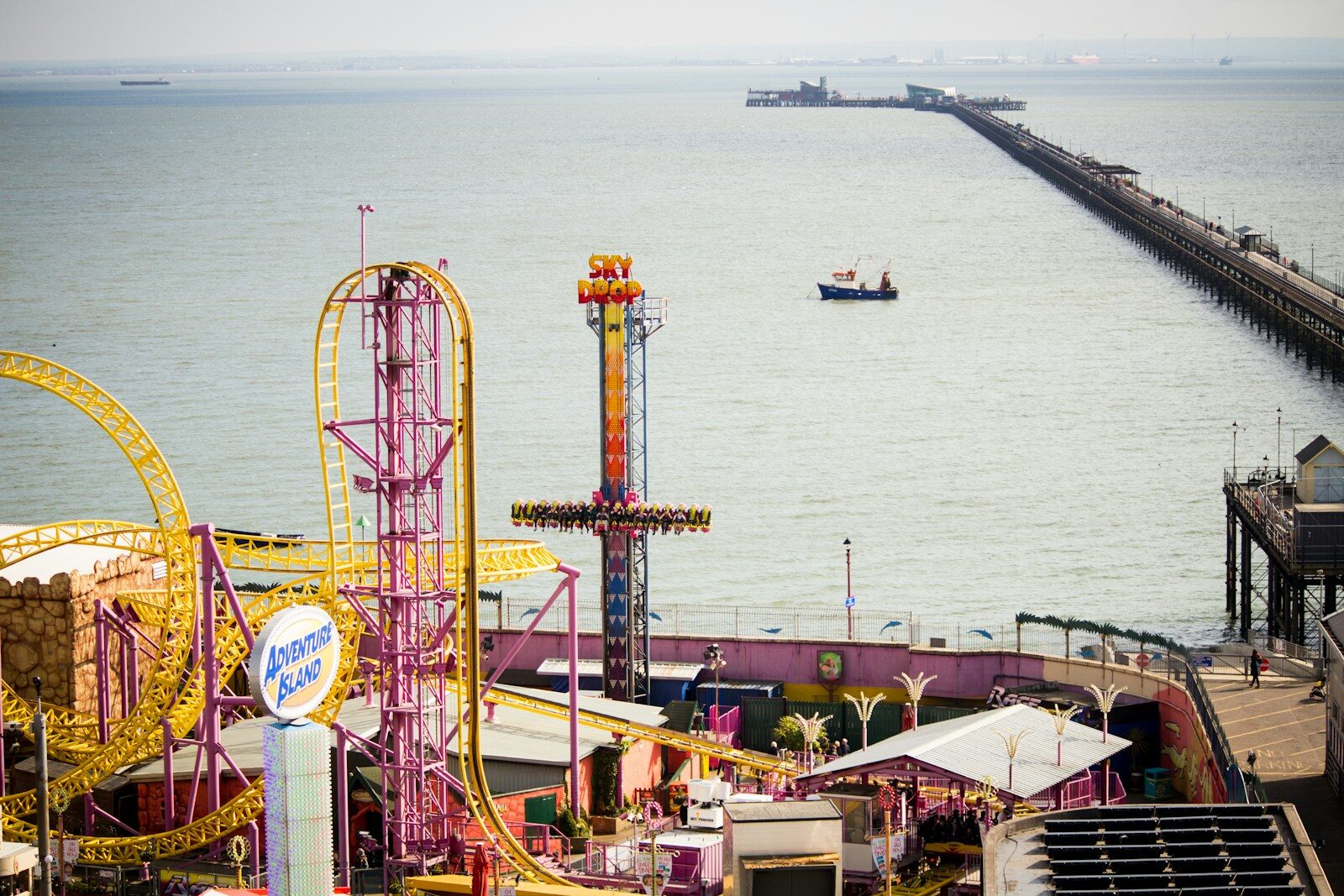
Water park rides have evolved from simple slides and splash pools into a diverse ecosystem of engineered attractions that serve as the primary draw for millions of guests worldwide. A well-designed water park ride does more than move water and carry riders from one point to another. It creates a memorable emotional experience — a moment of exhilaration, surprise, shared joy, or family bonding — that guests remember long after they leave and use as the reason to return.
For operators, understanding what makes water park rides successful requires looking at the intersection of ride engineering, guest psychology, operational efficiency, and strategic positioning within the broader park environment. The most effective water park rides are not simply the tallest or fastest. They are attractions that deliver consistent, repeatable experiences while meeting safety standards, managing throughput demands, and fitting within the operational and financial realities of the facility.
The Role of Water Park Rides in Guest Experience
Guests visit water parks seeking experiences they cannot replicate at home or in a conventional swimming pool. Water park rides fulfill this desire by offering controlled encounters with speed, height, gravity, water, and surprise. The emotional impact of these experiences creates the memories that drive word-of-mouth marketing, social media sharing, and repeat visitation.
The most successful water park rides create what experience designers call “peak moments” — brief, intense episodes of positive emotion that disproportionately influence how guests remember their entire visit. A dramatic drop on a near-vertical slide, the surprise of a bowl element that swings riders in multiple directions, or the shared laughter of a family rafting ride all function as peak moments that guests recall and discuss long after their visit.
Understanding this psychological dimension helps operators make strategic decisions about which water park rides to install, how to position them within the park layout, and how to design queue areas, sight lines, and guest flow patterns that maximize the emotional impact of each attraction.
Major Categories of Water Park Rides
The water park rides category encompasses a wide range of attraction types, each serving different guest segments and experience objectives.
Thrill Slides target guests seeking high-intensity experiences. This category includes near-vertical drop slides, AquaLoop-style launches, high-speed bowl slides, and multi-element slides that combine drops, turns, and inversions. Thrill-oriented water park rides typically serve as signature attractions that generate media attention and attract destination visitors. They require height and weight restrictions, more intensive staffing, and careful attention to dispatch timing to maintain safe throughput.
Family Rides accommodate groups of guests riding together, typically on multi-person rafts or tubes. Family rafting slides, wide-channel lazy river adventures, and interactive play structures all fall within this category. Family-oriented water park rides prioritize shared experience and accessibility over extreme intensity, making them suitable for guests of varying ages and comfort levels. These rides often achieve the highest overall guest satisfaction because they create shared memories that strengthen family bonds.
Children’s Rides are designed specifically for younger guests. Small slides, splash pads, interactive spray features, shallow wading areas with gentle water movement, and scaled-down play structures all serve this demographic. Children’s water park rides must meet heightened safety standards due to the vulnerability of their intended users. They also serve an important strategic function by giving families a reason to visit and stay longer, since parents will not leave an attraction their children are enjoying.
Wave Pools function as both ride and open-water recreation area. Wave pool rides generate controlled wave patterns that allow guests to body surf, float, or play in conditions that simulate ocean environments. The wave generation system is the defining feature, and its performance characteristics determine the quality of the guest experience. Wave pools serve as high-capacity attractions that accommodate large numbers of guests simultaneously, making them effective crowd management tools during peak attendance periods.
Lazy Rivers provide gentle, continuous current that carries guests along a defined channel. While less intense than thrill slides, lazy river rides offer extended play value and serve as social spaces where guests relax and interact. Modern lazy river installations may incorporate themed elements, gentle rapids sections, or interactive features that add variety to the experience without significantly increasing intensity.
Interactive Rides incorporate elements that give guests some degree of control or participation in their experience. Racing slides with multiple lanes create competitive experiences. Slides with branching paths allow riders to choose their route. Technology-enhanced rides may incorporate timing systems, scoring features, or responsive elements that react to rider position or speed. Interactive water park rides create engagement beyond passive riding, encouraging guests to return and try different approaches.
Experience Design Principles
The physical mechanics of a water park ride determine whether it functions safely and effectively. The experience design determines whether guests love it, talk about it, and return to ride it again.
Anticipation and reveal shape the guest’s emotional journey before they even enter the ride. The visual prominence of a tall water park ride creates awareness from across the park. Queue areas that provide views of riders experiencing the attraction build excitement through observation. The moment of commitment — when a guest steps onto the launch platform or enters the slide entrance — should feel like a meaningful transition from anticipation to action.
Pacing and rhythm within the ride experience prevent monotony and maintain engagement throughout the duration. A well-designed water park ride varies its intensity, incorporating moments of acceleration, deceleration, surprise, and relief. A slide that maintains constant speed and uniform geometry becomes predictable and less exciting over repeated rides. Variations in channel geometry, water flow, lighting, and sound create dynamic experiences that feel fresh each time.
Social experience matters enormously in water park rides. Guests often visit in groups — families, friends, couples — and the rides they choose become shared experiences that strengthen social bonds. Multi-person rides, racing formats, and attractions with visible spectator areas all enhance the social dimension. Operators should consider how each water park ride facilitates or limits social interaction when making selection decisions.
The exit moment shapes the rider’s final impression and influences their decision to ride again. A dramatic splash into a pool, a visible finish line, or a transition into an exciting environment all contribute to a positive conclusion. The path from the exit back to the queue should be convenient and inviting, minimizing friction in the decision to ride again.
Throughput and Operational Efficiency
A water park ride that guests love but cannot access due to excessive wait times creates frustration rather than satisfaction. Throughput capacity — the number of guests a ride can process per hour — is a critical operational metric that directly affects guest satisfaction and revenue potential.
Several factors influence water park rides throughput. Multi-lane racing slides process multiple riders simultaneously. Multi-person rafts and tubes carry several guests per dispatch. Efficient dispatch systems minimize the time between rider launches while maintaining safe spacing. Queue design that manages guest flow smoothly reduces perceived wait times even when actual wait times are substantial.
Operators should match water park rides capacity to expected demand. An undersized ride creates bottlenecks that frustrate guests and limit revenue. An oversized ride may operate below capacity during non-peak periods, representing an inefficient capital investment. Understanding attendance patterns, peak periods, and guest distribution across the park helps operators right-size their water park rides investments.
Safety Considerations
Safety is the foundation upon which all water park rides must be designed, installed, and operated. The consequences of safety failure in an environment where guests travel at speed on wet surfaces at significant heights are severe, and the industry has developed comprehensive safety frameworks to address these risks.
Rider eligibility requirements including height, weight, age, and health restrictions must be clearly communicated and consistently enforced. These requirements exist because water park rides generate forces that can be dangerous for guests outside specified parameters.
Restraint and positioning systems must keep riders safely positioned throughout the ride experience. While many water park rides rely on channel geometry and water flow rather than mechanical restraints, the design must ensure that riders cannot assume unsafe positions during transit.
Supervision and monitoring by trained staff ensures that guests follow safety rules, that dispatch timing remains appropriate, and that any异常情况 receives immediate attention. Staff training programs should cover normal operations, emergency procedures, guest communication, and incident reporting.
Water quality management directly affects guest health. Water park rides that recirculate water must maintain proper filtration, chemical treatment, and flow rates to prevent waterborne illness. Regular water quality testing and documentation demonstrate compliance with health regulations and protect guest wellbeing.
Strategic Placement Within the Park
Where water park rides are located within the park layout significantly affects their effectiveness as attendance drivers and guest satisfaction generators.
Visibility from key guest locations creates awareness and builds desire. A tall water park ride visible from the park entrance, main thoroughfares, and dining areas serves as a constant reminder of the experiences available, encouraging guests to prioritize visiting that attraction.
Guest flow management requires distributing attractions throughout the park to prevent overcrowding in any single area. Placing high-capacity water park rides in different zones helps distribute attendance evenly and reduces congestion at any single point.
Adjacency relationships between attractions affect how guests move through the park. Placing family-oriented water park rides near children’s areas creates natural circuits for families. Positioning thrill rides near food service areas allows guests to combine dining with ride visits efficiently.
Expansion flexibility should be considered during initial park planning. Leaving space for future water park rides additions allows operators to refresh the guest experience over time without requiring complete park redesign.
Selecting Water Park Rides for Your Facility
Choosing the right water park rides for a specific facility requires evaluating multiple factors in the context of the park’s overall strategy.
Target market alignment ensures that selected rides appeal to the park’s primary guest demographics. A family-oriented park should prioritize water park rides that accommodate groups and offer moderate intensity. A thrill-focused park should invest in signature attractions that generate media attention and attract destination visitors.
Budget reality requires evaluating total cost of ownership, not just purchase price. Capital costs, operating costs, maintenance costs, staffing requirements, insurance implications, and lifecycle replacement costs all factor into the true investment required.
Operational capacity must align with available staff, maintenance capabilities, and management expertise. Complex water park rides require more intensive staffing and maintenance than simpler attractions. Operators should select rides that match their operational capabilities.
Manufacturer partnership affects long-term success. Suppliers who provide responsive technical support, maintain parts availability, offer comprehensive training, and stand behind their products with meaningful warranties help operators maintain safe, efficient, and profitable operations.
Final Thoughts
Water park rides are the attractions that define a water park’s identity, drive guest attendance, create memorable experiences, and generate the word-of-mouth marketing that sustains long-term success. The most effective water park rides combine sound engineering, thoughtful experience design, operational efficiency, and strategic positioning to deliver experiences that guests love, remember, and return to enjoy again.
For operators, investing in water park rides is investing in the core product of the business. Making informed decisions about which rides to install, how to position them, and how to operate them safely and efficiently creates the foundation for a facility that serves guests well and generates sustainable returns over decades of operation.




