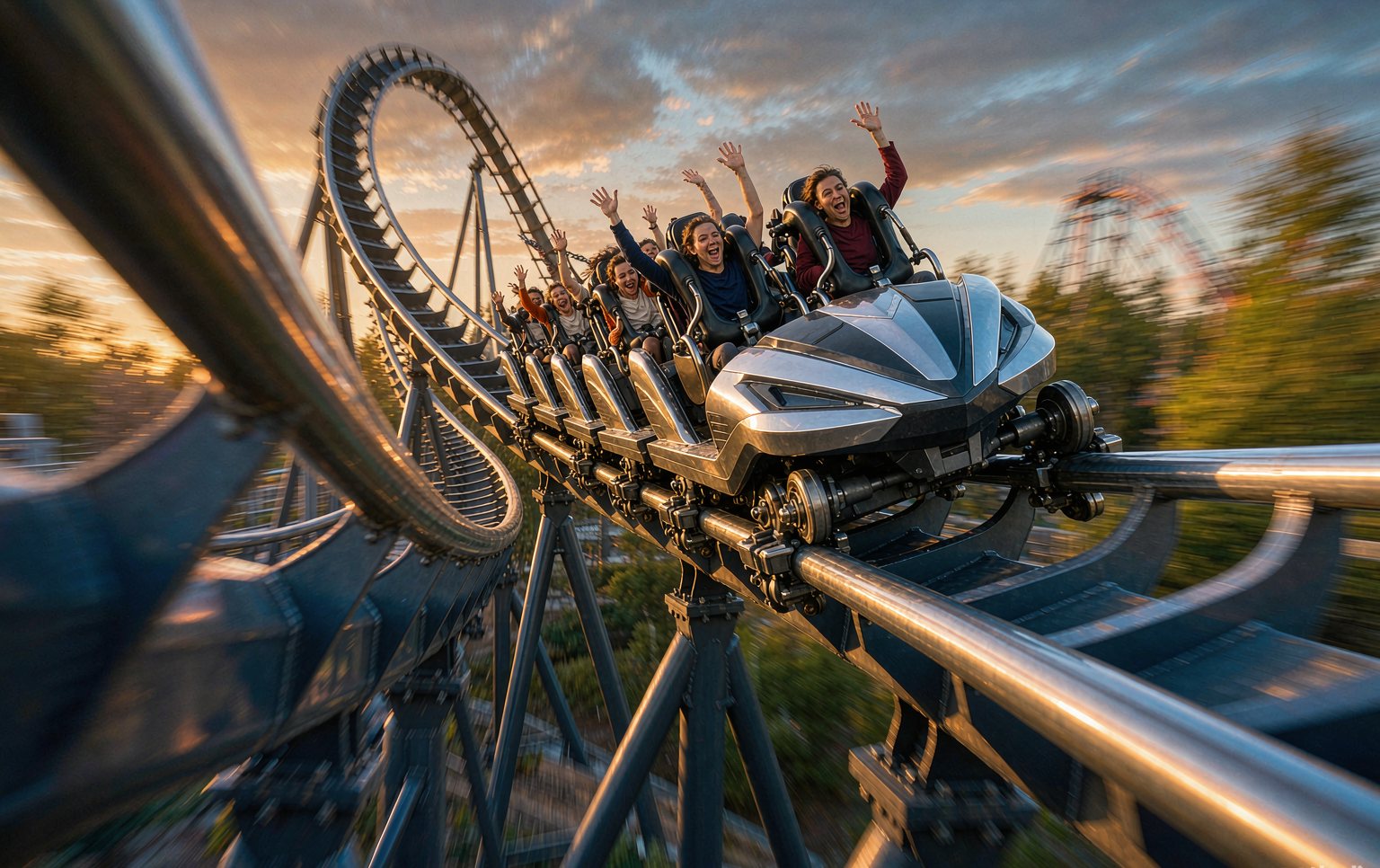
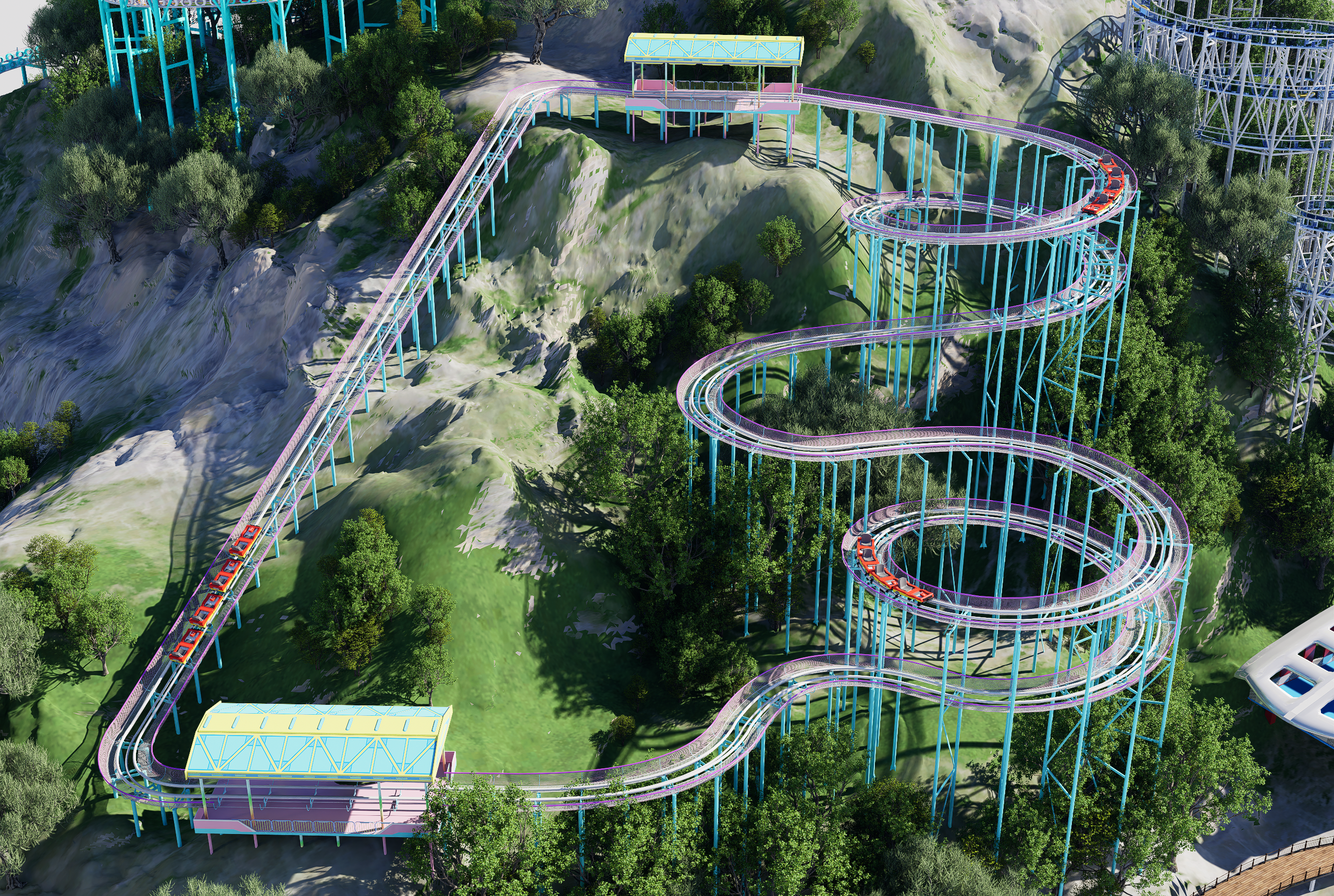
Mountain coaster manufacturers play a central role in creating one of the most recognizable outdoor attractions in modern leisure environments. A mountain coaster combines speed, scenery, controlled descent, and guest interaction. Visitors can often influence their pace within safe limits, which makes the experience feel personal and engaging.
Choosing a mountain coaster is not simply about selecting a ride. It involves evaluating the manufacturer’s engineering approach, safety systems, track design, maintenance support, site planning experience, and ability to integrate the attraction into a natural or themed landscape. A well-chosen mountain coaster can become a signature attraction. A poorly planned one can create operational, safety, or environmental challenges.
Understanding the Mountain Coaster Experience
A mountain coaster is different from a traditional roller coaster. It usually follows a natural slope or prepared hillside, using gravity and controlled braking to guide riders downhill. The experience often feels more connected to the landscape than an enclosed thrill ride.
Riders may enjoy forest views, mountain scenery, coastal slopes, or themed environments. The attraction can feel adventurous without requiring extreme forces. This makes mountain coasters suitable for family-oriented parks, resorts, ski areas, hilltop attractions, and outdoor entertainment destinations.
The appeal lies in the combination of movement, scenery, and control. Riders may adjust speed within a safe range, creating a sense of participation. That interactive element helps the attraction appeal to a wide audience, from children with adult supervision to teenagers and adults seeking outdoor thrills.
Safety Systems and Engineering Standards
Safety must be the first consideration when evaluating mountain coaster manufacturers. A mountain coaster operates on slopes, often in outdoor environments exposed to weather, temperature changes, wind, and seasonal variation. The engineering must account for these conditions.
Important safety considerations include braking systems, speed control, vehicle restraints, track structure, emergency stops, evacuation routes, load limits, and inspection access. Manufacturers should provide clear technical documentation, maintenance schedules, operator training, and spare parts support.
Operators should not rely only on marketing materials. They should ask how the system handles wet conditions, high winds, heavy use, emergency stops, and guest behavior. A reliable manufacturer will explain safety logic clearly and provide evidence of testing, certification, inspection procedures, and ongoing support.
Track Design and Site Integration
Track design is one of the most important parts of a mountain coaster project. The track must follow the natural terrain while maintaining safe speeds, smooth transitions, and comfortable rider experience. A good design works with the landscape instead of forcing it into an unnatural shape.
Manufacturers should assess slope, elevation change, soil conditions, drainage, vegetation, weather exposure, and guest access. The route should include gentle curves, controlled descents, scenic moments, and safe braking zones. Sharp or uncomfortable transitions can reduce rider confidence even if the attraction is technically safe.
Site integration also affects theming. A mountain coaster can feel more immersive when it passes through forests, rock features, themed tunnels, scenic viewpoints, or landscaped areas. The entrance, queue, loading area, and exit should feel connected to the surrounding environment. A well-integrated mountain coaster becomes part of the destination, not just an addition to it.
Capacity, Guest Flow, and Operational Planning
A mountain coaster must be planned around guest flow. The loading area, dispatch system, braking zones, unloading area, and return path all affect how many guests can experience the attraction per hour. If the system is too slow, queues may grow. If the layout is confusing, guests may feel frustrated.
Capacity planning should consider peak days, seasonal demand, family groups, and repeat riders. Some mountain coasters allow single or double riders, which affects throughput. Operators should also plan for guests who want a slower experience and guests who want a faster ride within safe limits.
Queue design matters as much as track design. Shade, seating, clear information, themed elements, and visible progress indicators help waiting guests feel more comfortable. A mountain coaster with strong capacity but poor queue experience may still create dissatisfaction.
Maintenance, Durability, and Weather Resistance
Outdoor attractions face constant exposure to sun, rain, wind, dust, temperature changes, and heavy use. Mountain coaster manufacturers should design systems that are durable and easy to maintain. Corrosion resistance, protective coatings, drainage planning, and accessible inspection points all affect long-term performance.
Maintenance should not be an afterthought. Operators need clear schedules for track inspection, vehicle checks, brake testing, restraint inspection, electrical systems, lighting, signage, and structural connections. Spare parts availability is also important. If a critical component is difficult to replace, downtime can increase quickly.
Visible maintenance builds guest confidence. Clean tracks, well-kept vehicles, organized service areas, and attentive staff signal that the attraction is managed professionally. Guests may not understand the technical details, but they notice whether the environment feels cared for.
Theming and Visitor Experience
A mountain coaster can become much more than a scenic descent. Theming can turn it into a storytelling attraction. A forest adventure theme, mining theme, alpine theme, jungle theme, or fantasy theme can give riders a sense of journey.
Theming elements may include entrance gates, queue scenery, sound effects, lighting, tunnel decorations, themed vehicles, signage, and exit areas. Even small details can strengthen the experience. A themed tunnel, for example, can transform a functional section of track into a memorable moment.
However, theming should not interfere with safety or maintenance. Decorative elements must not