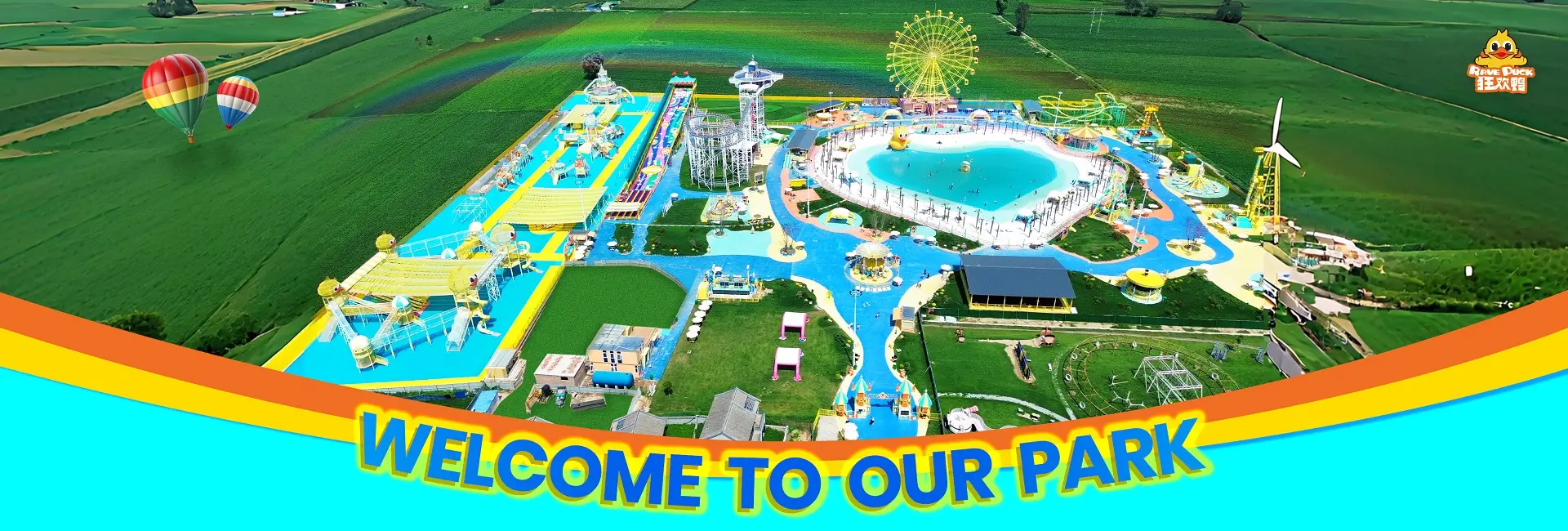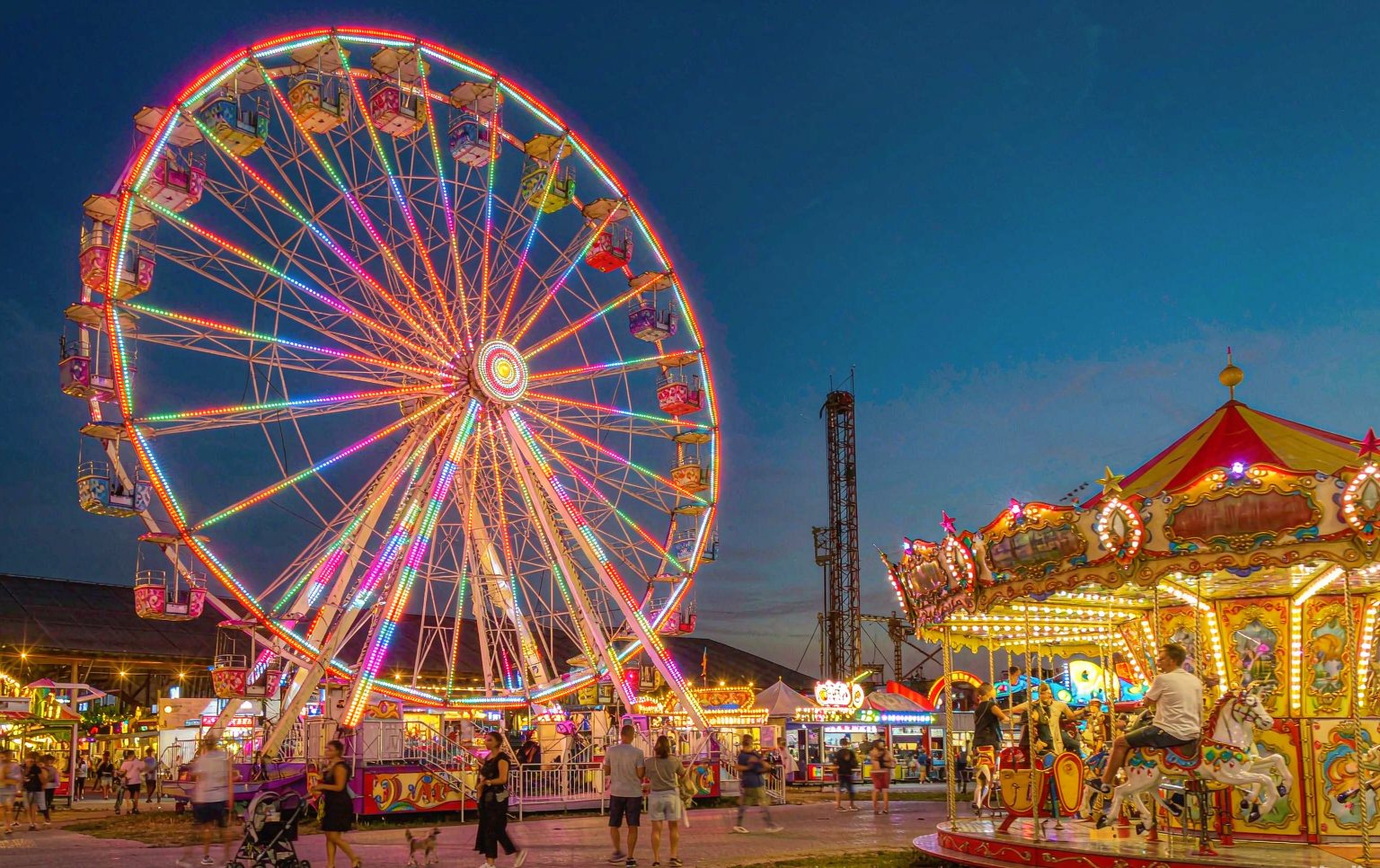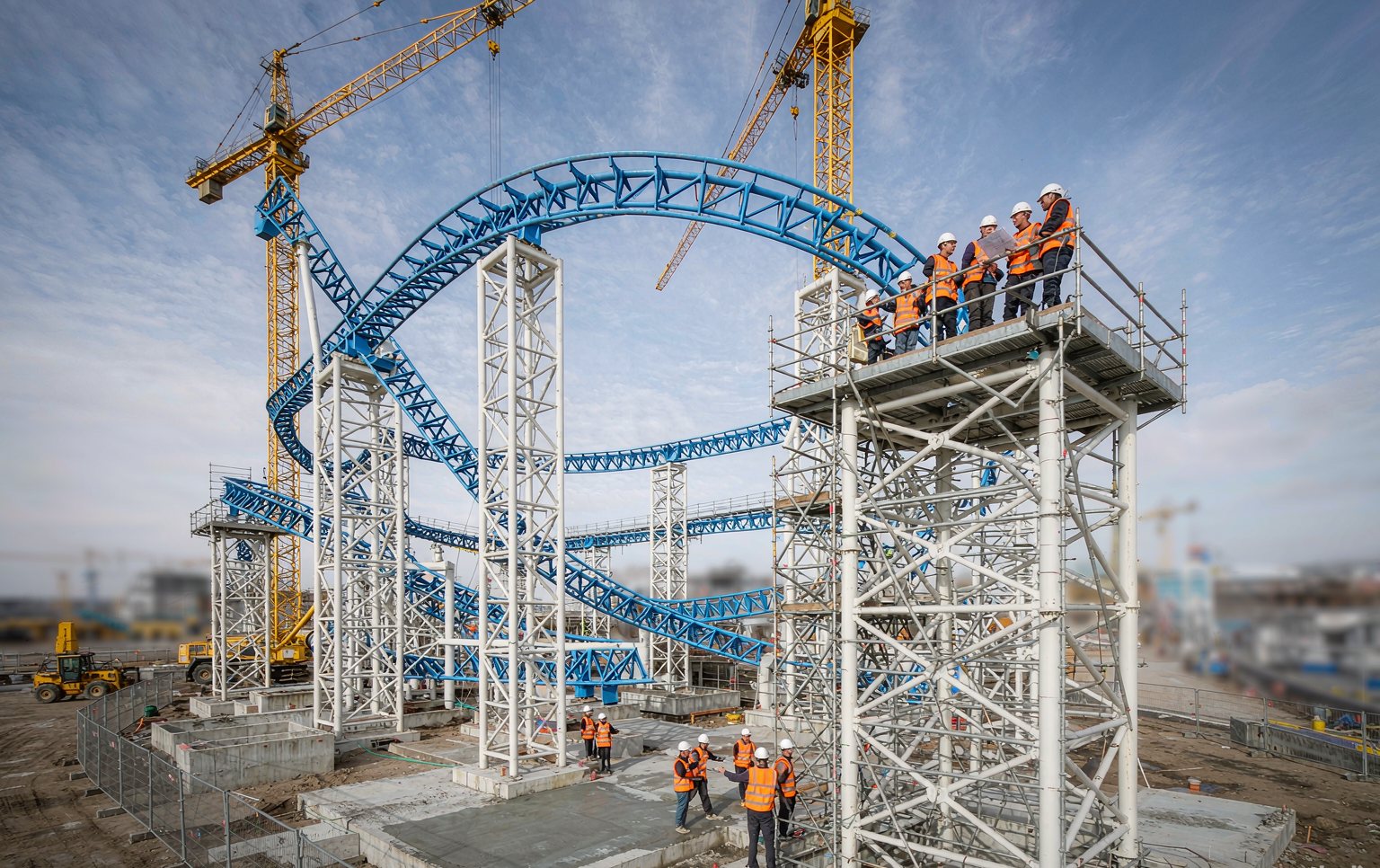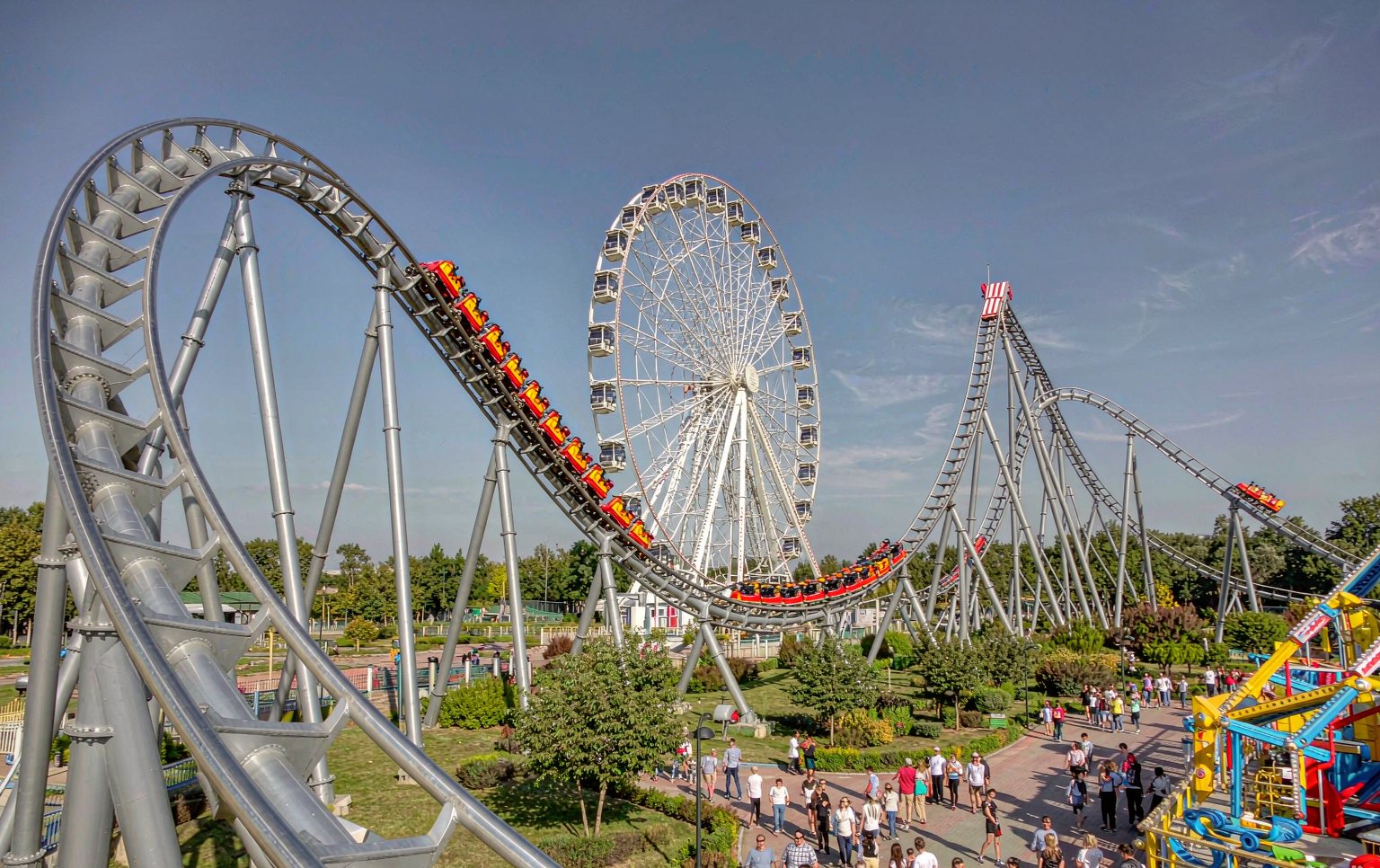
A family entertainment park succeeds when every member of the family finds something meaningful to enjoy. Children want play, movement, color, and discovery. Teenagers want excitement and social experiences. Parents want safety, comfort, value, and easy navigation. Grandparents may prefer gentler attractions, scenic areas, and accessible services. A strong family entertainment park does not force visitors into one type of experience. It creates a balanced environment where different ages, interests, and energy levels can coexist.
The modern family entertainment park is not just a collection of rides. It is a carefully planned leisure environment. Every attraction, pathway, service counter, rest area, and sign should support the same goal: making family visits feel easy, safe, enjoyable, and memorable. When that balance is achieved, the park becomes more than a day out. It becomes a place families return to across seasons and years.
Building the Right Mix of Attractions
Attraction mix is one of the most important decisions in family entertainment park planning. If a park focuses only on thrill rides, younger children and older visitors may feel excluded. If it offers only gentle attractions, teenagers and adventure-seeking guests may lose interest. The best parks create layers of experience.
A typical family entertainment park may include:
- Gentle rides for young children
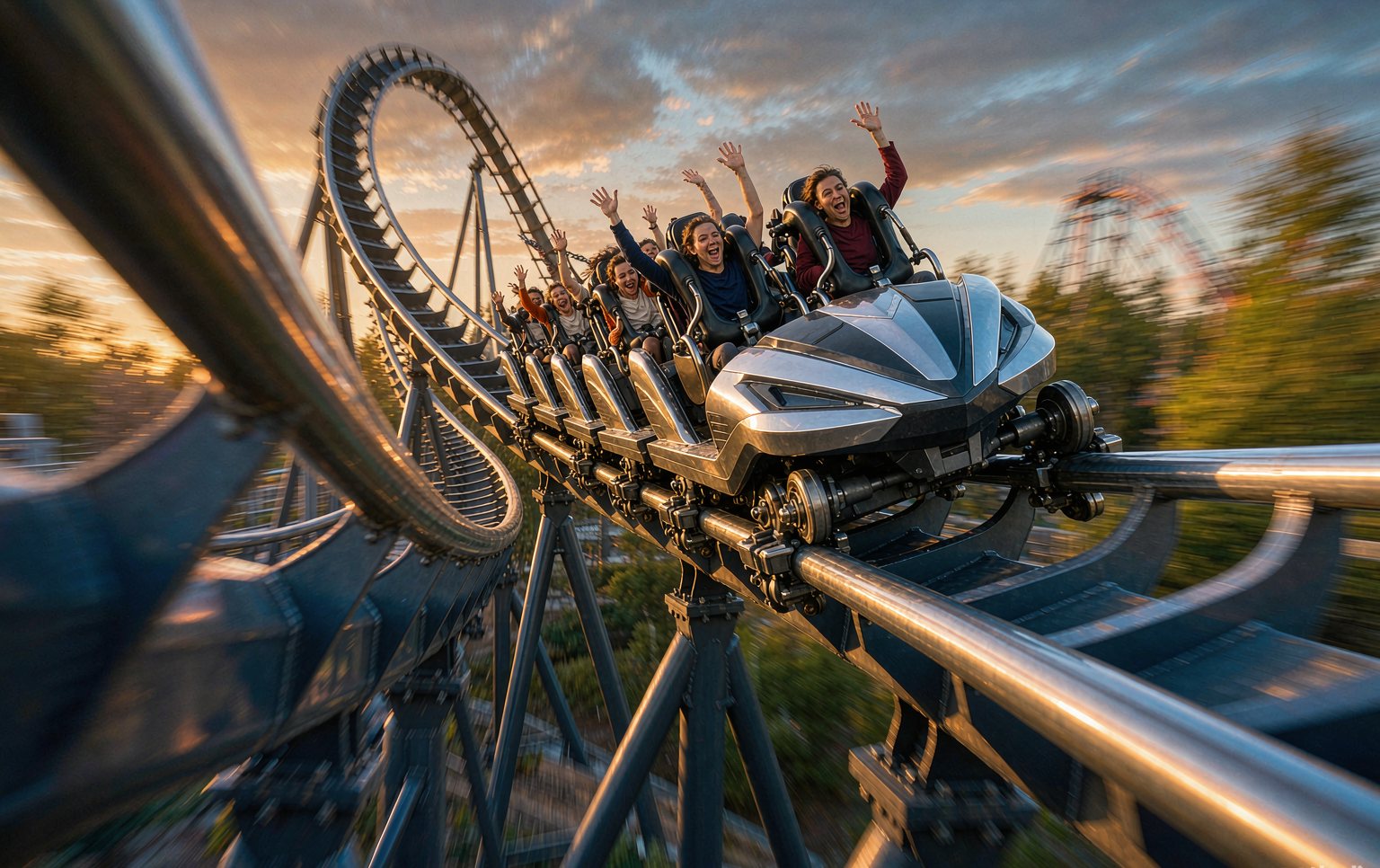
- Family coasters suitable for mixed age groups
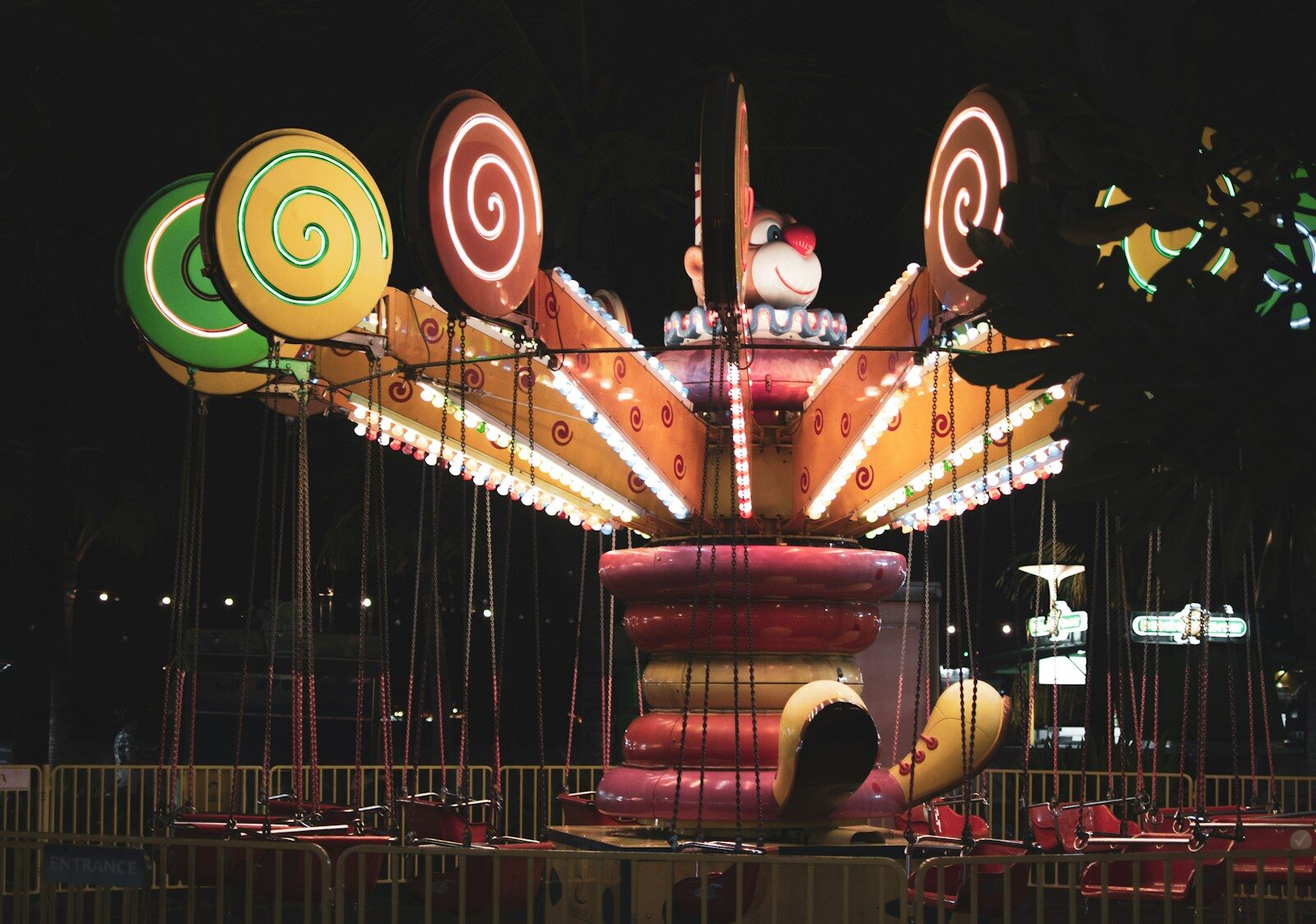
- Swing rides and classic carnival attractions
- Interactive play zones
- Water features or splash areas
- Live entertainment and character experiences
- Food courts and themed dining
- Game areas and skill-based attractions
- Quiet zones for rest and relaxation
This mix allows families to build their own day. One group may start with a pirate ship ride, then move to a family play center, and finish with a scenic ride or live show. Another family may spend most of the day in active attractions, using dining and rest areas as short breaks. Flexibility is essential.
The Importance of Family Play Centers
A family play center plays a special role in modern parks. It gives younger children a safe space to move freely while giving parents a comfortable environment to supervise. These areas often include soft play structures, climbing frames, slides, ball pools, sensory panels, and themed environments.
The design of a family play center should balance fun and safety. Surfaces must be impact-absorbing. Equipment should be age-appropriate. Entry and exit points should be controlled. Sightlines should allow adults to watch children without crowding the play space. Themed design can also improve engagement. A castle, jungle, space station, or pirate ship theme can transform a simple play area into an imaginative destination.
Family play centers also help extend visit length. When young children have a dedicated space, parents can relax nearby instead of rushing to the next ride. This creates a calmer atmosphere and supports longer stays. Longer stays usually lead to higher satisfaction, more food and beverage sales, and stronger emotional connection to the park.
Swing Rides and Accessible Thrills
Swing rides are especially valuable in a family entertainment park because they offer movement, height, and excitement without extreme intensity. They are visually attractive, easy to understand, and appealing to children who are ready for more than a carousel but not yet ready for a large roller coaster.
From an operational perspective, swing rides can also serve as visual landmarks. Their height and motion make them easy to spot from across the park. This helps with navigation and creates natural meeting points. Visitors often use tall rides as reference points when planning their route.
Modern swing rides can also support themed environments. Lighting, music, decorative masts, and themed seating can turn a traditional ride into part of a larger story. In a family entertainment park, this matters because children respond strongly to atmosphere. A ride becomes more memorable when it feels connected to the world around it.
Guest Flow and Visitor Comfort
A family entertainment park must manage people, not just rides. Guest flow affects every part of the visit. Narrow pathways, confusing signs, poorly placed food outlets, and overcrowded entrances can create frustration even in a beautifully designed park.
Good guest flow begins at the entrance. Families should be able to understand where to go, how to buy tickets, where to store belongings, and how to reach restrooms or first aid points. Once inside, pathways should guide visitors naturally toward major attractions, dining areas, and service zones.
Queue design is equally important. Long waits are common in popular parks, but poorly designed queues feel much worse than necessary. Shade, seating, entertainment, clear information, and visual variety can make waiting feel less stressful. Some parks use interactive queue elements, themed scenery, or small performance moments to keep guests engaged.
Safety, Accessibility, and Trust
Safety is the foundation of any family entertainment park. Families will only relax and enjoy themselves if they trust the environment. That trust comes from visible maintenance, trained staff, clear rules, clean facilities, and well-designed attractions.
Accessibility is part of the same conversation. A family entertainment park should consider visitors with mobility needs, sensory sensitivities, and young children. Ramps, wide pathways, accessible restrooms, quiet areas, and clear signage all help create an inclusive environment. When a park makes accessibility part of its core design, it communicates care and professionalism.
Staff training also affects safety. Employees should understand ride procedures, emergency protocols, guest assistance, and child safety concerns. Friendly, confident staff can turn a routine visit into a positive experience. They can also help prevent small problems from becoming larger ones.
Themed Environments and Emotional Connection
Theming is not decoration. It is a tool for emotional connection. A family entertainment park with strong theming feels more immersive, more photographable, and more memorable. Themes help children understand the story of a space, whether it is a pirate harbor, enchanted forest, futuristic city, or coastal carnival.
Theming should be consistent. A pirate-themed zone should not suddenly include unrelated industrial design elements. Colors, materials, music, signage, staff uniforms, food packaging, and ride design should all support the same atmosphere. Consistency makes the environment feel intentional rather than random.
Themed environments also support marketing. Families remember places that feel distinctive. A strong visual identity helps with photography, social sharing, word-of-mouth recommendations, and brand recognition. When visitors post pictures of a colorful pirate ship ride or a magical play center, they are also promoting the park.
Food, Retail, and Service Design
Food and retail are often treated as secondary, but they play a major role in family satisfaction. Hungry children, tired parents, and long visit days make food service essential. The best family entertainment parks offer quick service options, child-friendly menus, allergy information, seating areas, and shaded dining zones.
Retail should also feel connected to the park experience. Generic merchandise feels disconnected. Items that reflect the park’s characters, themes, and attractions create stronger emotional value. A small toy, themed souvenir, or ride-related keepsake can extend the memory of the visit long after guests return home.
Service design includes smaller details that matter greatly. Clear maps, helpful staff, visible restrooms, baby care areas, water fountains, lost child procedures, and easy exit routes all contribute to a positive experience. Families notice these details, especially when children are tired or overwhelmed.
Creating Repeat Visits and Long-Term Value
A successful family entertainment park is not judged only by the first visit. Repeat visits show that the park has built trust, comfort, and emotional value. Families return when they feel the experience is worth the time, money, and effort.
Repeat visitation depends on several factors. The park must maintain clean facilities, reliable rides, friendly service, and fresh entertainment. Seasonal events, new attractions, limited-time shows, and family packages can also encourage return visits. Loyalty programs, birthday packages, school group offerings, and annual passes may further strengthen the relationship between the park and its visitors.
The most successful family entertainment parks understand that they are selling more than rides. They are selling confidence, comfort, joy, and shared family time. When those elements are designed carefully, the park becomes a destination families plan around, talk about, and remember for years.