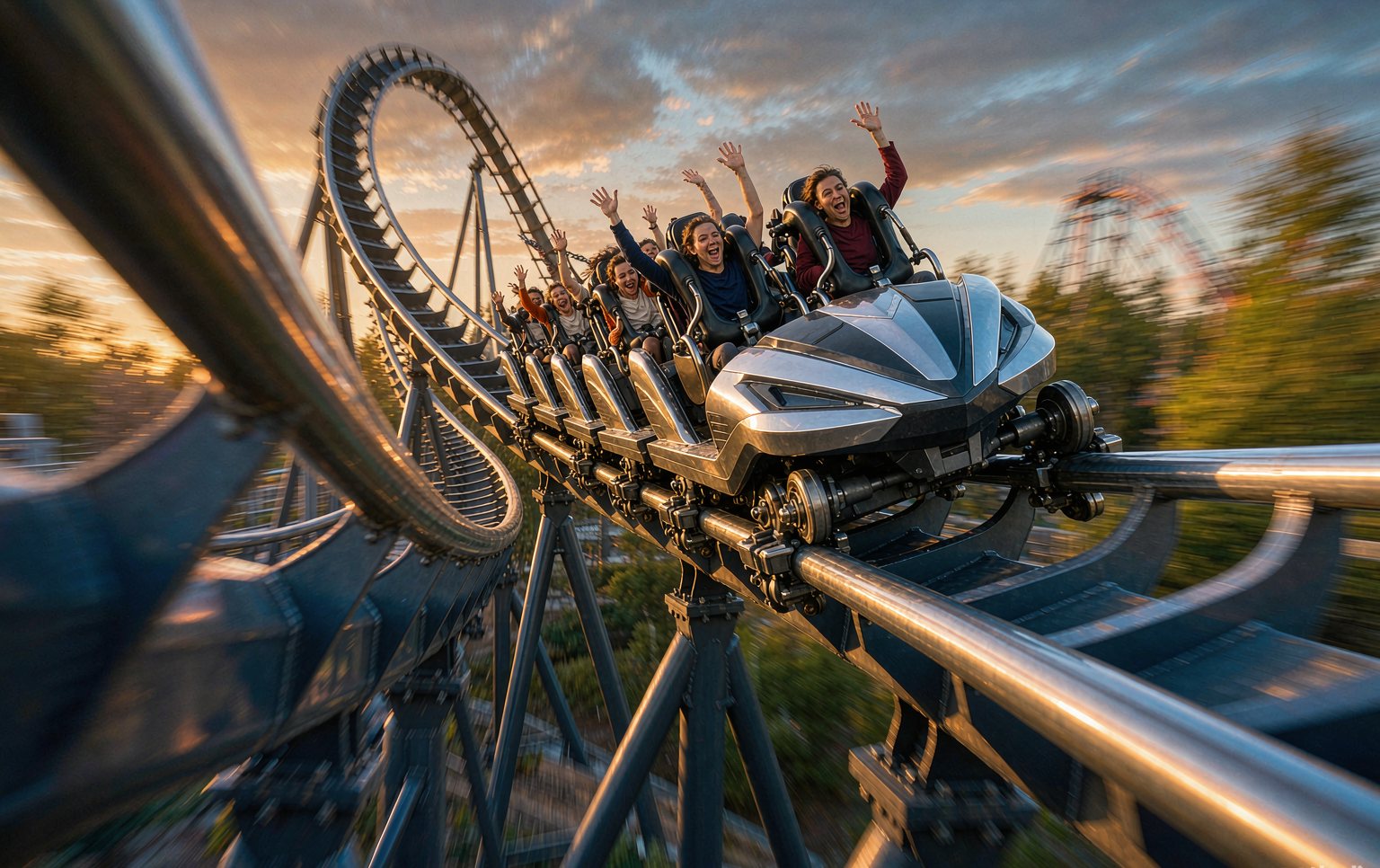

Theme parks represent some of the most ambitious entertainment projects in the world. They combine creative storytelling, complex engineering, large-scale construction, and sophisticated business planning into single destinations that attract millions of guests each year. At the heart of every successful park lies a disciplined theme park development process that transforms a creative vision into a functioning, profitable reality.
For developers, investors, operators, and creative professionals, understanding the full scope of theme park development is essential for making informed decisions, managing risk, and building destinations that deliver lasting value. The development process shapes every aspect of a park, from the initial market analysis through design, construction, opening, and long-term operation.
In this article, we will explore the phases of theme park development, the factors that influence project success, the financial considerations that drive decision-making, and the emerging trends shaping the future of themed entertainment.
The Theme Park Development Process
Successful theme park development follows a structured process that moves from concept to completion through clearly defined phases.
Market Analysis and Feasibility
Every development project begins with understanding the market. Developers analyze demographic data, tourism patterns, competitive offerings, visitor spending behavior, and regional economic conditions. A thorough feasibility study determines whether a proposed park can attract sufficient attendance, generate adequate revenue, and achieve acceptable financial returns.
Concept Development
Once feasibility is established, the creative team defines the park’s identity. This includes the overall theme, target audience, storytelling approach, attraction mix, and guest experience strategy. Strong concepts create emotional connections with guests and differentiate the park from competing destinations.
Master Planning
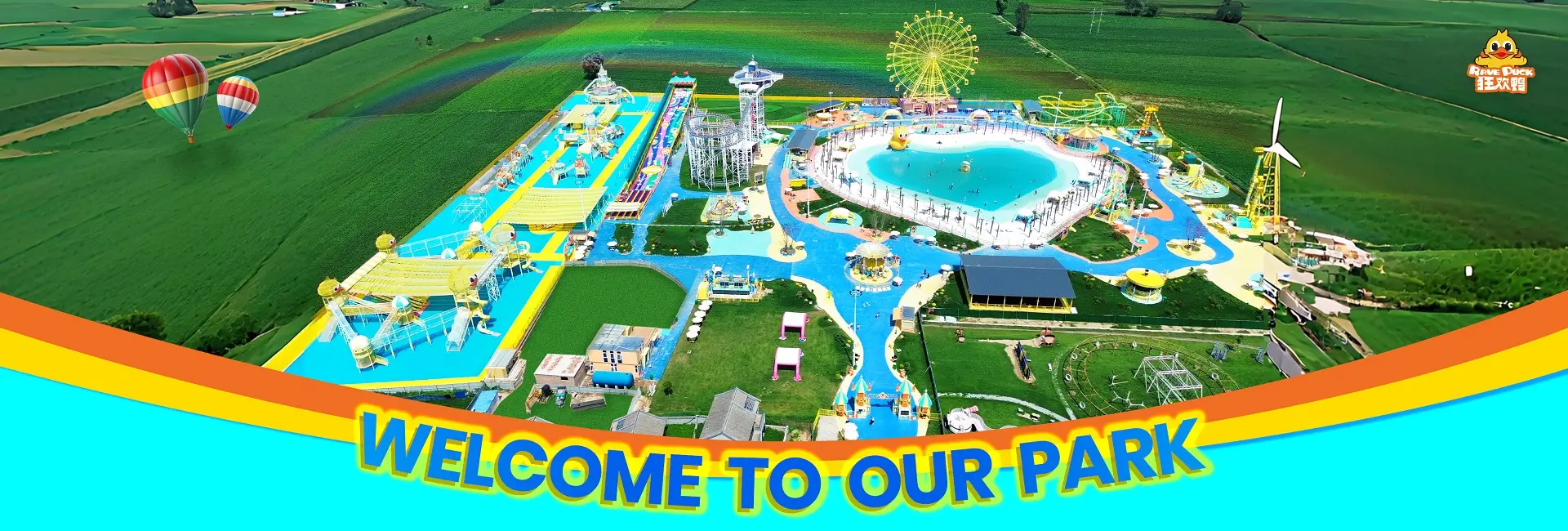
Master planning establishes the physical layout of the park. Designers determine the placement of attractions, themed areas, circulation paths, food and beverage locations, retail spaces, parking facilities, and support infrastructure. A well-designed master plan accommodates guest flow, operational efficiency, and future expansion.
Financial Planning
Financial planning translates the creative vision into economic reality. Developers establish capital budgets, operating projections, revenue forecasts, funding strategies, and return-on-investment models. Theme park development requires careful financial discipline to ensure that creative ambition remains within achievable economic parameters.
Design Development
Design development transforms the master plan into detailed designs for attractions, buildings, landscapes, infrastructure, and guest environments. Architects, engineers, show designers, ride manufacturers, and themed environment specialists work together to create cohesive experiences that meet safety, operational, and creative requirements.
Permitting and Regulatory Approval
Theme parks must comply with a wide range of regulatory requirements. These include building codes, safety standards, environmental regulations, zoning requirements, fire protection standards, and accessibility requirements. Successful developers engage early with regulatory authorities to identify requirements and streamline approval processes.
Procurement and Contracting
Developers select manufacturers, contractors, consultants, and suppliers through competitive procurement processes. Clear contracts, defined scopes of work, and strong project management ensure that all parties understand their responsibilities and deliver on schedule.
Construction and Installation
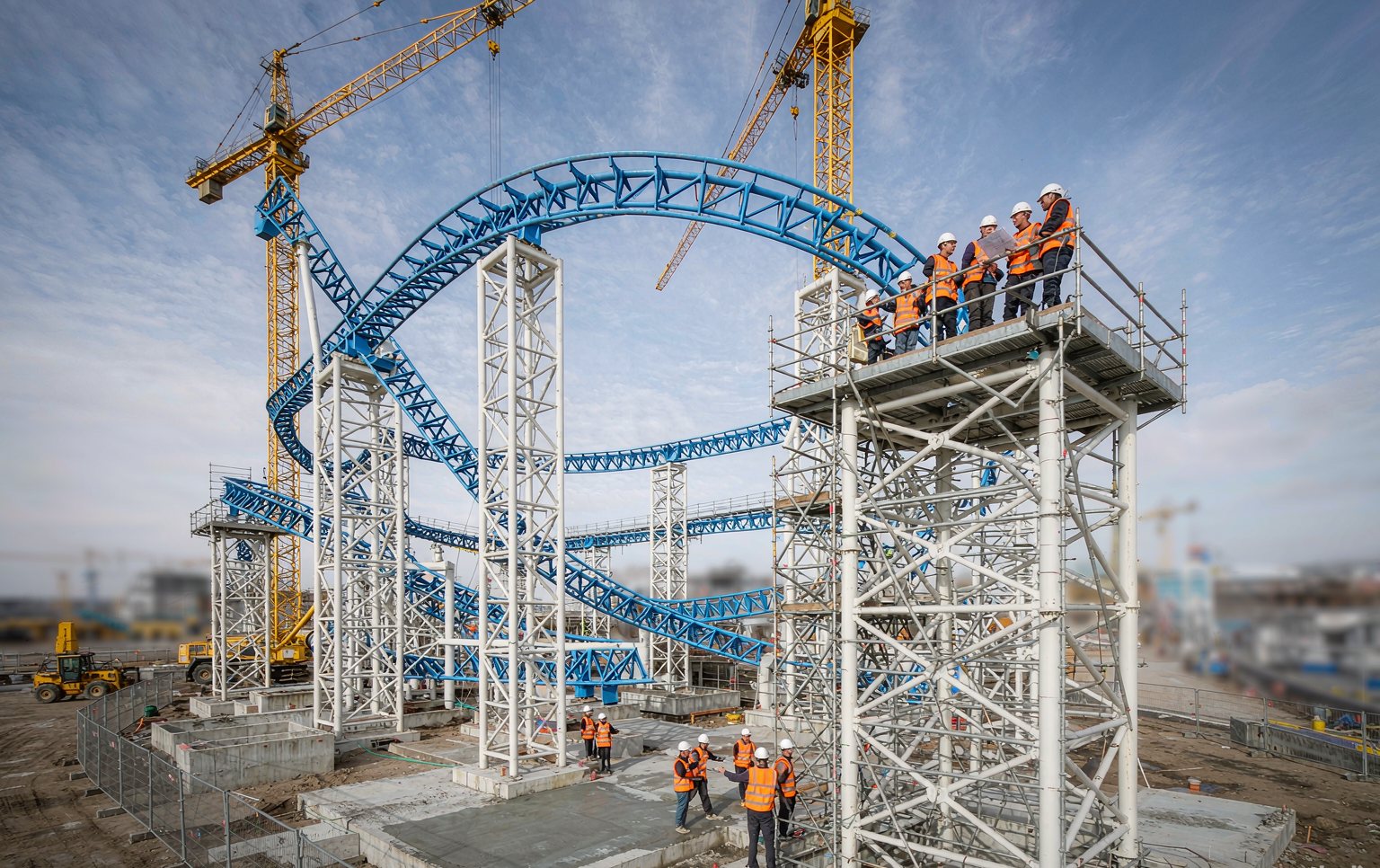
Construction transforms design into physical reality. Specialized contractors build structures, install attractions, create themed environments, integrate technology systems, and complete site work. Quality control, safety management, and schedule coordination are essential during this phase.
Pre-Opening and Commissioning
Before a park opens to the public, every system must be tested. Attractions undergo extensive testing, staff receive comprehensive training, operational procedures are refined, and safety systems are verified. Pre-opening preparation ensures that the park delivers a safe, reliable, and high-quality guest experience from day one.
Opening and Stabilization
The opening of a theme park marks the beginning of a new phase. Initial operations focus on guest feedback, operational refinement, marketing execution, and attendance stabilization. Successful parks continue to improve their guest experience during the first operating seasons.
Key Factors That Influence Theme Park Development
Multiple factors shape the success of a theme park development project.
Location and Market Access
Location determines the addressable market, accessibility for visitors, labor availability, infrastructure requirements, and competitive positioning. Parks located near major population centers, tourism corridors, or transportation hubs often benefit from stronger guest demand.
Target Audience
The target audience drives nearly every development decision. Family-oriented parks prioritize multi-generational experiences, children’s attractions, and comfortable environments. Parks targeting young adults may emphasize high-thrill attractions, nightlife, and high-energy experiences.
Attraction Mix
The combination of attractions determines a park’s ability to serve diverse guest segments, manage capacity, and create compelling reasons for repeat visitation. A balanced attraction mix includes headline experiences, family attractions, children’s experiences, and supporting entertainment.
Creative Differentiation
Parks that offer unique stories, distinctive themes, and memorable experiences build stronger competitive advantages. Creative differentiation helps parks attract attention, justify premium pricing, and generate guest loyalty.
Operational Efficiency
Operational efficiency affects guest satisfaction and financial performance. Efficient circulation, adequate attraction capacity, well-designed queue environments, and reliable ride systems all contribute to positive guest experiences.
Financial Discipline
Theme parks require significant capital investment. Successful theme park development requires realistic budgeting, careful cost management, strong revenue planning, and disciplined financial oversight throughout the project lifecycle.
Financial Considerations in Theme Park Development
Financial planning is central to every theme park development project.
Capital Investment
Capital costs include land acquisition, design fees, attraction procurement, construction, themed environments, infrastructure, technology systems, pre-opening expenses, and contingency reserves. Major attractions and immersive environments often represent the largest capital investments.
Operating Costs
Operating costs include labor, maintenance, utilities, insurance, marketing, supplies, technology support, and ongoing capital reserves. Parks must plan for both predictable operating expenses and unexpected costs that arise during operation.
Revenue Streams
Theme parks generate revenue through admission tickets, season passes, food and beverage sales, merchandise, parking, special events, VIP experiences, and sponsorship opportunities. Successful parks design their guest experience to support multiple revenue streams.
Return on Investment
Investors evaluate theme park development projects based on projected attendance, per-capita spending, operating margins, capital recovery timelines, and long-term asset value. Strong projects balance creative ambition with achievable financial performance.
Funding Strategies
Developers use a variety of funding strategies, including equity investment, debt financing, public-private partnerships, manufacturer financing, phased development, and joint ventures. The right funding structure depends on the project’s scale, location, risk profile, and investor expectations.
The Role of Attractions in Theme Park Development
Attractions are the primary drivers of guest experience and financial performance in theme park development.
Headline Attractions
Headline attractions generate excitement, media coverage, and guest demand. They often serve as the signature experiences that define a park’s identity and attract visitors from broader geographic markets.
Family Attractions
Family attractions serve broad demographic segments and create shared experiences that bring multiple generations together. These attractions are essential for parks targeting family tourism.
Children’s Experiences
Dedicated children’s areas ensure that families with young guests have compelling reasons to visit and return. Gentle rides, play structures, character experiences, and interactive environments create safe, engaging spaces for younger visitors.
Immersive Environments
Immersive themed environments extend the guest experience beyond individual attractions. Themed architecture, landscaping, lighting, music, and ambient details create cohesive worlds that encourage exploration and emotional engagement.
Interactive Experiences
Modern guests expect participation, not just observation. Interactive attractions, gamified environments, digital integration, and personalized experiences create deeper engagement and stronger emotional connections.
Emerging Trends in Theme Park Development
The industry continues to evolve, driven by technological innovation, changing guest expectations, and new market opportunities.
Immersive Technology
Projection mapping, augmented reality, mixed reality, interactive environments, and responsive media are transforming themed entertainment. These technologies create dynamic experiences that can evolve over time and respond to guest interaction.
Sustainable Development
Energy-efficient systems, renewable energy sources, water conservation, sustainable materials, and waste reduction are becoming standard features in modern theme park development. These practices reduce environmental impact while lowering long-term operating costs.
Compact and Urban Parks
Urban entertainment venues and smaller markets are driving demand for compact parks that deliver high-quality experiences in limited footprints. These developments prioritize efficient design, strong thematic identity, and integrated entertainment offerings.
Experiential Retail and Dining
Food, beverage, and retail experiences are evolving from support functions into destination experiences. Themed dining, immersive retail environments, and entertainment-integrated shopping create additional reasons for guests to spend time and money within the park.
Phased Development
Phased development allows operators to open parks with strong initial experiences while preserving capacity for future expansion. This approach reduces initial capital requirements and allows developers to respond to market feedback over time.
Final Thoughts
Theme park development is one of the most complex and rewarding forms of entertainment development. It requires creative vision, technical expertise, financial discipline, operational understanding, and long-term strategic thinking.
For developers and investors, success depends on more than building impressive attractions. It requires a comprehensive approach that integrates market analysis, creative storytelling, operational planning, financial modeling, regulatory compliance, and guest experience design. Parks that treat development as an integrated process, rather than a series of isolated decisions, are best positioned to create destinations that attract guests, generate revenue, and build lasting value.
As guest expectations continue to evolve and technology continues to advance, the most successful theme park development projects will be those that balance innovation with operational excellence, creative ambition with financial discipline, and immersive experiences with sustainable long-term performance.