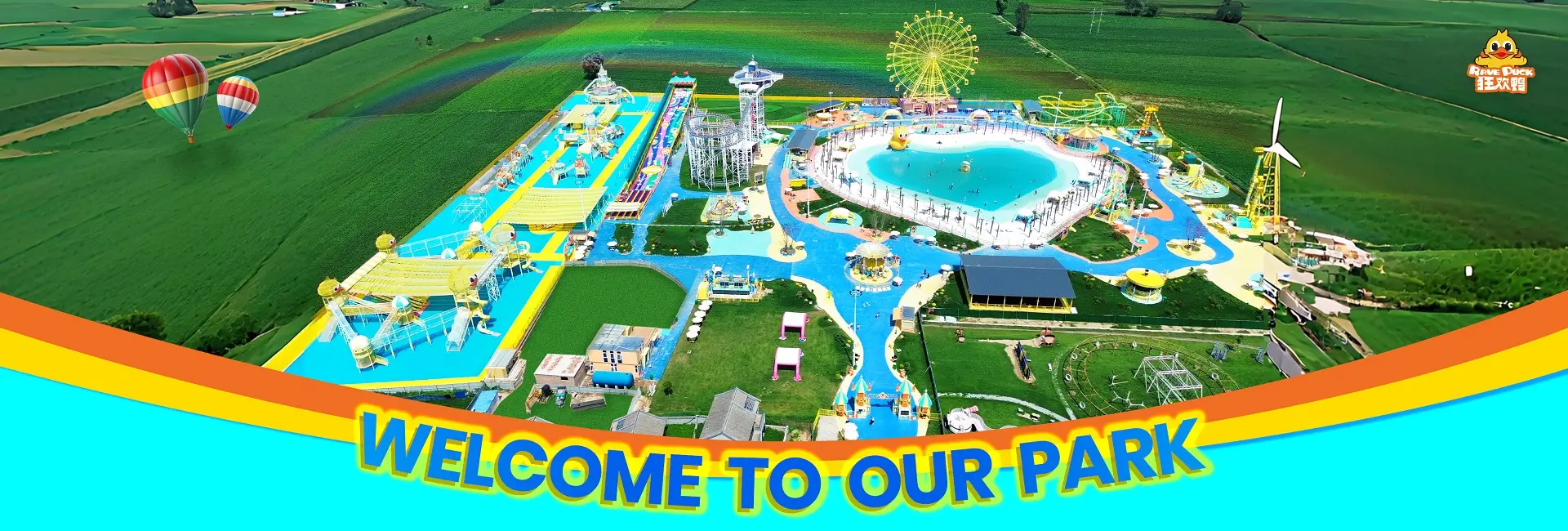
Selecting the right amusement park equipment is one of the most consequential decisions a park operator will make. Every ride, attraction, and interactive element shapes the guest experience, influences attendance, and determines long-term operational costs. Whether you are building a new park from the ground up or refreshing an existing property, understanding the landscape of amusement park equipment is essential for making smart investments.
The market for amusement park equipment spans a wide range of products, from family-friendly carousels and bumper cars to high-thrill roller coasters and immersive dark rides. Each category comes with its own considerations regarding safety, maintenance, capacity, theming potential, and return on investment. In this article, we will explore the major types of amusement park equipment, the factors that influence purchasing decisions, and best practices for maximizing the value of every acquisition.
Types of Amusement Park Equipment
The variety of amusement park equipment available today is extensive. Understanding the major categories helps operators build a balanced attraction lineup that appeals to diverse audiences.
Roller Coasters
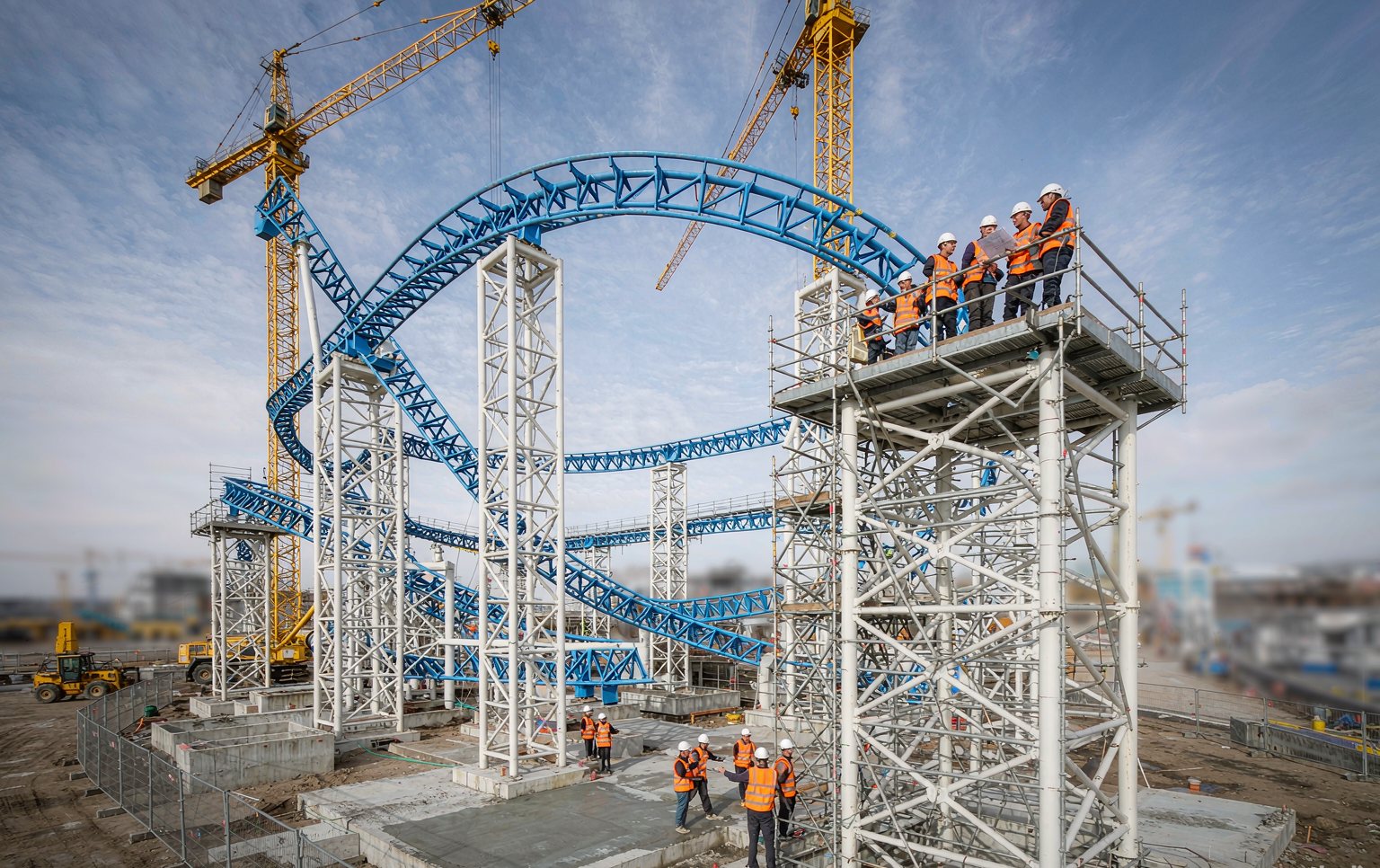
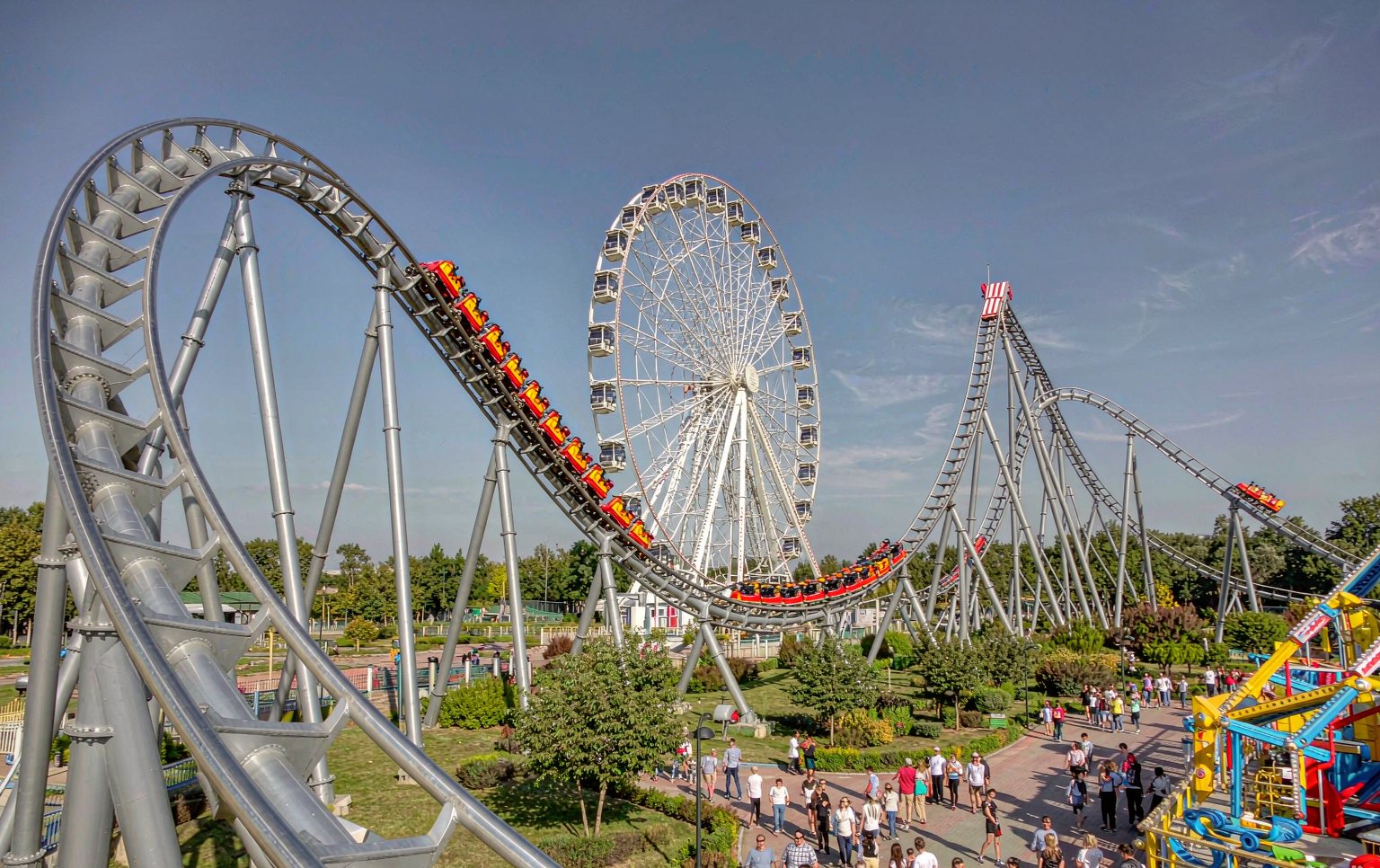
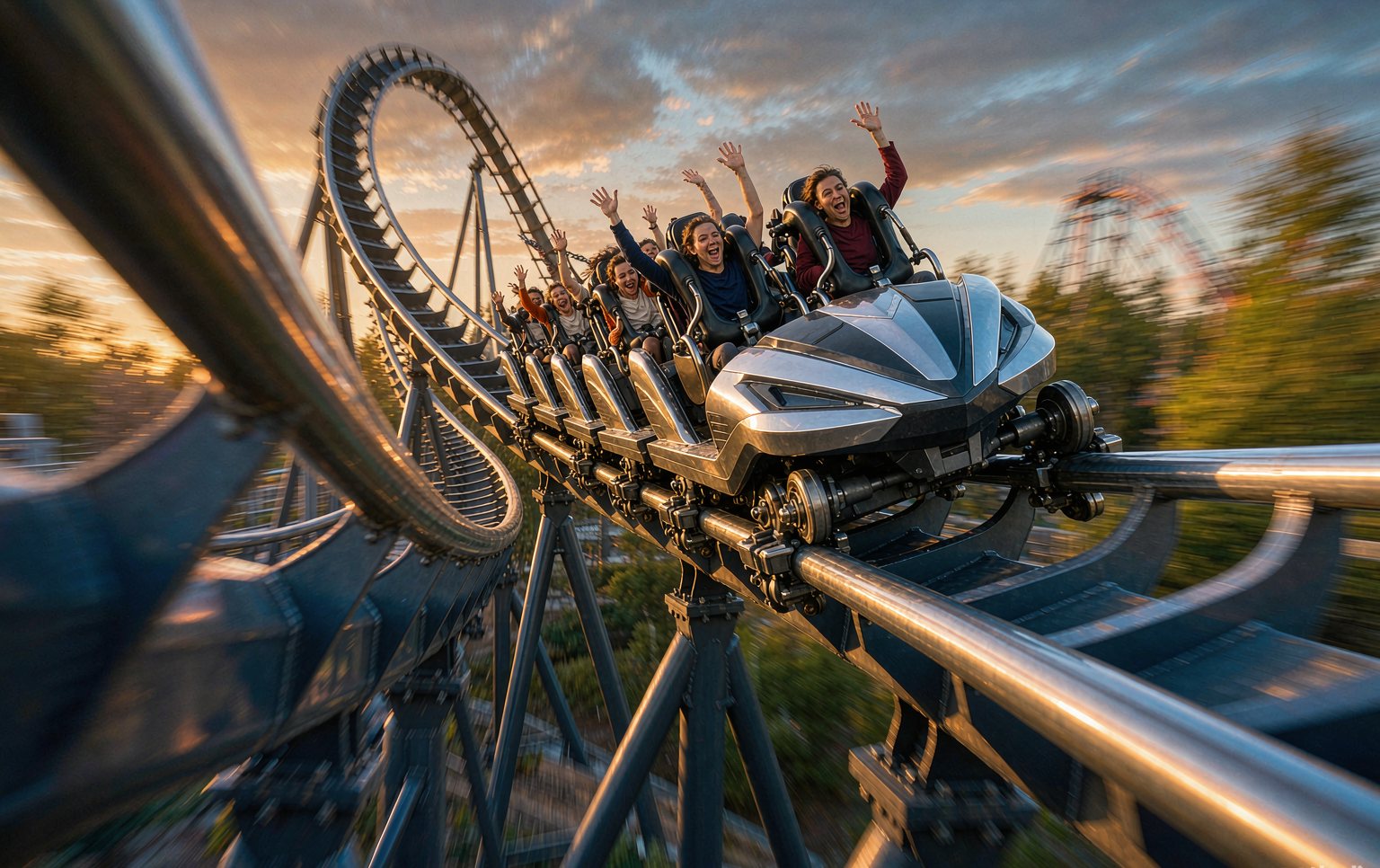
Roller coasters remain the crown jewels of most parks. They range from compact family coasters to massive steel hyper coasters that exceed 200 feet in height. Modern amusement park equipment manufacturers offer coasters with launched propulsion, beyond-vertical drops, and innovative track configurations that create unique rider experiences.
Flat Rides
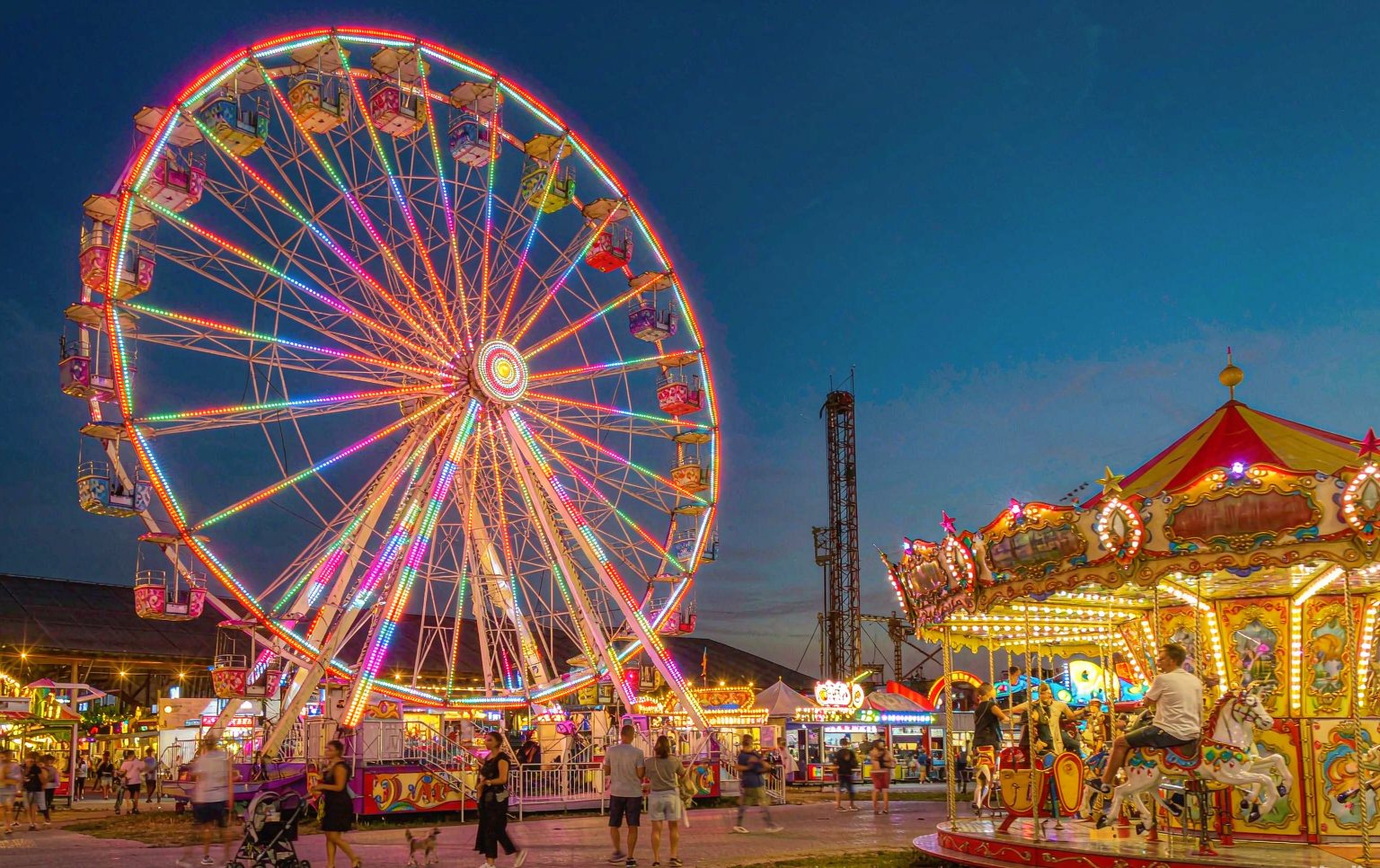
Flat rides include classic attractions such as Ferris wheels, carousels, swing rides, teacups, and spinning attractions. These rides typically have shorter cycle times and higher throughput, making them ideal for filling gaps between major coasters and providing entertainment for younger guests.
Water Rides
Log flumes, river rapids, splash boats, and water coasters combine the excitement of a ride with the refreshment of water. Water rides are especially popular during warm months and can serve as anchor attractions in parks that operate year-round in temperate climates.
Dark Rides
Dark rides use enclosed environments, themed sets, animatronics, projection systems, and ride vehicles to create narrative-driven experiences. They are among the most immersive forms of amusement park equipment and often serve as signature attractions that differentiate a park from its competitors.
Interactive Attractions
Modern guests expect participation, not just observation. Interactive dark rides, shooting galleries, virtual reality experiences, and augmented reality attractions allow guests to influence their experience and compete for high scores.
Children’s Rides
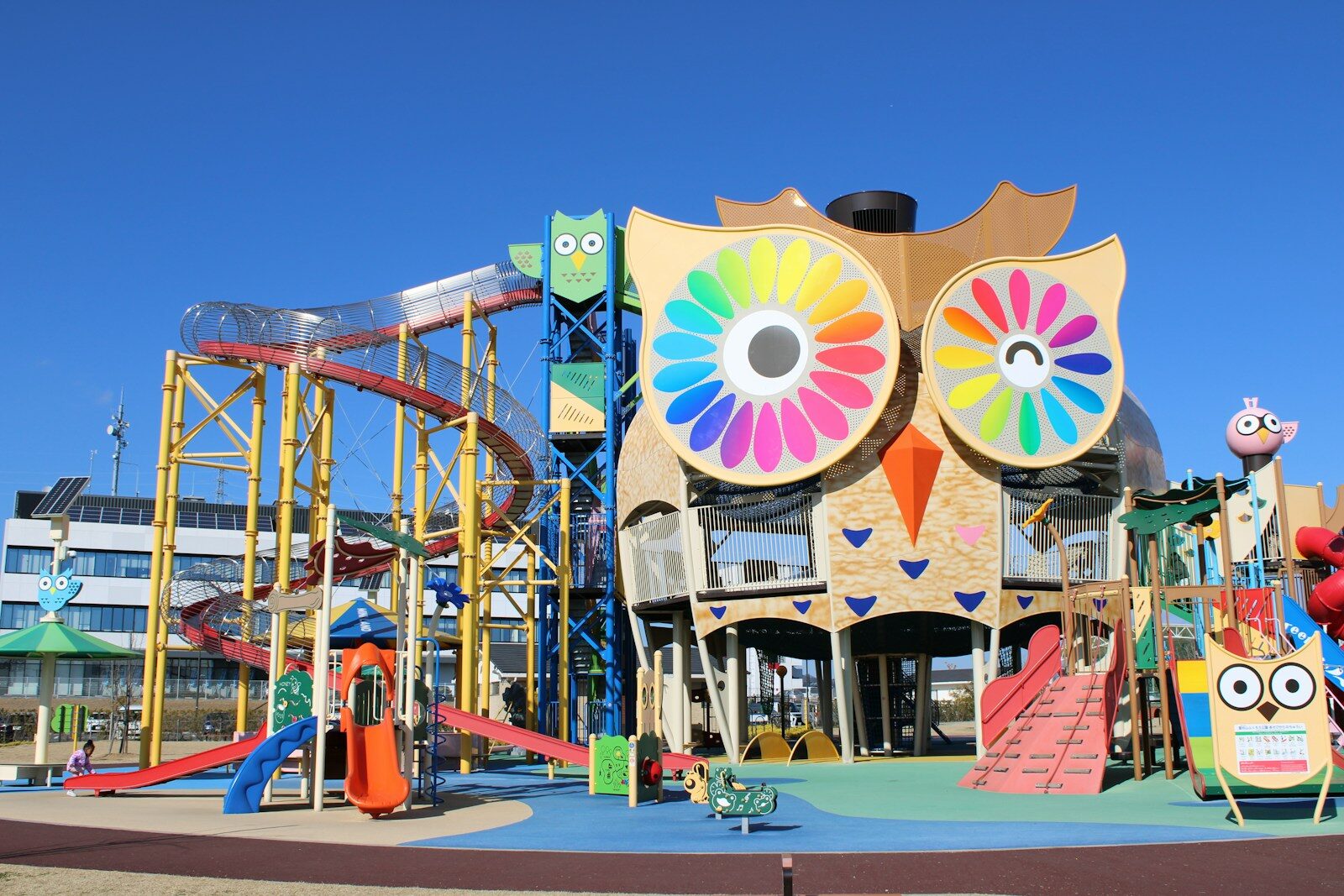
Dedicated children’s areas require age-appropriate amusement park equipment designed for safety and accessibility. Mini coasters, gentle spinning rides, play structures, and water play areas ensure that families with young children have a compelling reason to visit and return.
Key Factors in Selecting Amusement Park Equipment
Choosing the right amusement park equipment involves balancing multiple priorities. Operators must consider guest appeal, operational efficiency, budget constraints, and long-term maintenance requirements.
Guest Demographics
The target audience should drive equipment selection. A park focused on families with young children will prioritize gentle rides, character experiences, and interactive play areas. A park targeting thrill seekers will invest in high-intensity coasters and drop towers. Understanding your guest profile ensures that every dollar spent on amusement park equipment generates maximum engagement.
Throughput and Capacity
Ride capacity directly impacts guest satisfaction. Attractions with low hourly throughput create longer queues and frustrated visitors. When evaluating amusement park equipment, operators should calculate the expected riders per hour and compare it against projected attendance to ensure adequate capacity.
Footprint and Space Requirements
Not every park has unlimited space. Compact attractions, modular rides, and vertically oriented designs allow operators to maximize the use of available land. Understanding the physical footprint of each piece of amusement park equipment is critical during the planning phase.
Budget and Total Cost of Ownership
The purchase price of amusement park equipment represents only a fraction of the total cost. Installation, theming, infrastructure upgrades, ongoing maintenance, spare parts, insurance, and staffing all contribute to the total cost of ownership. Operators should evaluate the full financial picture before making a commitment.
Manufacturer Reputation
Working with established manufacturers reduces risk. Reputable companies provide comprehensive documentation, reliable spare parts supply chains, responsive technical support, and proven safety records. Researching a manufacturer’s track record is an essential step in the selection process.
Safety Standards and Compliance
Safety is the non-negotiable foundation of every piece of amusement park equipment. Regulatory requirements vary by jurisdiction, but the underlying principles remain consistent.
All equipment must be designed, manufactured, and installed according to recognized engineering standards. Regular inspections, preventive maintenance schedules, and operator training programs ensure ongoing compliance. Parks should maintain detailed records of every inspection, repair, and modification.
Third-party certification provides additional assurance. Independent inspectors verify that amusement park equipment meets applicable standards before it enters service. This process protects both guests and operators by establishing clear accountability.
Maintenance and Lifecycle Management
Even the highest-quality amusement park equipment requires consistent maintenance to operate safely and reliably. A proactive maintenance strategy reduces unexpected downtime, extends equipment lifespan, and protects the guest experience.
Preventive Maintenance
Scheduled inspections and component replacements prevent failures before they occur. Manufacturers provide detailed maintenance manuals that outline inspection intervals, lubrication schedules, and replacement part specifications.
Predictive Maintenance
Advanced parks use sensor technology and data analytics to monitor ride performance in real time. Vibration sensors, temperature monitors, and load cells can detect early signs of wear, allowing maintenance teams to address issues before they escalate.
Spare Parts Inventory
Maintaining an adequate inventory of critical spare parts reduces downtime. Long lead times for specialized components can shut down an attraction for weeks, resulting in lost revenue and guest dissatisfaction.
Refurbishment and Upgrades
Over time, amusement park equipment may benefit from cosmetic refreshes, control system upgrades, or thematic updates. Strategic refurbishment extends the useful life of existing assets while keeping the guest experience feeling fresh.
Emerging Trends in Amusement Park Equipment
The amusement park equipment industry continues to evolve, driven by technological innovation and changing guest expectations.
Hybrid Coasters
Manufacturers are combining wooden support structures with steel track to create hybrid coasters that deliver the classic feel of wood with the smoothness and intensity of modern steel designs.
Virtual and Augmented Reality
VR and AR technologies are transforming traditional rides into immersive multimedia experiences. Riders can interact with digital environments while experiencing physical motion, creating a blended reality that feels entirely new.
Sustainable Design
Energy-efficient motors, regenerative braking systems, LED lighting, and sustainable materials are becoming standard features in modern amusement park equipment. These innovations reduce operating costs and support environmental responsibility goals.
Modular and Portable Rides
Modular designs allow parks to reconfigure attractions, relocate rides seasonally, or expand capacity incrementally. Portable amusement park equipment is particularly valuable for traveling fairs, pop-up events, and parks with limited permanent infrastructure.
Final Thoughts
Selecting the right amusement park equipment is a strategic decision that impacts every aspect of park operations. From guest satisfaction and safety compliance to maintenance costs and long-term profitability, the choices operators make today will shape the park’s trajectory for years to come.
By understanding the available options, evaluating total cost of ownership, prioritizing safety, and staying informed about industry trends, park operators can build attraction lineups that delight guests, generate strong returns, and establish lasting competitive advantages.