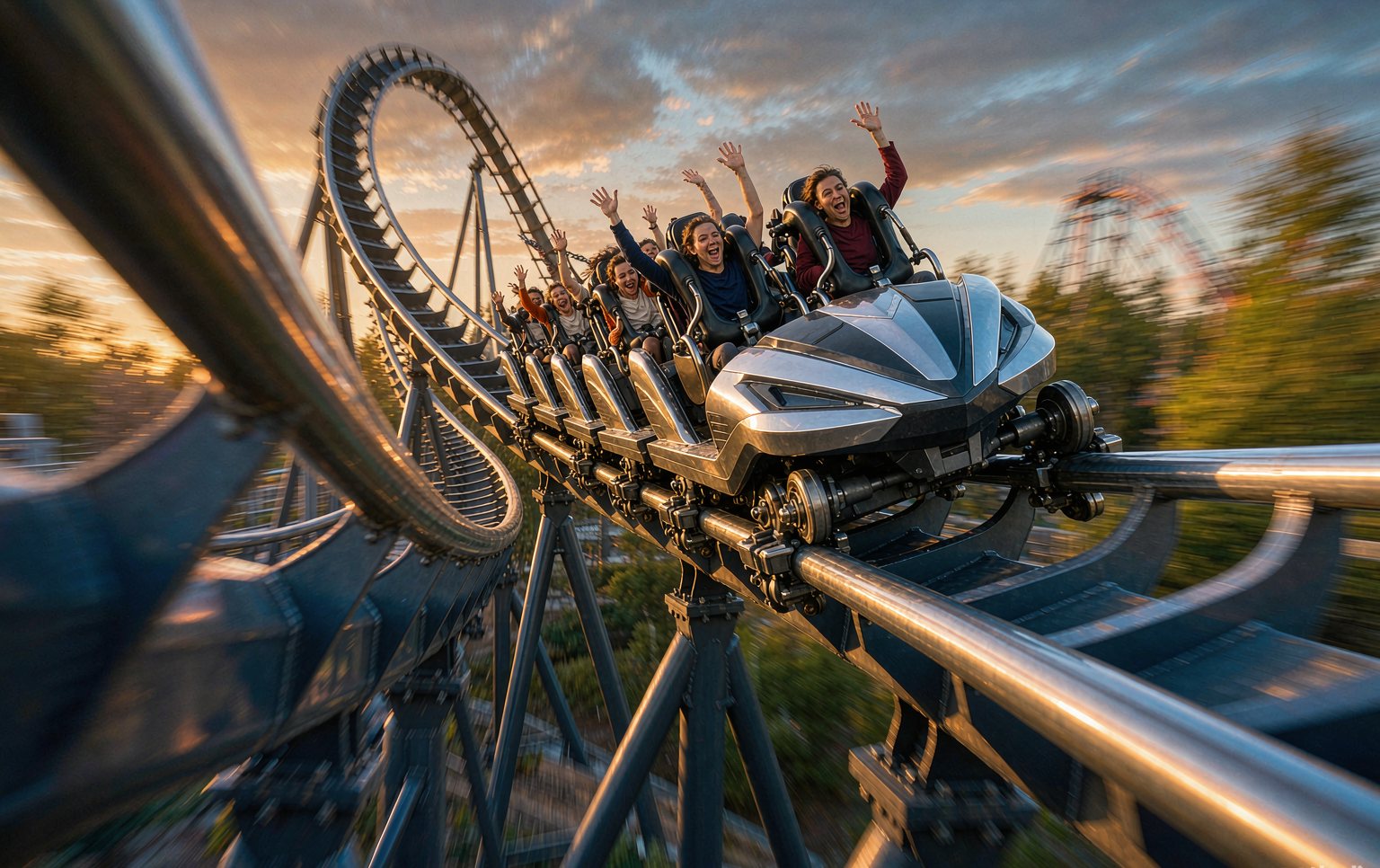

Building a theme park is one of the most complex undertakings in the entertainment industry. It requires the convergence of creative vision, engineering precision, financial discipline, and operational foresight. For investors, developers, and entertainment entrepreneurs, understanding the full lifecycle of theme park development is essential before committing capital or launching a project.
Unlike conventional real estate or hospitality projects, theme park development involves unique challenges. Attractions must be engineered to exacting safety standards. Themed environments must tell compelling stories. Operational systems must handle massive daily guest volumes. And every decision made during planning has long-term financial implications.
In this article, we will walk through the major stages of theme park development, from initial concept to grand opening, and explore what makes each phase critical to long-term success.
The Concept and Feasibility Phase
Every successful theme park development begins with a strong concept and a thorough feasibility study. Before a single design sketch is drawn, developers must answer fundamental questions about the project’s viability.
Market Analysis
Understanding the target market is the foundation of any theme park project. Developers analyze population density, tourism patterns, competitor offerings, seasonal weather conditions, and local economic conditions. A park designed for a domestic family market will look very different from one targeting international tourists.
Financial Modeling
A detailed financial model estimates construction costs, operating expenses, projected attendance, per-capita spending, and return on investment. Theme park development is capital-intensive, and investors need confidence that the project can generate sustainable revenue over time.
Site Selection
Location plays a decisive role in a park’s success. Factors such as land availability, transportation access, utility infrastructure, zoning regulations, and climate all influence site selection. The ideal location balances accessibility for guests with cost-effectiveness for construction and operations.
Concept Definition
The concept defines the park’s identity. Will it be a family-oriented destination with gentle rides and character experiences? A thrill-focused park targeting teenagers and young adults? A culturally themed destination celebrating local heritage? The concept guides every subsequent decision in the theme park development process.
Master Planning and Theming
Once feasibility is confirmed, the project moves into master planning. This phase translates the concept into a physical layout and creative vision.
Site Layout
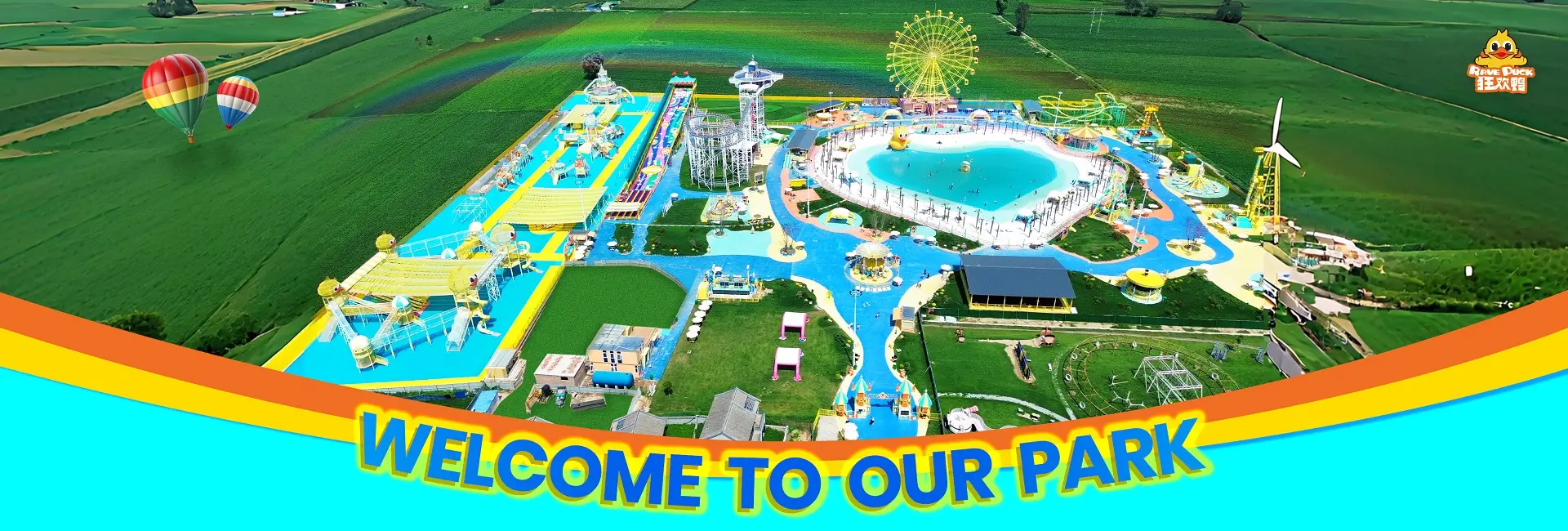
Master planners determine the placement of themed lands, attractions, dining areas, retail locations, parking facilities, and back-of-house operations. The layout must optimize guest flow, minimize congestion, and create natural sightlines that draw visitors deeper into the park.
Themed Environment Design
Theming is what separates a theme park from a simple collection of rides. Architects, scenic designers, landscape architects, and creative directors collaborate to build immersive environments. Every building facade, street surface, lighting fixture, and landscape element contributes to the storytelling.
Attraction Selection
The ride and attraction lineup is carefully curated to appeal to the target audience. A balanced mix of thrill rides, family attractions, dark rides, water features, and live entertainment ensures broad appeal. Theme park development teams work closely with ride manufacturers to select attractions that fit the park’s theme, budget, and capacity requirements.
Infrastructure Planning
Behind the scenes, engineers plan the infrastructure that supports park operations. This includes electrical systems, water treatment, waste management, ride maintenance facilities, employee areas, and emergency response systems. These elements are often invisible to guests but are critical to daily operations.
Design and Engineering
The design and engineering phase transforms master plans into detailed construction documents. This is where creative vision meets technical reality.
Ride Engineering
Each attraction undergoes detailed engineering analysis. Structural engineers calculate loads. Ride dynamics specialists model speeds, forces, and braking distances. Safety systems are designed to meet or exceed regulatory requirements. Theme park development teams coordinate closely with ride manufacturers to ensure that each attraction integrates seamlessly into the park’s infrastructure.
Architectural Design
Buildings, queue areas, restaurants, and retail spaces are designed to support both the thematic experience and operational efficiency. Queue areas must accommodate large numbers of guests comfortably. Restaurants must be designed for high throughput. Retail spaces must encourage browsing and purchasing.
Show Systems Integration
Modern theme parks rely heavily on show systems, including audio, lighting, projection, animatronics, and special effects. These systems must be coordinated with ride vehicles, building structures, and guest sightlines. Integration errors can result in costly rework, so careful planning is essential.
Permitting and Regulatory Compliance
Theme park development projects must comply with local building codes, fire safety regulations, environmental standards, and accessibility requirements. The permitting process can be lengthy, and delays can impact construction schedules and budgets. Experienced development teams anticipate regulatory requirements early in the process.
Construction and Installation
The construction phase is where the park begins to take physical shape. This stage demands precise coordination among dozens of contractors, suppliers, and specialists.
Site Preparation
Construction begins with grading, utility installation, and foundation work. Large theme parks often involve significant earthmoving, drainage systems, and road construction.
Ride Installation
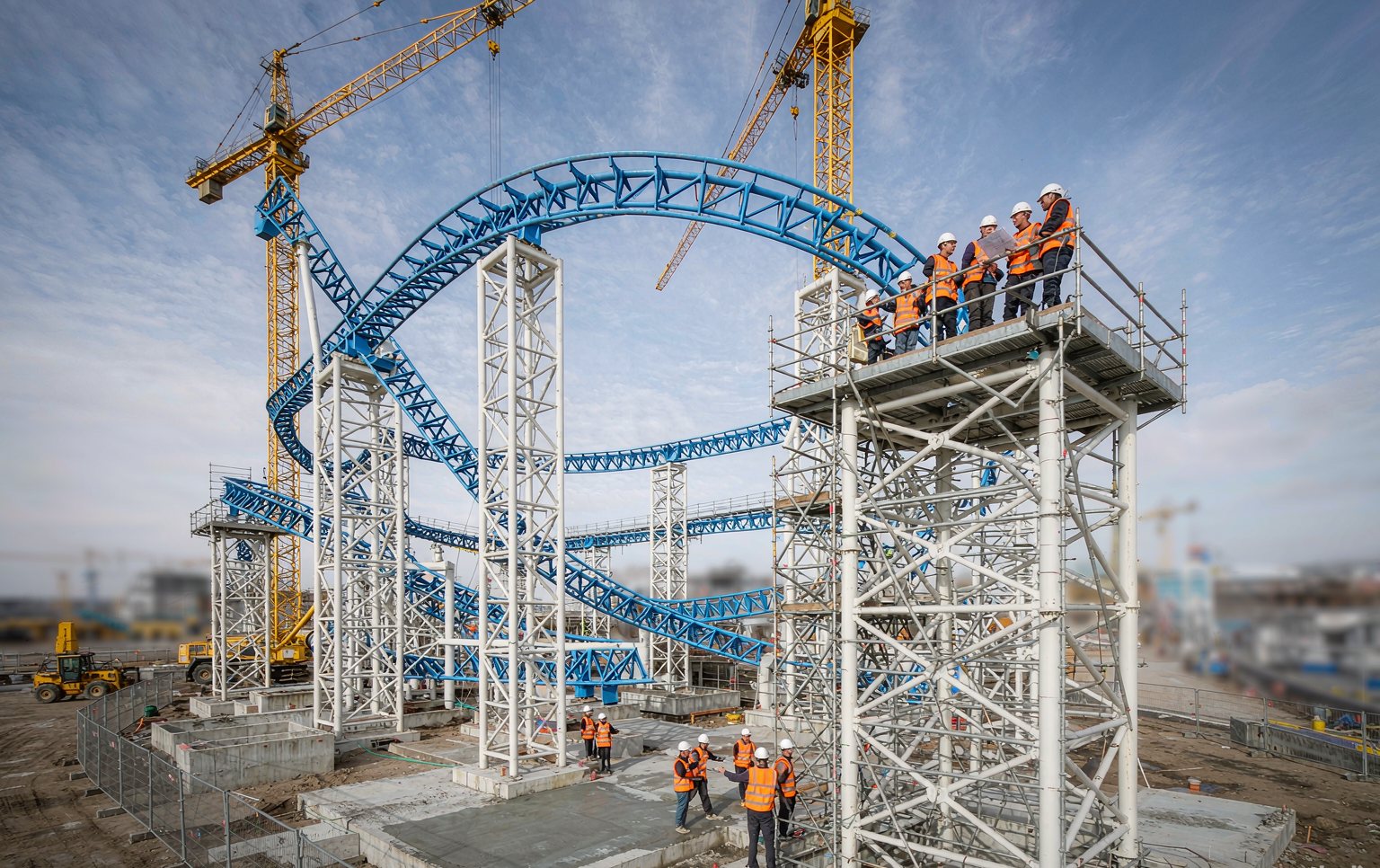
Ride manufacturers ship components to the site, where specialized crews assemble track structures, install ride vehicles, and connect control systems. Theme park development teams oversee installation to ensure that each attraction meets design specifications and safety standards.
Theming Construction
Scenic artists, plasterers, painters, and fabricators bring the themed environments to life. Artificial rockwork, building facades, water features, and landscape elements are constructed on site. The quality of theming directly impacts the guest experience and the park’s visual identity.
Technology Integration
Point-of-sale systems, access control, ride monitoring software, guest Wi-Fi, and security systems are all installed and tested during construction. These technology platforms form the operational backbone of the park.
Testing and Commissioning
Before a park can open to the public, every system must be thoroughly tested. This phase is critical for safety, reliability, and guest satisfaction.
Ride Testing
Each attraction undergoes extensive testing with weighted dummies before human riders are allowed. Engineers verify that speeds, forces, braking, and safety systems perform as designed. Theme park development teams work with manufacturers to resolve any issues before the ride enters revenue service.
Operational Readiness
Staff training, emergency procedures, guest services protocols, and food safety systems are all validated during this phase. Ride operators, maintenance technicians, security personnel, and guest services staff must be fully prepared before opening day.
Soft Opening
Many parks conduct soft openings with limited guest capacity. These events allow operators to identify operational bottlenecks, test crowd management systems, and gather guest feedback before the official launch.
Grand Opening and Post-Launch Optimization
The grand opening marks the beginning of a new chapter. However, theme park development does not end when the gates open. The post-launch phase is equally important.
Attendance Building
Marketing campaigns, media events, and promotional partnerships drive initial attendance. Early guest experiences shape word-of-mouth reputation, making the first months of operation critical.
Operational Refinement
Guest feedback, ride reliability data, and financial performance metrics are analyzed continuously. Adjustments to ride operations, dining menus, retail offerings, and staffing levels help optimize the guest experience and improve profitability.
Capital Reinvestment
Successful parks reinvest in new attractions, refreshed theming, and upgraded technology to maintain guest interest. Theme park development is not a one-time event. It is an ongoing cycle of investment, innovation, and improvement.
Risk Management in Theme Park Development
Theme park development carries significant risks. Budget overruns, construction delays, lower-than-expected attendance, and changing consumer preferences can all impact project success.
Experienced developers mitigate these risks through thorough feasibility studies, contingency budgeting, phased construction approaches, and partnerships with reputable manufacturers and operators. Flexibility in design allows parks to adapt to market feedback without requiring complete rebuilds.
The Role of Technology
Technology is transforming every stage of theme park development. Building information modeling allows teams to visualize projects in three dimensions before construction begins. Virtual reality helps designers evaluate guest sightlines and queue experiences. Artificial intelligence supports predictive maintenance, reducing ride downtime.
Mobile apps, digital ticketing, and virtual queue systems enhance the guest experience while providing operators with valuable data about visitor behavior. Parks that embrace technology gain competitive advantages in both operations and guest satisfaction.
Sustainability and Environmental Responsibility
Modern theme park development increasingly incorporates sustainable practices. Energy-efficient ride systems, solar power installations, water recycling, waste reduction programs, and sustainable building materials help reduce environmental impact.
Guests are becoming more conscious of environmental responsibility, and parks that demonstrate genuine commitment to sustainability often earn positive recognition. These practices also reduce long-term operating costs, benefiting both the environment and the bottom line.
Final Thoughts
Theme park development is a multifaceted discipline that demands expertise across creative, technical, financial, and operational domains. From the earliest feasibility studies to the grand opening and beyond, every decision shapes the guest experience and the project’s long-term viability.
For investors and developers, understanding each stage of the process is essential for making informed decisions and managing risk. With careful planning, strong partnerships, and a commitment to quality, a well-executed theme park development project can become a landmark destination that delights guests and generates lasting value for years to come.