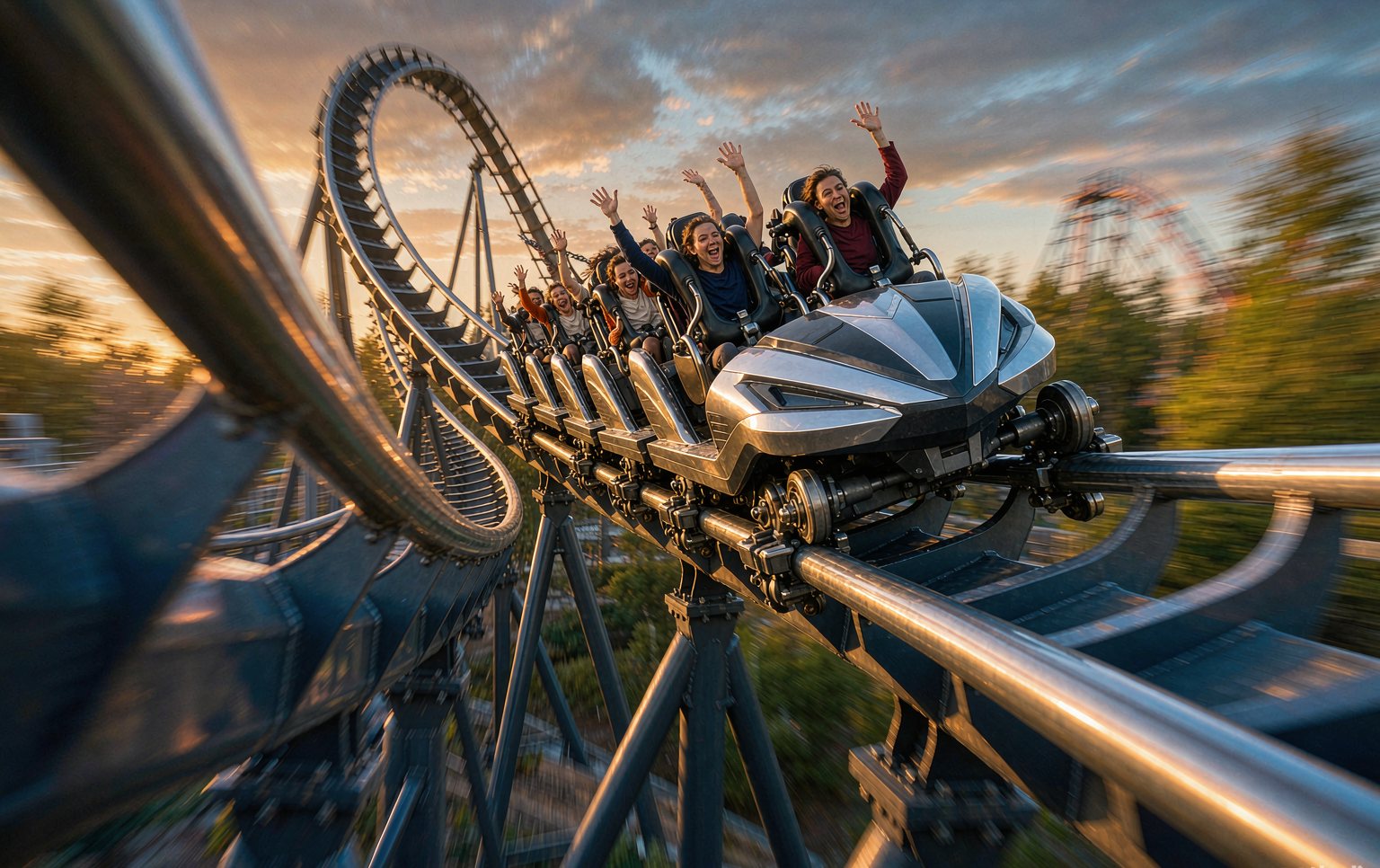
Roller coasters have been the heartbeat of amusement parks for over a century. What started as simple wooden tracks and basic gravity-driven cars has evolved into a multi-billion-dollar global industry powered by innovation, engineering precision, and creative storytelling. Behind every record-breaking launch, every heartline roll, and every breathtaking drop stands a team of dedicated professionals at some of the world’s most respected roller coaster companies.
These companies do far more than bolt steel together. They combine physics, art, technology, and guest psychology to create experiences that push the boundaries of what riders thought possible. In this article, we will explore how roller coaster companies operate, what sets the industry leaders apart, and why their work continues to drive attendance at theme parks around the world.
The Evolution of Roller Coaster Manufacturing
The history of roller coasters stretches back to the late 1800s, when early pioneers built gravity-powered rides on wooden structures. Over the decades, the industry transformed dramatically. Steel coasters introduced smoother rides and more complex inversions. Computer-aided design allowed engineers to simulate forces before a single piece of track was fabricated. Today, roller coaster companies leverage advanced software, robotics, and materials science to create attractions that are safer, faster, and more thrilling than ever before.
Modern roller coaster companies employ teams of structural engineers, mechanical designers, ride dynamics specialists, and creative directors. Each project begins with a concept and ends with a fully tested, certified attraction ready to welcome thousands of guests per day.
What Top Roller Coaster Companies Do
The scope of work at leading roller coaster companies extends well beyond manufacturing track and trains. A complete project involves multiple phases, each requiring specialized expertise.
Concept Development
Every great coaster starts with an idea. Roller coaster companies work closely with park operators to understand their target audience, available space, budget, and thematic goals. Some parks want a family-friendly introduction to coasters, while others seek a record-breaking thrill machine. The concept phase determines the ride’s personality before engineering begins.
Engineering and Design
Once the concept is approved, engineers take over. Using sophisticated simulation tools, they calculate speeds, G-forces, braking distances, and structural loads. Roller coaster companies must ensure that every element meets rigorous safety standards while delivering the intended rider experience. Even minor adjustments to track geometry can dramatically change how a coaster feels.
Manufacturing and Fabrication
The physical components of a roller coaster are precision-manufactured. Steel track sections are cut, welded, and finished to exact specifications. Train chassis, wheels, restraint systems, and control panels are all built to withstand years of continuous operation. Top roller coaster companies maintain strict quality control processes throughout fabrication.
Installation and Commissioning
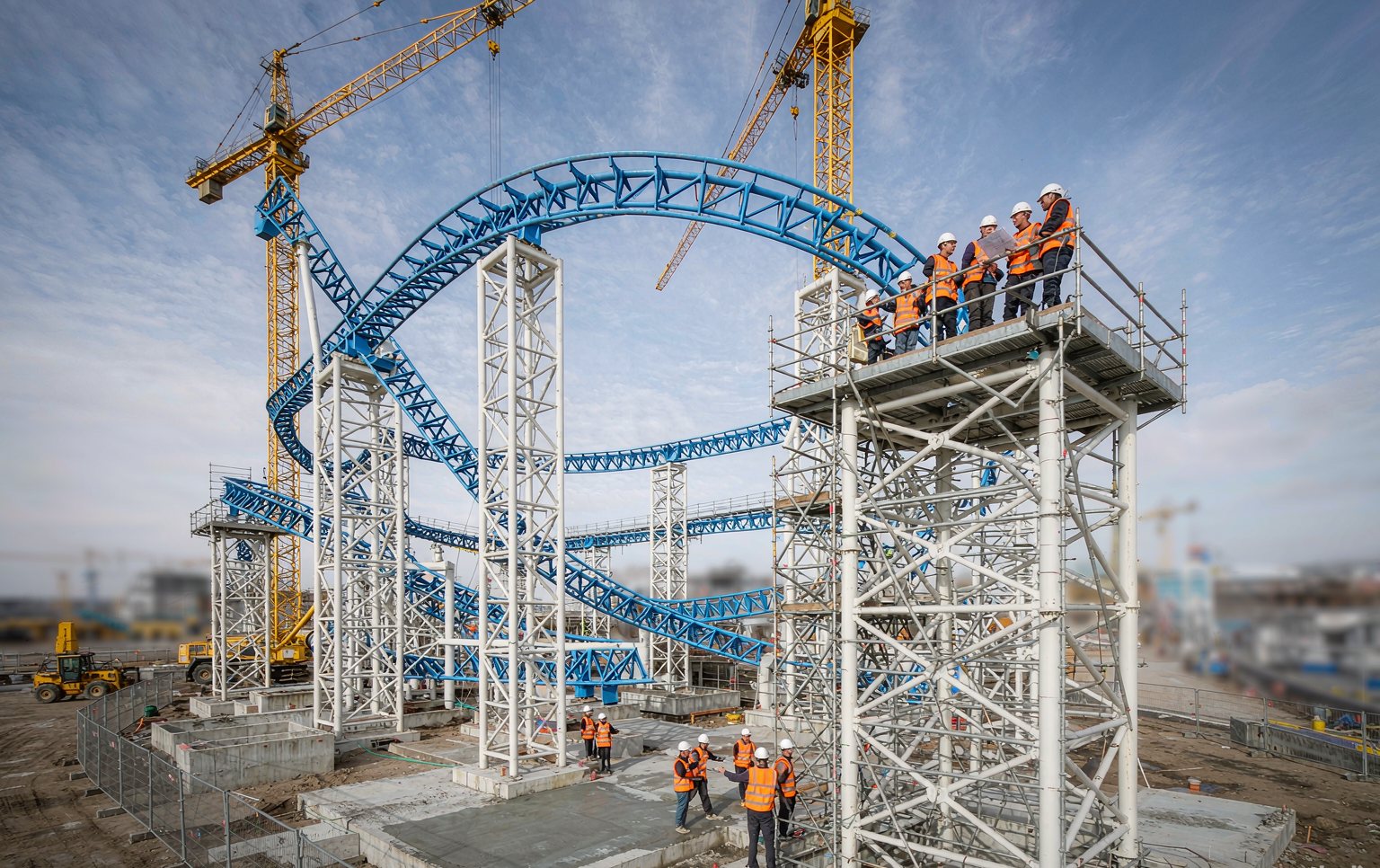
Building a roller coaster on site is a complex logistical operation. Crews assemble support structures, lay track sections, install electrical systems, and integrate ride control software. Roller coaster companies oversee every step of installation and conduct extensive testing before the ride opens to the public.
Major Players in the Industry
Several roller coaster companies have earned global recognition for their consistent quality and innovation. While the competitive landscape continues to evolve, certain names have become synonymous with excellence in coaster design and manufacturing.
Bolliger & Mabillard, widely known as B&M, is a Swiss company celebrated for its smooth, reliable steel coasters. Their inverted, floorless, and dive coaster models can be found at major parks across six continents.
Intamin, based in Liechtenstein and Switzerland, is known for pushing speed and height records. From launched coasters to mega coasters and hyper coasters, Intamin has delivered some of the most iconic attractions in the world.
Gerstlauer, a German manufacturer, is recognized for its compact yet intense designs. Their Euro-Fighter model, featuring beyond-vertical drops, has become a favorite among parks seeking high-thrill experiences in limited footprints.
Rocky Mountain Construction, or RMC, has revolutionized the industry with its hybrid coasters that combine wooden support structures with steel track. These rides deliver the nostalgic feel of wood with the smoothness and aggression of modern steel.
Zamperla, an Italian company, offers a broad portfolio ranging from family coasters to high-thrill attractions. Their versatility makes them a popular choice for parks of all sizes.
Vekoma, based in the Netherlands, is one of the most prolific coaster manufacturers in history. Their suspended, inverted, and family coaster models are found at hundreds of parks worldwide.
These roller coaster companies represent only a portion of the industry, but they illustrate the diversity of approaches that define modern coaster manufacturing.
Innovation Driving the Industry Forward
The coaster industry does not stand still. Roller coaster companies are constantly exploring new ways to enhance the rider experience.
Launch Systems
Traditional chain lifts are being supplemented or replaced by linear synchronous motors, hydraulic launches, and pneumatic systems. These technologies accelerate trains from zero to high speeds in seconds, creating intense moments of acceleration that riders love.
Track Technology
Advances in track design allow for tighter elements, smoother transitions, and more dynamic layouts. Some roller coaster companies now offer trackless or modular systems that reduce construction time and allow for creative routing through existing structures.
On-Ride Media
Projection mapping, augmented reality, and synchronized sound systems are transforming coasters into multimedia experiences. Riders may battle virtual enemies, fly through digital landscapes, or follow narrative storylines while hurtling through the physical track.
Sustainability
Environmental responsibility is becoming a priority. Roller coaster companies are exploring energy-efficient drive systems, regenerative braking, and sustainable materials to reduce the ecological footprint of new attractions.
Choosing the Right Partner for a Park
For park operators, selecting among roller coaster companies is a significant decision. The right partner can deliver an attraction that boosts attendance, generates media attention, and provides years of reliable operation. The wrong choice can lead to budget overruns, maintenance challenges, and guest dissatisfaction.
When evaluating roller coaster companies, park operators should consider several factors. Track record matters. A company with a long history of successful installations demonstrates reliability and expertise. Maintenance support is equally critical. Coasters require regular inspection and servicing, and manufacturers that provide comprehensive after-sales support help parks minimize downtime.
Customization capability is another important consideration. Some roller coaster companies offer standardized models that can be adapted to fit a park’s needs, while others specialize in fully custom designs. The best choice depends on the park’s budget, space constraints, and creative vision.
The Business Impact of a New Coaster
A new roller coaster is more than an attraction. It is a marketing event, a guest acquisition tool, and a competitive differentiator. Parks that invest in high-profile coasters often see significant increases in attendance, season pass sales, and per-capita spending.
Roller coaster companies understand this dynamic and work to create rides that generate buzz long before opening day. Teaser campaigns, construction webcams, and naming contests build anticipation among enthusiasts and casual visitors alike. When the gates finally open, the coaster becomes the centerpiece of the park’s identity.
Safety and Regulation
Safety is the foundation of the entire industry. Roller coaster companies operate under strict regulatory frameworks that vary by country and region. Every design must be reviewed, tested, and certified before guests are allowed to ride.
Manufacturers conduct finite element analysis to verify structural integrity. They perform dynamic simulations to confirm that G-forces remain within safe limits. During installation, third-party inspectors verify that construction matches approved plans. Once operational, parks follow detailed maintenance schedules developed in collaboration with the manufacturer.
This rigorous approach to safety is what allows millions of guests to enjoy roller coasters with confidence every year.
The Future of Roller Coaster Companies
Looking ahead, roller coaster companies face both opportunities and challenges. Guest expectations continue to rise, pushing manufacturers to deliver ever-more-immersive experiences. At the same time, parks are seeking cost-effective solutions that maximize throughput and minimize operating expenses.
The integration of artificial intelligence, predictive maintenance, and real-time ride monitoring will likely become standard practice. Roller coaster companies that embrace these technologies will be best positioned to serve the next generation of theme parks.
Final Thoughts
From the earliest wooden coasters to today’s record-breaking steel marvels, roller coaster companies have played a central role in shaping the amusement industry. Their work combines engineering excellence, creative vision, and an unwavering commitment to safety.
Whether a park is seeking a family-friendly introduction to coasters or a world-record-breaking thrill machine, the right manufacturer can turn that vision into reality. As technology advances and guest expectations evolve, roller coaster companies will continue to push the boundaries of what is possible, ensuring that the thrill of the ride endures for generations to come.