
Introduction
Starting an amusement park business is an exciting venture that combines creative vision with solid business acumen. The entertainment industry has shown steady growth over the past two decades, with consistent demand from families, tourists, and thrill-seekers. However, success requires more than just a passion for fun: it demands thorough planning, adequate capital, and a deep understanding of your target market. If you are wondering how to start an amusement park business, this guide will walk you through the essential steps.
Step 1: Conduct Market Research and Define Your Concept
Before investing a single dollar, you need to validate your idea. Start by analyzing demographic data for your target locations, reviewing tourism statistics, and studying local competitors. Ask yourself: What type of park will resonate with the local population? Is there demand for a family-oriented venue, a thrill-focused park, a water park, or a combination?
Your concept should be distinctive. If a well-established park already operates nearby, consider offering a substantially different experience, whether through unique ride selections, thematic storytelling, or a focus on underserved demographics. Understanding your market is the foundation of how to start an amusement park business successfully.
Step 2: Write a Comprehensive Business Plan
A detailed business plan is essential for attracting investors and guiding your operations. Your plan should include a clear description of your park concept, market analysis, marketing strategy, operations plan, and financial projections covering at least the first five years.
Financial projections are particularly critical. Potential investors will scrutinize your estimates for startup costs including land acquisition, construction, equipment, infrastructure, staffing, insurance, and marketing. They will also want to see realistic revenue projections based on ticket sales, food and beverage, merchandise, and ancillary income streams. A well-crafted business plan demonstrates that you have thoughtfully considered how to start an amusement park business and achieve profitability.
Step 3: Secure Funding
Amusement parks require significant capital. Depending on the scale of your project, startup costs can range from hundreds of thousands of dollars for a small family entertainment center to tens of millions for a full-scale theme park. Explore funding options including Small Business Administration loans, commercial bank financing, venture capital, angel investors, and private equity.
Many first-time owners underestimate the importance of working capital. Beyond construction and equipment, you need sufficient cash reserves to cover payroll, marketing, insurance, and utilities during the critical first months of operation before ticket sales become consistent.
Step 4: Choose the Right Location
Location can make or break your amusement park. Look for sites with high visibility, easy access from major highways, adequate space for parking and future expansion, and appropriate zoning for commercial recreation. Confirm local zoning regulations, fire codes, and occupancy requirements before committing to a site.
Consider climate factors as well. Parks in regions with distinct seasons may need to plan for weather-related closures or invest in covered attractions. A thoughtful location strategy is a key element of how to start an amusement park business that thrives year after year.
Step 5: Design and Build Your Park
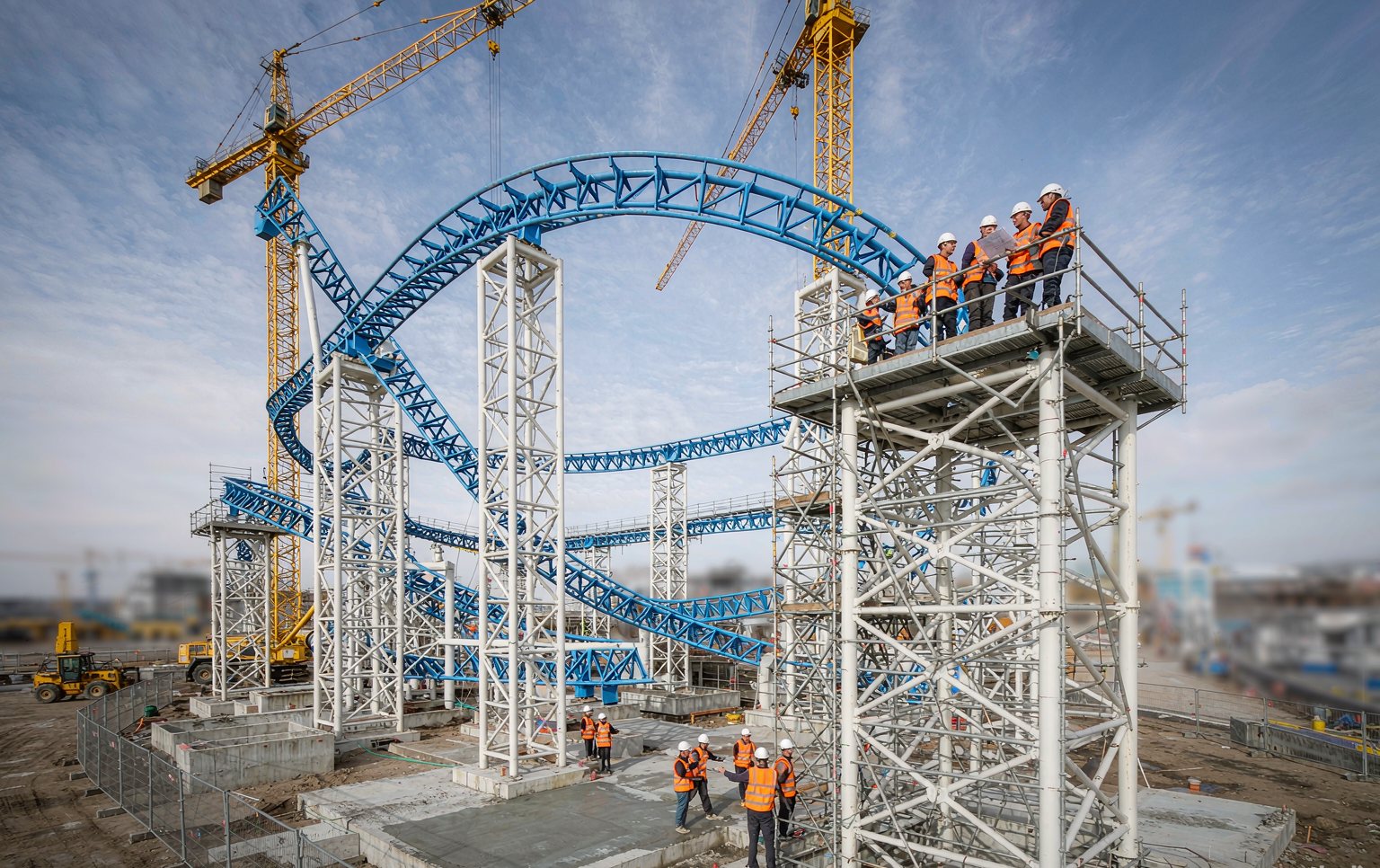
Hire an experienced design firm with a proven track record in amusement park projects. Your design should account for guest flow, ride placement, theming, safety zones, food service areas, restrooms, and emergency access. Every element should work together to create a seamless and enjoyable guest experience.
During construction, maintain close oversight of contractors and suppliers. Ensure that all work complies with building codes and safety regulations. Plan your opening for the beginning of peak season to maximize initial attendance.
Step 6: Obtain Permits, Insurance, and Licenses
You will need a variety of permits and licenses before opening, including building permits, public entertainment licenses, food service permits, and amusement ride safety certifications. Work with your state or local regulatory agencies to understand specific requirements.
Insurance is equally critical. Secure general liability coverage, property insurance, workers’ compensation, and any ride-specific policies required in your jurisdiction. A comprehensive risk management plan should detail daily inspection procedures, emergency protocols, and staff training requirements.
Step 7: Hire and Train Your Team
Your staff are the face of your park. Hire experienced managers, certified maintenance technicians, and friendly front-line personnel. Invest in thorough training covering safety procedures, guest service, emergency response, and ride operations.
Step 8: Market Your Park and Open
Begin marketing six to nine months before your planned opening. Build anticipation through social media, email campaigns, local media partnerships, and early-bird ticket promotions. Host a soft opening to identify operational issues before your grand opening.
Conclusion
Learning how to start an amusement park business is a journey that requires patience, planning, and persistence. By following these steps and surrounding yourself with experienced professionals, you can turn your vision into a thriving entertainment destination.