
Introduction
The global theme park industry continues to grow, driven by rising demand for immersive entertainment experiences. Whether you are building a new park from the ground up or expanding an existing facility, finding quality theme park equipment for sale is a foundational step in your planning process. The right equipment not only attracts visitors but also ensures smooth daily operations and long-term financial returns.
Theme park equipment encompasses a vast range of products, from towering roller coasters and Ferris wheels to interactive dark rides, carousels, and water attractions. Each category serves a different purpose in the overall guest experience, and selecting the right mix requires careful consideration of your target audience, available space, budget, and operational goals.
Types of Theme Park Equipment Available
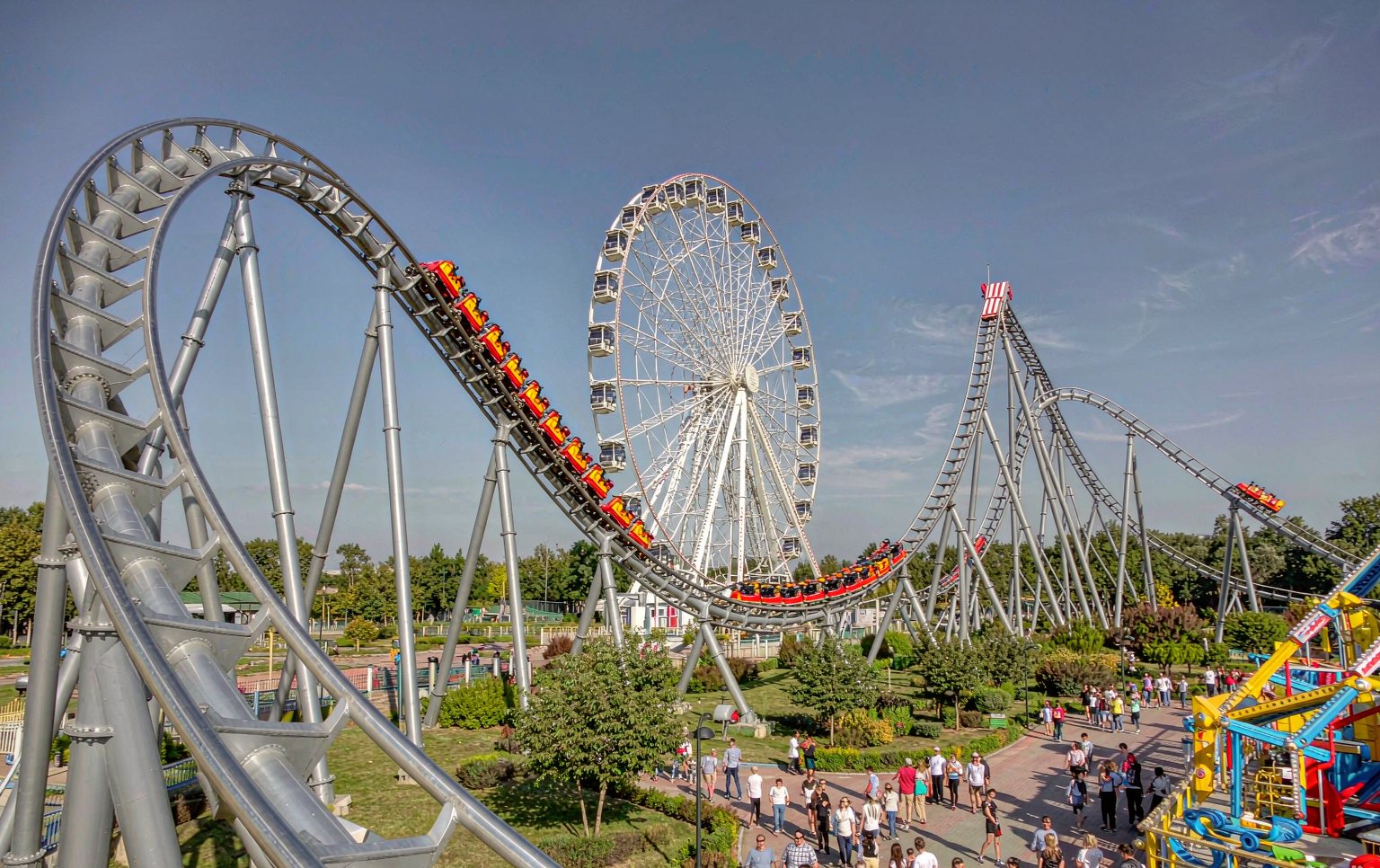
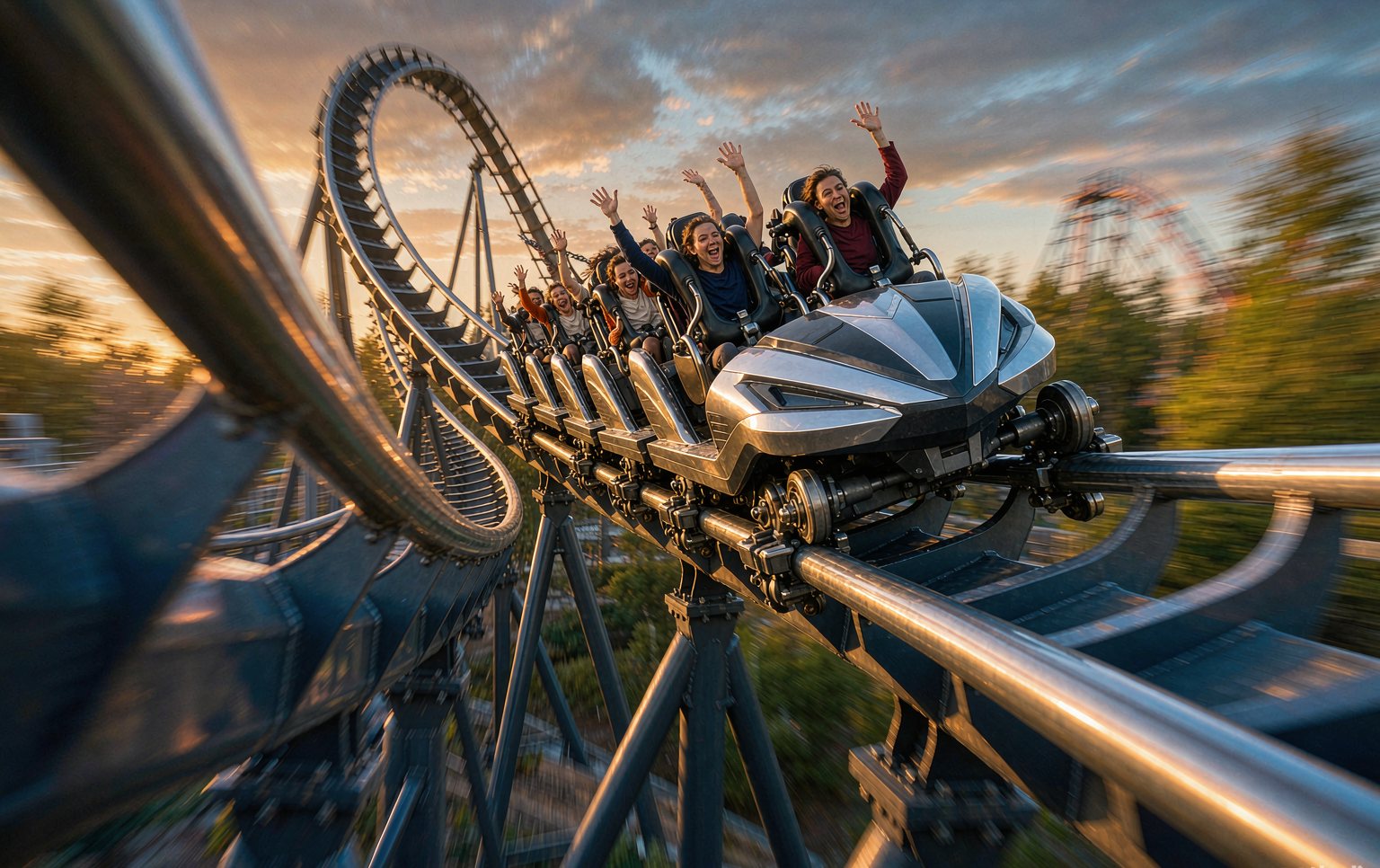
The market for theme park equipment for sale can be broadly divided into several categories. Thrill rides, including roller coasters, drop towers, and pendulum rides, are designed to attract adrenaline-seeking visitors and serve as headline attractions. Family rides such as carousels, bumper cars, and gentle train rides cater to broader demographics and encourage repeat visits from families with young children.
Water park equipment represents another major segment, featuring wave pools, water slides, lazy rivers, and splash pads. These attractions are particularly popular in warm climates and can significantly boost summer attendance. Interactive and themed rides, which combine physical movement with storytelling elements, are increasingly in demand as parks seek to differentiate themselves through unique guest experiences.
Non-powered equipment, including climbing structures, rope courses, and playground areas, has also gained popularity due to lower operating costs and broad appeal across age groups. When browsing theme park equipment for sale, consider how different types of equipment complement each other to create a balanced and engaging park layout.
Factors That Influence Pricing
Pricing for theme park equipment varies enormously depending on several factors. Size and complexity are primary drivers: a small carousel may cost a few hundred thousand dollars, while a large steel roller coaster can exceed several million. Customization also affects price significantly, as unique themes, special effects, and proprietary ride systems add to development costs.
Material quality is another important consideration. Equipment built with premium steel, marine-grade coatings, and high-grade electronic components will cost more upfront but typically offers longer service life and lower maintenance expenses. When evaluating theme park equipment for sale, always compare total cost of ownership rather than just the initial purchase price.
Safety Standards and Compliance
Safety is non-negotiable in the theme park industry. Any equipment you purchase should comply with recognized international standards such as ASTM F24 (the standard practice for amusement rides and devices) and relevant regional regulations. Reputable suppliers will provide comprehensive documentation including design calculations, material certificates, and third-party inspection reports.
Before making a purchase, verify that the equipment has been tested under conditions similar to your intended operating environment. Equipment designed for indoor use, for example, may not withstand prolonged exposure to sun, rain, and temperature fluctuations. A responsible supplier of theme park equipment for sale will guide you through these considerations and help you select products suited to your specific conditions.
Where to Find Reliable Suppliers
Reliable suppliers can be found through industry trade shows such as IAAPA Expo, B2B platforms like Alibaba and Made-in-China, and direct outreach to established manufacturers. When evaluating suppliers, look for companies with verifiable track records, transparent communication, and willingness to provide references.
Conclusion
The market for theme park equipment for sale offers tremendous variety and opportunity. By understanding equipment categories, pricing factors, safety requirements, and supplier evaluation criteria, you can make informed purchasing decisions that set your park up for success.