Selecting the right amusement rides is one of the most critical decisions you will make as a park operator or investor. It’s a choice that directly impacts your park’s identity, guest satisfaction, and long-term profitability. With a vast array of options available, from thrilling drop towers to charming carousels, knowing how to choose amusement rides that are perfectly suited to your specific project can feel overwhelming.
This guide will walk you through the essential factors to consider, providing a strategic framework to help you make informed decisions that will ensure the success of your attraction for years to come.
🎯 Step 1: Define Your Target Audience and Park Theme
Before you even look at a product catalog, you must have a crystal-clear understanding of who you are building your park for. The demographics of your target audience will dictate the type, intensity, and theme of the rides you select.
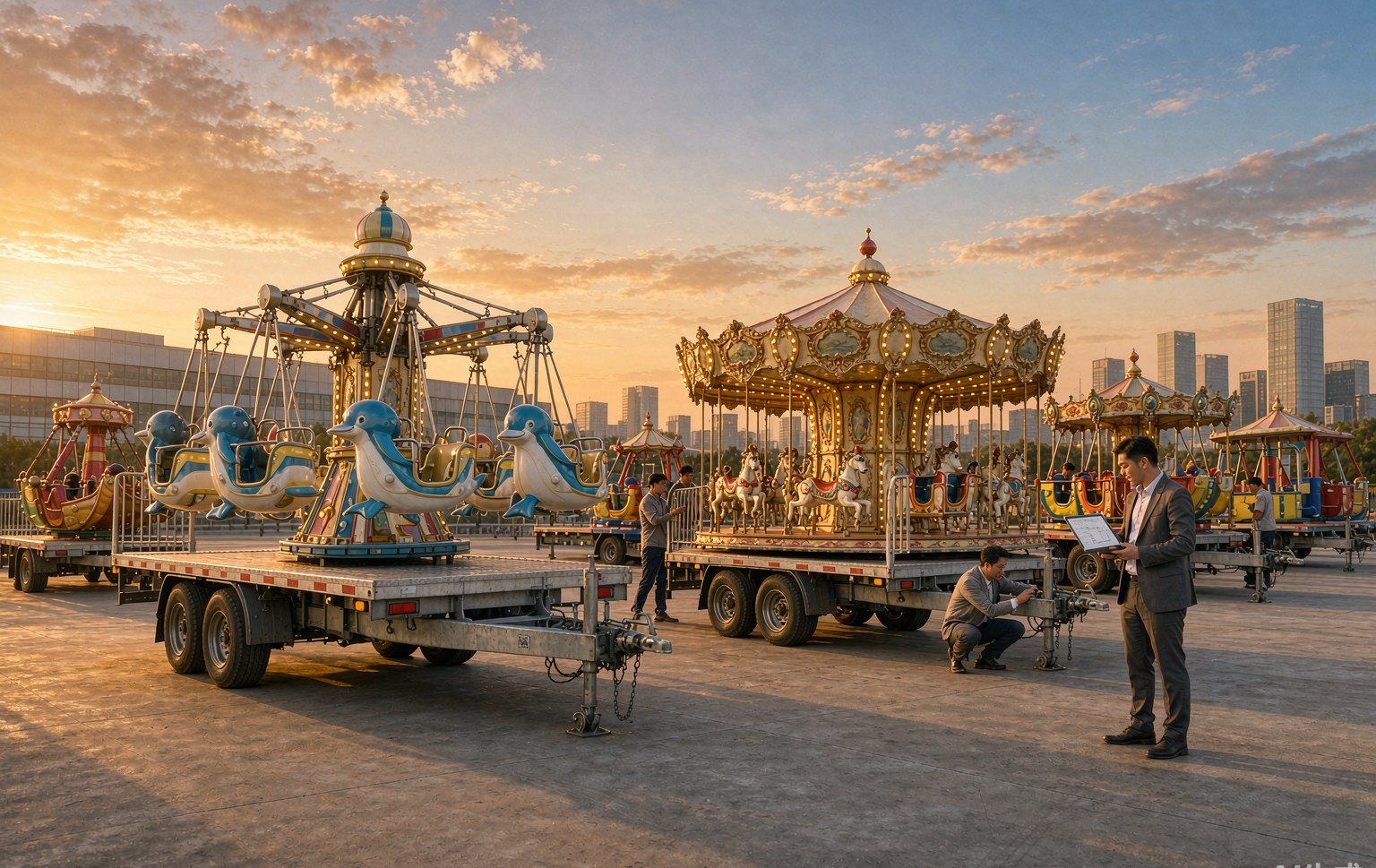
- For Family Entertainment Centers (FECs): The focus should be on rides that appeal to a broad age range. Family-friendly attractions like gentle sightseeing trains, classic carousels, and interactive bumper cars are excellent choices. They encourage group participation and create a welcoming atmosphere for parents and children alike.
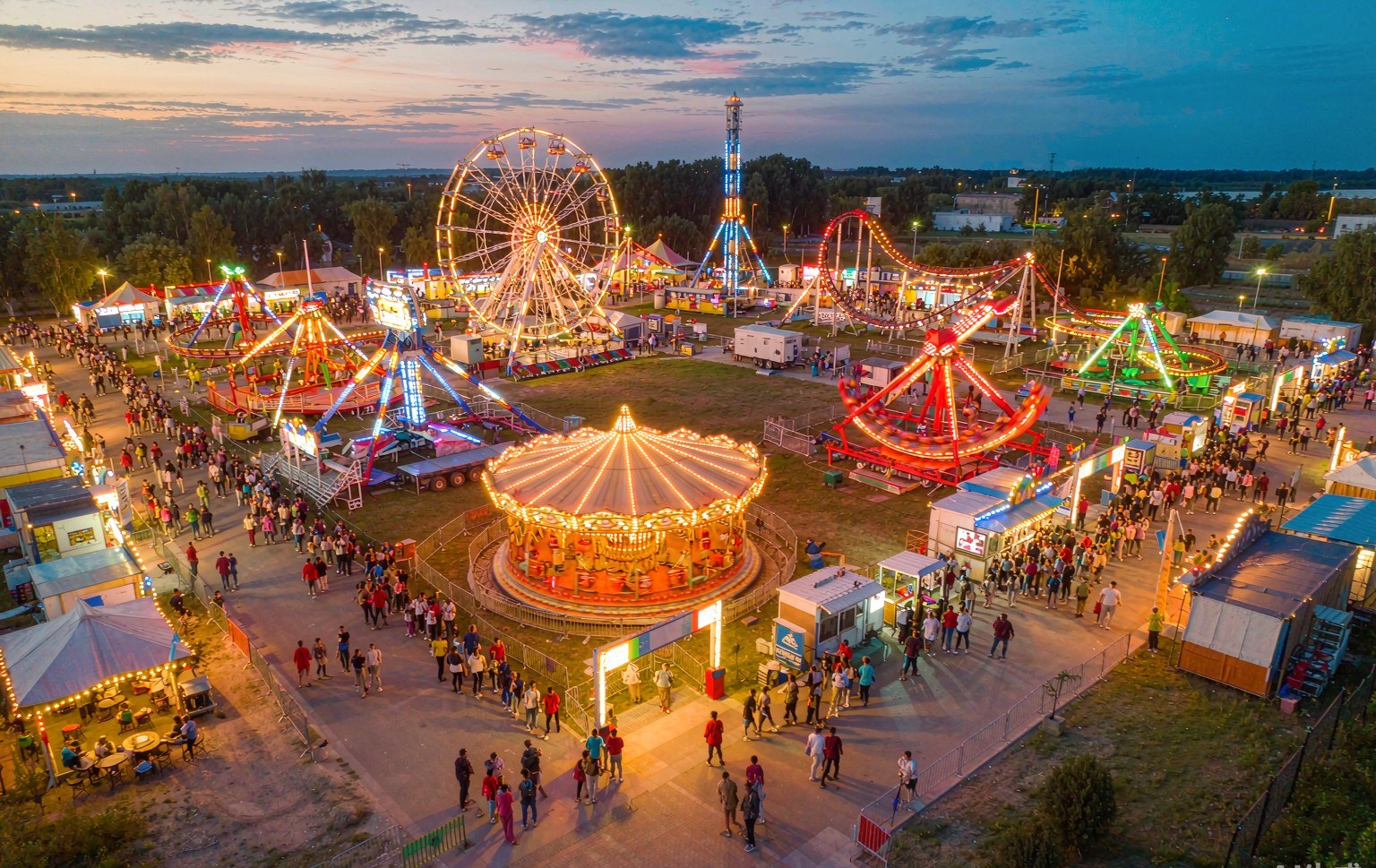
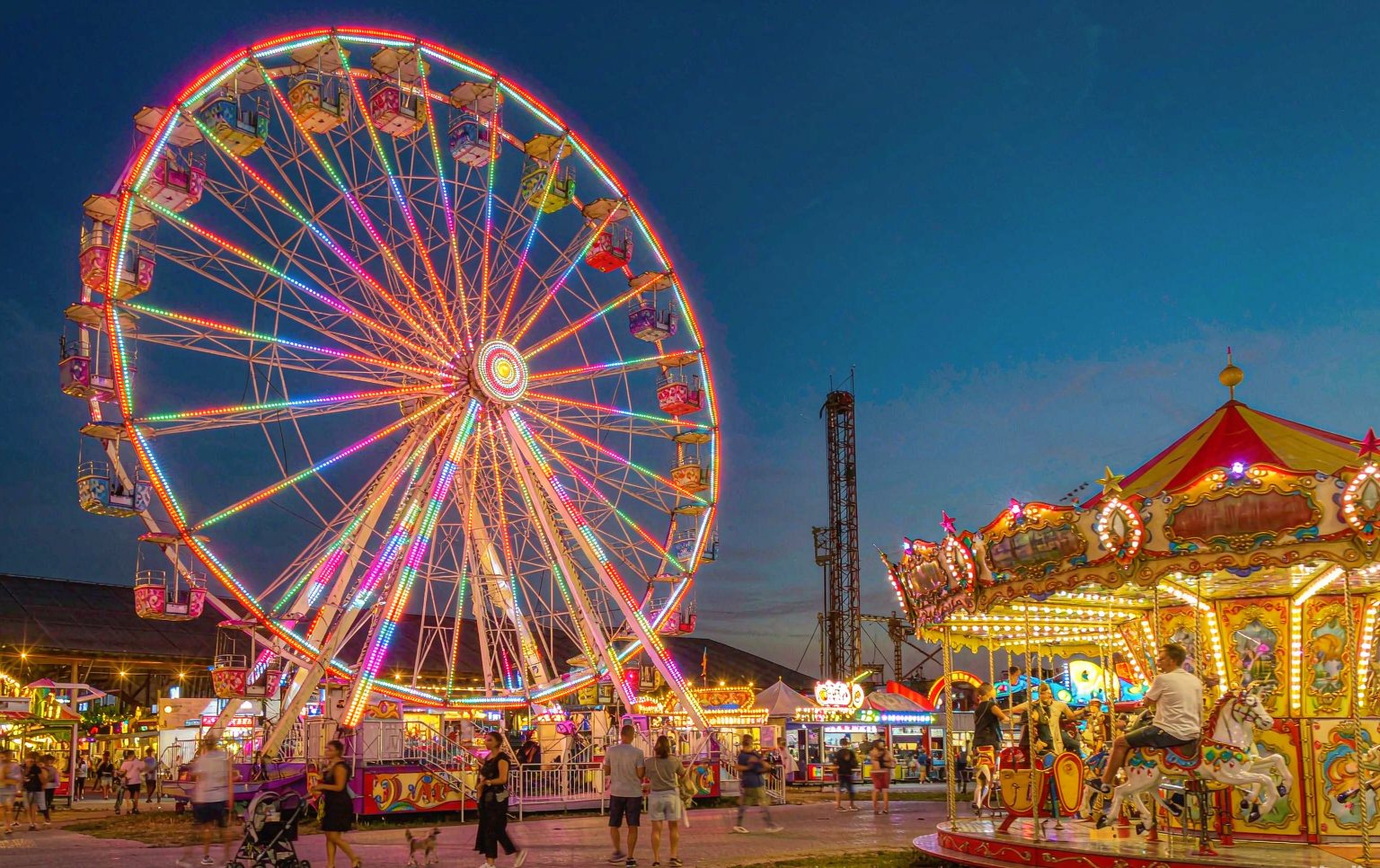
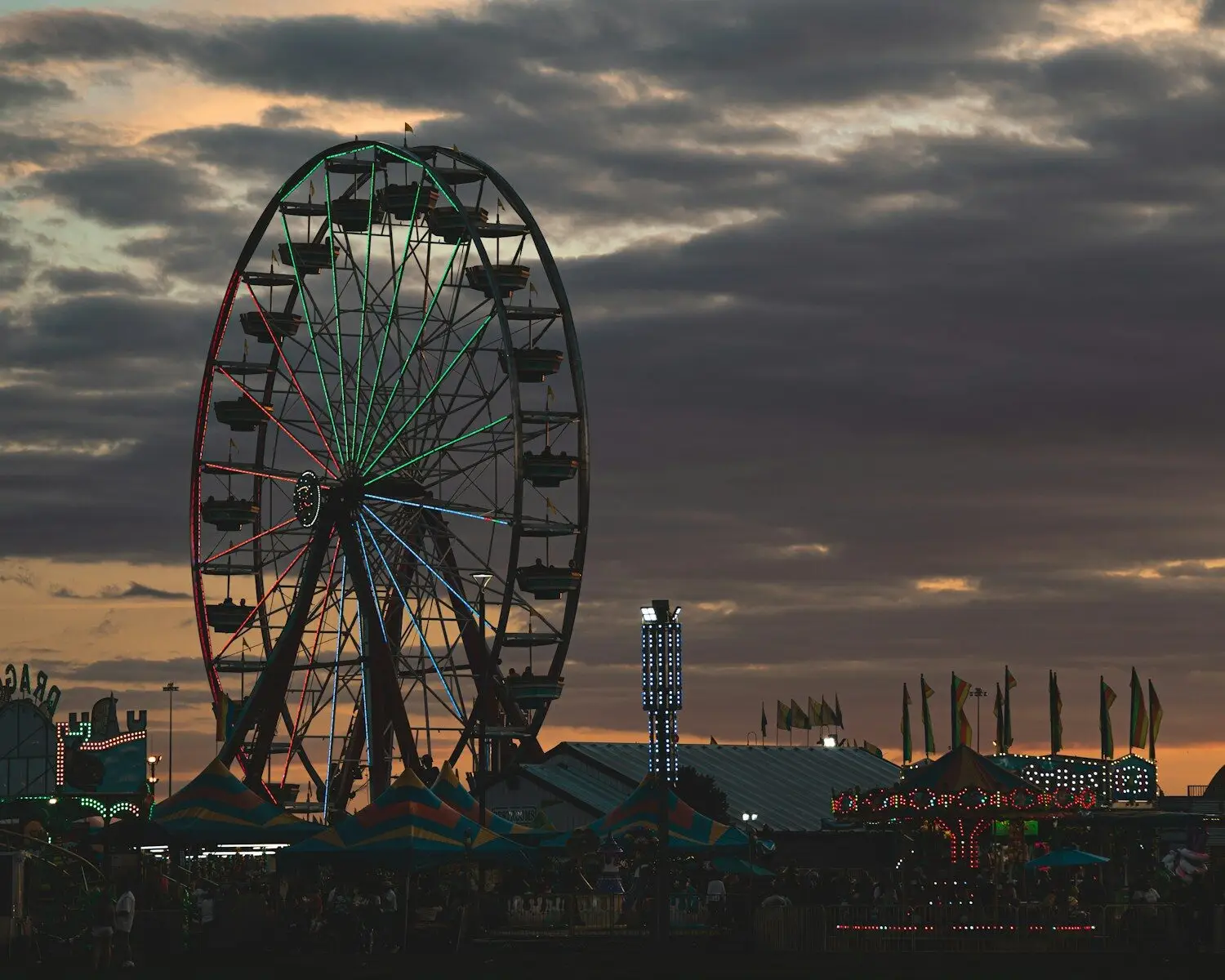
- For Thrill-Seeking Theme Parks: Your primary audience is looking for an adrenaline rush. In this case, your investment should be directed towards high-thrill attractions. Consider landmark rides like a towering Ferris wheel or an intense drop tower ride that can become the iconic centerpiece of your park and a major draw for enthusiasts.
- For Children’s Play Areas: Safety and imaginative play are paramount. Colorful, engaging, and appropriately scaled rides are key. Think about smaller spinning rides, mini train circuits, and themed climbing structures that spark creativity and provide a safe environment for kids to explore.
Aligning your ride selection with a cohesive park theme is equally important. A well-themed park creates a more immersive and memorable experience, encouraging guests to stay longer and spend more. Whether your theme is a whimsical fantasy land or a futuristic space adventure, every ride should contribute to the overall narrative.
📐 Step 2: Analyze Your Site and Operational Constraints
Your physical location and operational capabilities impose real-world limits on your choices. A realistic assessment of these factors is crucial for a feasible and successful project.
- Available Space: Carefully measure your plot of land. Large-scale rides like roller coasters or giant observation wheels require a significant footprint and specific spatial clearances. For more compact areas, vertical rides like a drop tower or space-efficient flat rides are a smarter choice. Always account for queue lines, guest pathways, and maintenance access around each attraction.
- Budget and ROI: Your budget is a primary deciding factor. It’s important to look beyond the initial purchase price and consider the total cost of ownership. This includes shipping, installation, insurance, and ongoing maintenance. Analyze the potential return on investment (ROI) by estimating the ride’s hourly capacity and the ticket price you can command. A high-capacity ride might have a higher upfront cost but can generate revenue much faster.
- Power and Infrastructure: Different rides have different power requirements. Ensure your site’s electrical infrastructure can support the voltage and amperage needed for your chosen attractions. Complex rides may also require a compressed air supply or specific foundation preparations.
- Local Climate: Consider your local weather patterns. If your park is in an area with harsh winters or heavy rainy seasons, you’ll need to choose rides built with durable, weather-resistant materials and plan for potential seasonal closures.
🛡️ Step 3: Prioritize Safety and Manufacturer Reputation
Safety is the non-negotiable foundation of the amusement industry. Choosing a reputable manufacturer is the single best way to ensure the safety and reliability of your investment. When evaluating how to choose amusement rides, the manufacturer’s credentials should be at the top of your checklist.
- International Safety Certifications: Always insist on rides that comply with internationally recognized safety standards. The most important certifications to look for are:
- CE Marking (Europe): Indicates conformity with health, safety, and environmental protection standards for products sold within the European Economic Area. For amusement rides, this is governed by the EN 13814 standard.
- ASTM (USA): The ASTM F24 committee develops voluntary consensus standards for the design, manufacture, and operation of amusement rides and devices. Compliance is often required by insurers and local jurisdictions in North America.
A manufacturer that can provide documentation for these certifications demonstrates a commitment to rigorous engineering and quality control.
- Manufacturer Experience and Track Record: Investigate the manufacturer’s history. How long have they been in business? Do they have a portfolio of successful projects in your region or in similar markets? A company with extensive experience, like Anxin Amusement with over 15 years in the industry and projects in 24+ countries, has the proven expertise to handle the complexities of international delivery, installation, and support.
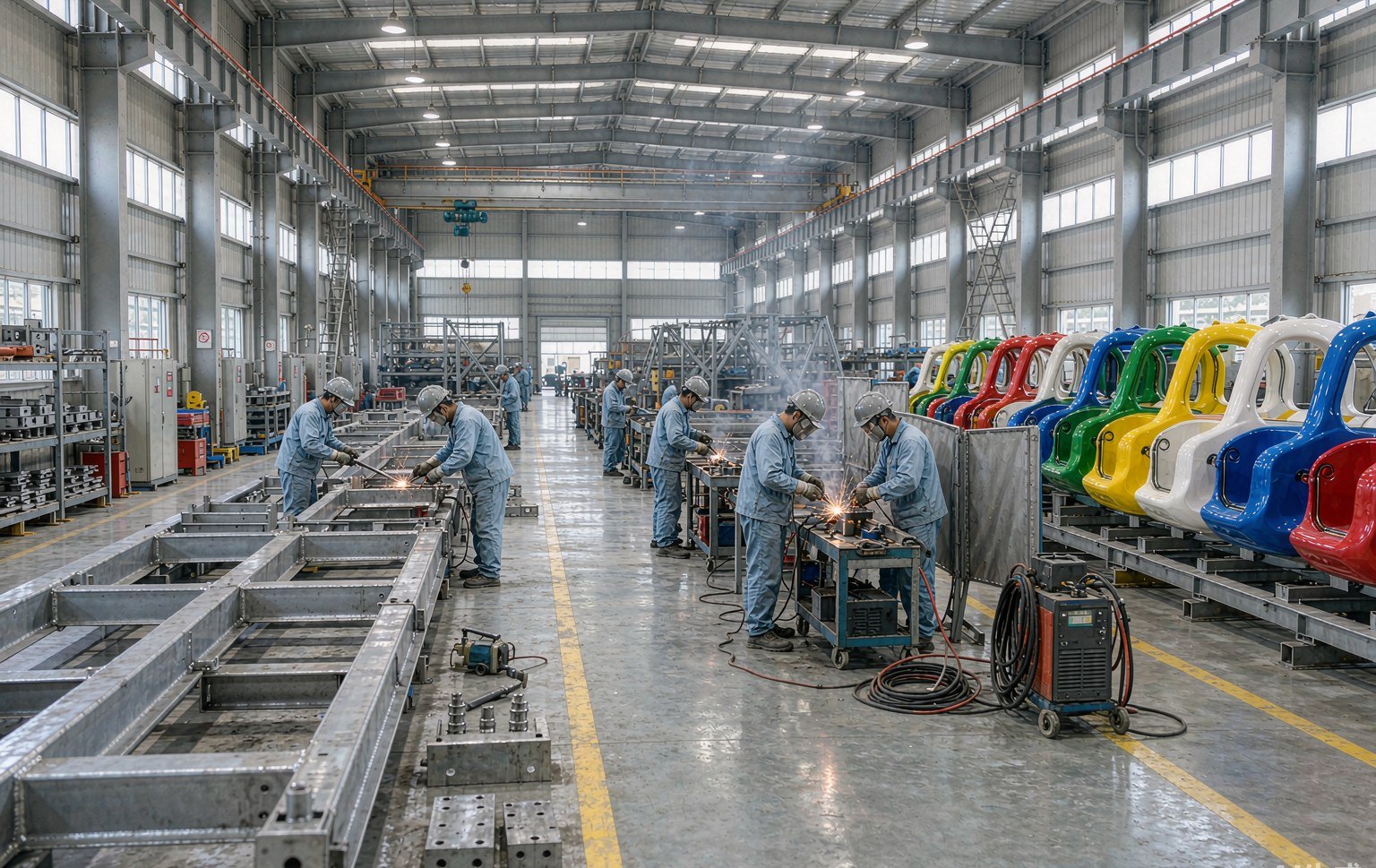
- Quality of Materials and Craftsmanship: The longevity of a ride depends on the quality of its construction. Inquire about the materials used, such as the grade of steel for the structure and the quality of the fiberglass for the passenger cars. High-quality materials resist corrosion and wear, ensuring a longer lifespan and lower maintenance costs.
🤝 Step 4: Evaluate After-Sales Support and Service
The relationship with your manufacturer doesn’t end when the ride is delivered. Comprehensive after-sales support is vital for keeping your attractions running smoothly and profitably.
- Warranty: A solid warranty protects your investment from unforeseen manufacturing defects. Understand exactly what is covered, for how long, and what the process is for making a claim.
- Spare Parts Availability: Downtime is lost revenue. Ensure the manufacturer maintains a robust inventory of spare parts and can ship them to your location quickly.
- Technical Support and Training: The manufacturer should provide detailed operation and maintenance manuals. Even better, they should offer on-site or remote training for your operators and maintenance staff. Access to responsive technical support for troubleshooting is invaluable.
- Installation Services: Complex rides require professional installation. Many top manufacturers, including Anxin Amusement, provide experienced teams to travel to your site to handle assembly, commissioning, and final safety inspections, ensuring the ride is ready for guests from day one.
Conclusion: Partnering for Success
Knowing how to choose amusement rides is about more than just picking the most exciting option from a catalog. It’s a strategic process that involves understanding your audience, respecting your site’s limitations, and, most importantly, partnering with a manufacturer who prioritizes safety, quality, and long-term support.
By carefully considering each of these steps, you can build a ride lineup that not only thrills your guests but also provides a reliable and profitable foundation for your amusement business.