
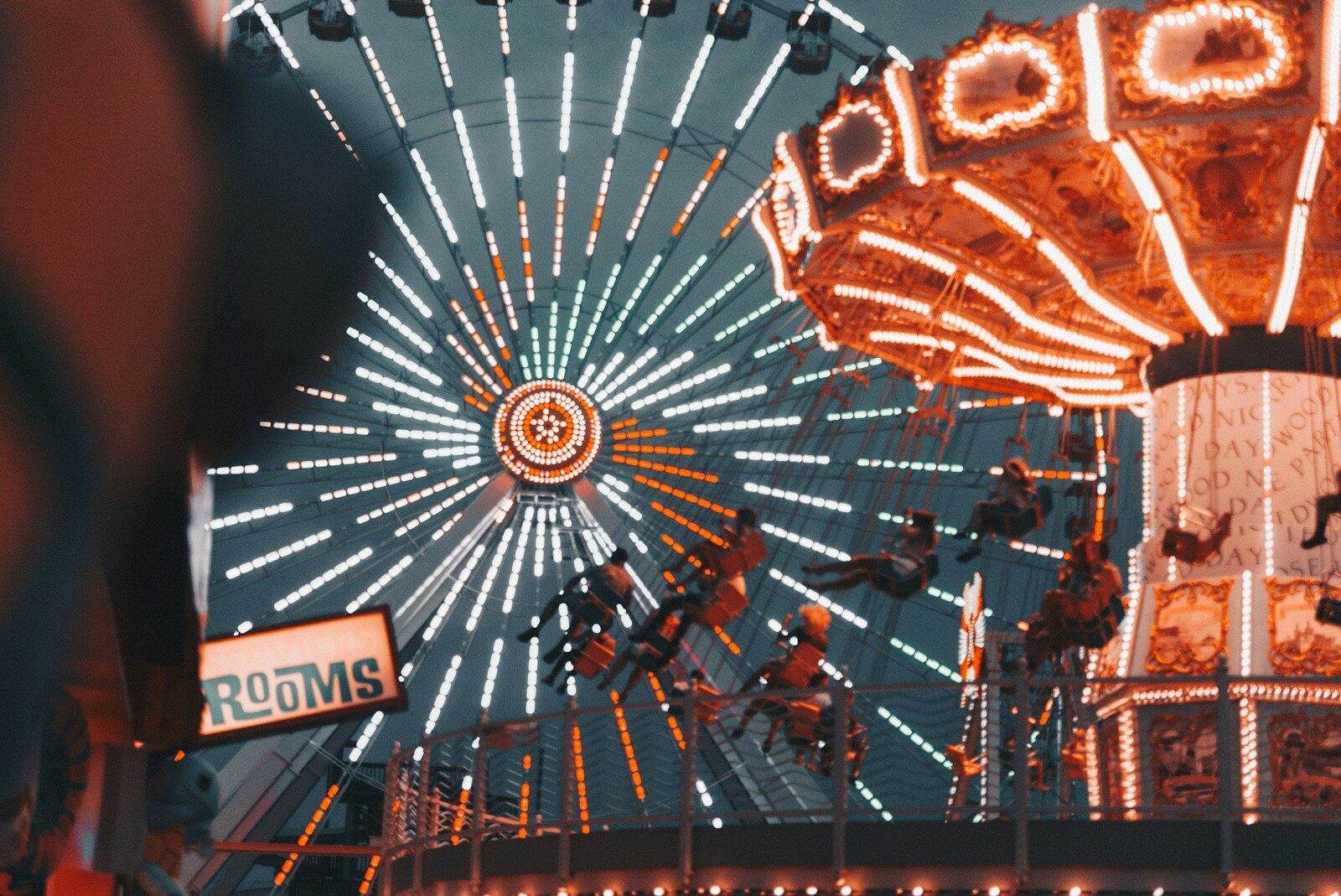
The amusement park industry is often associated with joy, laughter, and thrilling experiences. However, behind the bright lights and cheerful music, park operators face difficult decisions. One of the hardest choices an owner or manager can make is the decision to close amusement parks permanently or temporarily. While it may seem like a simple choice to some, the reality is far more complex.
When a business decides to close amusement parks, it is rarely done without careful consideration. There are usually multiple factors at play, ranging from financial difficulties to safety concerns. Understanding why this happens can help industry professionals, investors, and even park visitors understand the challenges of running a large-scale entertainment venue.
Financial Pressures That Force Operators to Close Amusement Parks
One of the most common reasons why owners choose to close amusement parks is financial pressure. Running an amusement park is an expensive endeavor. From ride maintenance to staff salaries, insurance premiums to utility bills, the costs add up quickly. When revenue does not meet these high operational costs, the park may no longer be sustainable.
In some cases, a decline in visitor numbers can lead to the decision to close amusement parks. This decline might be caused by changing consumer preferences, increased competition, or economic downturns. When fewer people buy tickets, food, and merchandise, the park’s income drops. If the drop is significant and long-lasting, the owners may have no choice but to shut down operations.
Another financial factor is the rising cost of maintenance. Amusement rides require constant inspections, repairs, and upgrades to remain safe and attractive. Older parks, in particular, may struggle with outdated infrastructure that demands expensive overhauls. When the cost of keeping rides operational becomes too high, owners may decide to close amusement parks rather than invest in costly renovations.
Safety Concerns and the Decision to Close Amusement Parks
Safety is a top priority in the amusement industry. A single accident can damage a park’s reputation and lead to legal consequences. Because of this, safety concerns are a major reason why some operators choose to close amusement parks.
If a park has aging rides or outdated safety systems, it may pose a risk to visitors. In such cases, regulators may require the park to shut down until repairs are made. Sometimes, the cost of bringing the park up to modern safety standards is too high, leading owners to close amusement parks permanently.
Even without a major accident, repeated safety inspections and warnings can signal that a park is no longer safe for the public. In these situations, responsible operators will choose to close amusement parks to protect visitors and avoid potential liabilities.
Changing Market Trends and the Need to Close Amusement Parks
Consumer preferences change over time, and the amusement industry is no exception. What was popular twenty years ago may not attract visitors today. Parks that fail to adapt to new trends may find themselves struggling to stay relevant.
For example, modern visitors often look for immersive experiences, interactive attractions, and high-tech rides. Parks that only offer outdated attractions may lose their appeal. When attendance drops due to a lack of innovation, owners may decide to close amusement parks rather than continue operating at a loss.
Additionally, new forms of entertainment, such as virtual reality experiences, indoor entertainment centers, and themed attractions, have changed the competitive landscape. Smaller parks may find it difficult to compete with larger, more modern venues. As a result, they may choose to close amusement parks and exit the market.
Environmental and Location Challenges
The location of an amusement park can also play a role in the decision to close amusement parks. Parks located in areas with extreme weather conditions may face seasonal limitations that reduce revenue. For example, parks in regions with long winters or frequent storms may have shorter operating seasons, making it harder to generate enough income to cover annual costs.
Environmental regulations can also impact park operations. Stricter rules regarding noise, land use, and environmental protection may limit a park’s ability to expand or even continue operating. In some cases, these regulations can make it difficult to maintain profitability, leading owners to close amusement parks.
The Emotional Impact of the Decision to Close Amusement Parks
For many operators, the decision to close amusement parks is not just a business decision—it is an emotional one. Amusement parks often hold a special place in the hearts of their owners, staff, and local communities. Closing a park can mean losing a beloved landmark and letting go of years of hard work.
Employees may also be affected when parks shut down. Seasonal workers, ride operators, maintenance crews, and administrative staff may lose their jobs. For these individuals, the decision to close amusement parks can have a significant personal and financial impact.
What Happens After the Decision to Close Amusement Parks
Once the decision is made to close amusement parks, the process of shutting down begins. This can involve selling rides, auctioning equipment, terminating leases, and notifying staff. In some cases, the land may be sold for redevelopment, while in others, the park may sit abandoned for years.
However, not all closures are permanent. Some parks may close temporarily to undergo renovations or rebranding. In these cases, the decision to close amusement parks is part of a larger strategy to improve the visitor experience and return stronger than before.
Learning from the Decision to Close Amusement Parks
The decision to close amusement parks is never easy. It requires careful analysis of financial data, safety reports, market trends, and long-term goals. While it may seem like the end of an era, it can also open the door for new opportunities, whether through redevelopment, rebranding, or investment in new entertainment ventures.
For industry professionals, understanding why parks close can provide valuable insights into the challenges of the amusement business. It highlights the importance of innovation, safety, financial planning, and adaptability. Ultimately, the decision to close amusement parks is a reminder that even the most joyful businesses must navigate real-world challenges to survive.
Final Thoughts on the Choice to Close Amusement Parks
The amusement park industry will always have its share of successes and failures. While some parks thrive for decades, others may struggle to stay open. The decision to close amusement parks is often the result of a combination of financial, safety, and market-related factors.
By understanding these factors, operators can make more informed decisions about their businesses. Visitors, too, can gain a deeper appreciation for the effort it takes to keep a park running. Whether a park closes temporarily or permanently, the story behind the decision is often more complex than it appears on the surface.
In the end, the choice to close amusement parks is a difficult but sometimes necessary step. It reflects the realities of running a large entertainment business and the constant need to balance creativity, safety, and profitability.




