
The global amusement industry has expanded into a landscape filled with entertainment options, yet one category continues to draw the largest crowds and generate the most passionate loyalty: theme parks with rides. From sprawling destination resorts to compact regional parks, these venues combine the visceral thrill of physical motion with immersive storytelling to create experiences that streaming services, video games, and virtual reality cannot replicate.
The appeal of theme parks with rides extends far beyond the mechanical engineering that powers roller coasters and drop towers. These parks succeed because they understand a fundamental truth about human nature: people crave shared, physical, emotional experiences. A roller coaster does not merely move a body through space — it creates a memory. A dark ride does not simply display scenery — it places the rider inside a story. This emotional dimension is what separates theme parks with rides from every other form of entertainment.
The Emotional Architecture of Theme Parks with Rides
Successful theme parks with rides are built on what industry professionals call “emotional architecture” — the deliberate sequencing of experiences designed to take guests through a carefully orchestrated range of feelings. The layout of a well-designed park is never random. Entry areas establish anticipation. Themed lands build immersion. Ride queues create narrative tension. The rides themselves deliver climactic emotional peaks. And the exit pathways guide guests through retail and dining areas where the positive emotions of the experience translate into spending.
This architectural approach to emotion is what makes theme parks with rides so compelling. A visitor does not simply board a ride and experience a thrill in isolation. They arrive at the park already primed by the visual spectacle of the entrance. They walk through themed environments that build expectations. They wait in line while story elements deepen their investment in the experience. And when the ride finally begins, the emotional payoff feels earned rather than arbitrary.
The most successful theme parks with rides understand that the ride itself is only one component of a larger experience ecosystem. The queue area, the pre-show, the ride vehicle design, the soundtrack, the lighting, the animatronics, the exit through the gift shop — every element contributes to a unified emotional journey. When these elements work in harmony, the result is an experience that guests actively seek to repeat and enthusiastically recommend to others.
Categories of Rides That Define Theme Parks with Rides
The diversity of ride experiences available within theme parks with rides is one of the industry’s greatest strengths. Different ride types appeal to different emotional needs, physical comfort levels, and age groups, allowing a single park to serve a remarkably broad audience.
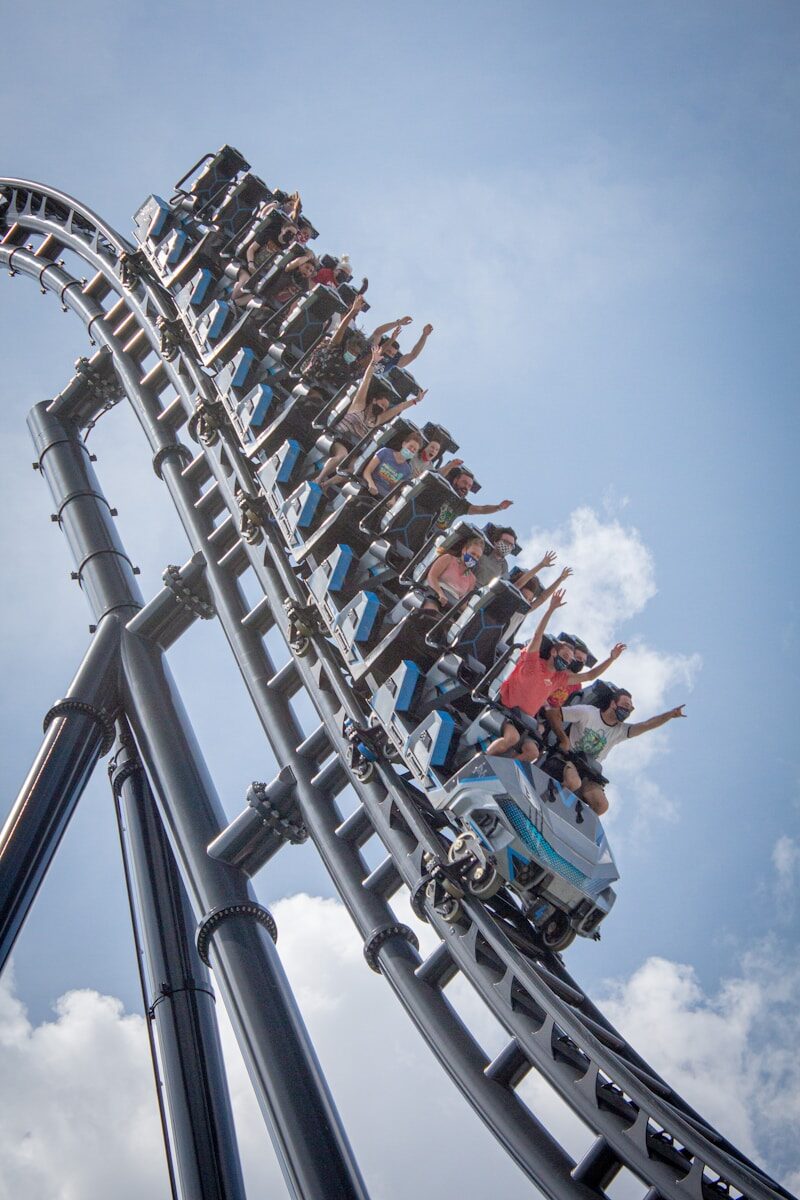
Roller Coasters remain the flagship attractions of theme parks with rides. Modern coaster engineering has produced machines capable of launches exceeding 100 miles per hour, inversions that defy intuitive understanding of physics, and track layouts that weave through buildings, over water, and through complete darkness. The roller coaster category itself has fragmented into numerous sub-genres: wooden coasters prized for their classic lateral forces, steel coasters celebrated for their smooth inversions, launched coasters that accelerate riders from zero to high speed in seconds, and wing coasters where riders sit on either side of the track with nothing beneath their feet.
Dark Rides represent the storytelling backbone of theme parks with rides. These enclosed attractions use a combination of animatronics, projection mapping, physical sets, special effects, and ride vehicle movement to tell a narrative story. Unlike roller coasters that appeal primarily to thrill-seekers, dark rides attract guests of all ages and thrill tolerances. A well-designed dark ride can be simultaneously gentle enough for a young child and emotionally engaging enough for an adult.
Water Rides add a refreshing dimension to theme parks with rides, particularly in warm climates. Log flumes, river rapids, shoot-the-chutes, and splash battles combine gentle transportation with moments of excitement and the universal appeal of getting wet on a hot day. Water rides also serve a practical function: they create natural cooling zones within parks, drawing guests toward areas where mist, spray, and splash pools lower ambient temperatures.
Family Flat Rides include carousels, Ferris wheels, teacup spinners, bumper cars, and gentle swinging attractions. These rides form the essential middle ground in theme parks with rides, providing enjoyable experiences for guests who find roller coasters too intense but want more engagement than a walk-through attraction offers. Family flat rides generate enormous throughput, moving large numbers of guests per hour and keeping wait times manageable.
Interactive Rides represent one of the fastest-growing categories within theme parks with rides. These attractions give riders the ability to influence the experience through shooting mechanisms, steering controls, or motion-sensing technology. The sense of agency transforms passive riders into active participants, creating personalized experiences that differ with each visit and encouraging repeat rides as guests attempt to improve their scores.
The Business Model Behind Theme Parks with Rides
The financial success of theme parks with rides depends on a multi-layered revenue model that extends well beyond ticket sales. While admission pricing forms the foundation, the most profitable parks generate substantial income from secondary spending on food, beverages, merchandise, premium experiences, and accommodation.
Season passes and annual memberships have become the dominant pricing strategy for regional theme parks with rides. These programs convert occasional visitors into frequent guests, smoothing revenue across the operating season and building habitual visitation patterns. A season pass holder who visits twenty times per year spends dramatically more on food, beverages, and merchandise than a single-day visitor.
Premium experiences such as express queue passes, behind-the-scenes tours, character dining, and special event tickets allow theme parks with rides to capture additional revenue from guests willing to pay for enhanced access. These offerings create a tiered experience structure where every guest can enjoy the park at their preferred spending level.
Merchandising tied to ride experiences represents one of the most effective revenue strategies. When a guest completes a thrilling ride, their emotional state makes them highly receptive to purchasing a physical memento. Exit-through-gift-shop layouts are not accidental — they capitalize on the post-ride emotional peak to drive merchandise sales.
On-site accommodation transforms theme parks with rides from day-trip destinations into multi-day vacation experiences. Hotels, campgrounds, and glamping options adjacent to parks extend the average guest stay from hours to days, multiplying per-capita spending across all revenue categories.
Design Principles That Separate Exceptional Theme Parks with Rides
Creating theme parks with rides that achieve lasting success requires attention to principles that extend far beyond ride selection. The physical environment, operational efficiency, and guest experience design all play critical roles.
Thematic consistency ensures that every visual, auditory, and tactile element within a park reinforces the same narrative world. When a guest walks from a pirate-themed land into a futuristic zone, the transition should feel intentional and dramatic rather than jarring. Landscaping, building facades, music, cast member costumes, food offerings, and even trash receptacle designs all contribute to thematic coherence.
Operational flow determines whether guests spend their time enjoying attractions or standing in frustrating queues. Theme parks with rides that invest in sophisticated queue management — virtual queuing systems, single-rider lines, timed entry windows, and entertainment-filled queue areas — consistently achieve higher guest satisfaction scores than parks that rely solely on physical line management.
Capacity planning ensures that the park can handle peak attendance without degrading the guest experience. Ride throughput, pathway width, restroom facilities, dining seating, and shade structures must all be scaled to accommodate maximum expected attendance. Parks that undersize these elements create bottlenecks that frustrate guests and limit revenue potential.
Accessibility ensures that theme parks with rides welcome guests of all physical abilities. Modern parks invest in wheelchair-accessible ride vehicles, sensory-friendly experience options, quiet rooms for guests who need a break from stimulation, and clear accessibility information published before arrival so that guests can plan their visits with confidence.
Technology’s Growing Role in Theme Parks with Rides
The technology powering theme parks with rides has advanced dramatically, enabling experiences that would have seemed impossible just two decades ago.
Projection mapping transforms static surfaces into dynamic visual environments. Buildings, ride vehicles, and physical set pieces become canvases for animated imagery that creates the illusion of transformation, flight, or environmental change without the cost of building elaborate physical scenery.
Motion simulation platforms create the sensation of flight, falling, racing, and other dynamic movements without the physical displacement of a traditional roller coaster. When combined with large-format screens and environmental effects such as wind, water spray, and scent, motion simulators deliver immersive experiences within compact footprints.
Trackless ride systems free ride vehicles from fixed rail paths, allowing them to move in any direction, rotate independently, and create ride paths that change from one cycle to the next. This technology enables dark rides where each vehicle follows a slightly different route, creating variation that encourages repeat experiences.
Augmented reality overlays blend physical ride environments with digital content visible through head-mounted displays or windshield projections. This technology allows theme parks with rides to add layers of interactive content — targets to shoot, characters to discover, hidden details to find — without modifying the physical ride infrastructure.
The Competitive Landscape
The market for theme parks with rides has become increasingly competitive, with new parks opening across Asia, the Middle East, and Europe while established operators in North America invest heavily in expansion and renovation. This competition drives innovation but also raises the bar for what guests expect.
Regional theme parks with rides must differentiate themselves through unique ride selections, distinctive theming, or specialized target audiences. A park that attempts to compete directly with major destination resorts on scale and budget will likely struggle. Instead, successful regional operators focus on creating focused, high-quality experiences that serve their local markets exceptionally well.
Destination theme parks with rides compete on a different axis, investing billions in exclusive intellectual property, record-breaking attractions, and comprehensive resort experiences. These parks benefit from powerful brand recognition and the ability to draw visitors from global markets, but they also face enormous capital requirements and intense pressure to continuously introduce new attractions.
Final Thoughts
Theme parks with rides endure because they offer something that no digital entertainment platform can match: a shared physical experience that engages the body, stimulates the senses, and creates lasting memories. The engineering that powers a roller coaster, the artistry that designs a dark ride, the operational excellence that keeps thousands of guests moving smoothly through a park — all of these elements combine to create experiences that people travel great distances and pay premium prices to enjoy.
For operators, investors, and designers entering this space, the opportunity remains substantial. Guest expectations continue to rise, technology continues to advance, and the fundamental human desire for shared thrilling experiences shows no signs of diminishing. Theme parks with rides that invest in quality, innovation, and guest experience will continue to thrive in an entertainment landscape that offers more choices than ever before.




