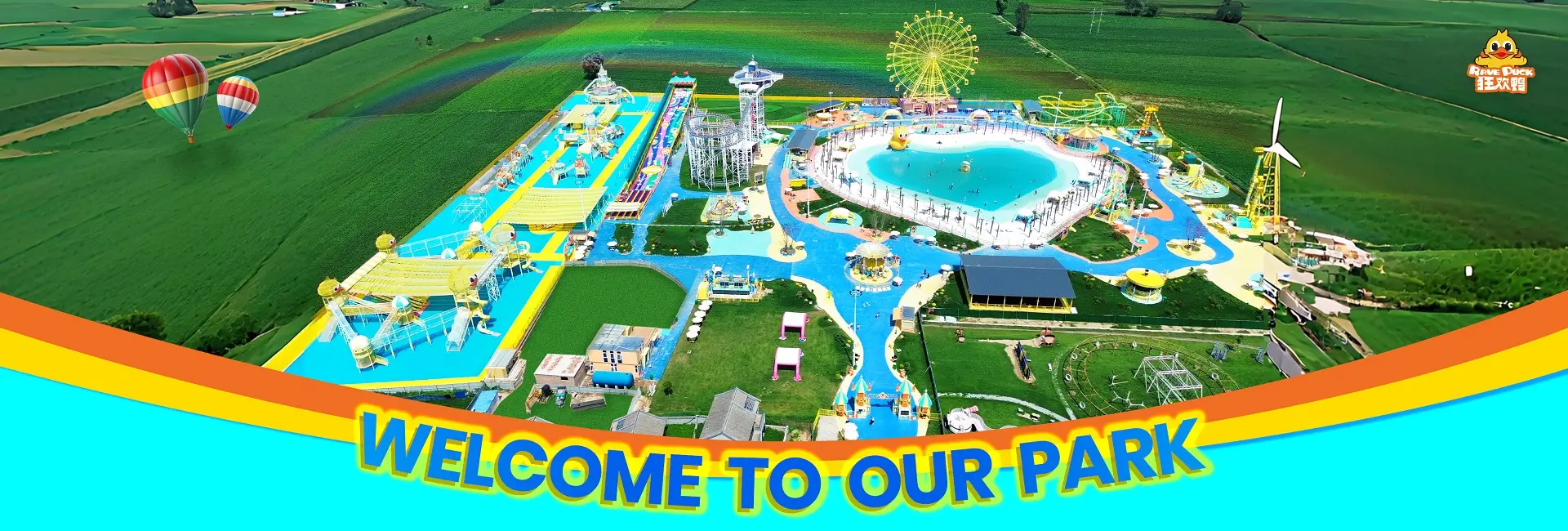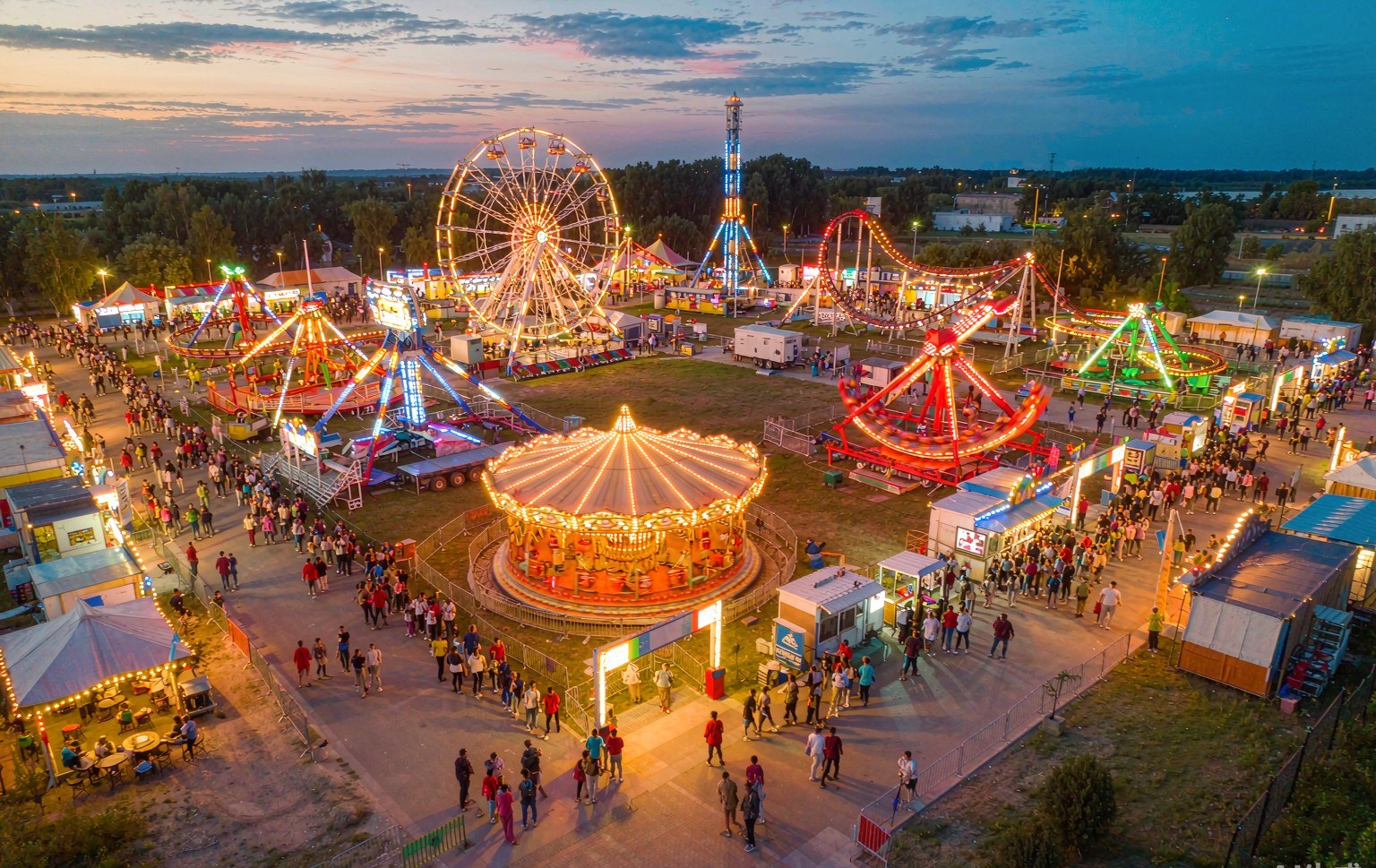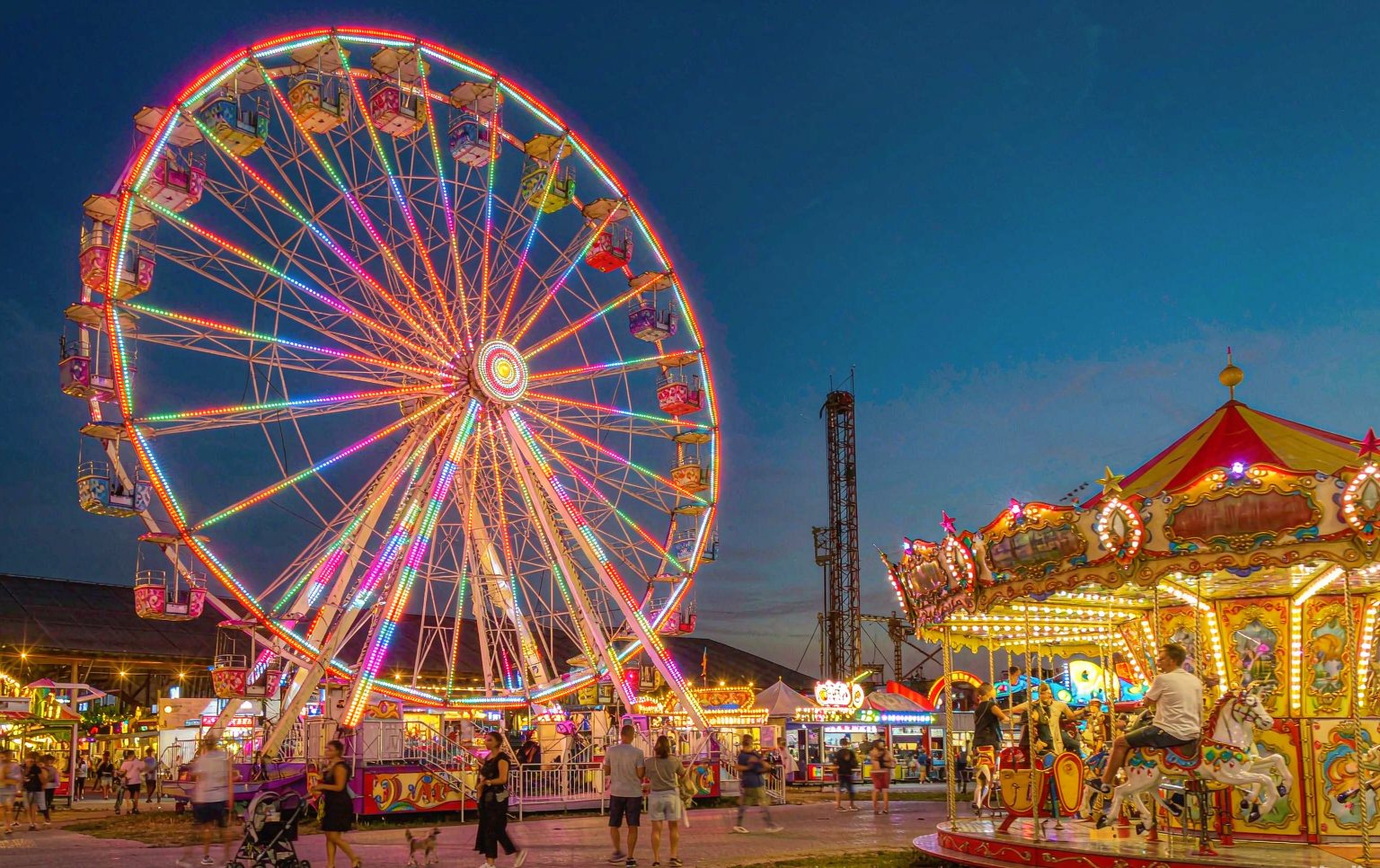

In the highly competitive entertainment industry, the success of a theme park or family entertainment center relies heavily on the quality and variety of its rides. For park owners and investors, selecting the right amusement park attractions is not just about filling space; it is about creating an unforgettable experience that drives ticket sales and encourages repeat visits.
Whether you are planning a new park layout or looking to upgrade existing equipment, understanding the landscape of amusement park attractions is crucial. This guide will explore the different categories of rides, current market trends, and how to select the best equipment for your specific venue.
The Heart of the Park: Thrill Rides
For many visitors, the primary draw of a theme park is the adrenaline rush provided by high-thrill rides. These amusement park attractions are often the “hero” products that define a park’s brand identity.
1. Roller Coasters
The roller coaster is the undisputed king of amusement park attractions. From towering steel structures to classic wooden coasters, these rides offer speed, height, and inversions that thrill-seekers crave. Modern coasters often incorporate advanced technology, such as magnetic launches and 4D effects, to enhance the sensory experience.
2. Drop Towers and Free Fall Rides
Vertical drop towers provide a intense, short-duration thrill. They are excellent for parks with limited horizontal space but high vertical clearance. These amusement park attractions are visually striking and can be seen from far away, serving as a landmark for the park.
3. Pendulum and Swing Rides
Giant pendulum rides, often called “Frisbee” rides or pirate ships, offer a different kind of thrill. They combine rotation with swinging motion, creating a sense of weightlessness. These rides are popular because they can handle high throughput, moving large groups of people efficiently.
Family-Friendly Attractions: The Revenue Drivers
While thrill rides grab the headlines, family-friendly amusement park attractions are often the backbone of a park’s daily revenue. These rides appeal to the widest demographic, ensuring that parents, children, and grandparents can all enjoy the park together.
1. Carousels and Merry-Go-Rounds
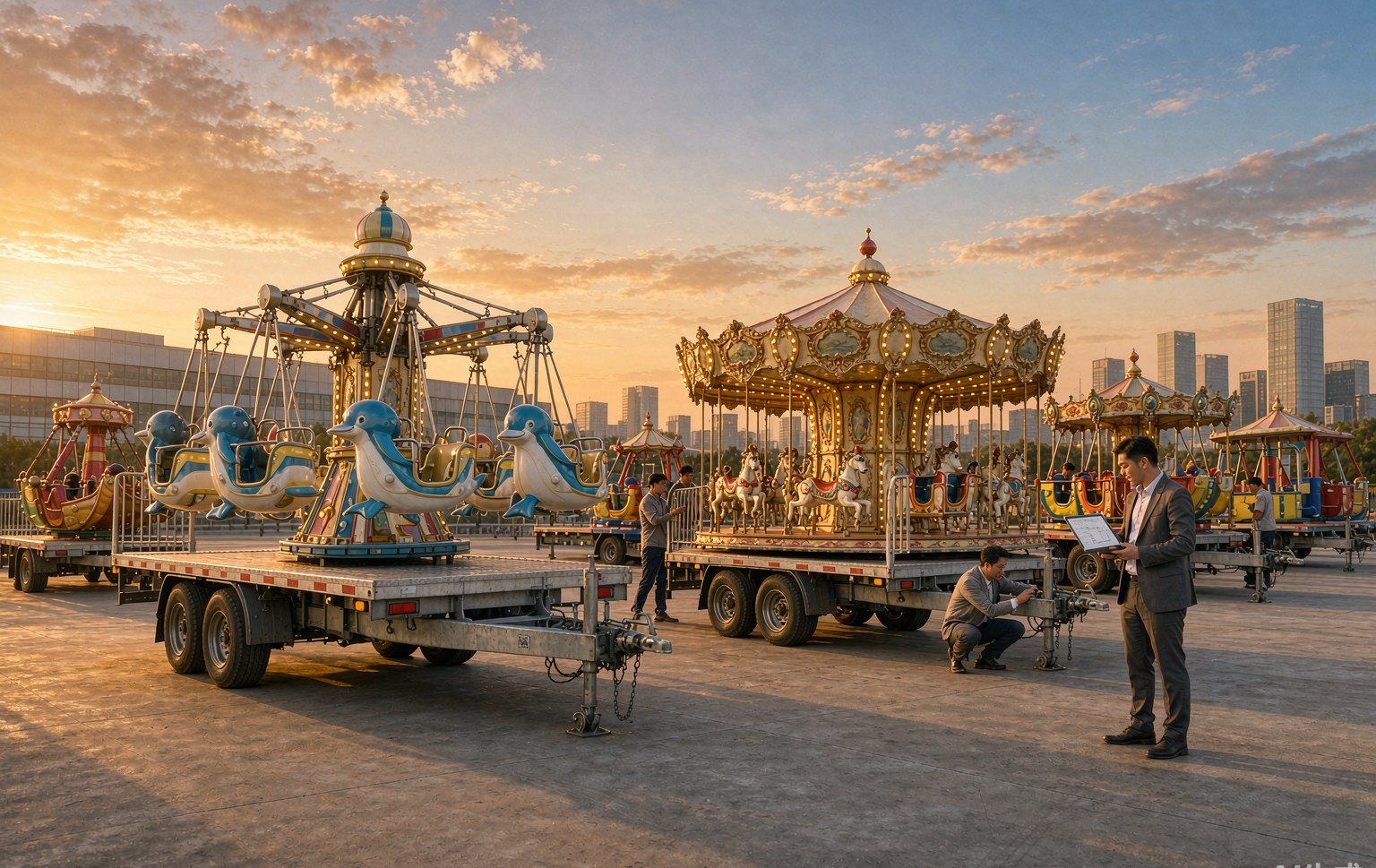
No park is complete without a classic carousel. These timeless amusement park attractions add a touch of elegance and nostalgia. They are relatively low-maintenance and have a gentle pace, making them perfect for young children.
2. Bumper Cars
Interactive rides like bumper cars remain incredibly popular. They encourage social interaction and friendly competition. Modern versions of this classic ride often feature LED lighting and digital scoring systems to appeal to a tech-savvy generation.
3. Trackless Trains and Dark Rides
Trackless trains are versatile amusement park attractions that can navigate through various terrains, making them ideal for zoo safaris, park tours, or shopping mall entertainment. Dark rides, which take guests through indoor scenes with animatronics and special effects, offer a controlled environment that is immune to weather conditions.
Emerging Trends in Amusement Park Attractions
The industry is constantly evolving, and staying ahead of trends is key to maintaining a competitive edge. Here are some of the latest trends in amusement park attractions:
- Immersive Technology: The integration of Virtual Reality (VR) and Augmented Reality (AR) into traditional rides is a growing trend. This allows operators to refresh existing amusement park attractions with new digital themes without the cost of building entirely new structures.
- Themed Environments: Visitors today expect more than just a ride; they want a story. Successful parks invest heavily in theming, transforming amusement park attractions into immersive experiences that transport guests to different worlds, from ancient jungles to futuristic space stations.
- Interactive Elements: Rides that allow guests to control aspects of the experience, such as shooting targets or steering vehicles, are seeing increased popularity. This gamification of rides increases engagement and replay value.
How to Choose the Right Attractions for Your Park
Selecting the best amusement park attractions requires a strategic approach. Consider the following factors before making a purchase:
1. Target Audience
Who are your primary guests? If you are located near a residential area with many young families, investing in gentle, family-oriented amusement park attractions is wise. If you are in a tourist hub known for adventure, thrill rides might be the better choice.
2. Space and Layout
Evaluate your available land. Large coasters require significant footprint and safety zones, while compact rides like carousels or trackless trains can fit into tighter spaces or existing walkways.
3. Budget and ROI
Consider both the initial capital expenditure and the long-term operational costs. High-tech amusement park attractions may have higher maintenance costs but can command higher ticket prices. Conversely, simpler mechanical rides often have lower overheads.
4. Safety and Certification
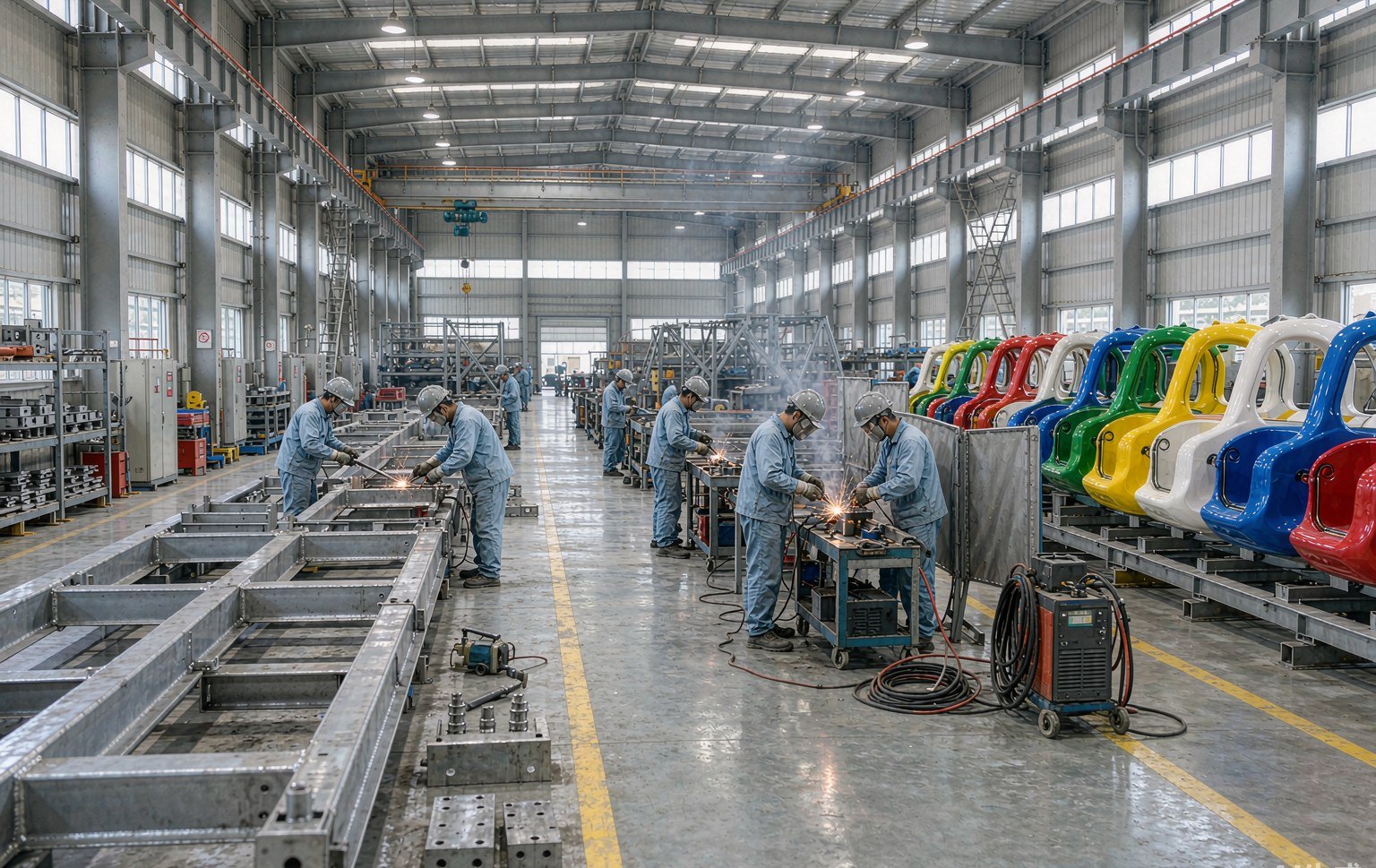
Safety is paramount. Ensure that any amusement park attractions you purchase comply with international safety standards such as ISO, CE, or ASTM. Working with a reputable manufacturer who provides comprehensive after-sales support and spare parts is essential for long-term operation.
Conclusion
Investing in high-quality amusement park attractions is the most effective way to ensure the longevity and profitability of your entertainment business. By balancing thrilling coasters with charming family rides and staying abreast of technological trends, you can create a destination that visitors will love and return to year after year.
Are you looking to upgrade your park with world-class rides? Contact us today to explore our extensive catalog of amusement park attractions and find the perfect solutions for your business needs.